An independent Canadian knowledge project

Focused and Verified

Canadian knowledge base

Search by keyword

Choose one keyword, or combine two. Broader keywords include their descendants.

Keywords: 1800–1899

Clear search
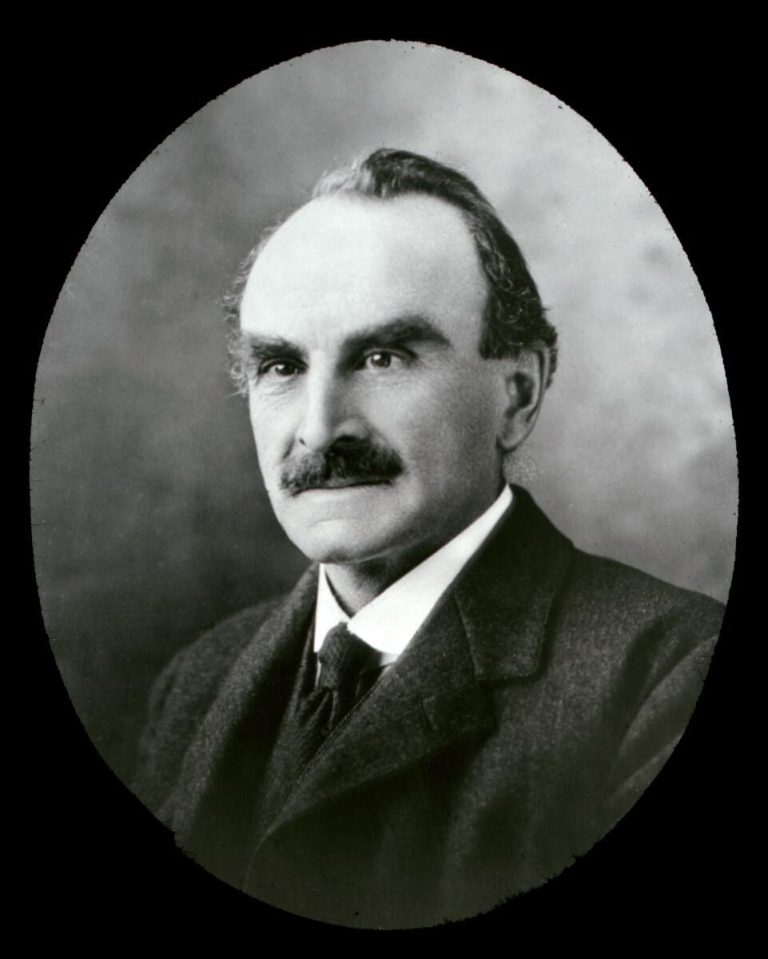
John Skirving Ewart, about 1902.
CA-K962History

J.S. Ewart, lawyer and advocate of Canadian autonomy

John Skirving Ewart, a noted constitutional lawyer born in Toronto, practised in Winnipeg from 1882 to 1904, founding the Manitoba Law Journal and serving on Louis Riel’s appeal defence team. He was counsel for Manitoba’s Roman Catholic minority in the schools dispute of the 1890s, then argued cases before the Supreme Court and Privy Council from Ottawa. He was an early, ardent advocate of Canadian autonomy at home and abroad.

Factual accuracy review: No recorded challenge

Contributor: Citizen.ca

Verified against cited sourcesVerified on 2026-10-27↗
Photo: Unknown photographer · Photo licence: Public domain · Credit & context
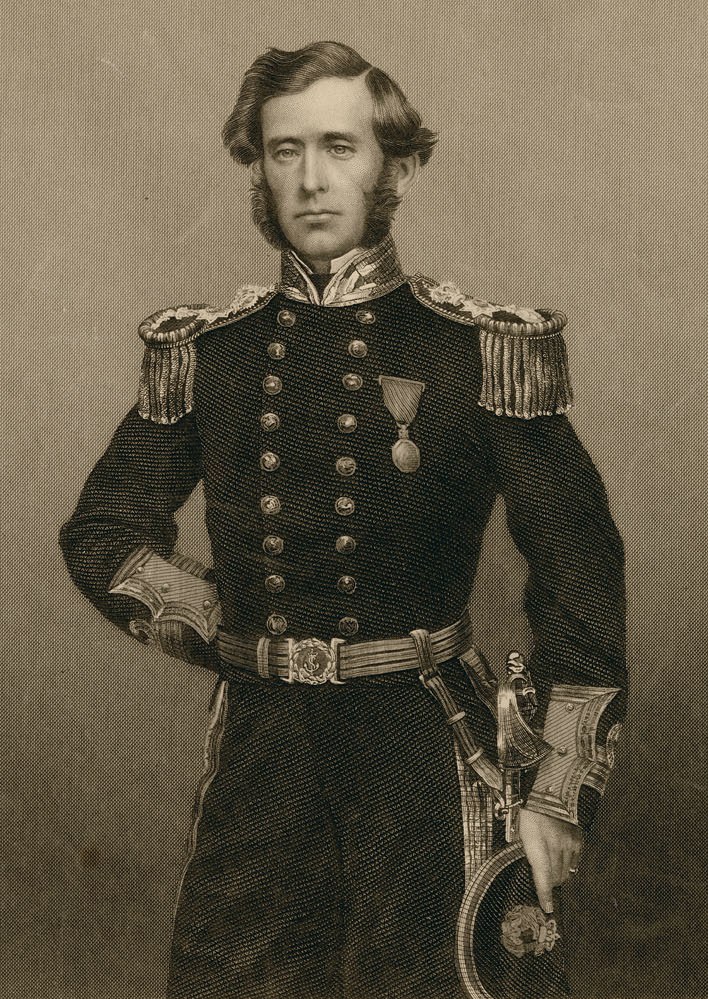
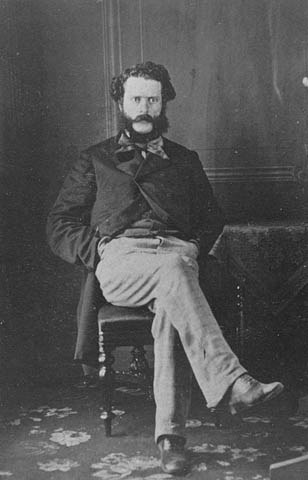
Captain Sir Leopold McClintock, about 1860.
CA-K960Places & geography

Sir Leopold McClintock and the fate of Franklin

Leopold McClintock sailed as a young lieutenant on the Franklin search expeditions of 1848 and 1850, proving an intrepid sled traveller on Somerset and Melville islands. In 1857 Lady Franklin sent him in the Fox to check the reports of Franklin’s death that Dr. John Rae had received from Inuit. In spring 1859 he found written evidence of Franklin’s fate on the shore of King William Island.

Factual accuracy review: No recorded challenge

Contributor: Citizen.ca

Verified against cited sourcesVerified on 2026-10-27↗
Photo: John Powles Cheyne · Photo licence: Public domain · Credit & context
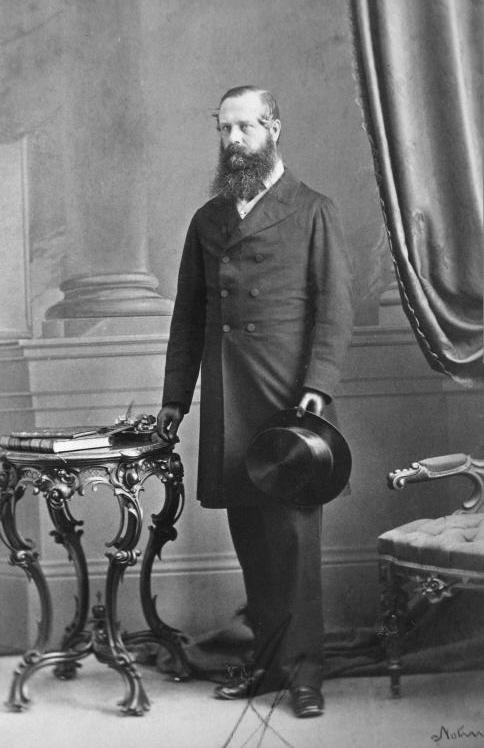
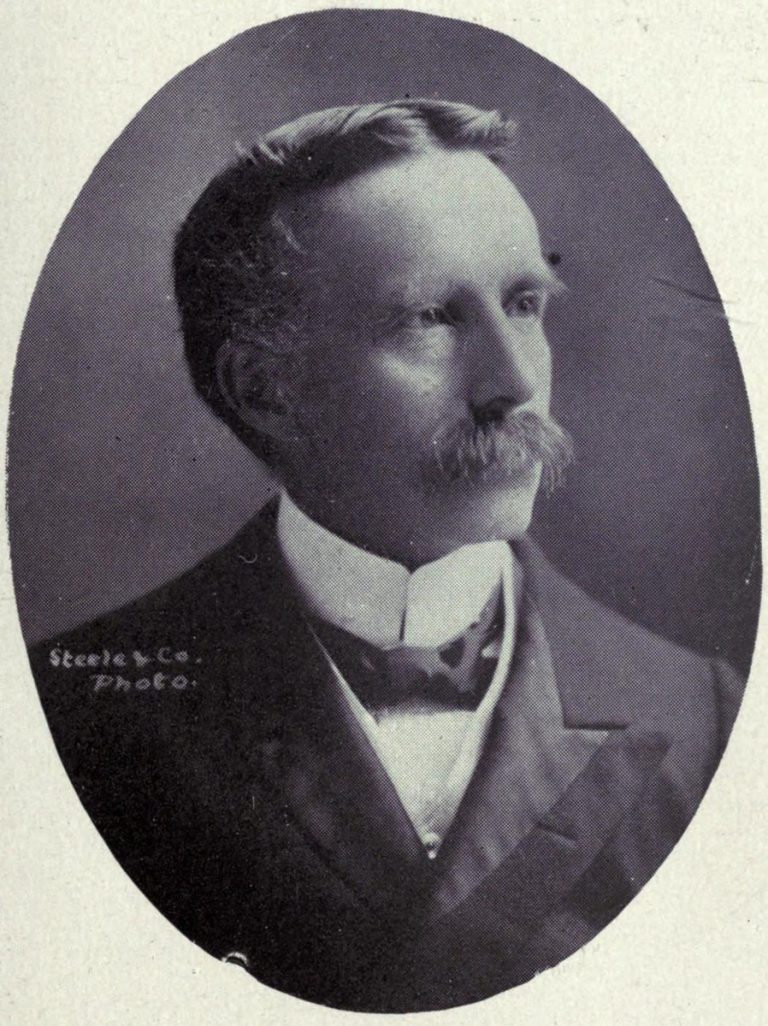
John Robson, portrait (Library and Archives Canada).
CA-K957History

John Robson, newspaperman and premier of British Columbia

John Robson, born in Perth, Ontario, came to British Columbia in 1859. In 1861 he founded the British Columbian at New Westminster, a newspaper on the British Columbia mainland, and used it to demand responsible government. Elected in 1867, he urged the colony to join Confederation, held several cabinet posts and was premier from 1889 until his accidental death in London, working to organize schools and regulate resource development.

Factual accuracy review: No recorded challenge

Contributor: Citizen.ca

Verified against cited sourcesVerified on 2026-10-27↗
Photo: Unknown photographer; Library and Archives Canada · Photo licence: Public domain · Credit & context
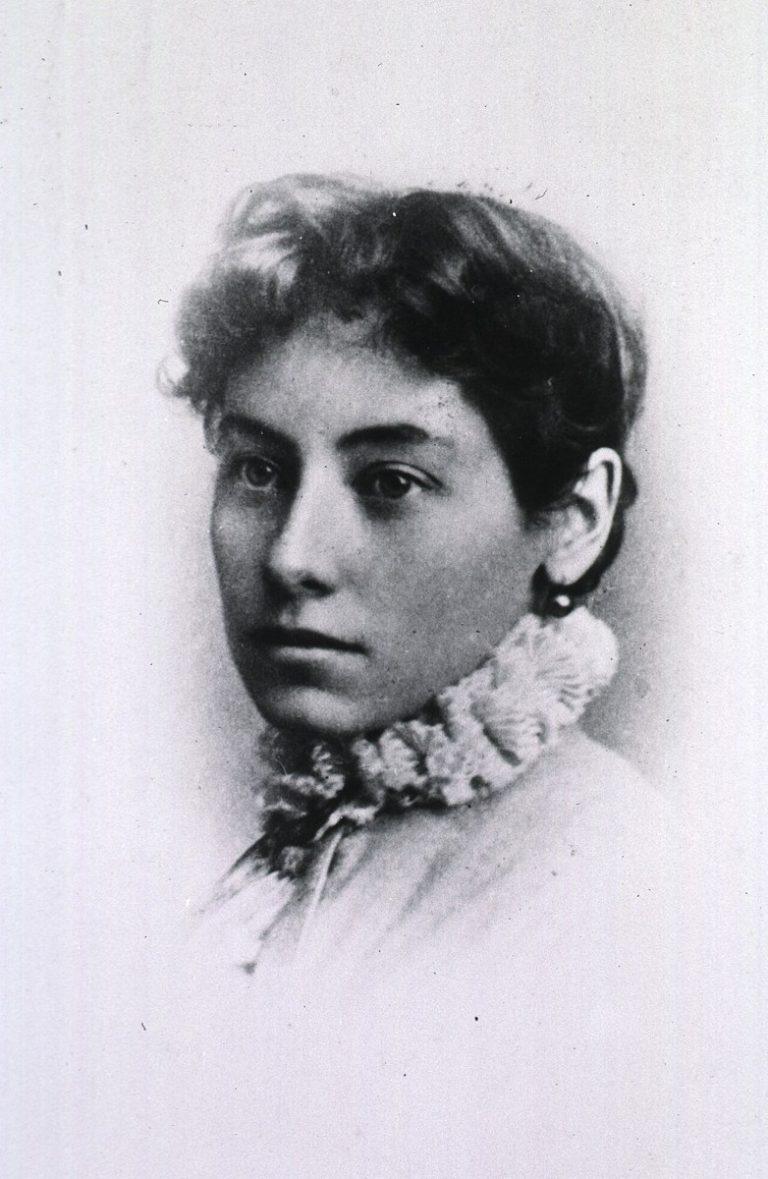
Governor General Monck, Montréal, 1864 (William Notman).
CA-K955History

Lord Monck, first Governor General of Canada

Lord Monck, an Irish peer, became Governor General of British North America in 1861. During the American Civil War he worked to keep the fighting from spreading north, and as an early supporter of union he put his energy and prestige behind Confederation. His term was extended so that he could become the first Governor General of the Dominion of Canada in 1867; he retired to Ireland the next year.

Factual accuracy review: No recorded challenge

Contributor: Citizen.ca

Verified against cited sourcesVerified on 2026-10-27↗
Photo: William Notman · Photo licence: Public domain · Credit & context
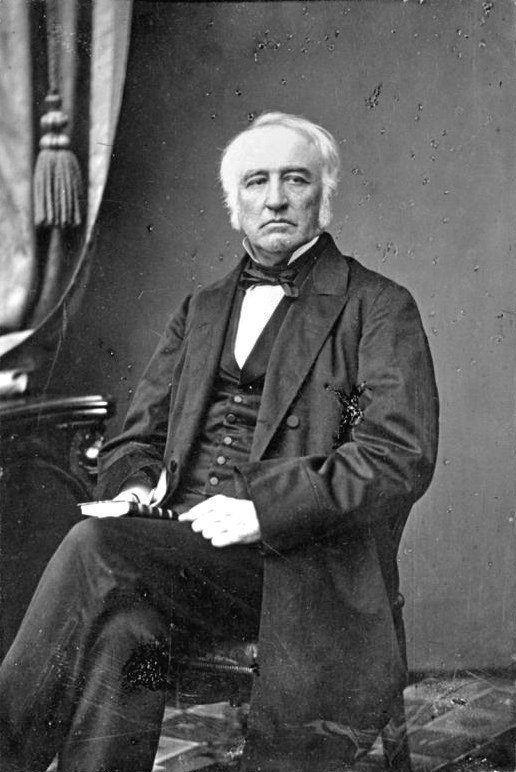
Margaret Charlton, portrait (U.S. National Library of Medicine).
CA-K952Institutions

Margaret Charlton, pioneer medical librarian

Margaret Charlton, librarian at McGill University’s Medical Library (1895–1914) and Toronto’s Academy of Medicine Library (1914–22), advanced modern library methods in the profession’s formative years. In 1898 she co-founded the Medical Library Association, which became an international leader in specialized librarianship. She also wrote on the medical history of New France, and her success in a male-dominated field opened the way for other professional women.

Factual accuracy review: No recorded challenge

Contributor: Citizen.ca

Verified against cited sourcesVerified on 2026-10-27↗
Photo: Unknown photographer · Photo licence: Public domain · Credit & context
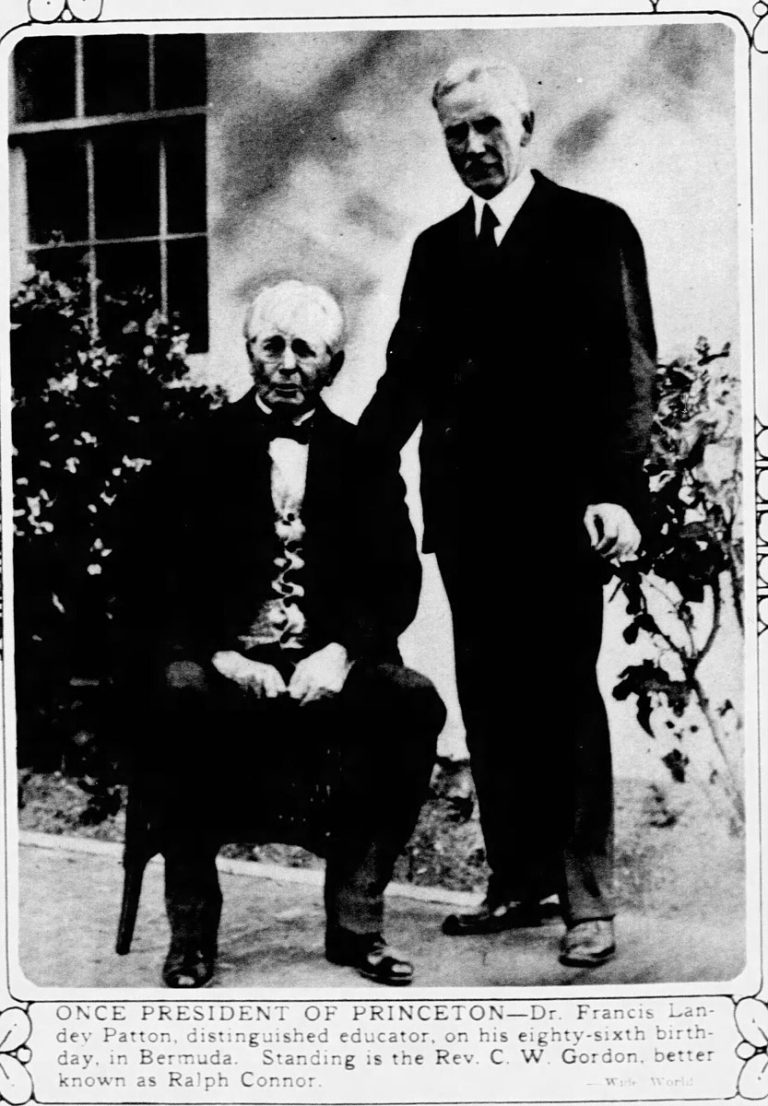
Augustin-Norbert Morin, about 1865 (Jules-Isaïe Benoît).
CA-K949History

Augustin-Norbert Morin, Patriote and co-premier

Augustin-Norbert Morin, lawyer and journalist, entered Lower Canada’s Assembly for Bellechasse in 1830, helped write the Parti patriote’s 92 Resolutions and took part in the Rebellion of 1837. In the Province of Canada he was co-premier with Francis Hincks and Allan MacNab, and in 1854 his government abolished the seigneurial system in Canada East. As a Superior Court judge from 1855, he helped draft the Civil Code of Lower Canada.

Factual accuracy review: No recorded challenge

Contributor: Citizen.ca

Verified against cited sourcesVerified on 2026-10-27↗
Photo: Jules-Isaïe Benoît · Photo licence: Public domain · Credit & context
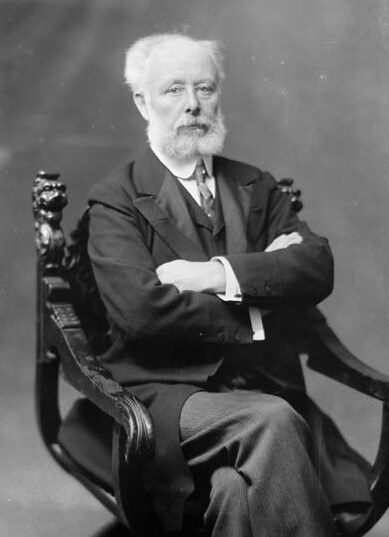
Rev. C.W. Gordon (Ralph Connor), right, with Dr. Francis Landey Patton, 1929.
CA-K946Culture & sport

Ralph Connor, novelist and churchman

Charles William Gordon, born in Glengarry, Ontario, was a Presbyterian minister and pastor of St. Stephen’s Church in Winnipeg from 1894 to 1924. As “Ralph Connor” he entertained and instructed millions with novels, many about the settlement of western Canada. An ardent Canadian nationalist, he worked for causes such as temperance and help for immigrants, and his optimism reflected the views of many Canadians of his time.

Factual accuracy review: No recorded challenge

Contributor: Citizen.ca

Verified against cited sourcesVerified on 2026-10-27↗
Photo: Wide World Photos · Photo licence: Public domain · Credit & context
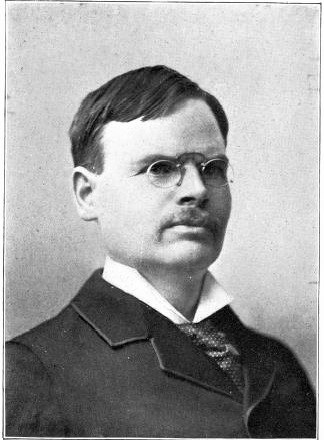
Sir Louis Henry Davies, 1903 (William James Topley).
CA-K944History

Sir Louis Davies, Island premier and Chief Justice

Louis Henry Davies, born in Charlottetown, was premier of Prince Edward Island from 1876 to 1879, defending tenant farmers while working to settle the land question. He served as counsel to the International Fisheries Commission at Halifax in 1877, sat in the House of Commons and became Minister of Marine and Fisheries in 1896. Named to the Supreme Court in 1901, he became Chief Justice of Canada in 1918.

Factual accuracy review: No recorded challenge

Contributor: Citizen.ca

Verified against cited sourcesVerified on 2026-10-27↗
Photo: William James Topley · Photo licence: Public domain · Credit & context
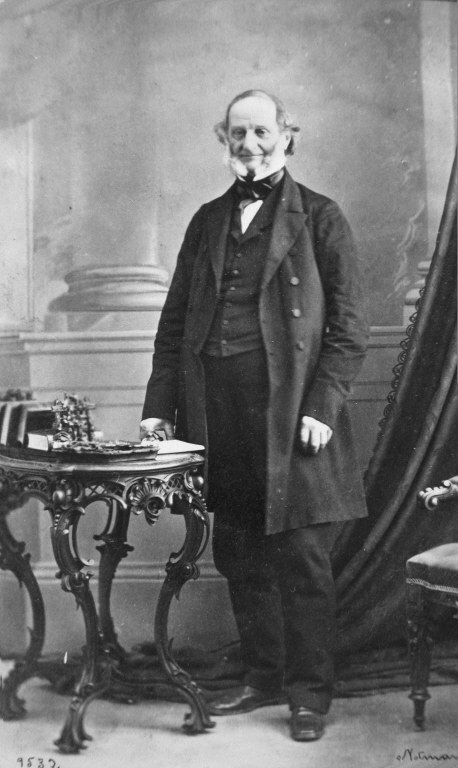
Wilfred Campbell, portrait photograph.
CA-K943Culture & sport

Wilfred Campbell, poet of the Confederation group

William Wilfred Campbell, born in Kitchener, left the Anglican ministry in 1891 to become a civil servant in Ottawa. A member of the Confederation group of poets, he drew inspiration from the Bruce Peninsula of his youth and also wrote novels, histories, plays and travel books. His writing explored nature, faith and Darwinism, as well as imperial ideas of his time.

Factual accuracy review: No recorded challenge

Contributor: Citizen.ca

Verified against cited sourcesVerified on 2026-10-27↗
Photo: Photographer unattributed · Photo licence: Public domain · Credit & context
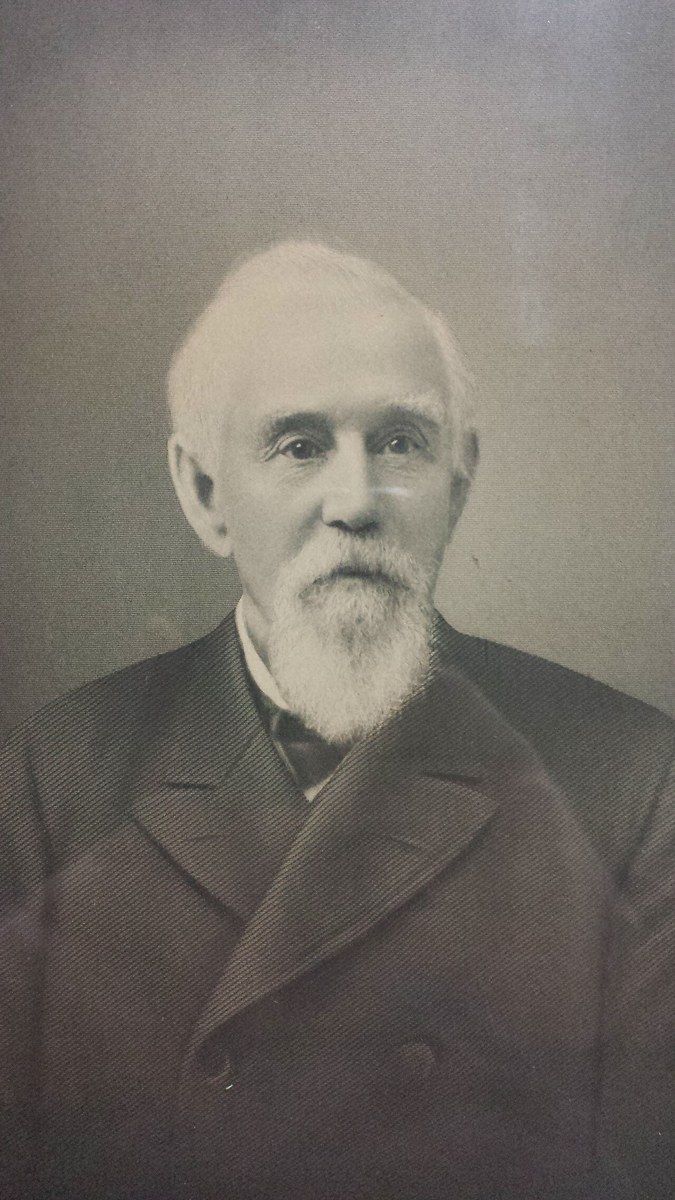
William Molson, 1863 (William Notman).
CA-K942Economy & trade

William Molson, brewer and banker

William Molson, youngest son of Montréal brewer John Molson, helped expand the family empire into distilling, lumber, a foundry, steamships and railways by the mid-19th century. In 1853 he and his brother John founded Molsons Bank, which he led until his death. A leading philanthropist, he was president of the Montreal General Hospital and gave money toward founding and building McGill University, later becoming a governor.

Factual accuracy review: No recorded challenge

Contributor: Citizen.ca

Verified against cited sourcesVerified on 2026-10-27↗
Photo: William Notman · Photo licence: Public domain · Credit & context
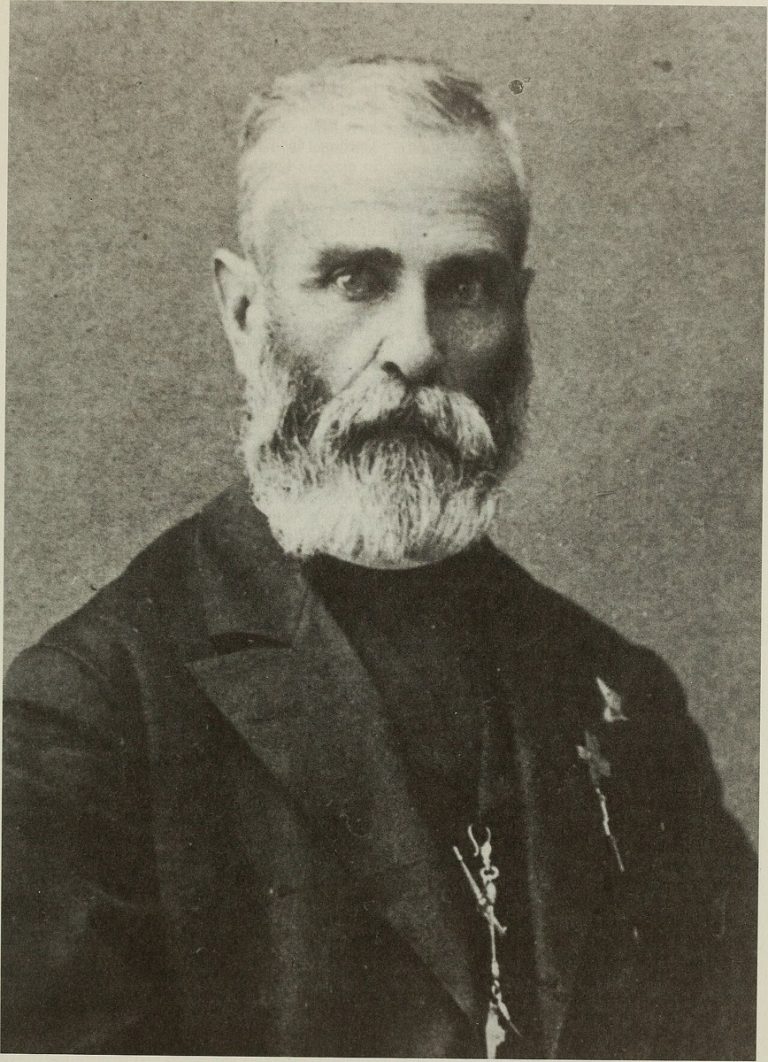
Hiram Walker (Hiram Walker and Sons archives).
CA-K938Economy & trade

Hiram Walker and Walkerville

Hiram Walker, born in Massachusetts, was a successful merchant, distiller and grain dealer in Detroit by the 1850s. After Michigan adopted prohibition in 1855 he bought land across the river in Canada and built a distillery and mill that grew into the company town of Walkerville, later adding cattle finishing, a river ferry and a railway. He played an important part in western Ontario’s economic development.

Factual accuracy review: No recorded challenge

Contributor: Citizen.ca

Verified against cited sourcesVerified on 2026-10-27↗
Photo: Unknown photographer; Hiram Walker and Sons archives · Photo licence: CC0 · Credit & context
Abbé Léon Provancher (The Canadian Field-Naturalist, 1919).
CA-K937Culture & sport

Abbé Léon Provancher, naturalist

Abbé Léon Provancher was a naturalist and entomologist known for his work on bees, wasps and ants. His publications include Flore canadienne and Petite faune entomologique du Canada. In 1868 he founded Le Naturaliste canadien, and he assembled several insect collections.

Factual accuracy review: No recorded challenge

Contributor: Citizen.ca

Verified against cited sourcesVerified on 2026-10-27↗
Photo: The Canadian field-naturalist ("courtesy les Archives Léon-Provancher, l'Université Laval") · Photo licence: Public domain · Credit & context
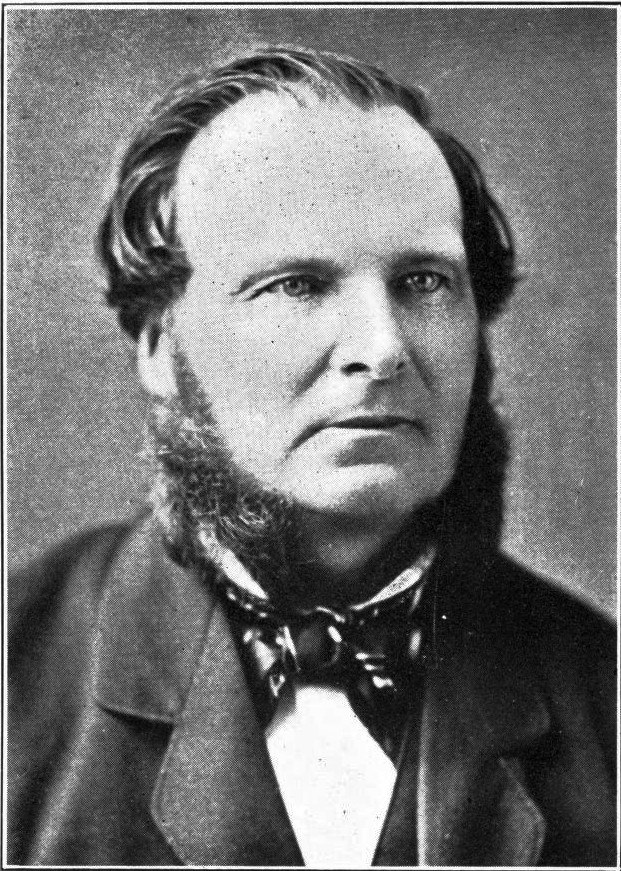
William Kirby, portrait photograph.
CA-K933Culture & sport

William Kirby, author of The Golden Dog

William Kirby, born in England, came to Canada in 1839 and settled at Niagara, where for 20 years he edited the Niagara Mail and was Collector of Customs. A journalist, poet and historian, he is best known for The Golden Dog (1877), a novel of old Quebec that went through thirty editions and was translated into French by Pamphile Le May.

Factual accuracy review: No recorded challenge

Contributor: Citizen.ca

Verified against cited sourcesVerified on 2026-10-27↗
Photo: Photographer unattributed · Photo licence: Public domain · Credit & context
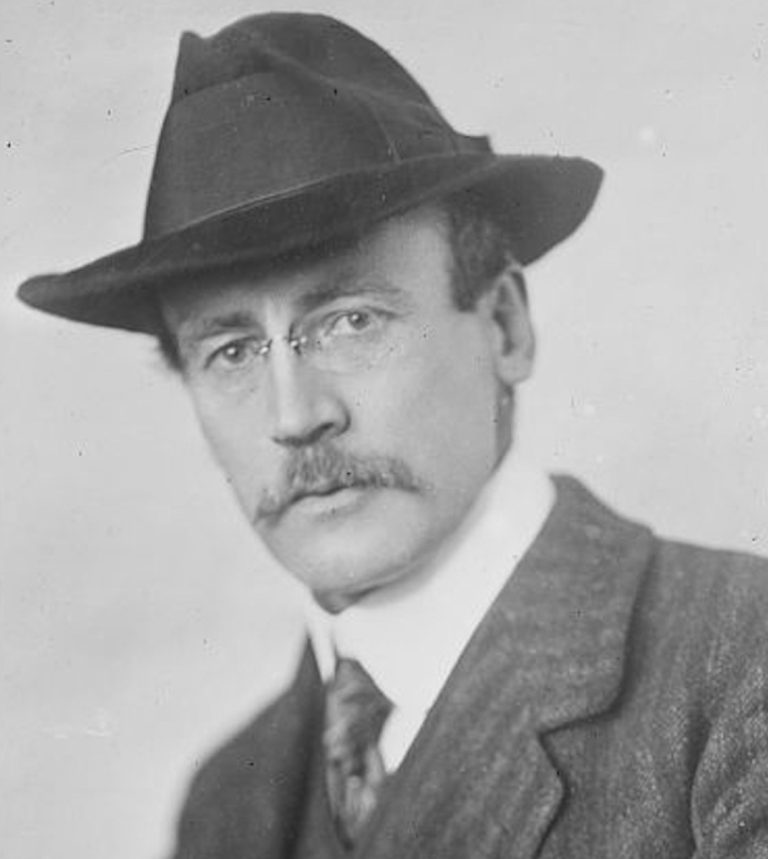
R. Tait McKenzie (Bain News Service).
CA-K926Culture & sport

R. Tait McKenzie, surgeon, educator and sculptor

Robert Tait McKenzie, born in Lanark County, Ontario, graduated in medicine at McGill and became its medical director of physical training in 1894. A pioneer of physical education, he served as a surgeon in the First World War and developed widely adopted rehabilitation methods. He won international acclaim for sculptures of athletes; his medallion The Joy of Effort was set in Stockholm’s Olympic Stadium in 1912.

Factual accuracy review: No recorded challenge

Contributor: Citizen.ca

Verified against cited sourcesVerified on 2026-10-27↗
Photo: Bain News Service · Photo licence: Public domain · Credit & context
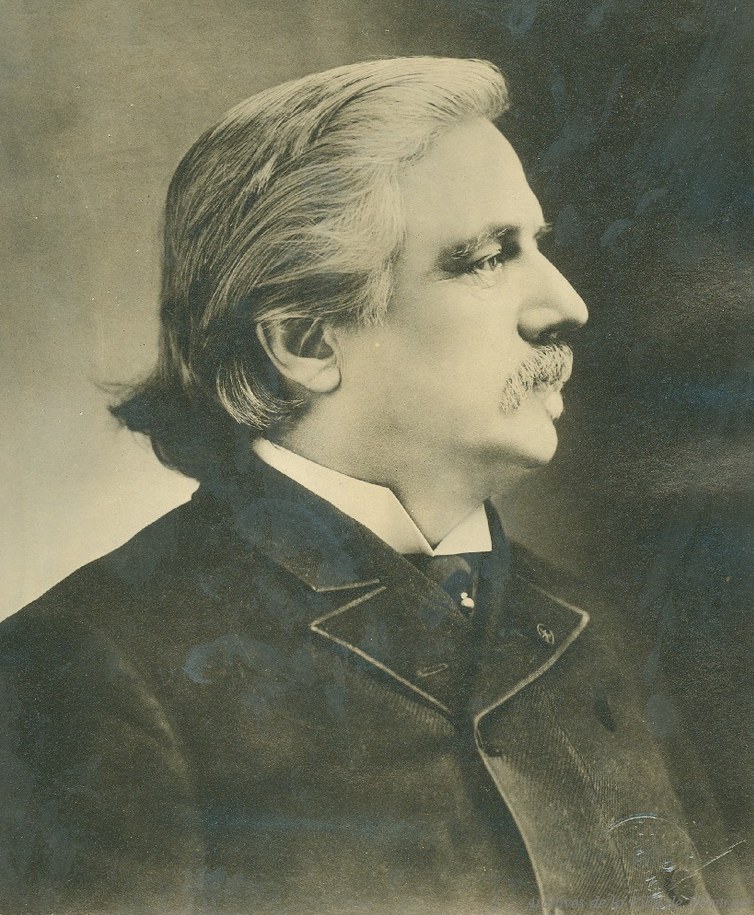
Joseph-Adolphe Chapleau, about 1890.
CA-K914History

Sir Adolphe Chapleau, premier of Quebec

Joseph-Adolphe Chapleau, born at Sainte-Thérèse-de-Blainville, was one of 19th-century Quebec’s most prominent figures. A noted criminal lawyer who supported Métis rights, he defended Ambroise-Dydime Lépine at his 1874 trial at Fort Garry. He was premier of Quebec (1879–82), a federal cabinet minister (1882–92) and Lieutenant Governor of Quebec (1892–97), and spoke for Montréal during a key period of its growth.

Factual accuracy review: No recorded challenge

Contributor: Citizen.ca

Verified against cited sourcesVerified on 2026-10-27↗
Photo: Aegidius Fauteux · Photo licence: Public domain · Credit & context
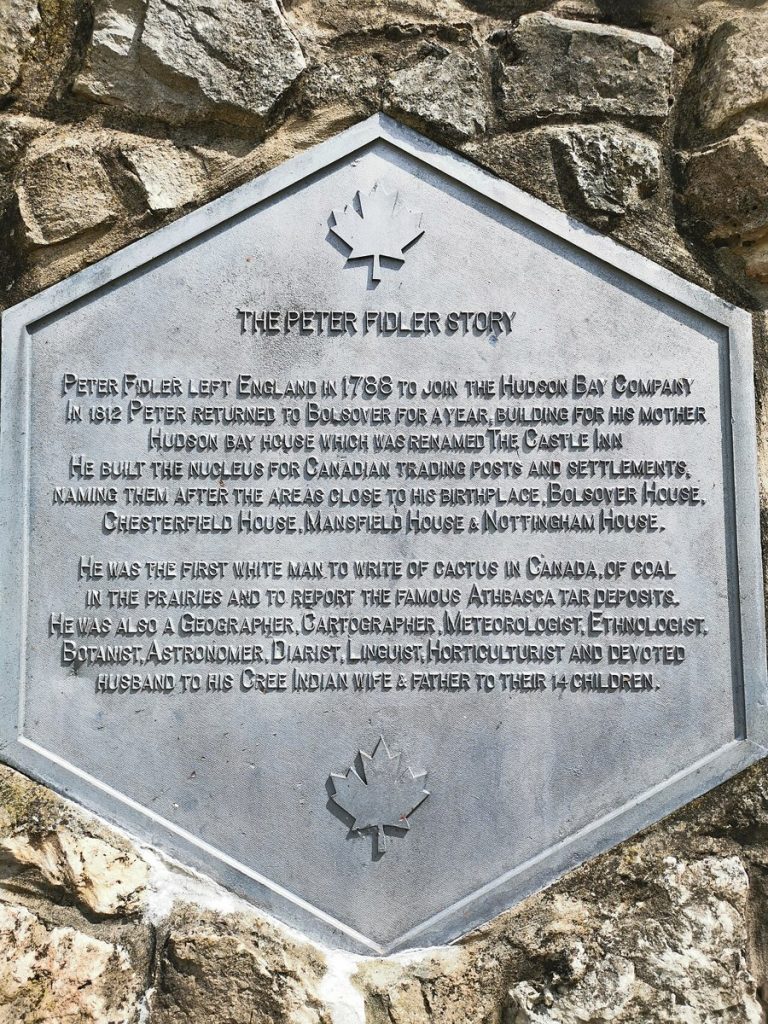
Plaque commemorating Peter Fidler.
CA-K912Places & geography

Peter Fidler, surveyor of the West

Peter Fidler, born in Bolsover, England, joined the Hudson’s Bay Company in 1788 and founded posts such as Chesterfield House (1800). As a surveyor, he mapped about 5,000 miles of waterways in Alberta, Saskatchewan and Manitoba and surveyed the Selkirk settlement and the boundaries of Assiniboia. His maps and journals remain basic historical sources.

Factual accuracy review: No recorded challenge

Contributor: Citizen.ca

Verified against cited sourcesVerified on 2026-10-27↗
Photo: Andyplummer · Photo licence: CC BY-SA 4.0 · Credit & context
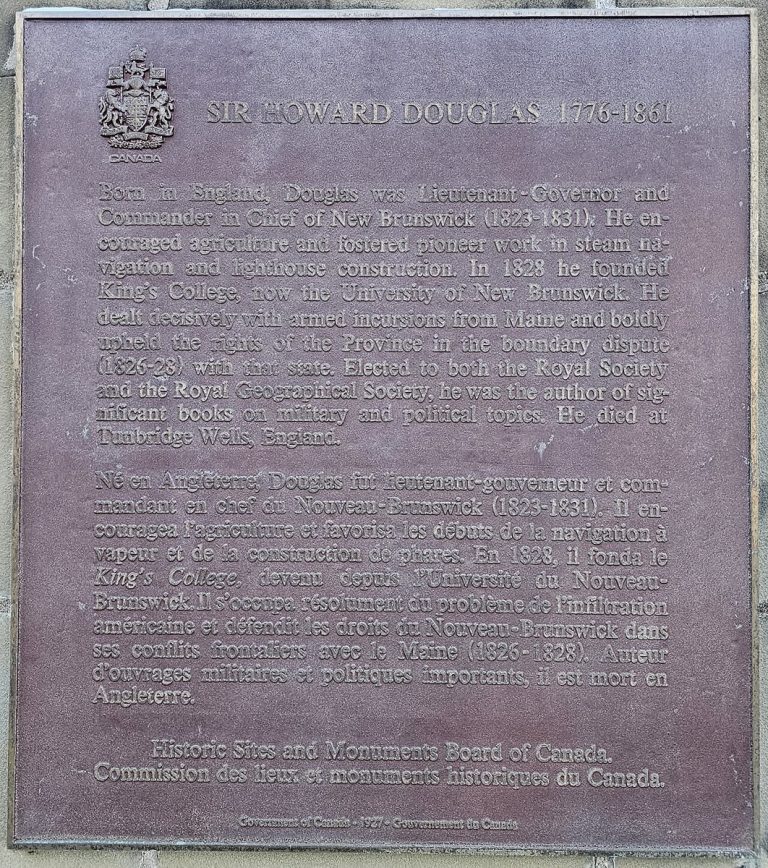
Plaque honouring Douglas at the New Brunswick Legislative Building.
CA-K911History

Sir Howard Douglas, founder of King’s College

Howard Douglas, born in England, was Lieutenant-Governor and Commander in Chief of New Brunswick from 1823 to 1831. He encouraged agriculture, steam navigation and lighthouse building, and in 1828 founded King’s College, now the University of New Brunswick. He dealt firmly with armed incursions from Maine and upheld the province’s rights in the boundary dispute of 1826–28, and wrote important books on military and political subjects.

Factual accuracy review: No recorded challenge

Contributor: Citizen.ca

Verified against cited sourcesVerified on 2026-10-27↗
Photo: JJonahJackalope · Photo licence: CC BY-SA 4.0 · Credit & context
Edward Whelan, 1864 (William Notman).
CA-K900History

Edward Whelan, journalist and Father of Confederation

Edward Whelan, an Irish-born journalist, came to Halifax about 1836 and became a protégé of Joseph Howe. He founded the Examiner in Charlottetown in 1847. A co-founder of Prince Edward Island’s Liberal Party with George Coles and an advocate of responsible government, he attended the Quebec Conference in 1864 and compiled The Union of the British Provinces (1865).

Factual accuracy review: No recorded challenge

Contributor: Citizen.ca

Verified against cited sourcesVerified on 2026-10-26↗
Photo: William Notman · Photo licence: Public domain · Credit & context
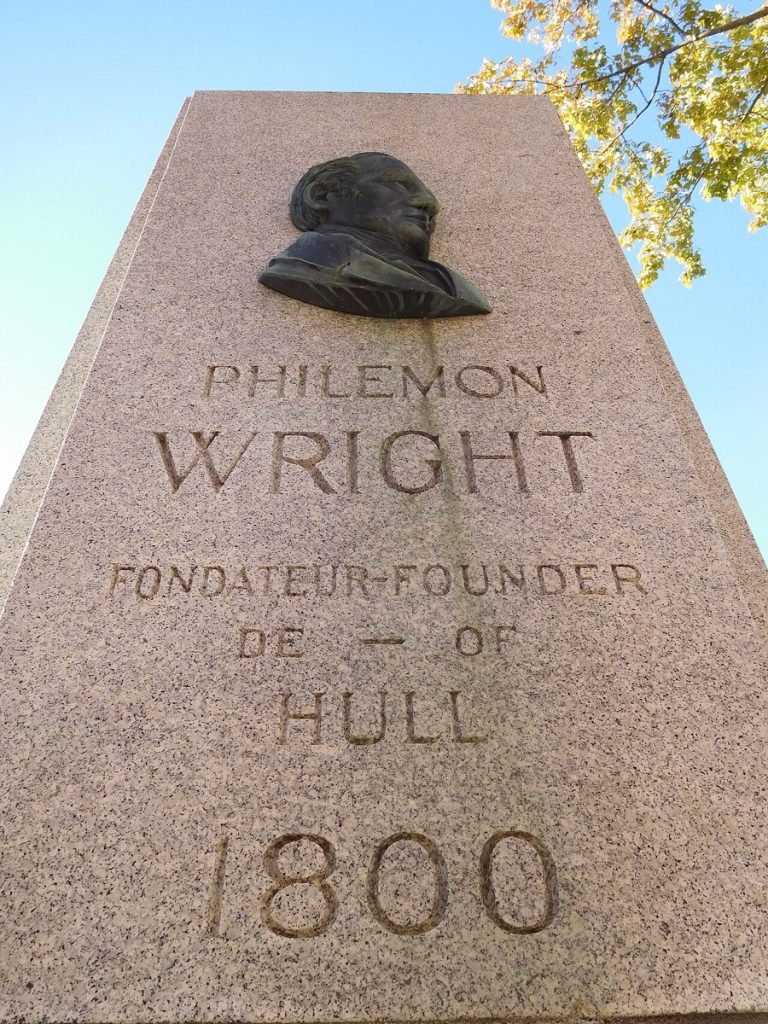
Monument to Philemon Wright, Gatineau.
CA-K895Economy & trade

Philemon Wright, founder of Hull and the Ottawa timber trade

In 1800 the American entrepreneur Philemon Wright founded the farming settlement that became Hull. Turning to the region’s forests for income, he pioneered the Ottawa Valley timber trade, floating his first raft of square timber to Québec in 1806, and later built Canada’s first timber slides to bypass the Chaudière Falls. The Ottawa Valley became a major source of Canadian timber exports in the second quarter of the 19th century.

Factual accuracy review: No recorded challenge

Contributor: Citizen.ca

Verified against cited sourcesVerified on 2026-10-26↗
Photo: Jeangagnon · Photo licence: CC BY-SA 4.0 · Credit & context
Dr. John McLoughlin, from an 1857 daguerreotype.
CA-K893Economy & trade

Dr. John McLoughlin, “Father of Oregon”

John McLoughlin, born in Rivière-du-Loup, was a physician before joining the North West Company in 1806, becoming a wintering partner in 1814. When the company merged with the Hudson’s Bay Company he became a Chief Factor and was put in charge of the Columbia District, with headquarters on the lower Columbia River. He stayed there after retiring, in what became American territory, and is known as the Father of Oregon.

Factual accuracy review: No recorded challenge

Contributor: Citizen.ca

Verified against cited sourcesVerified on 2026-10-26↗
Photo: Unknown author · Photo licence: Public domain · Credit & context
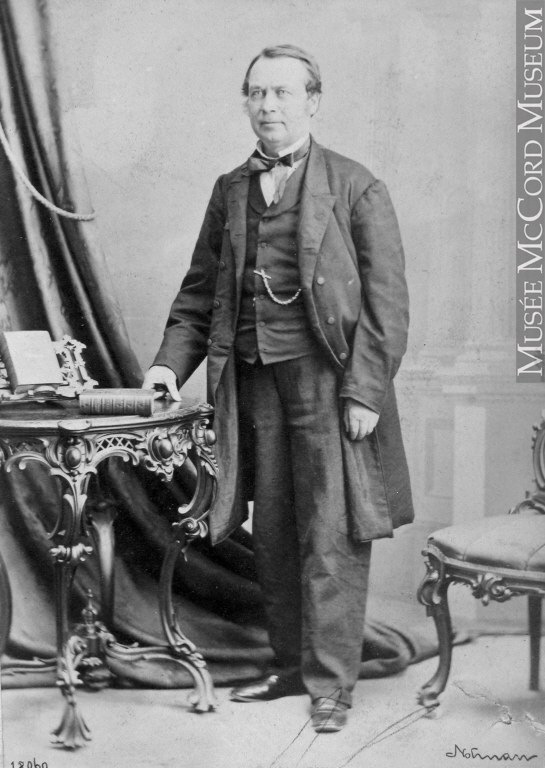
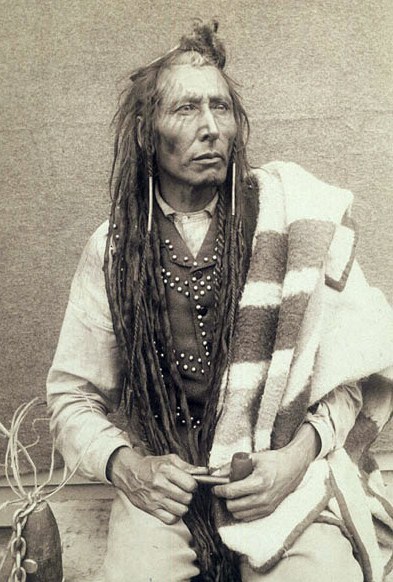
Pitikwahanapiwiyin (Poundmaker), 1885 (O.B. Buell).
CA-K887Indigenous peoples & reconciliation

Pitikwahanapiwiyin (Poundmaker), nehiyaw chief

Pitikwahanapiwiyin (Poundmaker), a nehiyaw (Plains Cree) chief and spokesman, sought better terms for his people and pressed Canada to honour Treaty 6. In 1885 he was drawn into the North-West Resistance when Lieutenant-Colonel Otter’s troops attacked his peaceful camp near Cut Knife Hill. Though he worked to prevent bloodshed and surrendered on May 26, he was imprisoned; he died soon after release and was exonerated in 2019.

Factual accuracy review: No recorded challenge

Contributor: Citizen.ca

Verified against cited sourcesVerified on 2026-10-26↗
Photo: Prof. Buell, O.B. · Photo licence: Public domain · Credit & context
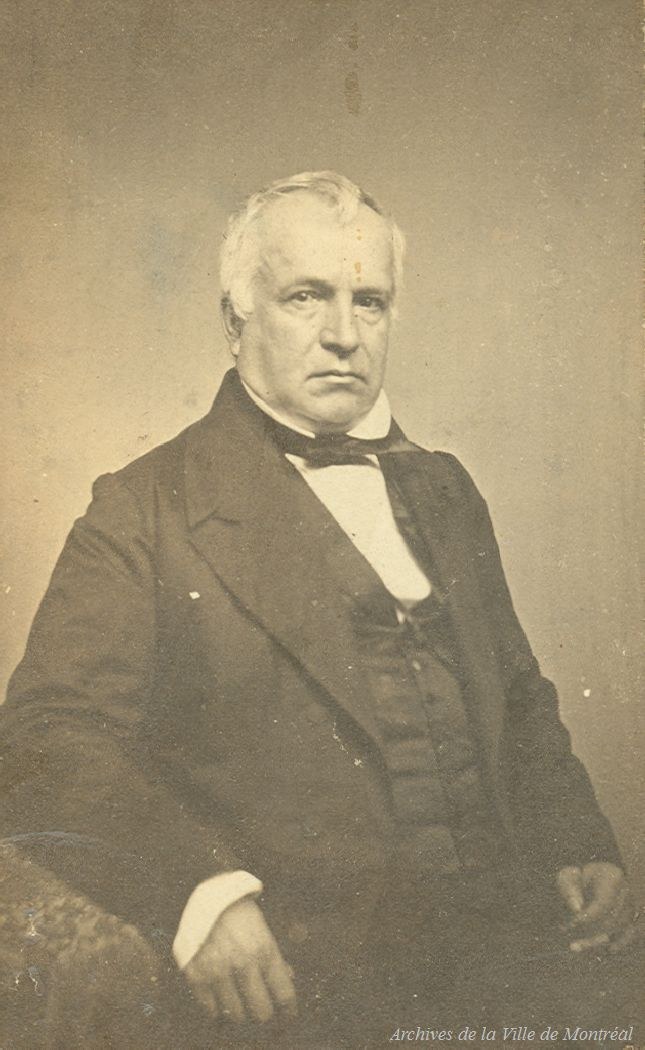
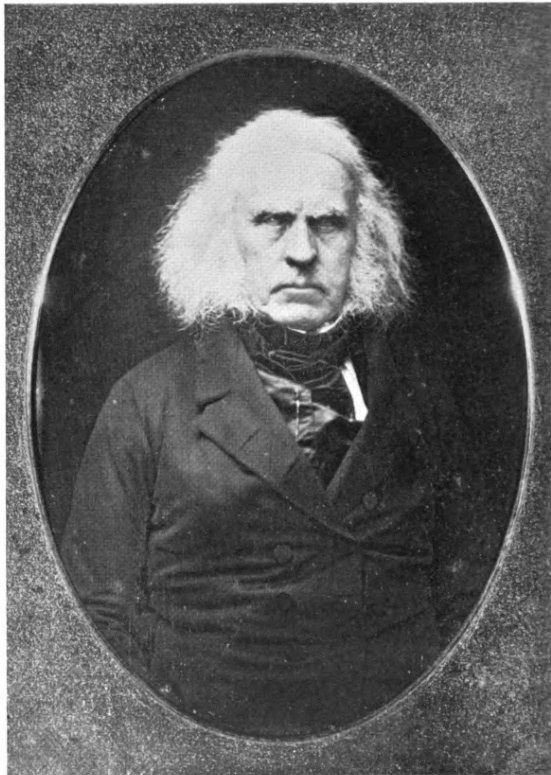
Louis-Hippolyte LaFontaine, about 1863.
CA-K879History

Sir Louis-Hippolyte LaFontaine, architect of responsible government

Louis-Hippolyte LaFontaine, a jurist and reformer born at Boucherville in 1807, was one of the architects of responsible government in Canada. With Robert Baldwin he led the reform governments of the Province of Canada in 1842 and 1848. He left politics in 1851, became Chief Justice of Lower Canada in 1853 and was made a baronet in 1854.

Factual accuracy review: No recorded challenge

Contributor: Citizen.ca

Verified against cited sourcesVerified on 2026-10-26↗
Photo: Indéterminé · Photo licence: Public domain · Credit & context
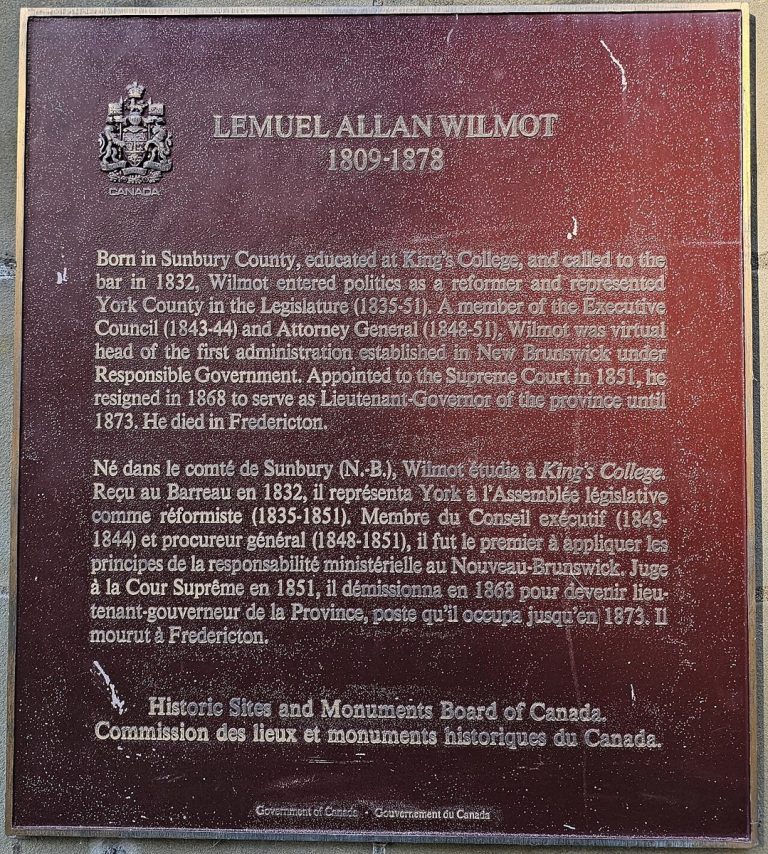
Plaque honouring Wilmot at the New Brunswick Legislative Building.
CA-K874History

Lemuel Allan Wilmot, reformer and Lieutenant-Governor

Lemuel Allan Wilmot, born in Sunbury County, entered politics as a Reformer and represented York County from 1835 to 1851. As Attorney General he was in effect the head of New Brunswick’s first government under responsible government. Named to the Supreme Court in 1851, he resigned in 1868 to become Lieutenant-Governor until 1873.

Factual accuracy review: No recorded challenge

Contributor: Citizen.ca

Verified against cited sourcesVerified on 2026-10-26↗
Photo: JJonahJackalope · Photo licence: CC BY-SA 4.0 · Credit & context
Alfred Ernest Cross, 1920 (Curlette).
CA-K872Economy & trade

A.E. Cross, rancher, brewer and Stampede founder

Alfred Ernest Cross, born in Montréal and trained in agriculture and veterinary medicine, came west in 1884 and took up ranching. In 1892 he founded the Calgary Brewing and Malting Company, and he was an early investor in Turner Valley oil and gas. He sat in the North-West Territories Assembly from 1898 to 1902 and was one of the founders of the Calgary Stampede.

Factual accuracy review: No recorded challenge

Contributor: Citizen.ca

Verified against cited sourcesVerified on 2026-10-26↗
Photo: Curlette · Photo licence: Public domain · Credit & context