An independent Canadian knowledge project

Focused and Verified

Canadian knowledge base

Search by keyword

Choose one keyword, or combine two. Broader keywords include their descendants.

Keywords: Record types

Clear search
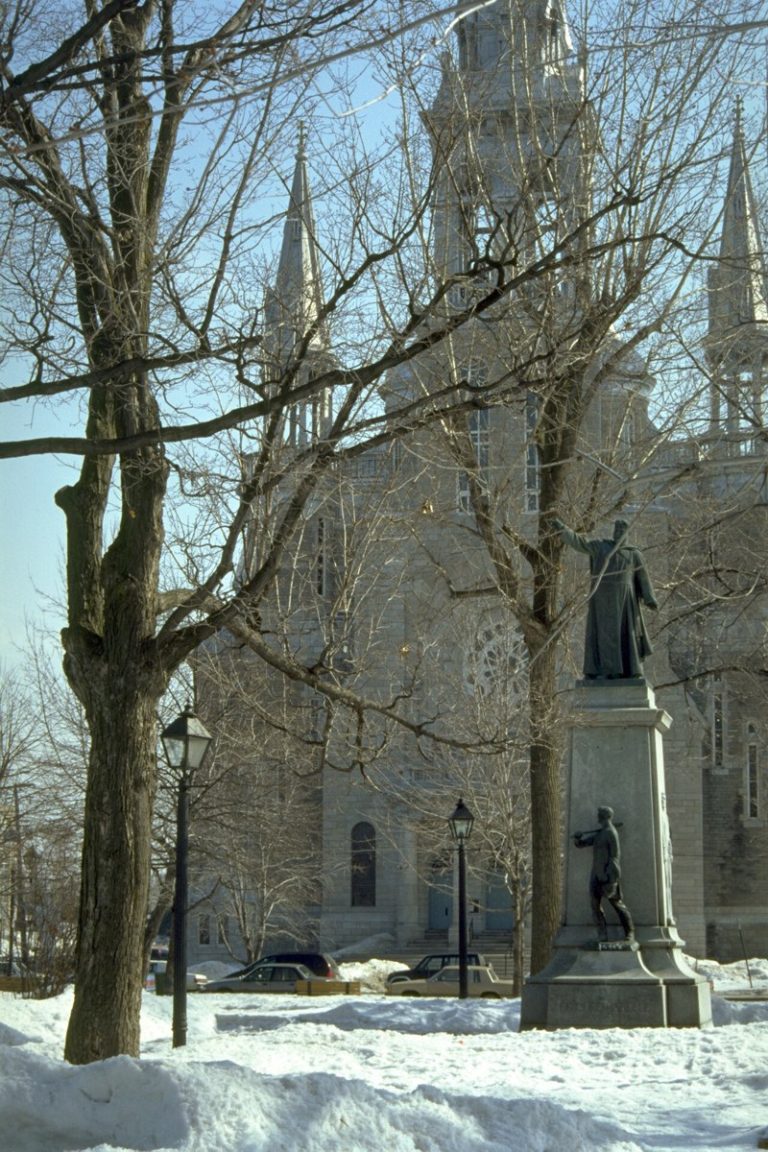
The cathedral and statue of Curé Labelle in Saint-Jérôme, Quebec, photographed in 2007.
CA-K262History

Curé Labelle, the “King of the North”

To curb French-Canadian emigration to the United States, Curé Antoine Labelle (1833–1891), parish priest of Saint-Jérôme, encouraged settlement in northwestern Quebec, northern Ontario and Manitoba. He played a key role in settling the Laurentians and developing their railways, served as Quebec’s deputy minister of agriculture and colonization, and is remembered as the “roi du Nord.”

Factual accuracy review: No recorded challenge

Contributor: Citizen.ca

Verified against cited sourcesVerified on 2026-10-26↗
Photo: Yvan leduc · Photo licence: CC BY-SA 3.0 · Credit & context
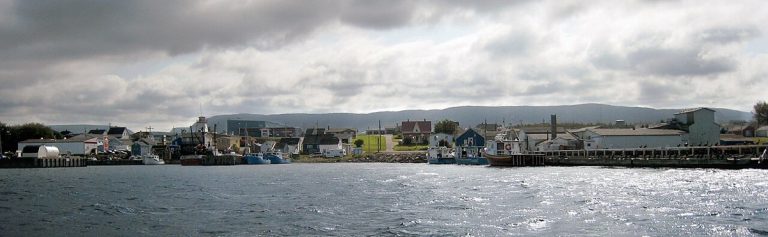
Chéticamp, Nova Scotia, seen from the water in 2009.
CA-K260History

Jeanne Dugas, Acadian co-founder of Chéticamp

Jeanne Dugas (1731–1817) and her family fled Île Royale (Cape Breton) to escape the 1758 deportation but were captured and imprisoned in Halifax. A midwife and keeper of Acadian stories, she co-founded Chéticamp around 1785; having lived through eight dislocations, she embodies the resilience of Acadian women through 50 years of upheaval.

Factual accuracy review: No recorded challenge

Contributor: Citizen.ca

Verified against cited sourcesVerified on 2026-10-26↗
Photo: Michael Sprague from Candler, North Carolina · Photo licence: CC BY-SA 2.0 · Credit & context
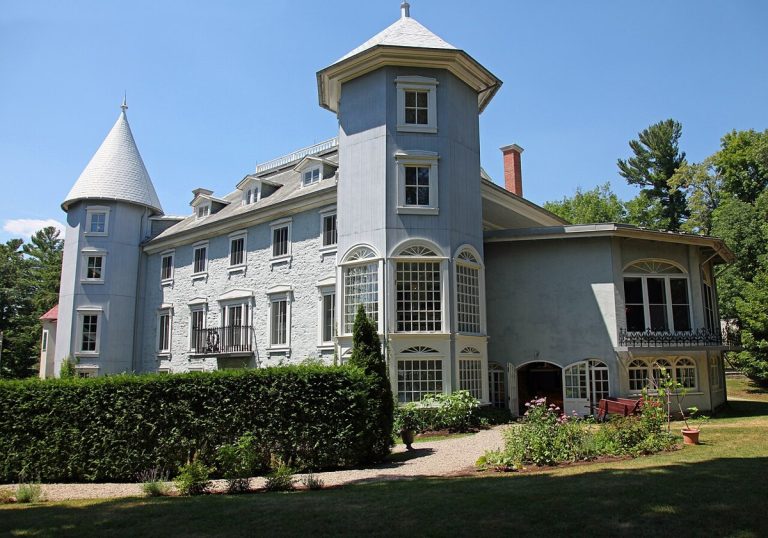
The Manoir-Papineau in Montebello, Quebec, photographed in 2018.
CA-K258History

Louis-Joseph Papineau, leader of the Patriotes

Louis-Joseph Papineau (1786–1871) strove to reform Lower Canada’s political institutions and strengthen democracy. As Speaker of the House of Assembly and leader of the Parti canadien, later the Parti patriote, he became the leading political figure of the 1837–1838 uprisings; in 1850 he settled at his manor in Montebello.

Factual accuracy review: No recorded challenge

Contributor: Citizen.ca

Verified against cited sourcesVerified on 2026-10-26↗
Photo: Marc-Lautenbacher · Photo licence: CC BY-SA 4.0 · Credit & context
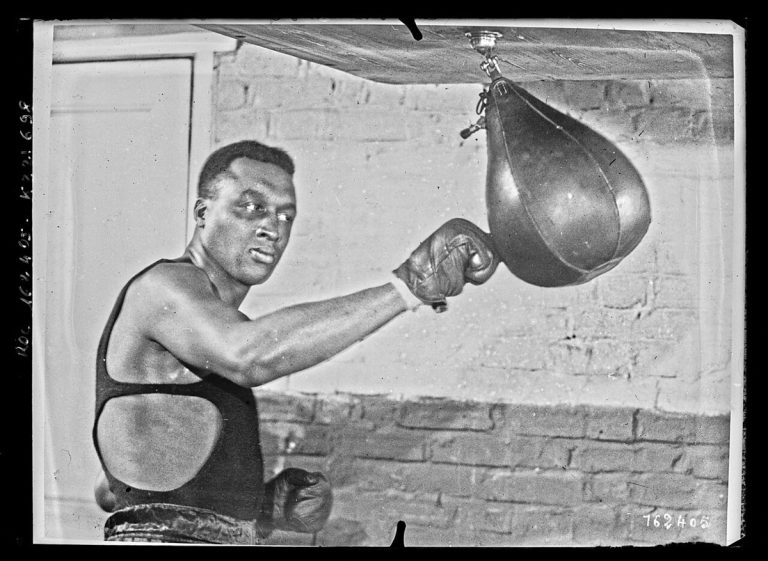
A portrait of boxer Larry Gains, 1932 (Agence Rol).
CA-K253Culture & sport

Larry Gains, heavyweight champion

Larry Gains (1900–1983), a Black boxer born and trained in Toronto’s Cabbagetown, was one of the world’s best heavyweights in the 1920s and 1930s, winning the Canadian and British Empire heavyweight titles. Racism limited his chances in North America and barred him from a world heavyweight title fight despite wins over future champions.

Factual accuracy review: No recorded challenge

Contributor: Citizen.ca

Verified against cited sourcesVerified on 2026-10-26↗
Photo: Agence Rol. Agence photographique (commanditaire) · Photo licence: Public domain · Credit & context
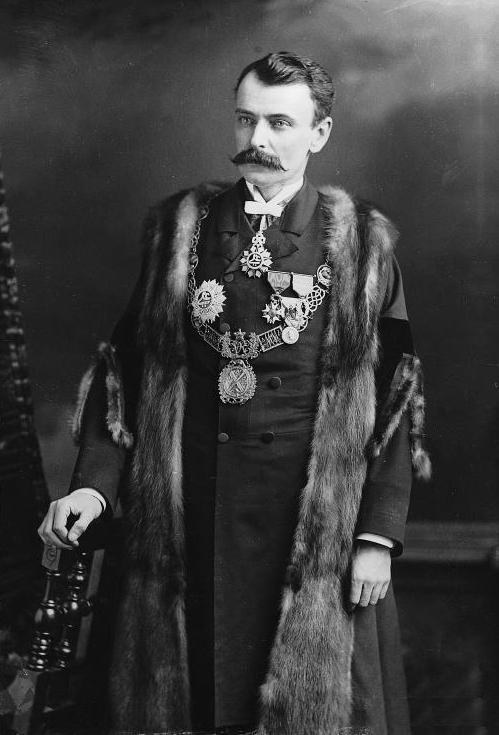
Honoré Beaugrand as mayor of Montréal, 1887, photographed by Wm. Notman & Son.
CA-K252Language & names

Honoré Beaugrand, La Patrie and La Chasse-galerie

Honoré Beaugrand (1848–1906), a free thinker who vigorously defended freedom of thought, headed French-language newspapers in the United States and Canada and founded La Patrie (1879–1978) in Montréal. As an author and publisher, he produced some of the earliest works of Franco-American literature, including La Chasse-galerie: Légendes canadiennes.

Factual accuracy review: No recorded challenge

Contributor: Citizen.ca

Verified against cited sourcesVerified on 2026-10-26↗
Photo: Wm. Notman & Son · Photo licence: Public domain · Credit & context
An immigrant woman with her baby at Pier 21, Halifax, in 1948 (photograph by E. A. Bollinger).
CA-K249History

Displaced persons arrive after the Second World War

After the Second World War, nearly 187,000 people fled devastated Europe for Canada, including Holocaust survivors, former prisoners of war and thousands unable or unwilling to return home; most arrived by ship between 1947 and 1952. Many first worked as labourers despite professional training, and their arrival strengthened calls to recognize Canada’s growing cultural diversity.

Factual accuracy review: No recorded challenge

Contributor: Citizen.ca

Verified against cited sourcesVerified on 2026-10-26↗
Photo: E.A. Bollinger · Photo licence: Public domain · Credit & context
Brock’s Monument at Queenston Heights, Ontario, site of a War of 1812 battle in which the Colored Corps fought, photographed in 2012.
CA-K248History

Black militia units in Upper Canada, 1812–1850

Upper Canadians of African descent served in the militia to share in the duties and rights of British subjects. In the War of 1812, many joined regular units or the segregated Colored Corps, which worked on fortifications and fought at Queenston Heights and other Niagara battles; they also served during the Upper Canada Rebellion, many until 1850.

Factual accuracy review: No recorded challenge

Contributor: Citizen.ca

Verified against cited sourcesVerified on 2026-10-26↗
Photo: Mmcintyre · Photo licence: CC BY-SA 3.0 · Credit & context
The RCMP Musical Ride performing in 2016.
CA-K247Symbols

The RCMP Musical Ride, first performed in 1887

The RCMP Musical Ride, a precision performance by scarlet-uniformed police on horseback set to music, was first performed in Regina in 1887 by the North-West Mounted Police. The RCMP has bred and trained black horses for the Ride since the 1940s, and it is one of the distinctive symbols of Canadian identity at home and abroad.

Factual accuracy review: No recorded challenge

Contributor: Citizen.ca

Verified against cited sourcesVerified on 2026-10-26↗
Photo: Andrea_44 from Leamington, Ontario , Canada · Photo licence: CC BY 2.0 · Credit & context
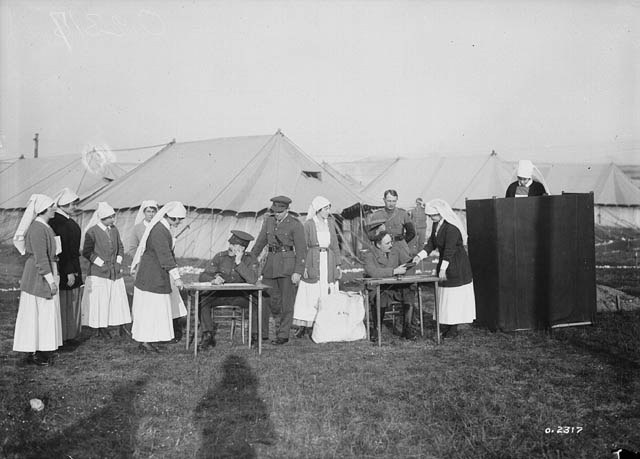
Nursing Sisters at a Canadian hospital in France voting in the 1917 federal election (photograph by William Rider-Rider).
CA-K246History

Nursing Sisters, the first women with military rank

Canadian military nurses have cared for the sick and wounded in battle since 1885. In 1904, professional nurses joined the Canadian Army Medical Corps as Nursing Sisters, the first women in the British Empire to receive military rank; in the two world wars hundreds were decorated and dozens died from enemy action.

Factual accuracy review: No recorded challenge

Contributor: Citizen.ca

Verified against cited sourcesVerified on 2026-10-26↗
Photo: William Rider-Rider · Photo licence: Public domain · Credit & context
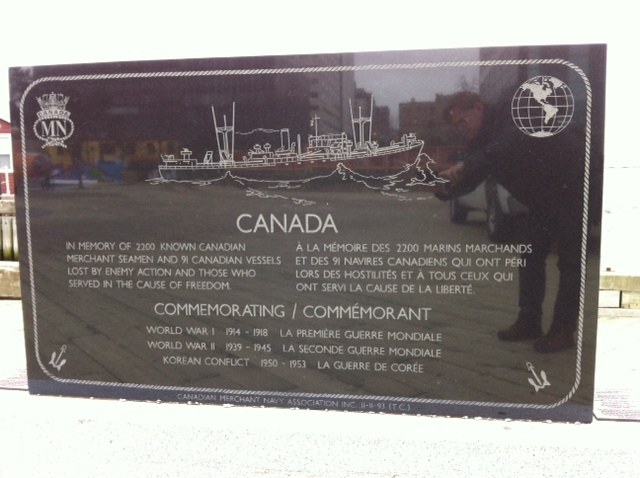
The Merchant Marine Monument at Sackville Landing, Halifax, photographed in 2013.
CA-K245History

The Canadian Merchant Navy in the Second World War

In the Second World War, the Canadian Merchant Navy contributed decisively to Allied victory by carrying troops and supplies to war zones around the world. Merchant mariners, men and women, faced the constant threat of enemy attack as well as the dangers of the open sea, and many lost their lives.

Factual accuracy review: No recorded challenge

Contributor: Citizen.ca

Verified against cited sourcesVerified on 2026-10-26↗
Photo: Hantsheroes · Photo licence: CC BY-SA 3.0 · Credit & context
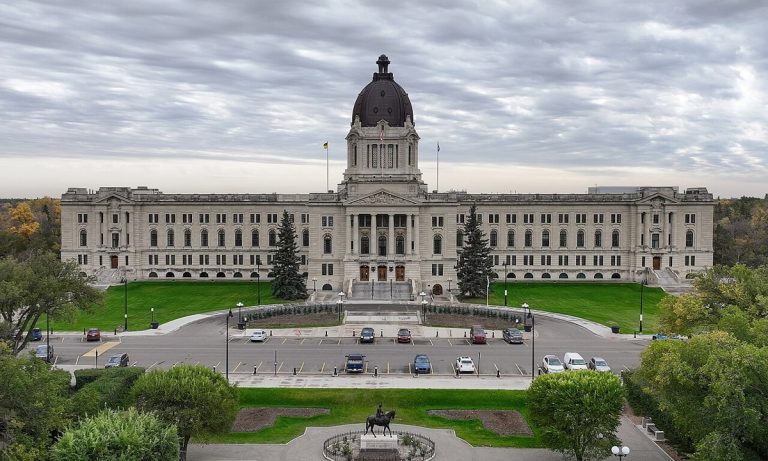
The Saskatchewan Legislative Building in Regina, photographed in 2025.
CA-K244History

The Saskatchewan doctors’ strike of 1962

When Saskatchewan’s Medical Care Insurance Act took effect on 1 July 1962, most of the province’s doctors went on strike for 23 days. Perhaps the most significant Canadian doctors’ strike of the 20th century, it exemplified conflicts in the development of medicare between state intervention and physicians’ independence, and between doctors as entrepreneurs and patients’ right to care regardless of income.

Factual accuracy review: No recorded challenge

Contributor: Citizen.ca

Verified against cited sourcesVerified on 2026-10-26↗
Photo: Quintin Soloviev · Photo licence: CC BY 4.0 · Credit & context
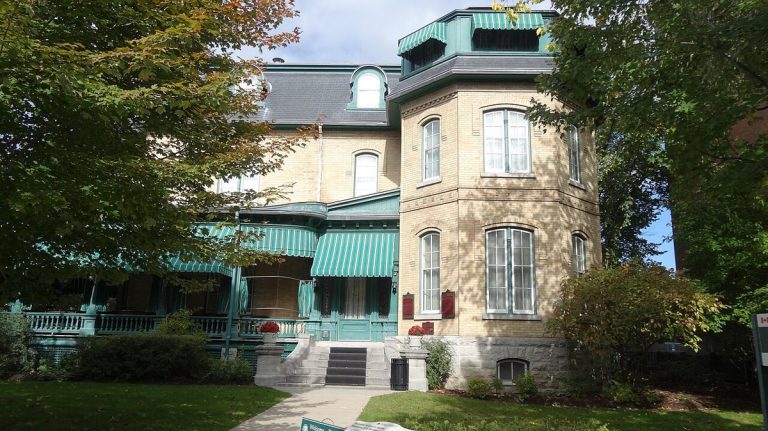
Laurier House in Ottawa, Prime Minister Mackenzie King’s home, next to which the unit worked from 1942 to 1945; photographed in 2014.
CA-K243History

The Examination Unit, Canada’s wartime codebreakers

The Examination Unit (1941–1945) was Canada’s secret civilian cryptographic bureau in the Second World War, working within the National Research Council; women made up about 40% of its staff. It helped the Allies decrypt French, German and Japanese messages and paved the way for the Communications Security Establishment, founded in 1975.

Factual accuracy review: No recorded challenge

Contributor: Citizen.ca

Verified against cited sourcesVerified on 2026-10-26↗
Photo: Suwannee.payne · Photo licence: CC BY-SA 3.0 · Credit & context
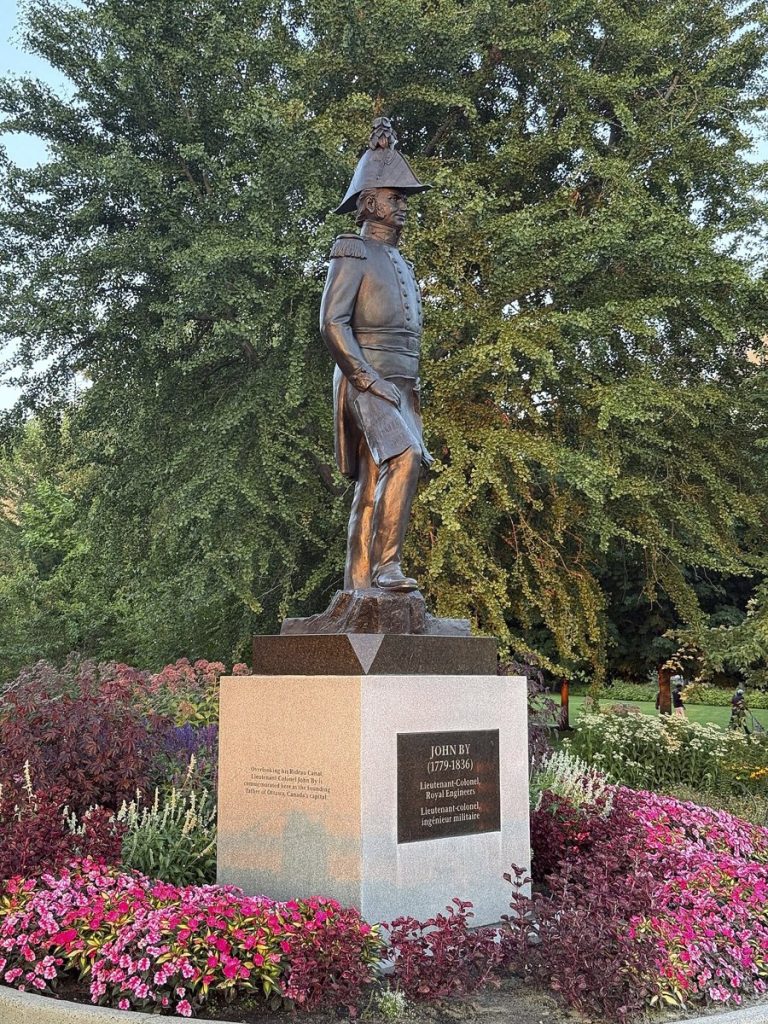
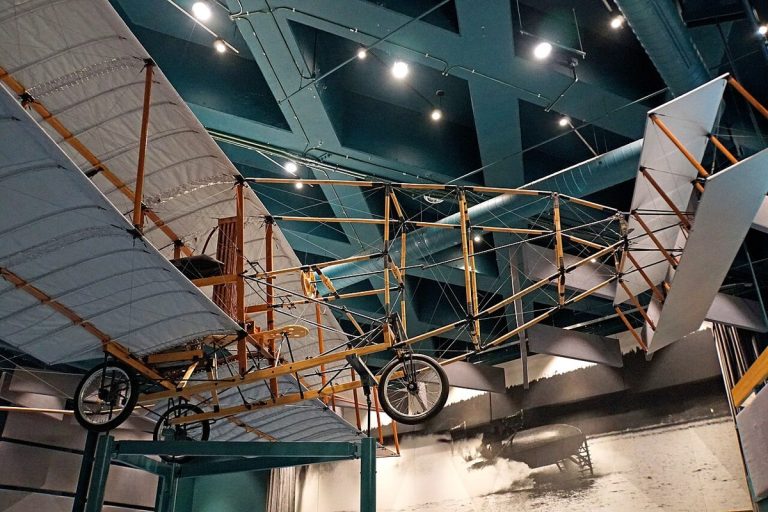
A Silver Dart display photographed in 2017; not the original 1909 aircraft.
CA-K242History

The Silver Dart made Canada’s first powered flight, 1909

On 23 February 1909, more than 100 people watched the Silver Dart lift off the ice of Baddeck Bay, Nova Scotia, and fly 800 metres: the first successful powered flight in Canada. Piloted by J. A. D. McCurdy, the biplane was built by the Aerial Experiment Association, founded by Mabel and Alexander Graham Bell (see CA-K154).

Factual accuracy review: No recorded challenge

Contributor: Citizen.ca

Verified against cited sourcesVerified on 2026-10-26↗
Photo: Dennis G. Jarvis · Photo licence: CC BY-SA 2.0 · Credit & context
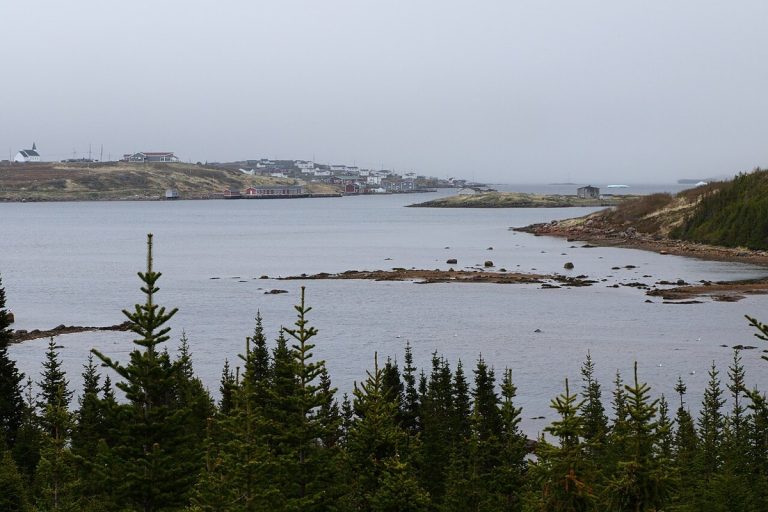
Red Bay, Newfoundland and Labrador, photographed in 2017.
CA-K241History

Red Bay, a 16th-century Basque whaling station

From the 1540s to the early 1600s, up to 2,000 Basque men and boys sailed each year from southern France and northern Spain to the Strait of Belle Isle to hunt right whales and render their blubber into oil for European markets. Red Bay, Labrador, a UNESCO World Heritage Site since 2013, is the most extensive and best-preserved whaling station of its kind.

Factual accuracy review: No recorded challenge

Contributor: Citizen.ca

Verified against cited sourcesVerified on 2026-10-26↗
Photo: Cephas · Photo licence: CC BY-SA 4.0 · Credit & context
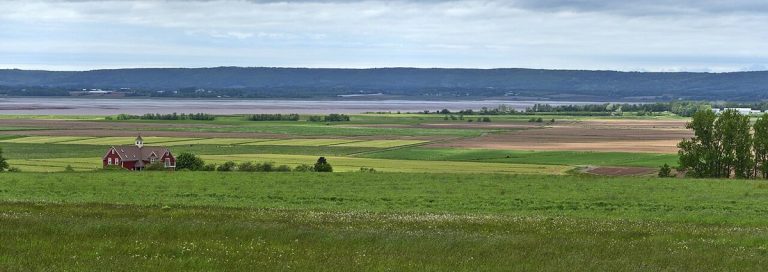
The Landscape of Grand Pré World Heritage Site, Nova Scotia, photographed in 2018.
CA-K240History

The Landscape of Grand Pré and its Acadian dykelands

The Landscape of Grand Pré in Nova Scotia, a UNESCO World Heritage Site since 2012, bears exceptional testimony to a farming settlement the Acadians created in the 17th century beside some of the world’s highest tides. They reclaimed land from the sea with dykes, aboiteaux and drainage, under a community-based management system still in use today.

Factual accuracy review: No recorded challenge

Contributor: Citizen.ca

Verified against cited sourcesVerified on 2026-10-26↗
Photo: Mykola Swarnyk · Photo licence: CC BY-SA 3.0 · Credit & context
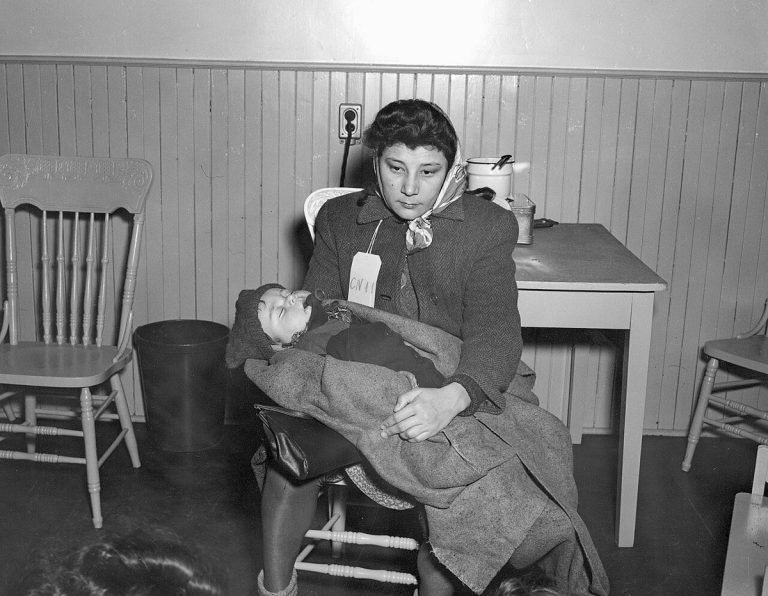
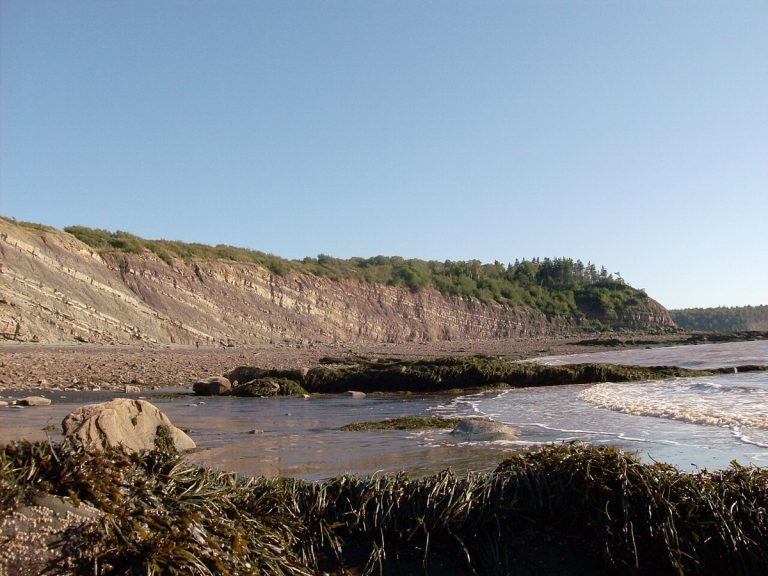
The Joggins Fossil Cliffs near Joggins, Nova Scotia, photographed in 2010.
CA-K239Places & geography

Joggins Fossil Cliffs, the “Coal Age Galápagos”

About 300 million years ago, the eastern shore of Chignecto Bay, on the Bay of Fundy, was a tropical wetland forest near the equator. The Joggins Fossil Cliffs in Nova Scotia, a UNESCO World Heritage Site since 2008, hold the best and most complete known fossil record of land life in the “Coal Age,” including the first reptiles in Earth’s history.

Factual accuracy review: No recorded challenge

Contributor: Citizen.ca

Verified against cited sourcesVerified on 2026-10-26↗
Photo: Gorob · Photo licence: CC BY-SA 3.0 · Credit & context
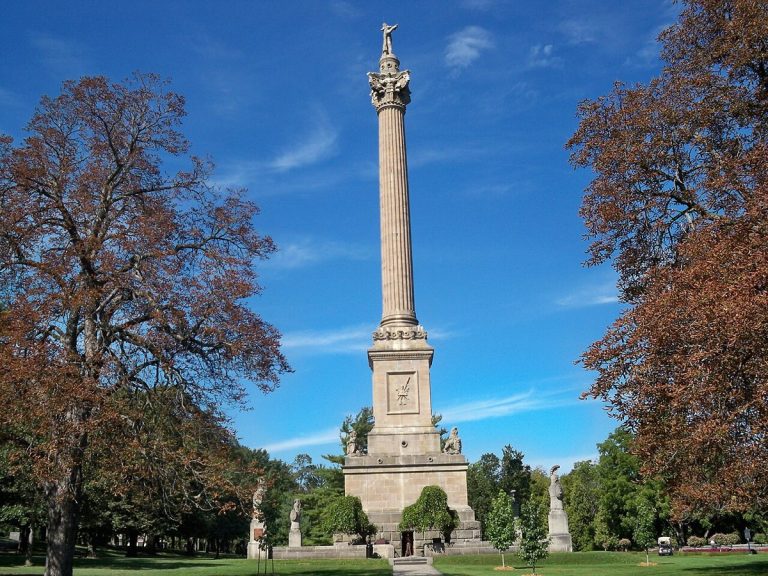
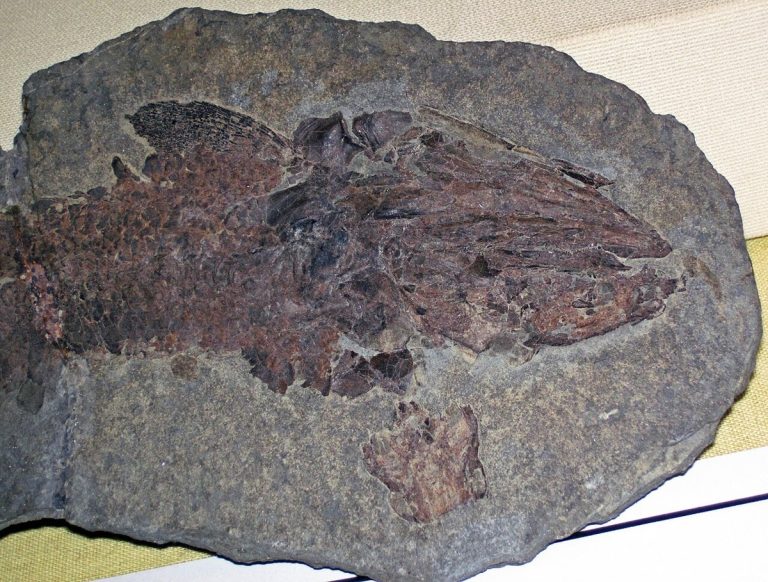
A fossil of the lobe-finned fish Eusthenopteron foordi from the Devonian of the Gaspé Peninsula, photographed in 2017.
CA-K238Places & geography

Miguasha and the “Age of Fishes”

Miguasha National Park, on Quebec’s Gaspé Peninsula, preserves fossils from about 370 million years ago, when the coast was a tropical estuary. A UNESCO World Heritage Site since 1999, it is described as the world’s most outstanding fossil site for illustrating the Devonian “Age of Fishes,” including lobe-finned fish linked to the evolution of four-limbed animals.

Factual accuracy review: No recorded challenge

Contributor: Citizen.ca

Verified against cited sourcesVerified on 2026-10-26↗
Photo: James St. John · Photo licence: CC BY 2.0 · Credit & context
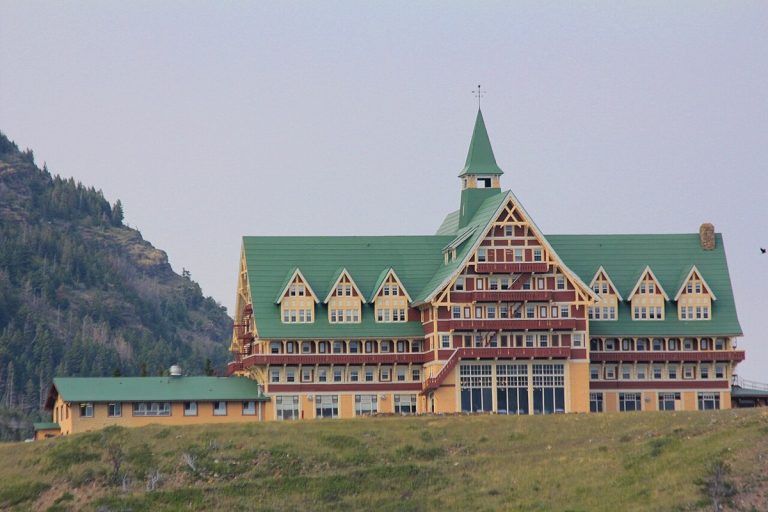
The Prince of Wales Hotel in Waterton Lakes National Park, Alberta, photographed in 2013.
CA-K237Places & geography

Waterton-Glacier, the world’s first international peace park

In 1931, the Rotary Clubs of Alberta and Montana proposed uniting Waterton Lakes National Park in Alberta and Glacier National Park in Montana as the Waterton-Glacier International Peace Park, the first such park in the world. It was meant to promote peace and goodwill between nations and to underline the international nature of wilderness; it became a UNESCO World Heritage Site in 1995.

Factual accuracy review: No recorded challenge

Contributor: Citizen.ca

Verified against cited sourcesVerified on 2026-10-26↗
Photo: Royalbroil · Photo licence: CC BY-SA 3.0 · Credit & context
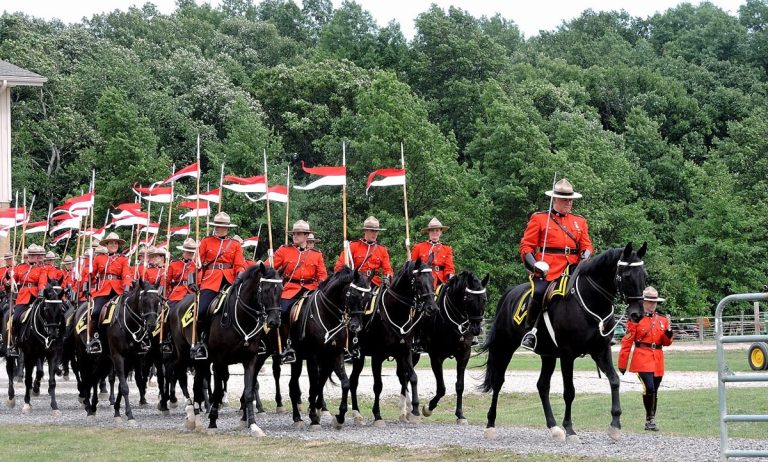
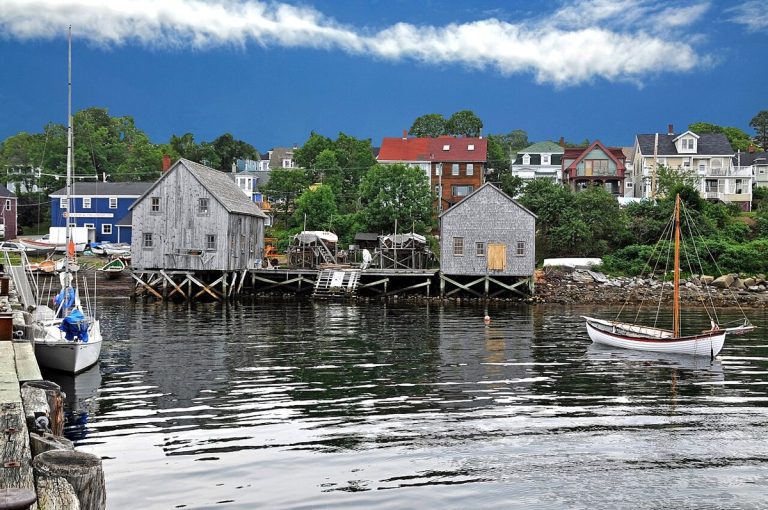
Part of the Lunenburg waterfront, Nova Scotia, photographed in 2011.
CA-K236History

Old Town Lunenburg, a British colonial model town

Old Town Lunenburg, on Nova Scotia’s south coast, is the best surviving example of the British colonial policy of founding settlements on a pre-designed “model town” plan, with straight streets and square corners. Of at least 21 North American settlements laid out this way, none survives in such pristine condition; it became a UNESCO World Heritage Site in 1995.

Factual accuracy review: No recorded challenge

Contributor: Citizen.ca

Verified against cited sourcesVerified on 2026-10-26↗
Photo: Dennis G. Jarvis · Photo licence: CC BY-SA 2.0 · Credit & context
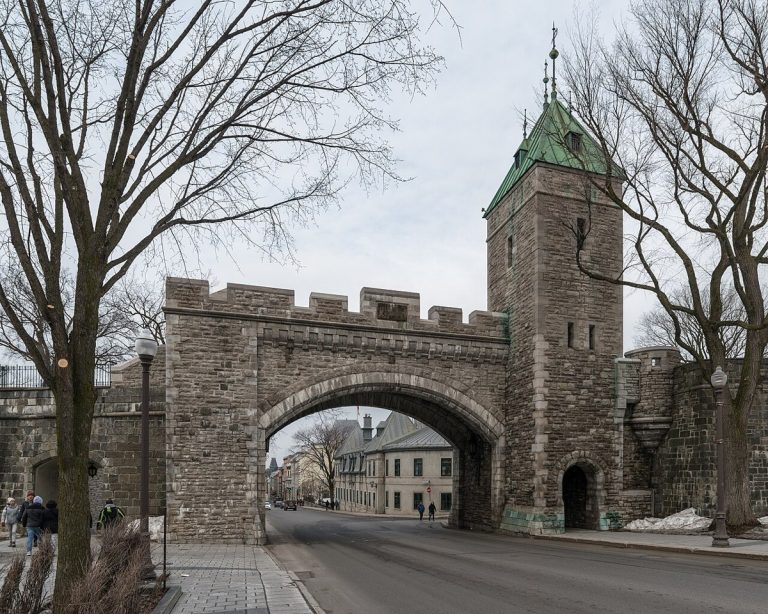
Porte Saint-Louis, a gate in the walls of Old Québec, photographed in 2017.
CA-K235History

Old Québec, a walled city

The Historic District of Old Québec, a UNESCO World Heritage Site since 1985, covers 135 hectares, and close to half its buildings were built before 1850. Québec has retained almost all its fortifications, a defining feature of the historic district.

Factual accuracy review: No recorded challenge

Contributor: Citizen.ca

Verified against cited sourcesVerified on 2026-10-26↗
Photo: DXR · Photo licence: CC BY-SA 4.0 · Credit & context
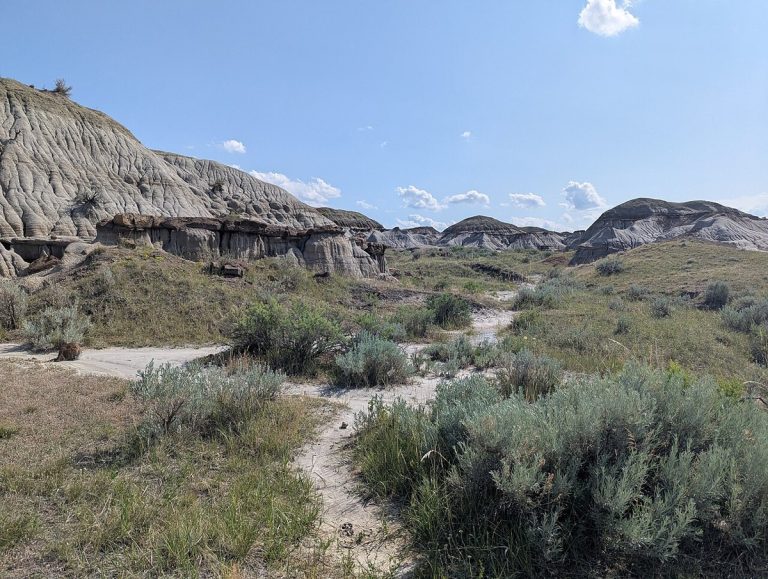
The badlands of Dinosaur Provincial Park, Alberta, photographed in 2025.
CA-K234Places & geography

Dinosaur Provincial Park’s Cretaceous fossils

Dinosaur Provincial Park in eastern Alberta, a UNESCO World Heritage Site since 1979, preserves fossils from about 75 million years ago, when the area was a coastal plain where about 35 species of dinosaur lived. Its badlands are outstanding for the number and variety of high-quality specimens representing every known group of Cretaceous dinosaurs.

Factual accuracy review: No recorded challenge

Contributor: Citizen.ca

Verified against cited sourcesVerified on 2026-10-26↗
Photo: Hirgax · Photo licence: CC BY-SA 4.0 · Credit & context
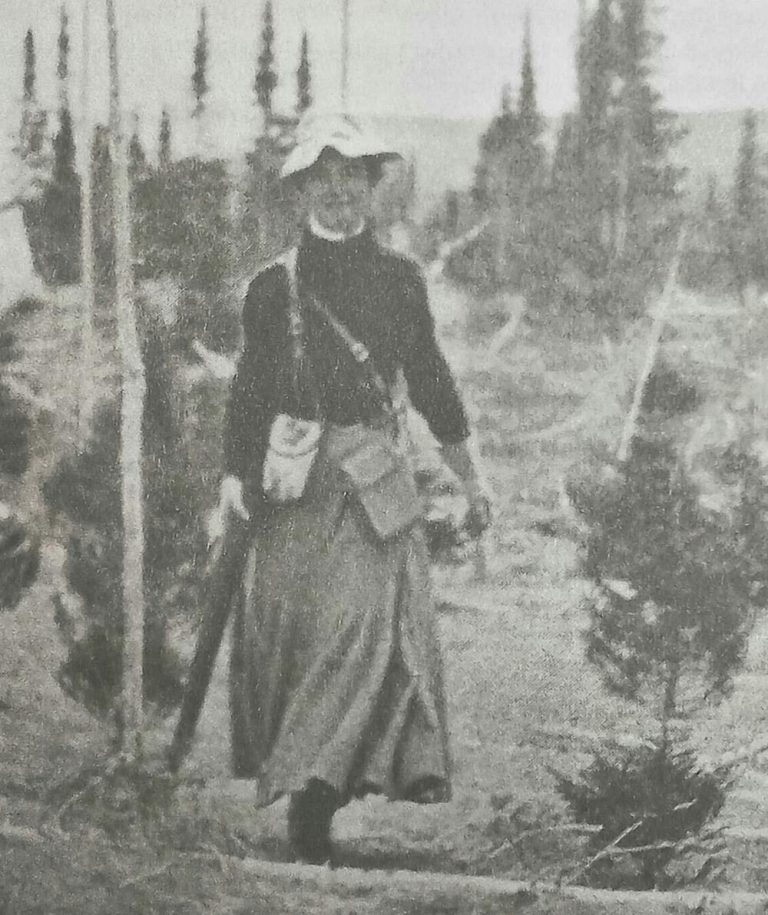
Mina Hubbard in northern Labrador in 1905.
CA-K233Places & geography

Mina Hubbard mapped Labrador in 1905

In 1905, explorer and surveyor Mina Hubbard (1870–1956) led an expedition across Labrador, travelling 900 kilometres from North West River to Ungava Bay. Her continuous latitude measurements established the positions of the Naskaupi and George rivers, and her map was immediately recognized by the American and British geographical societies.

Factual accuracy review: No recorded challenge

Contributor: Citizen.ca

Verified against cited sourcesVerified on 2026-10-26↗
Photo: Unknown authorUnknown author · Photo licence: Public domain · Credit & context
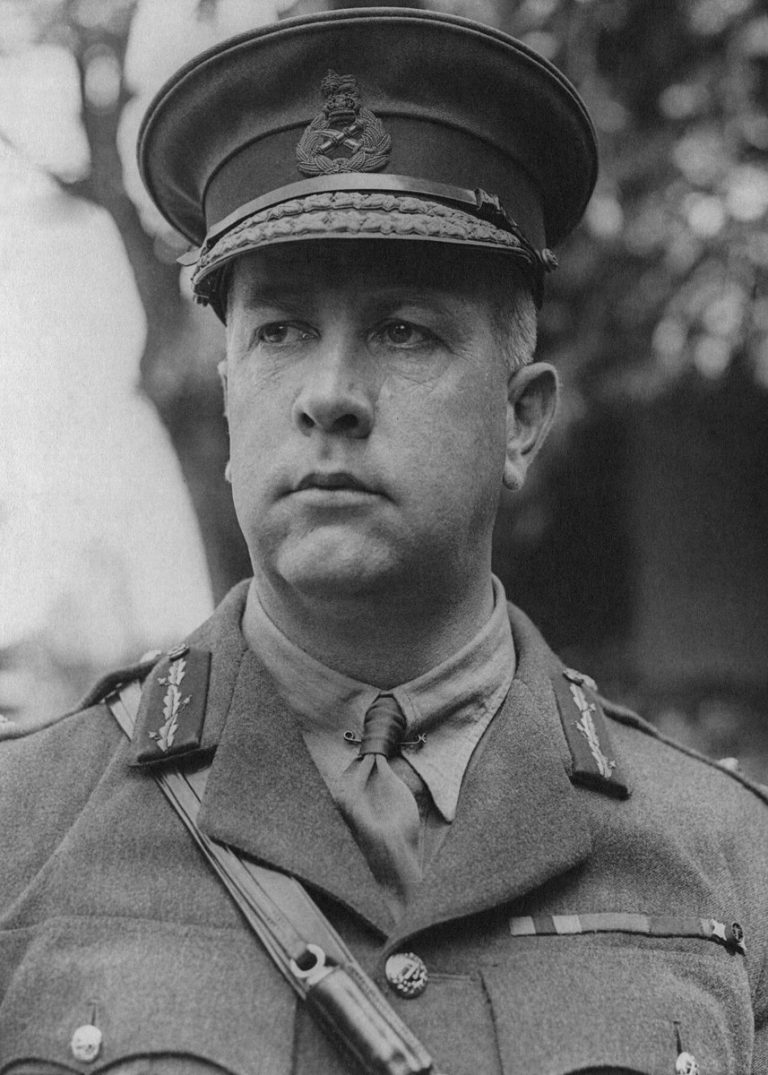
General Currie, commander of the Canadian troops in France, in June 1917.
CA-K232History

Sir Arthur Currie, commander of the Canadian Corps

Sir Arthur Currie (1875–1933), who trained with the militia at Fort Rodd Hill in Victoria, commanded one of Canada’s first overseas infantry brigades in the First World War. Promoted to lieutenant-general after Vimy Ridge, he became commander of the entire Canadian Corps, the first and only Canadian to hold that position, and after the war served as principal of McGill University.

Factual accuracy review: No recorded challenge

Contributor: Citizen.ca

Verified against cited sourcesVerified on 2026-10-26↗
Photo: Unknown photographer · Photo licence: Public domain · Credit & context