An independent Canadian knowledge project

Focused and Verified

Canadian knowledge base

Search by keyword

Choose one keyword, or combine two. Broader keywords include their descendants.

Keywords: Time periods

Clear search
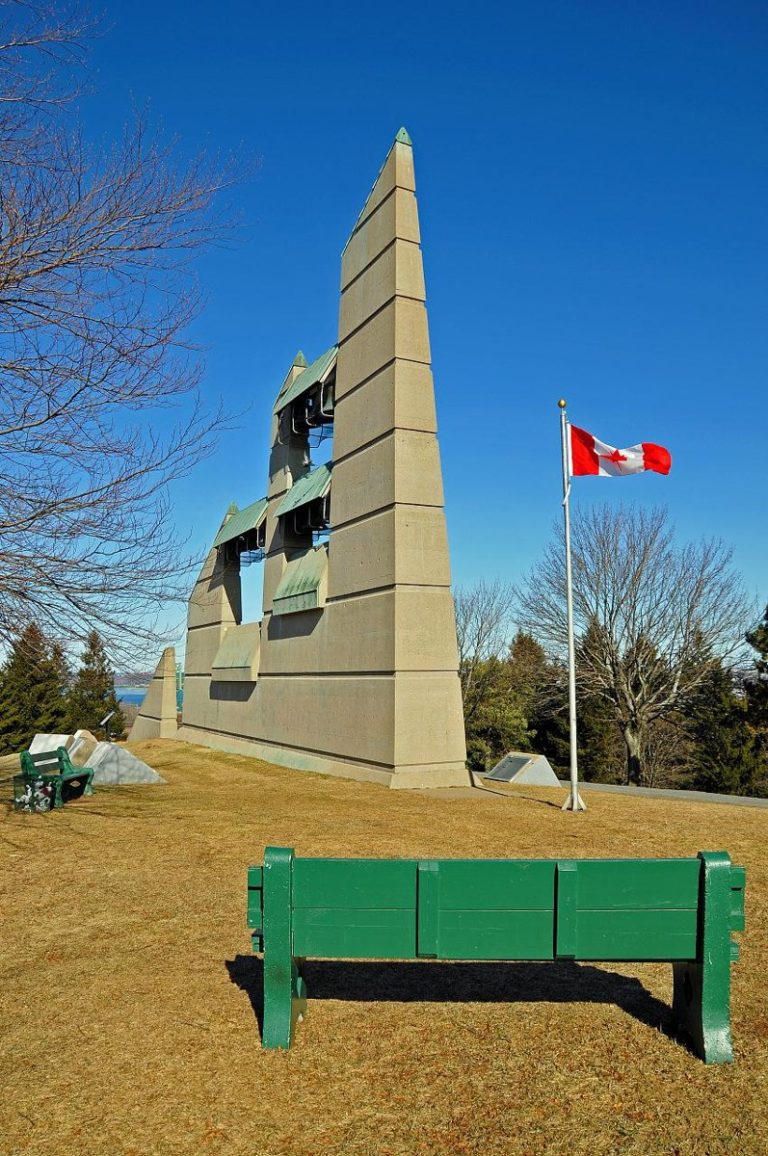
The Halifax Explosion Memorial Bell Tower at Fort Needham, photographed in 2008.
CA-K100History

The Halifax Explosion: 6 December 1917

On 6 December 1917, SS Mont-Blanc, which was carrying explosives, collided with SS Imo in Halifax Harbour. The resulting explosion, tidal wave and fires killed some 2,000 people. Parks Canada describes it as the largest human-made explosion before the atomic bomb.

Factual accuracy review: No recorded challenge

Contributor: Citizen.ca

Verified against cited sourcesVerified on 2026-10-26↗
Photo: Dennis G. Jarvis · Photo licence: CC BY-SA 2.0 · Credit & context

A polar bear near Churchill, Manitoba, in 2014; the animal on the coin’s reverse, not a photograph of the coin.
CA-K099Economy & trade

The two-dollar note became the toonie in 1996

In 1996, Canada’s two-dollar paper note was replaced by a coin as a cost-saving measure: a two-dollar note lasted about a year, while coins can last more than 10 years. The coin, known as the toonie, has carried a polar bear by nature artist Brent Townsend since 1996.

Factual accuracy review: No recorded challenge

Contributor: Citizen.ca

Verified against cited sourcesVerified on 2026-10-26↗
Photo: TravelingOtter from Houston, Texas, USA · Photo licence: CC BY 2.0 · Credit & context
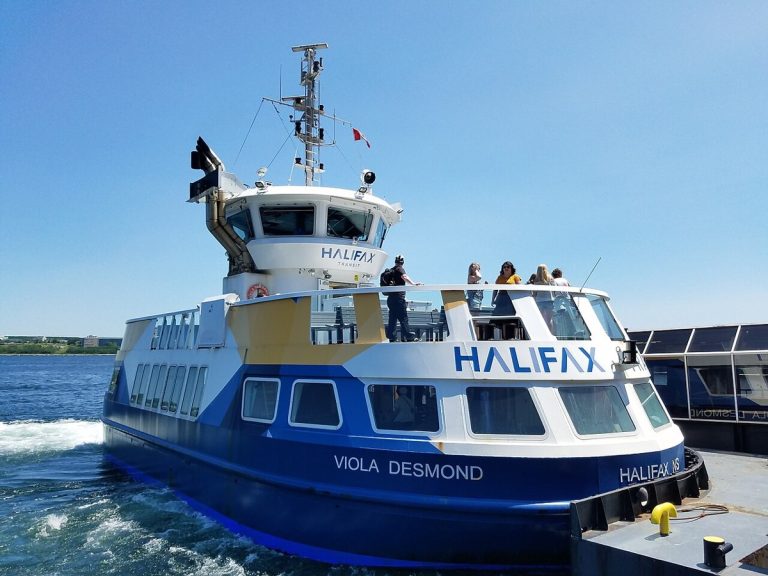
The Halifax harbour ferry named Viola Desmond, photographed in 2019; it does not show Desmond or the bank note.
CA-K098History

Viola Desmond and the vertical $10 note

In 1946, Viola Desmond, a successful Nova Scotia businesswoman, refused to leave a whites-only area of a movie theatre; her court case inspired the pursuit of racial equality across Canada. In 2018 she appeared on Canada’s first vertical bank note, the $10 note.

Factual accuracy review: No recorded challenge

Contributor: Citizen.ca

Verified against cited sourcesVerified on 2026-10-26↗
Photo: Colin Stepney · Photo licence: CC BY-SA 4.0 · Credit & context
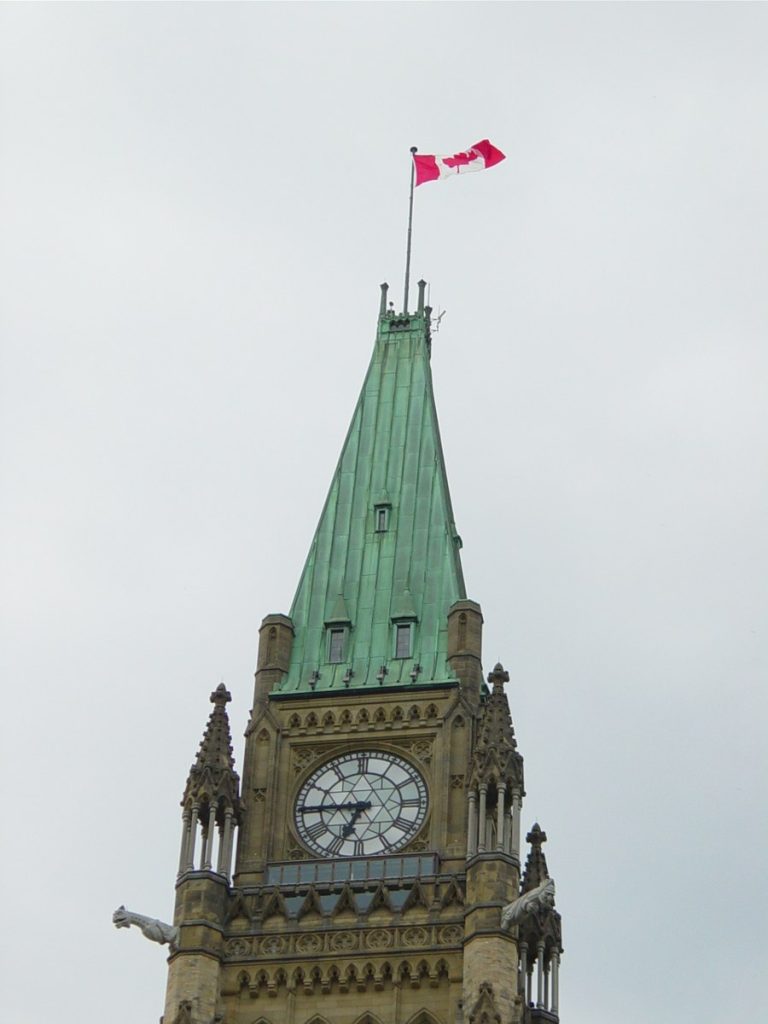
The national flag flying above the Peace Tower, Ottawa, in 2003.
CA-K096Symbols

Red and white: national colours by common use

It was long believed that King George V’s 1921 proclamation of Canada’s coat of arms designated red and white as the national colours, but the proclamation contains no such declaration. Canadian Heritage notes that red and white are not set in law as national colours but have become part of national identity through common use.

Factual accuracy review: No recorded challenge

Contributor: Citizen.ca

Verified against cited sourcesVerified on 2026-10-26↗
Photo: Sikander Iqbal · Photo licence: CC BY-SA 4.0 · Credit & context
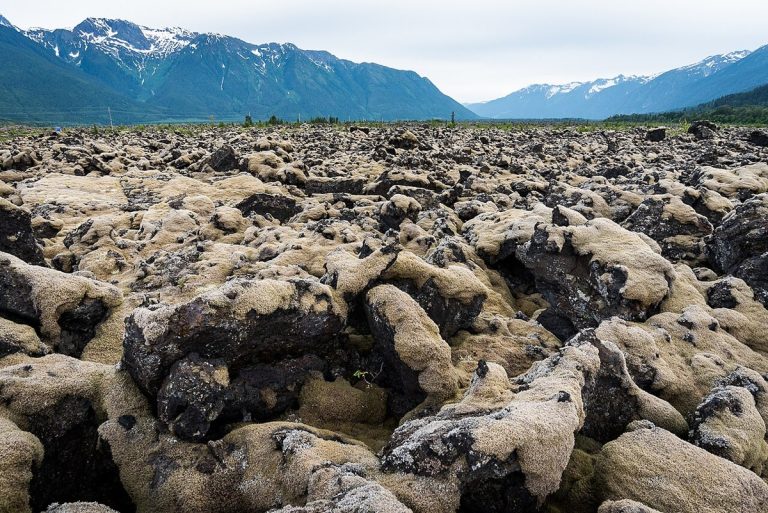
Lava beds in the Nass Valley, British Columbia, photographed in 2017; a landscape in the region, not a depiction of the treaty.
CA-K095Indigenous peoples & reconciliation

The Nisg̱a’a Treaty took effect on 11 May 2000

The Nisg̱a’a Treaty, British Columbia’s first modern treaty, took effect on 11 May 2000. It recognizes about 2,000 square kilometres of Nisg̱a’a Lands and was the first treaty in British Columbia to provide constitutional certainty for self-government.

Factual accuracy review: No recorded challenge

Contributor: Citizen.ca

Verified against cited sourcesVerified on 2026-10-26↗
Photo: Darren Kirby · Photo licence: CC BY-SA 2.0 · Credit & context
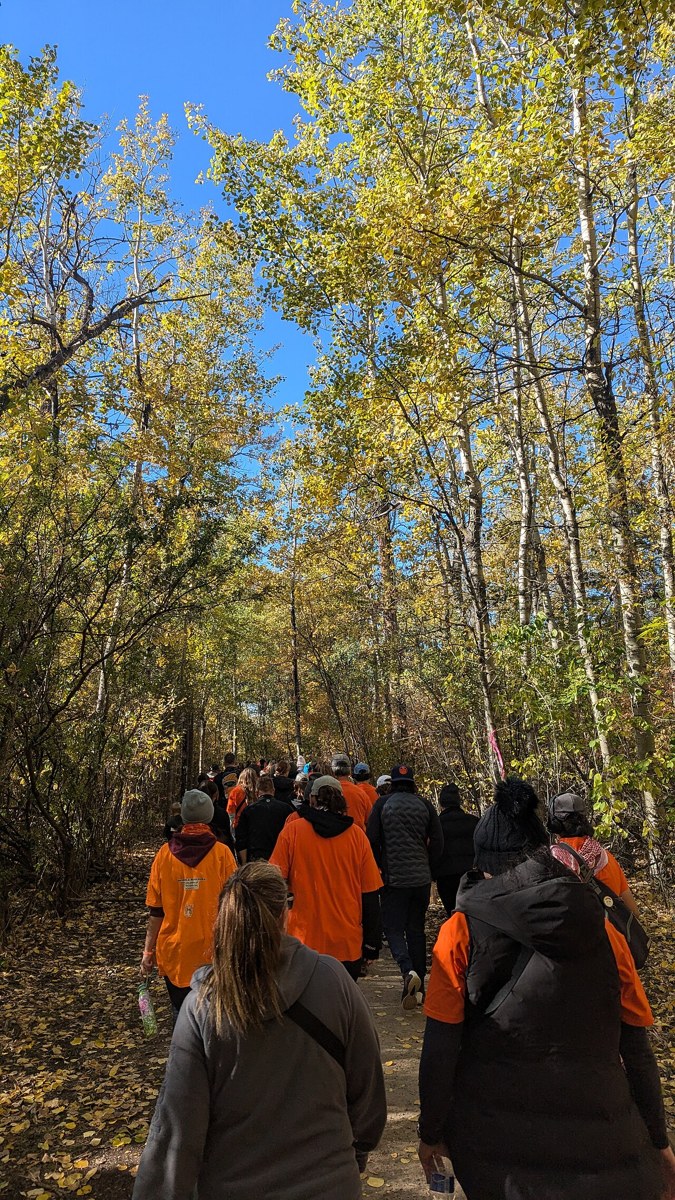
An Orange Shirt Day walk in Edmonton, Alberta, on 30 September 2024.
CA-K094Indigenous peoples & reconciliation

National Day for Truth and Reconciliation: 30 September

The National Day for Truth and Reconciliation is observed each year on 30 September, honouring Residential School Survivors, their families and communities. It became a federal statutory holiday through Bill C-5, which received royal assent on 3 June 2021; Orange Shirt Day, which began in Williams Lake, British Columbia, in 2013, is observed the same day.

Factual accuracy review: No recorded challenge

Contributor: Citizen.ca

Verified against cited sourcesVerified on 2026-10-26↗
Photo: Joli Rumi · Photo licence: CC BY-SA 4.0 · Credit & context
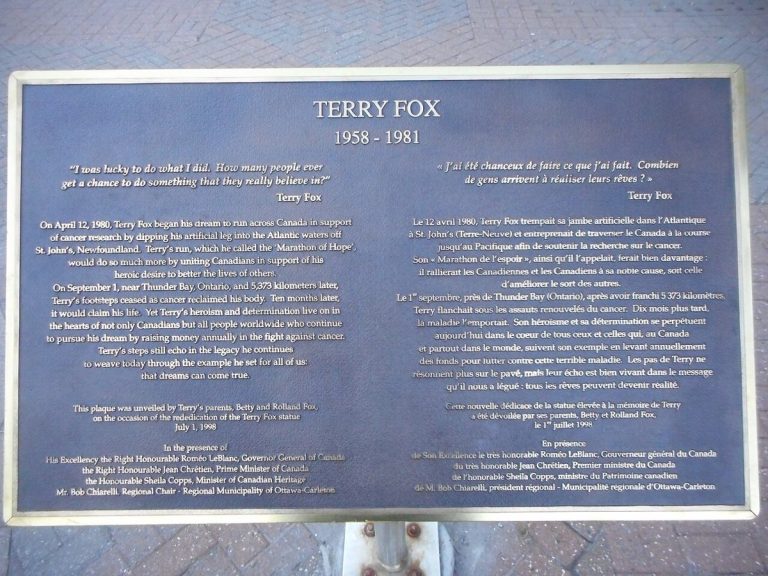
A commemorative plaque at the Terry Fox monument on Wellington Street, Ottawa, photographed in 2016.
CA-K088Culture & sport

Terry Fox’s Marathon of Hope, 1980

Terry Fox began his Marathon of Hope, a cross-Canada run to raise money for cancer research, by dipping his artificial leg in the Atlantic Ocean on 12 April 1980. After 143 days and 5,373 kilometres, he was forced to stop outside Thunder Bay, Ontario, on 1 September 1980 because cancer had appeared in his lungs.

Factual accuracy review: No recorded challenge

Contributor: Citizen.ca

Verified against cited sourcesVerified on 2026-10-26↗
Photo: Jeangagnon · Photo licence: CC BY-SA 4.0 · Credit & context
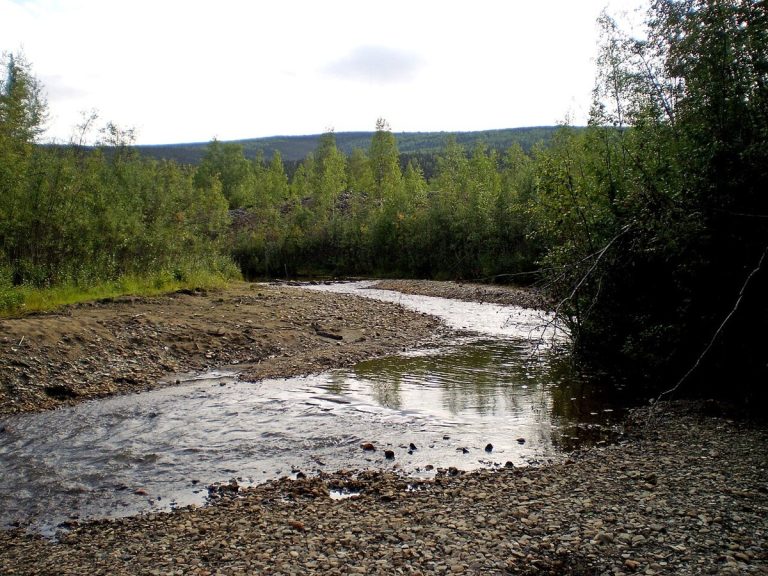
Discovery Claim on Bonanza Creek, photographed in August 2009; the site today, not an 1896 image.
CA-K082History

Gold found on Bonanza Creek, 16 August 1896

Gold was discovered at Discovery Claim on Bonanza Creek, Yukon, on 16 August 1896, triggering the Klondike Gold Rush. Accounts vary, but Parks Canada notes it is generally held that Keish (Skookum Jim Mason) of the Tagish First Nation discovered the gold.

Factual accuracy review: No recorded challenge

Contributor: Citizen.ca

Verified against cited sourcesVerified on 2026-10-26↗
Photo: JKBrooks85 · Photo licence: Public domain · Credit & context
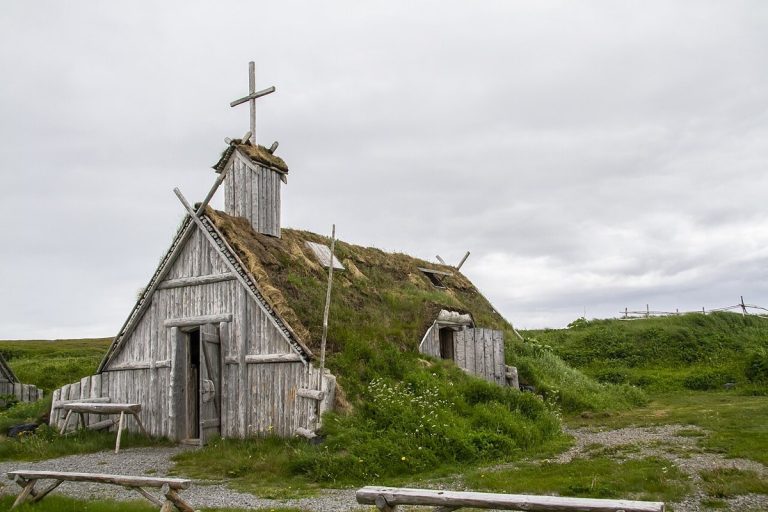
Reconstructed sod buildings at L’Anse aux Meadows, photographed in 2012; modern reconstructions, not the original remains.
CA-K081History

L’Anse aux Meadows: Norse presence over 1,000 years ago

L’Anse aux Meadows, at the tip of Newfoundland’s Great Northern Peninsula, holds the first known evidence of European presence in the Americas. Norse expeditions from Greenland built a small timber-and-sod encampment there over 1,000 years ago; the site was declared a UNESCO World Heritage Site in 1978.

Factual accuracy review: No recorded challenge

Contributor: Citizen.ca

Verified against cited sourcesVerified on 2026-10-26↗
Photo: Pierre Gingras · Photo licence: CC BY-SA 4.0 · Credit & context
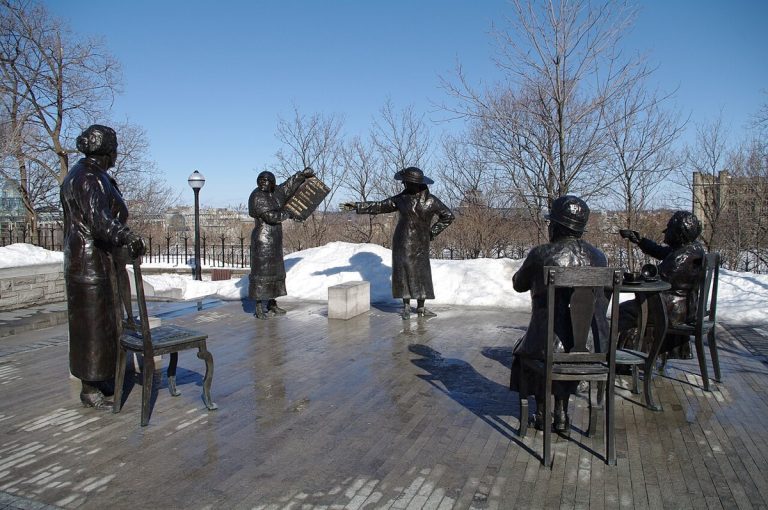
The “Women Are Persons!” monument on Parliament Hill, Ottawa, honouring the five women; a modern sculpture photographed in 2009, not a historical image.
CA-K077History

The Persons Case: 18 October 1929

On 18 October 1929, the Judicial Committee of the Privy Council ruled that women were “persons” under section 24 of the British North America Act, 1867, and therefore eligible for appointment to the Senate. The appeal followed a 1928 Supreme Court of Canada decision and a campaign by five Alberta women: Emily Murphy, Henrietta Muir Edwards, Louise McKinney, Nellie McClung and Irene Parlby.

Factual accuracy review: No recorded challenge

Contributor: Citizen.ca

Verified against cited sourcesVerified on 2026-10-26↗
Photo: John.B.Codrington · Photo licence: CC BY-SA 4.0 · Credit & context
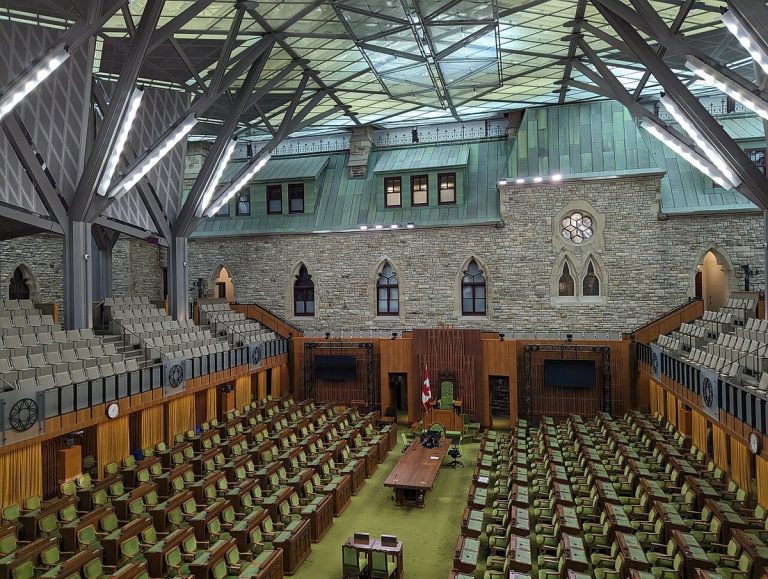
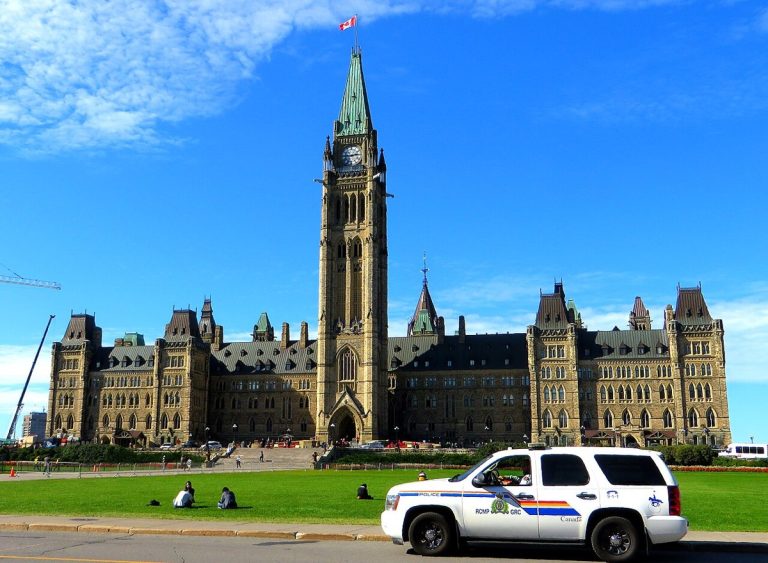
The Centre Block on Parliament Hill, Ottawa, photographed in 2016; a general image of the federal Parliament, not of the Equalization program.
CA-K070Economy & trade

Equalization addresses fiscal disparities among provinces

Equalization is the Government of Canada’s transfer program for addressing fiscal disparities among provinces. It began in 1957, its payments are unconditional, and section 36(2) of the Constitution Act, 1982 commits Parliament and the Government of Canada to the principle of making equalization payments.

Factual accuracy review: No recorded challenge

Contributor: Citizen.ca

Verified against cited sourcesVerified on 2026-10-26↗
Photo: Ken Lund from Reno, Nevada, USA · Photo licence: CC BY-SA 2.0 · Credit & context
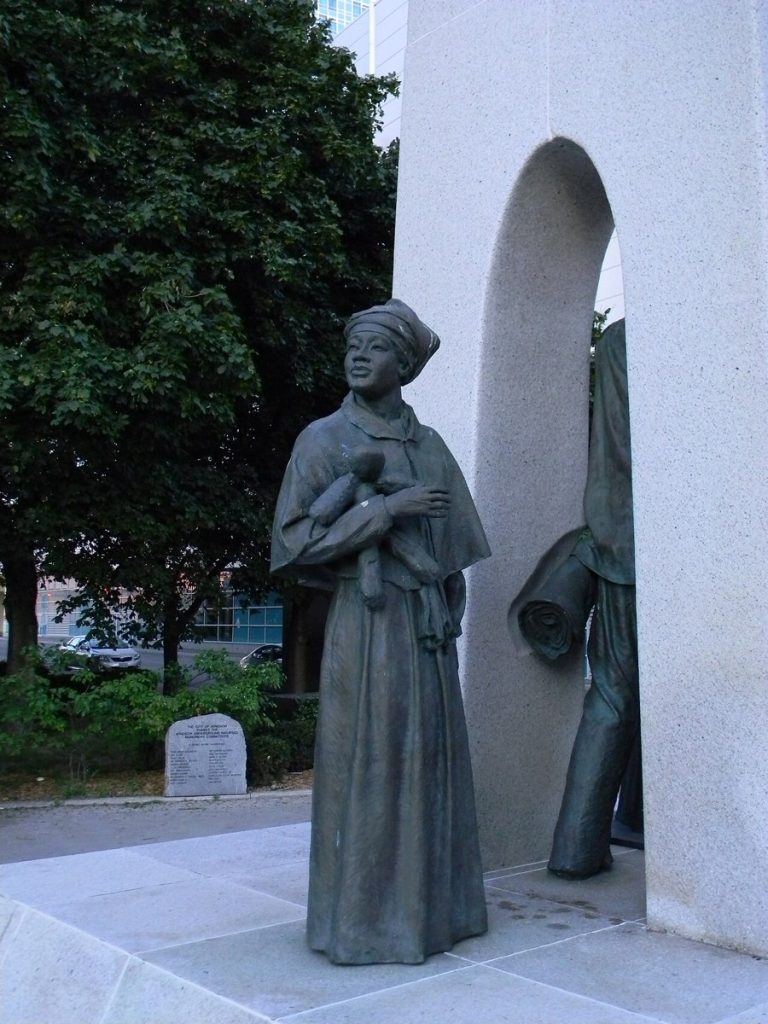
The Underground Railroad monument in Windsor, Ontario, photographed in 2011.
CA-K065History

The Underground Railroad brought freedom-seekers to Canada

From the early 19th century until the American Civil War, settlements along the Detroit and Niagara rivers were important terminals of the Underground Railroad, a network of Black and white abolitionists helping African Americans find freedom. By 1861, some 30,000 freedom-seekers lived in what is now Ontario.

Factual accuracy review: No recorded challenge

Contributor: Citizen.ca

Verified against cited sourcesVerified on 2026-10-26↗
Photo: M. Readey · Photo licence: CC BY-SA 3.0 · Credit & context