An independent Canadian knowledge project

Focused and Verified

Canadian knowledge base

Search by keyword

Choose one keyword, or combine two. Broader keywords include their descendants.

Keywords: Record types

Clear search
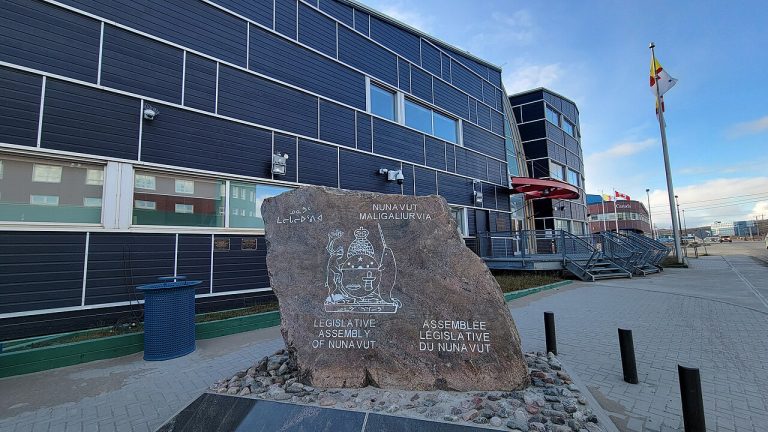
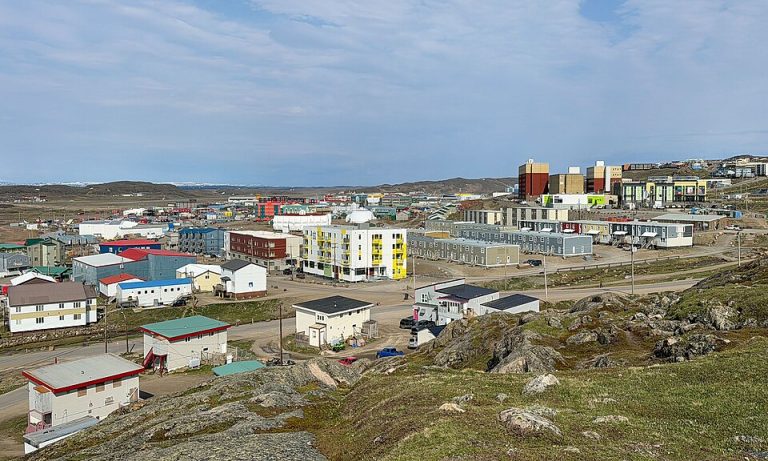
A modern view of Iqaluit, Nunavut; one place within Inuit Nunangat, not a map of all Inuktut dialects.
CA-K048Indigenous peoples & reconciliation

Inuktut includes a rich diversity of dialects

Inuktut is spoken in different dialects across Inuit Nunangat. Inuit Tapiriit Kanatami’s regional overview includes Inuvialuktun, Inuinnaqtun, Inuktitut and Inuttitut, reflecting linguistic diversity within the Inuit homeland.

Factual accuracy review: No recorded challenge

Contributor: Citizen.ca

Verified against cited sourcesVerified on 2026-10-26↗
Photo: Quintin Soloviev · Photo licence: CC BY 4.0 · Credit & context
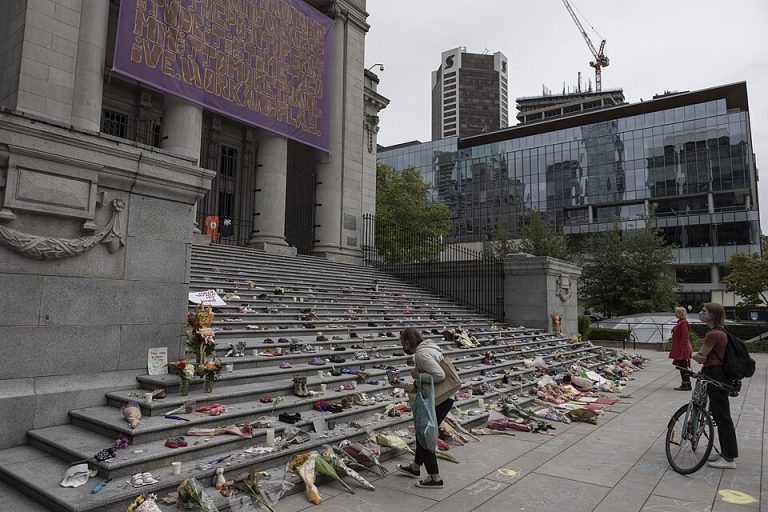
A residential-school memorial in Vancouver on 30 May 2021; an illustration of commemoration, not the NCTR building or its archival collection.
CA-K032Indigenous peoples & reconciliation

The NCTR preserves the TRC’s records

The National Centre for Truth and Reconciliation officially opened in 2015. Statements, documents and other materials gathered by the Truth and Reconciliation Commission became a central part of its work of preserving residential school history.

Factual accuracy review: No recorded challenge

Contributor: Citizen.ca

Verified against cited sourcesVerified on 2026-10-26↗
Photo: GoToVan · Photo licence: CC BY 2.0 · Credit & context
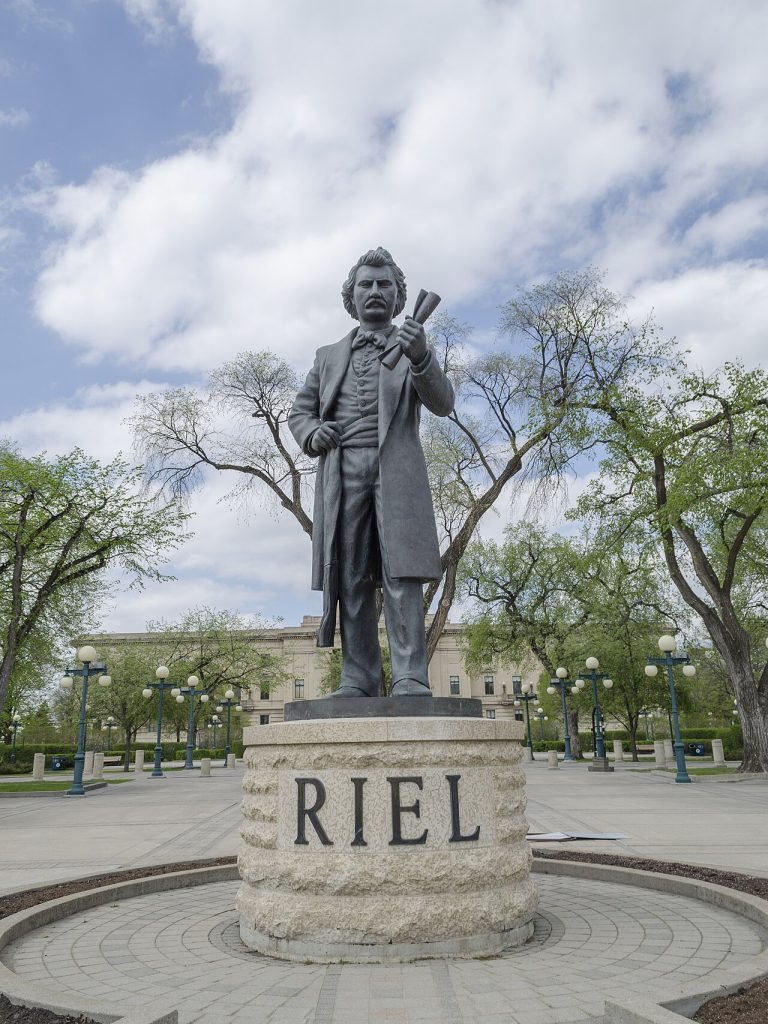
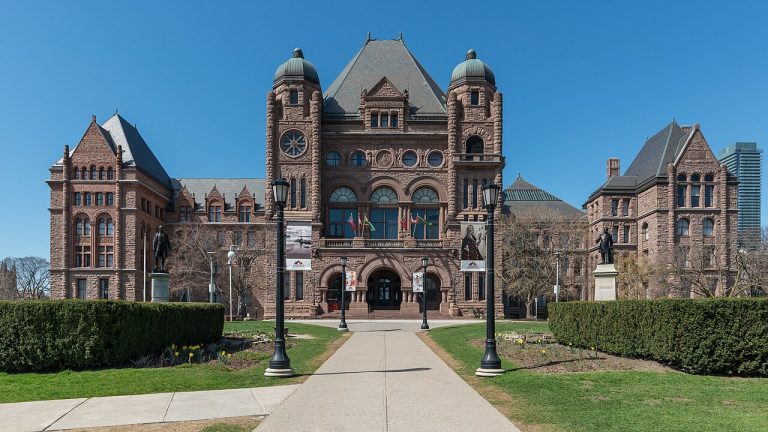
A modern statue of Louis Riel at the Manitoba Legislative Grounds in Winnipeg; not a photograph of the Convention of Forty in 1870.
CA-K031Indigenous peoples & reconciliation

The Convention of Forty at Red River

In 1870, representatives of the English- and French-speaking Red River communities met in the Convention of Forty and agreed on demands to present to Ottawa. The convention declared a provisional government with Louis Riel as president.

Factual accuracy review: No recorded challenge

Contributor: Citizen.ca

Verified against cited sourcesVerified on 2026-10-26↗
Photo: Jay Friesen · Photo licence: CC BY-SA 4.0 · Credit & context
A residential-school memorial in Vancouver on 30 May 2021; an act of commemoration, not a historical residential-school scene.
CA-K029Indigenous peoples & reconciliation

The residential school system

The National Centre for Truth and Reconciliation reports that more than 150,000 children attended Indian Residential Schools. The system separated Indigenous children from their families and cultures and caused lasting harm.

Factual accuracy review: No recorded challenge

Contributor: Citizen.ca

Verified against cited sourcesVerified on 2026-10-26↗
Photo: GoToVan · Photo licence: CC BY 2.0 · Credit & context
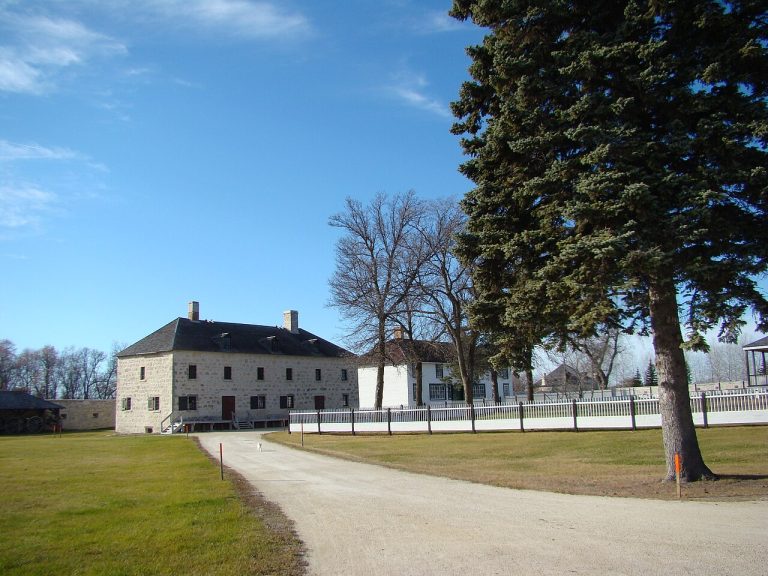
A modern view of Lower Fort Garry, where Treaty 1 was concluded in 1871; not a photograph of the signing or an illustration of every treaty.
CA-K028Indigenous peoples & reconciliation

Treaties as continuing relationships

Treaties establish continuing rights and obligations between Indigenous signatories and the Crown. Historic and modern agreements form part of Canada’s treaty relationships; their particular terms and circumstances differ.

Factual accuracy review: No recorded challenge

Contributor: Citizen.ca

Verified against cited sourcesVerified on 2026-10-26↗
Photo: Shahnoor Habib Munmun · Photo licence: CC BY 3.0 · Credit & context