
An independent Canadian knowledge project

Focused and Verified

Canadian knowledge base

Search by keyword

Choose one keyword, or combine two. Broader keywords include their descendants.

Keywords: Events and historical processes

Clear search
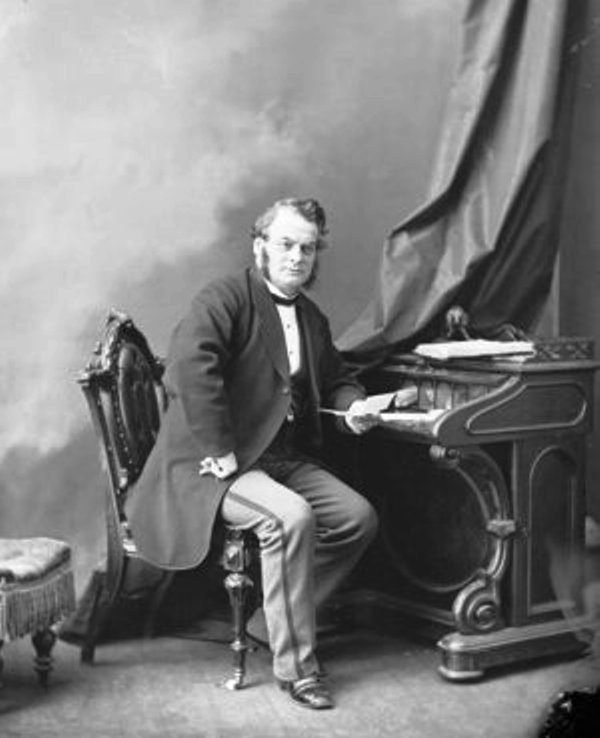
Samuel Leonard Tilley, February 1869 (Topley Studio).
CA-K568History

Sir Leonard Tilley, New Brunswick Father of Confederation

Samuel Leonard Tilley of Gagetown led New Brunswick’s government and was a delegate to the Charlottetown, Québec and London conferences, an architect of the British North America Act and leader of the province’s pro-Confederation forces. As federal Minister of Finance he drafted the National Policy, and he twice served as lieutenant-governor of New Brunswick.

Factual accuracy review: No recorded challenge

Contributor: Citizen.ca

Verified against cited sourcesVerified on 2026-10-26↗
Photo: William James Topley · Photo licence: Public domain · Credit & context
Josef Oleskiw, 1895.
CA-K567History

Josef Oleskiw and Ukrainian settlement on the Prairies

Josef Oleskiw (Olesków), a Ukrainian agronomist concerned about his people’s economic problems, visited Canada in 1895 and assessed its farming potential. Back home he lectured, wrote about the best farmland and helped prospective settlers, setting in motion the mass immigration of Ukrainian pioneers to the Prairies and helping build an enduring Ukrainian community in Canada.

Factual accuracy review: No recorded challenge

Contributor: Citizen.ca

Verified against cited sourcesVerified on 2026-10-26↗
Photo: Unknown author · Photo licence: Public domain · Credit & context
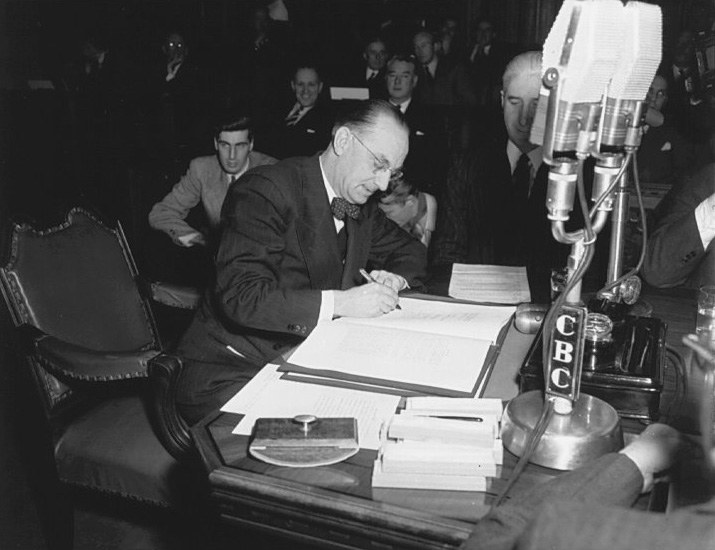
Joey Smallwood signing the agreement admitting Newfoundland into Confederation, Ottawa, December 1948 (National Film Board).
CA-K563History

Joey Smallwood, Newfoundland’s Father of Confederation

Joseph “Joey” Smallwood, born at Gambo and a journalist, labour organizer and broadcaster, played a decisive role in bringing Newfoundland into Confederation in 1949. He became a passionate advocate of union from 1946, helped negotiate the terms and dominated the referendum campaigns, then served as premier from 1949 to 1972.

Factual accuracy review: No recorded challenge

Contributor: Citizen.ca

Verified against cited sourcesVerified on 2026-10-26↗
Photo: NFB · Photo licence: Public domain · Credit & context
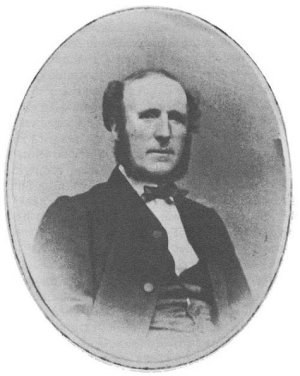
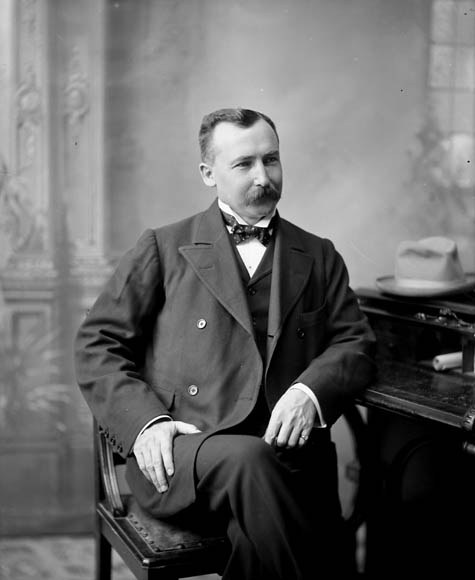
Sir Ambrose Shea (Library and Archives Canada).
CA-K521History

Sir Ambrose Shea, Newfoundland Father of Confederation

Ambrose Shea of St. John’s sat in Newfoundland’s House of Assembly almost continuously from 1848 to 1882. An advocate of union with the other British North American colonies, he was a delegate to the Québec Conference of 1864, though his pro-Confederation coalition was defeated in 1869; his career also included service as Speaker and governor of the Bahamas.

Factual accuracy review: No recorded challenge

Contributor: Citizen.ca

Verified against cited sourcesVerified on 2026-10-26↗
Photo: Unknown photographer; Library and Archives Canada · Photo licence: Public domain · Credit & context
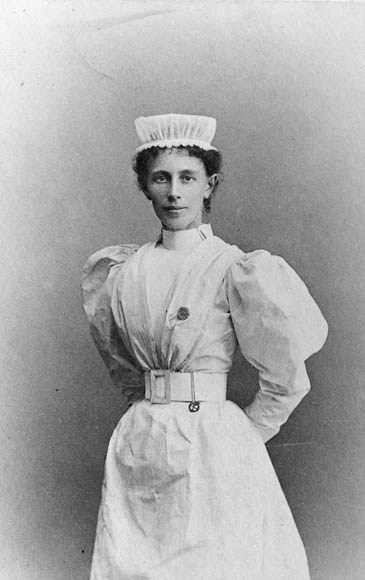
Georgina Pope, head nurse of the first Canadian contingent, around 1898.
CA-K520History

Georgina Fane Pope and Canadian military nursing

Georgina Fane Pope of Charlottetown was chosen in 1899 to lead Canada’s military nurses in the South African War and became the first Canadian to receive the Royal Red Cross. Appointed to the permanent Army Medical Corps in 1906, she became Canada’s first military nursing matron in 1908, in charge of all Canadian military nurses.

Factual accuracy review: No recorded challenge

Contributor: Citizen.ca

Verified against cited sourcesVerified on 2026-10-26↗
Photo: A.G. Pittaway · Photo licence: Public domain · Credit & context
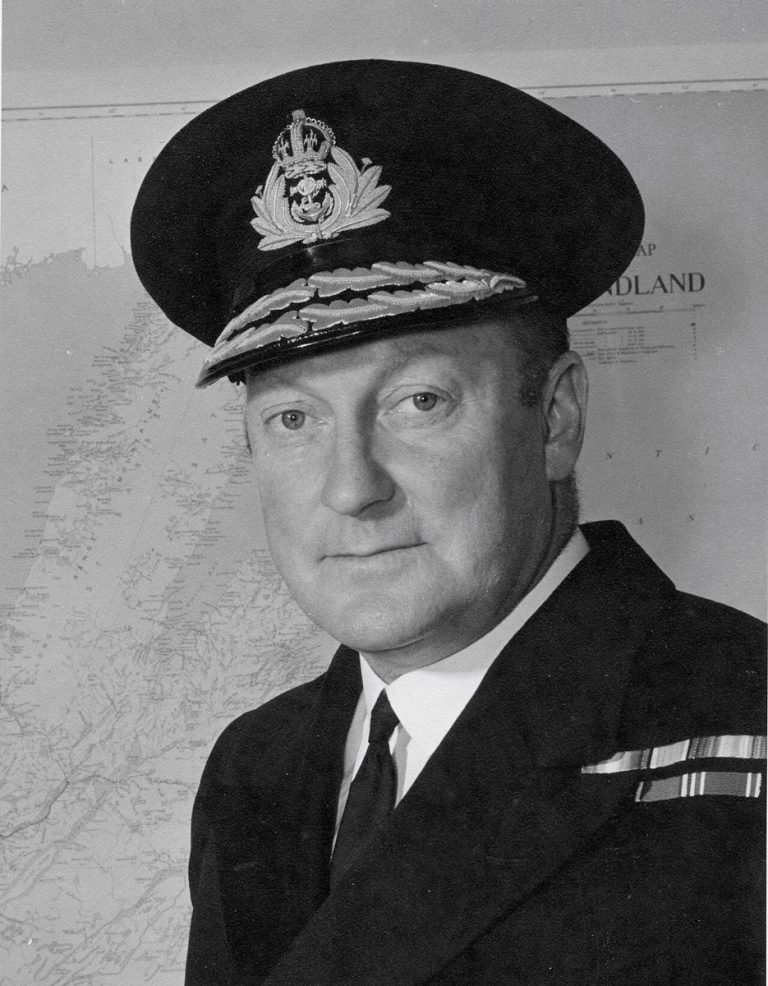
Rear Admiral Leonard Murray in 1943 (Department of National Defence).
CA-K509History

Rear Admiral Leonard Murray and the Atlantic convoys

Leonard Warren Murray of Pictou County joined the navy as a cadet in 1911. As commander of the Newfoundland Escort Force and, from 1943, Commander-in-Chief Canadian North West Atlantic, he was a principal architect of the Allies’ North Atlantic convoy system in the Second World War.

Factual accuracy review: No recorded challenge

Contributor: Citizen.ca

Verified against cited sourcesVerified on 2026-10-26↗
Photo: Unknown author · Photo licence: Public domain · Credit & context
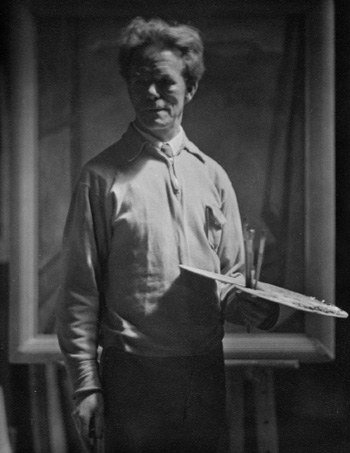
Frederick Varley, probably in Vancouver, 1927 (John Vanderpant).
CA-K484Culture & sport

Frederick Varley, painter of the Group of Seven

Frederick Varley, a founding member of the Group of Seven, helped establish a national style of painting the Canadian landscape. A masterful portraitist and an official First World War artist, he moved to teach on the West Coast in 1926, and his unconventional use of colour to convey emotion is a singular contribution to Canadian art.

Factual accuracy review: No recorded challenge

Contributor: Citizen.ca

Verified against cited sourcesVerified on 2026-10-26↗
Photo: John Vanderpant · Photo licence: Public domain · Credit & context
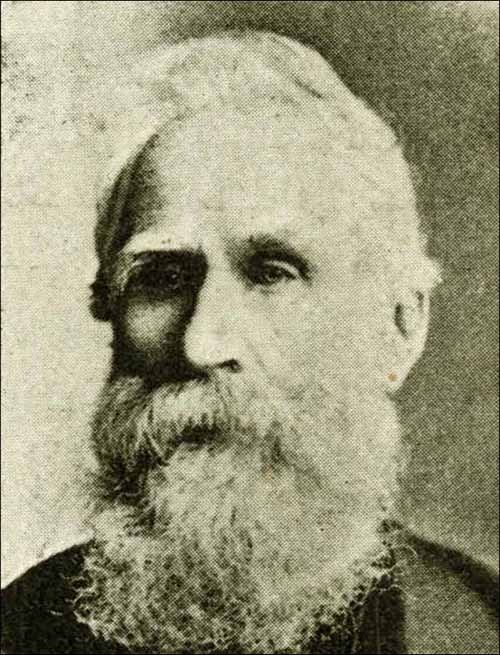
Clifford Sifton, Minister of the Interior, September 1900 (Topley Studio).
CA-K478Institutions

Clifford Sifton and settlement of the Prairies

Clifford Sifton, a lawyer, politician and principal owner of the Manitoba Free Press, was Laurier’s Minister of the Interior from 1896 to 1905. He was chiefly responsible for the plan to populate the Prairies with farmers through immigration, and earlier in the Manitoba cabinet he helped reach the compromise on the schools question.

Factual accuracy review: No recorded challenge

Contributor: Citizen.ca

Verified against cited sourcesVerified on 2026-10-26↗
Photo: William James Topley · Photo licence: Public domain · Credit & context
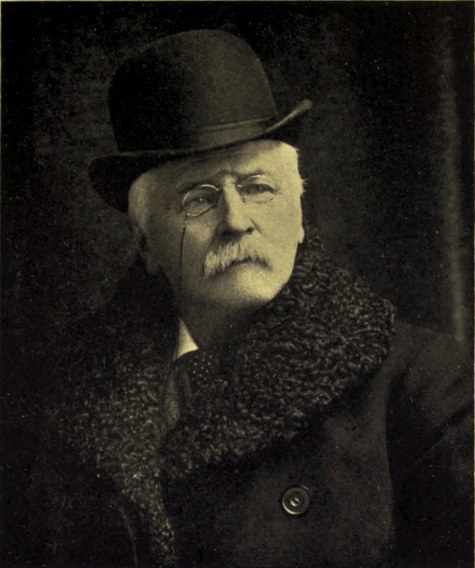
Philip Francis Little, from D. W. Prowse’s History of Newfoundland (1896).
CA-K474Institutions

Philip Francis Little, Newfoundland’s first premier

Philip Francis Little, elected to Newfoundland’s Assembly in 1850, campaigned for responsible government and united the Liberal Party behind it. In 1855 he became the colony’s first premier under responsible government, and he advanced Newfoundland’s interests through the Reciprocity Treaty with the United States.

Factual accuracy review: No recorded challenge

Contributor: Citizen.ca

Verified against cited sourcesVerified on 2026-10-26↗
Photo: Unknown author · Photo licence: Public domain · Credit & context
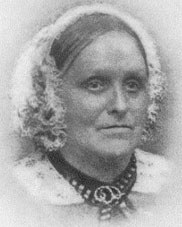
Charles Mair, portrait published in 1916.
CA-K468Culture & sport

Charles Mair, poet of Canada First

Charles Mair, born at Lanark, Upper Canada, was a journalist, poet, advocate of western expansion and an original member of the Canada First movement. A controversial figure during the Red River Resistance of 1869–1870, he later worked in business in the West and for the immigration service, and wrote works including Tecumseh and Through the Mackenzie Basin.

Factual accuracy review: No recorded challenge

Contributor: Citizen.ca

Verified against cited sourcesVerified on 2026-10-26↗
Photo: Photographer not named. · Photo licence: Public domain · Credit & context
Susanna Moodie, portrait published in 1903.
CA-K441Culture & sport

Susanna Moodie, Roughing It in the Bush

Susanna Moodie, born in England, immigrated to Upper Canada with her husband in 1832, farmed near Cobourg and in the backwoods near Rice Lake, and settled in Belleville in 1840. A leading author of the pre-Confederation period, she wrote two autobiographical books, Roughing It in the Bush (1852) and Life in the Clearings (1853), that have become Canadian classics.

Factual accuracy review: No recorded challenge

Contributor: Citizen.ca

Verified against cited sourcesVerified on 2026-10-26↗
Photo: Unknown photographer; published in H. J. Morgan, Types of Canadian Women (1903) · Photo licence: Public domain · Credit & context
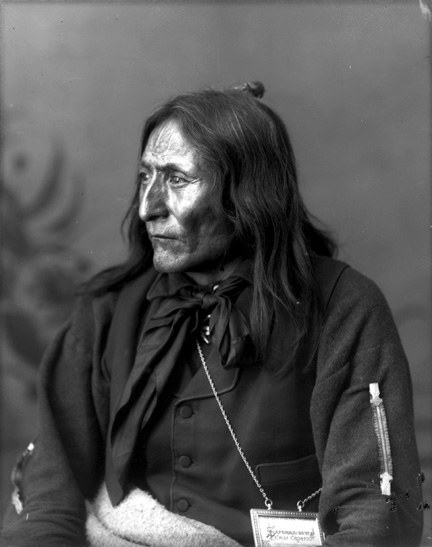
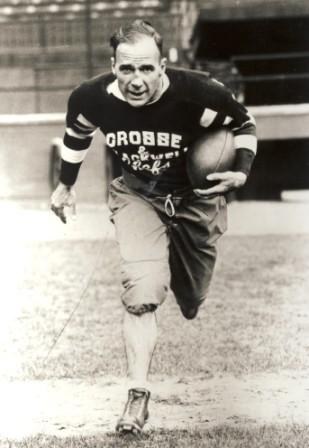
Lionel Conacher as a football player in Toronto, 1933.
CA-K430Culture & sport

Lionel Conacher, the “Big Train”

Lionel “Big Train” Conacher excelled at six professional sports and was voted Canada’s all-round male athlete of the half-century in 1950. A star of football and lacrosse who helped win the 1921 Grey Cup, he played in the National Hockey League from 1925 to 1937 on two Stanley Cup-winning teams, then was elected to the Ontario legislature and, in 1949, to the House of Commons.

Factual accuracy review: No recorded challenge

Contributor: Citizen.ca

Verified against cited sourcesVerified on 2026-10-26↗
Photo: Unknown author · Photo licence: Public domain · Credit & context
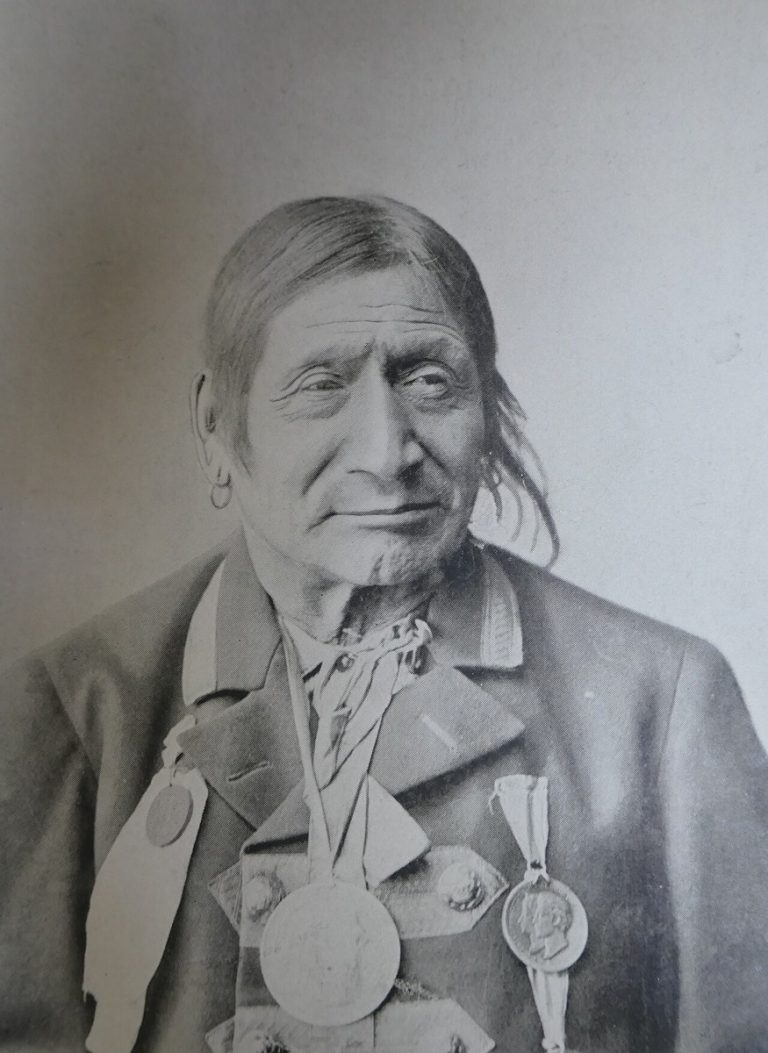
Portrait of Crowfoot, head chief of the Siksika, around 1885.
CA-K409Indigenous peoples & reconciliation

Isapo-Muxika (Crowfoot), Siksika peacemaker

Isapo-Muxika (Crowfoot), born Kainai and raised among the Siksika (Blackfoot), became a leading chief known as a warrior, orator and peacemaker. Convinced that peace served his people best, he made peace with the Plains Cree, adopting Poundmaker as his son, and persuaded the Siksika to sign Treaty 7 in 1877.

Factual accuracy review: No recorded challenge

Contributor: Citizen.ca

Verified against cited sourcesVerified on 2026-10-26↗
Photo: Alex Ross · Photo licence: Public domain · Credit & context
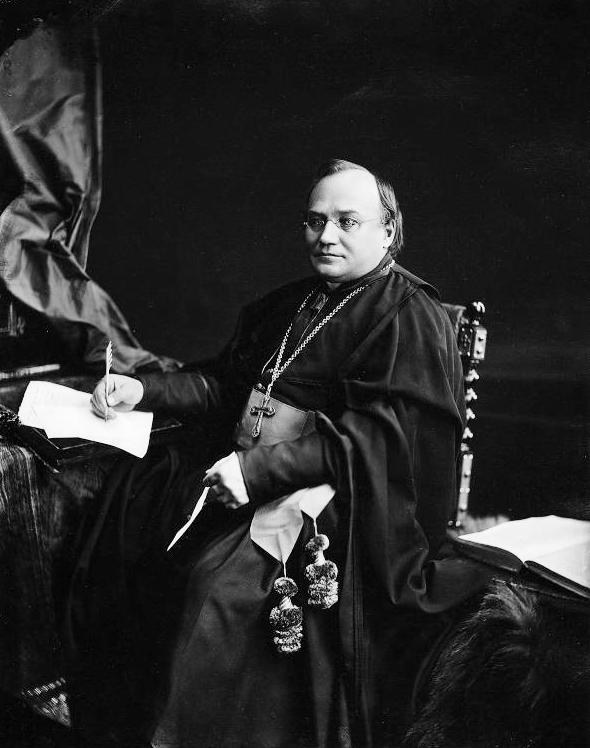
Red Crow in 1895.
CA-K405Indigenous peoples & reconciliation

Red Crow, head chief of the Kainai

Red Crow, warrior and statesman, became a head chief of the Kainai (Blood) in 1870. After first boycotting the negotiations, he signed Treaty 7 in 1877 on behalf of his people and chose the site of the Blood Reserve, the largest in Canada; his leadership helped the Kainai keep their proud and independent spirit.

Factual accuracy review: No recorded challenge

Contributor: Citizen.ca

Verified against cited sourcesVerified on 2026-10-26↗
Photo: Unknown author · Photo licence: Public domain · Credit & context
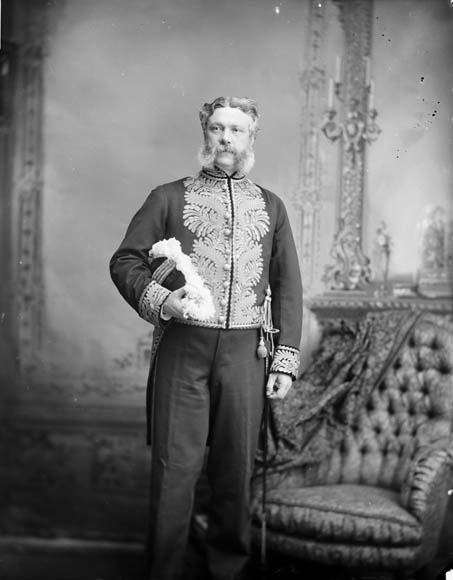
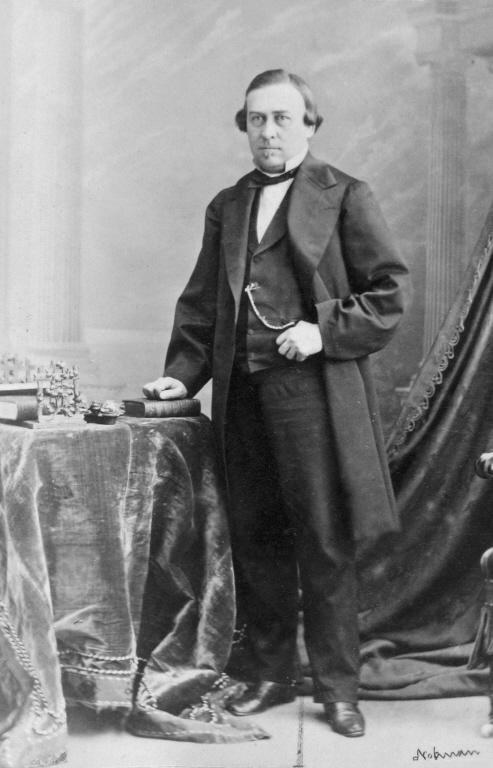
Archbishop Alexandre-Antonin Taché in 1873 (William Notman).
CA-K401Language & names

Archbishop Taché and French education in Manitoba

Alexandre-Antonin Taché, Bishop and then Archbishop of St. Boniface from 1853 to 1894, was the foremost Catholic leader in the West and oversaw missions, day schools and residential schools that sought to convert and assimilate Indigenous Peoples. He helped secure Catholic and French education rights in the Manitoba Act of 1870 and fought in vain to restore them after they were eroded from 1890.

Factual accuracy review: No recorded challenge

Contributor: Citizen.ca

Verified against cited sourcesVerified on 2026-10-26↗
Photo: William Notman · Photo licence: Public domain · Credit & context
Lieutenant-Governor Edgar Dewdney, April 1883 (Topley Studio).
CA-K400Indigenous peoples & reconciliation

Edgar Dewdney and Indigenous policy on the Prairies

As Indian Commissioner (1879–1888) and Lieutenant-Governor of the North-West Territories, Edgar Dewdney withheld rations from starving First Nations until they settled on government-selected reserves, causing malnutrition, disease and death. After 1885 he helped impose the extralegal pass system and helped shape the residential school system, with devastating consequences for Indigenous children, families and communities.

Factual accuracy review: No recorded challenge

Contributor: Citizen.ca

Verified against cited sourcesVerified on 2026-10-26↗
Photo: Topley Studio / Library and Archives Canada / PA-027070 · Photo licence: Public domain · Credit & context
Hector-Louis Langevin in Montréal, 1865 (William Notman).
CA-K399Institutions

Sir Hector-Louis Langevin, Confederation and residential schools

Sir Hector-Louis Langevin, a Father of Confederation, attended all three conferences leading to 1867, helped draft the 72 Resolutions and led the Quebec Conservatives for nearly two decades. As Minister of Public Works, he called in 1883 for Indigenous children to be removed from their homes for assimilation and announced three industrial schools in the Northwest, part of the residential school system’s devastating expansion.

Factual accuracy review: No recorded challenge

Contributor: Citizen.ca

Verified against cited sourcesVerified on 2026-10-26↗
Photo: William Notman · Photo licence: Public domain · Credit & context
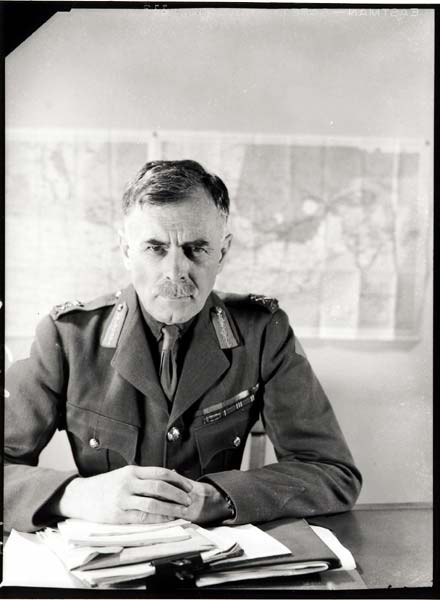
Lieutenant-General A. G. L. McNaughton in March 1942 (Department of National Defence).
CA-K387History

A. G. L. McNaughton, soldier and scientist

A. G. L. McNaughton (1887–1966), born in Moosomin in today’s Saskatchewan, played a notable role in Canadian life as a scientist, soldier, politician and diplomat. He served as an artillery officer in the First World War, co-invented the forerunner of radar, led the National Research Council, and represented Canada in senior diplomatic roles after the Second World War.

Factual accuracy review: No recorded challenge

Contributor: Citizen.ca

Verified against cited sourcesVerified on 2026-10-26↗
Photo: Unknown author · Photo licence: Public domain · Credit & context
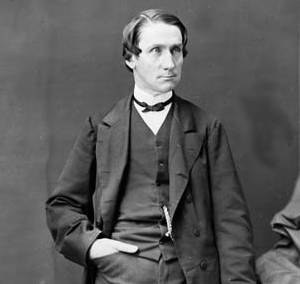
Alexander Morris in Ottawa, December 1869 (Topley Studio).
CA-K386Indigenous peoples & reconciliation

Alexander Morris and the Numbered Treaties

Alexander Morris, a supporter of Confederation and lieutenant-governor of Manitoba and the North-West Territories, negotiated Treaties 3, 4, 5 and 6 with First Nations from 1873 to 1876. First Nations sought a reciprocal relationship that safeguarded their autonomy, while Canada’s main goal was territorial expansion for settlers; Morris pressed the government to keep its spoken promises.

Factual accuracy review: No recorded challenge

Contributor: Citizen.ca

Verified against cited sourcesVerified on 2026-10-26↗
Photo: William James Topley · Photo licence: Public domain · Credit & context
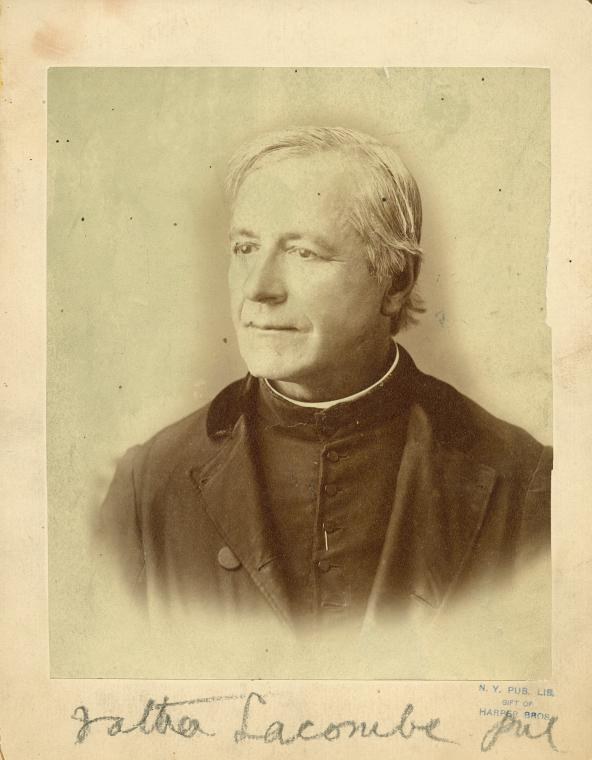
Father Albert Lacombe, photographed before 1916.
CA-K385Indigenous peoples & reconciliation

Father Albert Lacombe, missionary in the West

From 1852, Oblate priest Albert Lacombe spent over 60 years seeking to convert Indigenous Peoples in western Canada to Christianity, founding missions such as St. Albert with Métis and Cree help and acting as a go-between during Treaty 8 talks. He was the first principal of the High River Industrial School in 1884–1885 and advocated separating children from their families and suppressing Indigenous languages.

Factual accuracy review: No recorded challenge

Contributor: Citizen.ca

Verified against cited sourcesVerified on 2026-10-26↗
Photo: Unknown author · Photo licence: Public domain · Credit & context
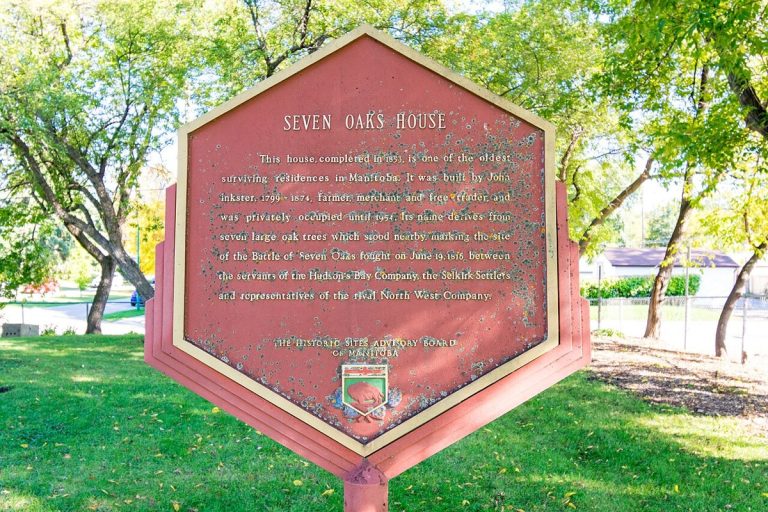
A historical plaque at Seven Oaks House Museum in Winnipeg, Manitoba, photographed in 2017.
CA-K376Indigenous peoples & reconciliation

Seven Oaks House and the Inkster family of Red River

Seven Oaks House in Winnipeg, in the Métis homeland and on Treaty 1 territory, includes a cabin of about 1831 built in Red River frame style and a Georgian house of 1851–1853. Home to the Scottish and Métis Inkster family, it shows the centrality of Métis families in the Red River community and the shift from the fur trade to farming and town life.

Factual accuracy review: No recorded challenge

Contributor: Citizen.ca

Verified against cited sourcesVerified on 2026-10-26↗
Photo: Jessica Losorata · Photo licence: CC BY-SA 4.0 · Credit & context
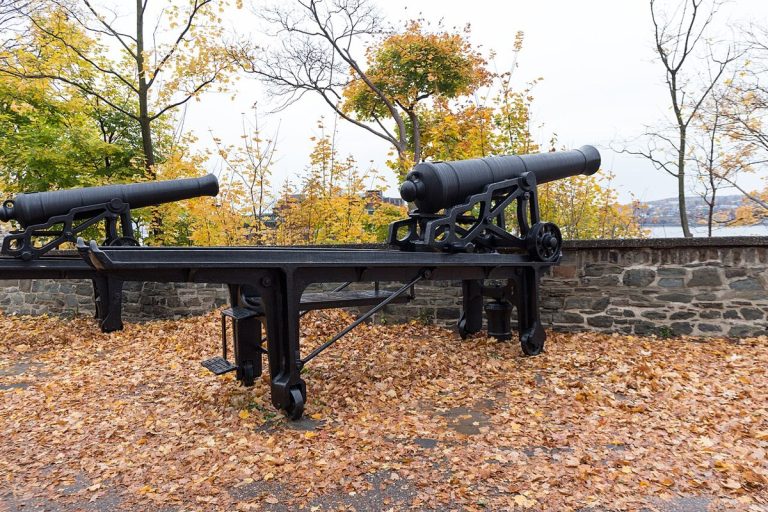
Montmorency Park in Québec City, photographed in 2024.
CA-K369Institutions

Montmorency Park, where parliaments met in Québec

For nearly a century, Montmorency Park in Québec City was where the legislators of Lower Canada, the Province of Canada and the Province of Quebec met. The Québec Conference of 1864 drafted its 72 resolutions for Confederation here. After fire destroyed the Parliament Building in 1883, the site became a public park ten years later.

Factual accuracy review: No recorded challenge

Contributor: Citizen.ca

Verified against cited sourcesVerified on 2026-10-26↗
Photo: Pymouss · Photo licence: CC BY-SA 4.0 · Credit & context
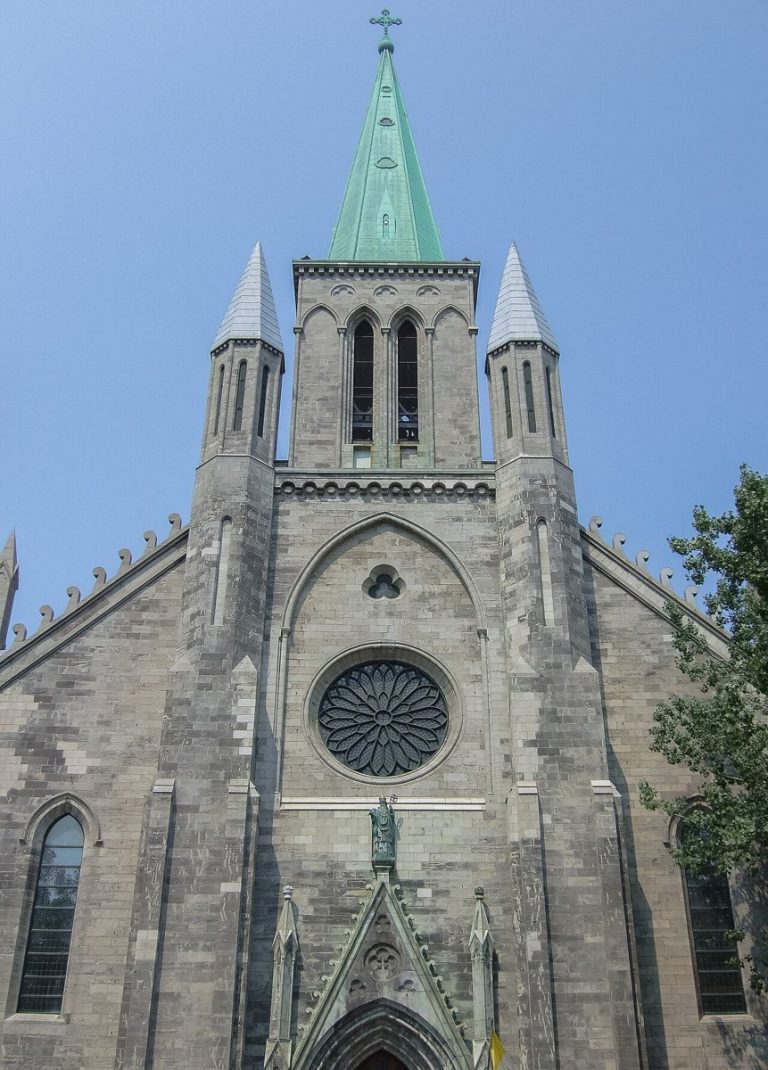
St. Patrick’s Basilica in Montréal, photographed in 2007.
CA-K358History

St. Patrick’s Basilica, Montréal

St. Patrick’s Basilica in Montréal, built from 1843 to 1847 as the parish church of the city’s growing Irish population, is a fine example of French Gothic Revival architecture. Its clergy cared for Irish immigrants during an epidemic soon after it opened, and it remains the heart of Montréal’s Irish community.

Factual accuracy review: No recorded challenge

Contributor: Citizen.ca

Verified against cited sourcesVerified on 2026-10-26↗
Photo: Diego Delso · Photo licence: CC BY-SA 4.0 · Credit & context
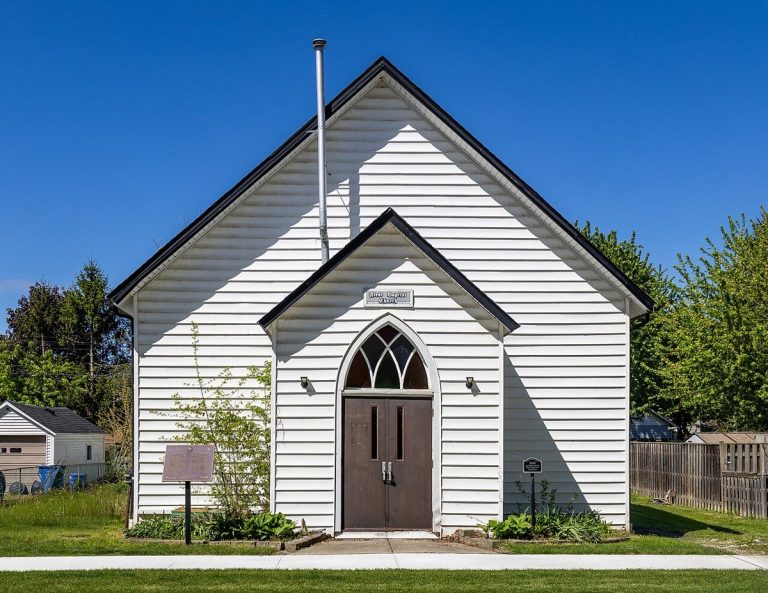
Amherstburg First Baptist Church in Amherstburg, Ontario, photographed in 2026.
CA-K348History

Amherstburg First Baptist Church

Amherstburg First Baptist Church, in Ontario, was a principal Underground Railroad-related Black church and a spiritual home for thousands of Black Baptists. As Mother Church of the Amherstburg Regular Missionary Baptist Association, it played a crucial role in developing Black communities and identity in Ontario.

Factual accuracy review: No recorded challenge

Contributor: Citizen.ca

Verified against cited sourcesVerified on 2026-10-26↗
Photo: Chris Woodrich · Photo licence: CC BY-SA 4.0 · Credit & context