An independent Canadian knowledge project

Focused and Verified

Canadian knowledge base

Search by keyword

Choose one keyword, or combine two. Broader keywords include their descendants.

For citizenship preparation, use these records alongside the official Discover Canada guide. Check current officeholders and local information separately. This is an independent study collection.

Keywords: Citizenship Test

Clear search
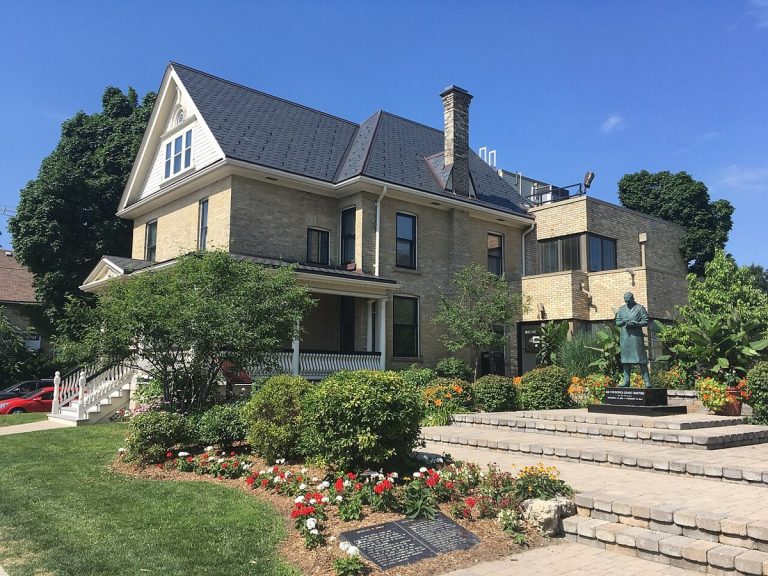
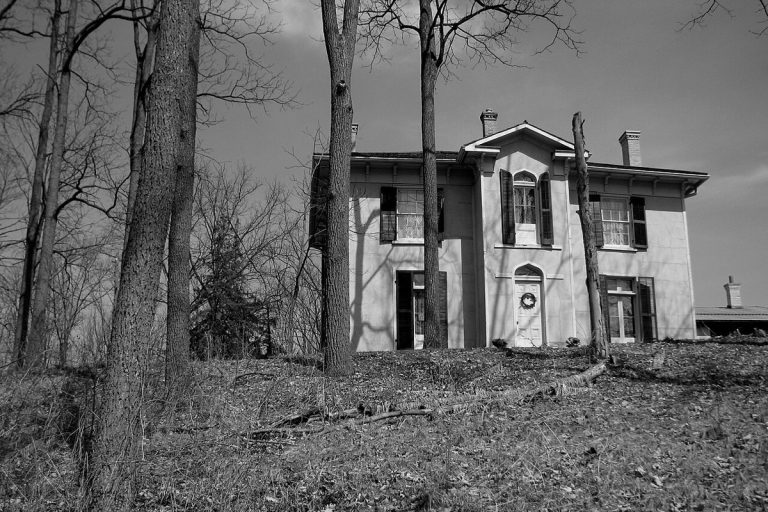
Chiefswood, Johnson’s birthplace on the Six Nations of the Grand River, Ontario, photographed in 2008.
CA-K139Indigenous peoples & reconciliation

E. Pauline Johnson, Mohawk poet and performer

E. Pauline Johnson (1861–1913), born at Chiefswood on the Six Nations of the Grand River, was the daughter of a Mohawk chief. Beginning in the 1890s she published poems, essays and stories and performed them on stages across Canada and abroad, gaining international fame.

Factual accuracy review: No recorded challenge

Contributor: Citizen.ca

Verified against cited sourcesVerified on 2026-10-26↗
Photo: Steve Colwill from Ottawa, Canada · Photo licence: CC BY 2.0 · Credit & context
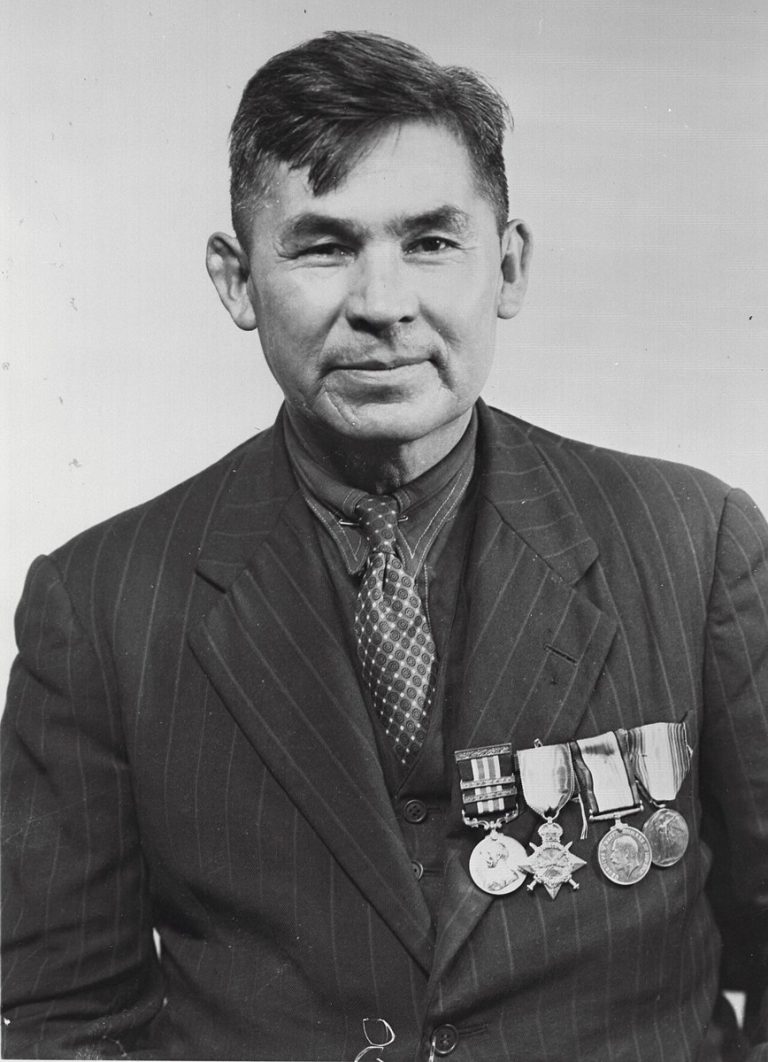
Francis Pegahmagabow in 1945, at a conference in Ottawa, photographed by Marius Barbeau.
CA-K138Indigenous peoples & reconciliation

Francis Pegahmagabow, soldier and rights advocate

Francis Pegahmagabow, an Ojibwe Nishnaabe of Wasauksing First Nation, was a highly decorated First World War sniper and scout who received the Military Medal and two bars for bravery. Facing discrimination under the Indian Act after the war, he became a political leader in his community and nationally, fighting for treaty rights from the 1920s to the 1950s.

Factual accuracy review: No recorded challenge

Contributor: Citizen.ca

Verified against cited sourcesVerified on 2026-10-26↗
Photo: Marius Barbeau · Photo licence: Public domain · Credit & context
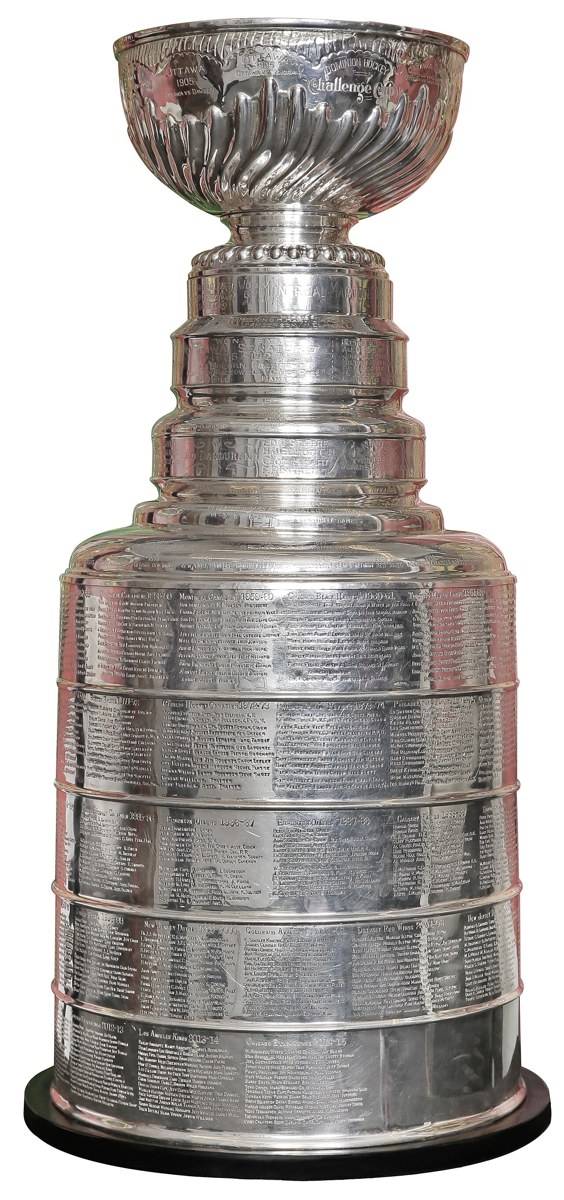
The Stanley Cup in 2015.
CA-K134Culture & sport

The Stanley Cup was announced in 1892

In 1892, Governor General Lord Stanley’s donation of a challenge cup for Canada’s best hockey club was announced. First awarded to amateur teams, the Stanley Cup has been the exclusive prize of the National Hockey League’s playoff champion since 1927.

Factual accuracy review: No recorded challenge

Contributor: Citizen.ca

Verified against cited sourcesVerified on 2026-10-26↗
Photo: Alex Goykhman · Photo licence: CC BY-SA 4.0 · Credit & context
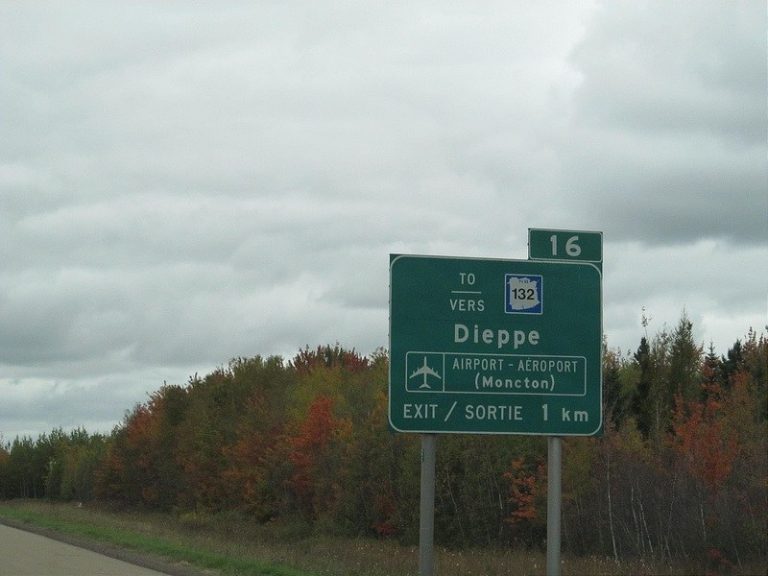
A bilingual road sign in New Brunswick pointing to Dieppe and the airport, photographed in 2012.
CA-K127Language & names

New Brunswick, Canada’s only officially bilingual province

New Brunswick’s first Official Languages Act, enacted on 18 April 1969, made it Canada’s first and only officially bilingual province. The Act made English and French the province’s two official languages and recognized the right to receive provincial government services in either.

Factual accuracy review: No recorded challenge

Contributor: Citizen.ca

Verified against cited sourcesVerified on 2026-10-26↗
Photo: Doug Kerr · Photo licence: CC BY-SA 2.0 · Credit & context
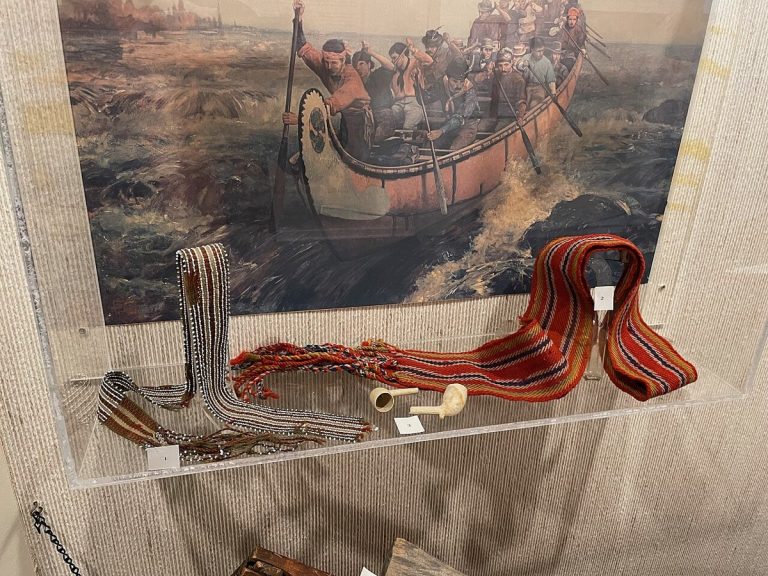
A beaded Métis sash and a ceinture fléchée (woven sash) on display at a museum in Sault Ste. Marie, Ontario, in 2024.
CA-K123Indigenous peoples & reconciliation

The Métis Nation emerged in the historic Northwest

The Métis Nation emerged in the historic Northwest during the fur trade as a distinct Indigenous people with its own culture, traditions, language (Michif) and nationhood. The Métis Nation Homeland includes Manitoba, Saskatchewan and Alberta and parts of Ontario, British Columbia, the Northwest Territories and the northern United States.

Factual accuracy review: No recorded challenge

Contributor: Citizen.ca

Verified against cited sourcesVerified on 2026-10-26↗
Photo: Fungus Guy · Photo licence: CC BY 4.0 · Credit & context
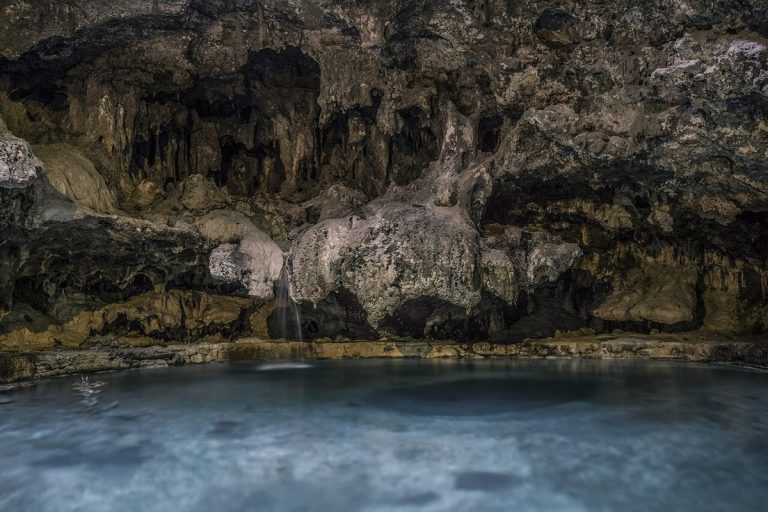
The cave pool at Cave and Basin National Historic Site, Banff, photographed in 2017.
CA-K109Places & geography

The Cave and Basin and Canada’s first national park

In 1885, the government created a 26 km² Hot Springs Reserve around the Cave and Basin hot springs in Banff. On 23 June 1887, the reserve was expanded to 665 km² and became Rocky Mountains National Park, the first national park in Canada.

Factual accuracy review: No recorded challenge

Contributor: Citizen.ca

Verified against cited sourcesVerified on 2026-10-26↗
Photo: Sovernigo · Photo licence: CC BY-SA 4.0 · Credit & context
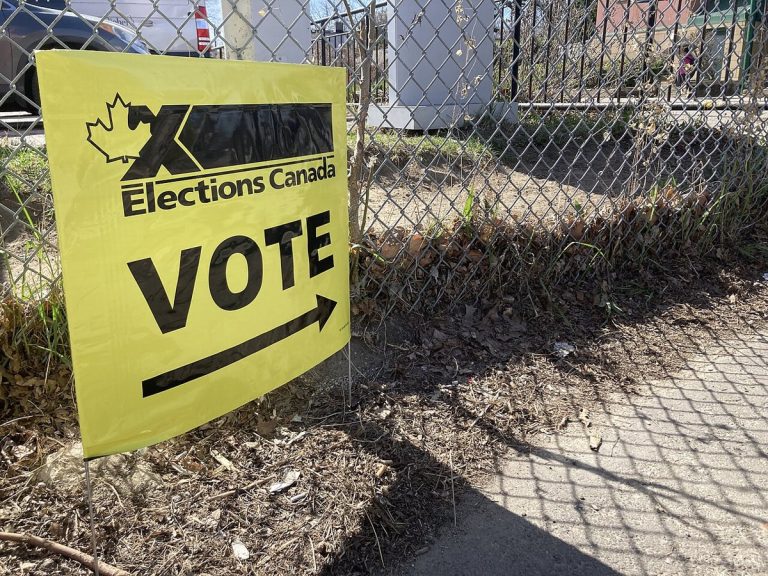
An Elections Canada polling station sign in Toronto during the 2025 federal election.
CA-K108Institutions

Elections Canada, an independent agency of Parliament

Elections Canada is an independent, non-partisan agency of Parliament, headed by the Chief Electoral Officer. The position of Chief Electoral Officer was created in 1920 by the Dominion Elections Act, largely to end political partisanship in the administration of federal elections.

Factual accuracy review: No recorded challenge

Contributor: Citizen.ca

Verified against cited sourcesVerified on 2026-10-26↗
Photo: Can Pac Swire · Photo licence: CC BY-SA 2.0 · Credit & context
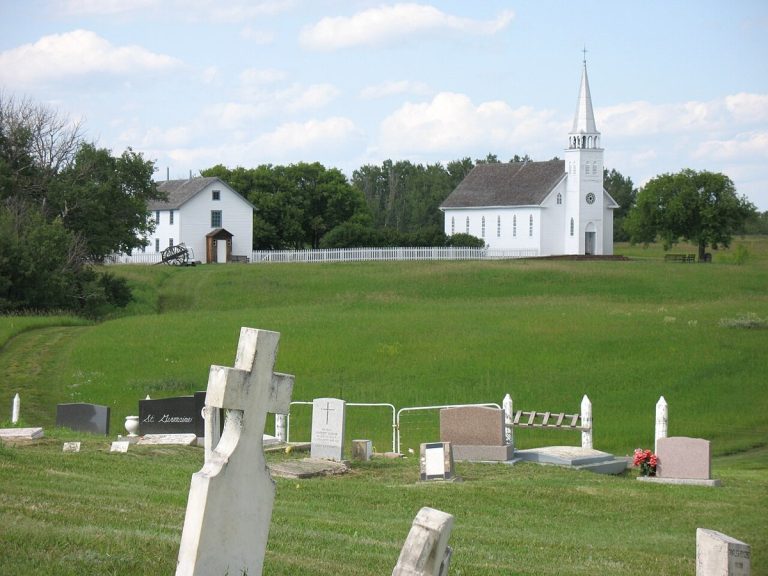
The church and rectory at Batoche National Historic Site, Saskatchewan, viewed from the cemetery in 2007.
CA-K104Indigenous peoples & reconciliation

Batoche and the Northwest Resistance of 1885

Batoche, a Métis settlement on the South Saskatchewan River north of Saskatoon, was the scene of Louis Riel and Gabriel Dumont’s last stand during the Northwest Resistance of 1885. Parks Canada describes it as a symbol of Métis resilience and cultural renewal.

Factual accuracy review: No recorded challenge

Contributor: Citizen.ca

Verified against cited sourcesVerified on 2026-10-26↗
Photo: Dave Bonser · Photo licence: CC BY-SA 3.0 · Credit & context
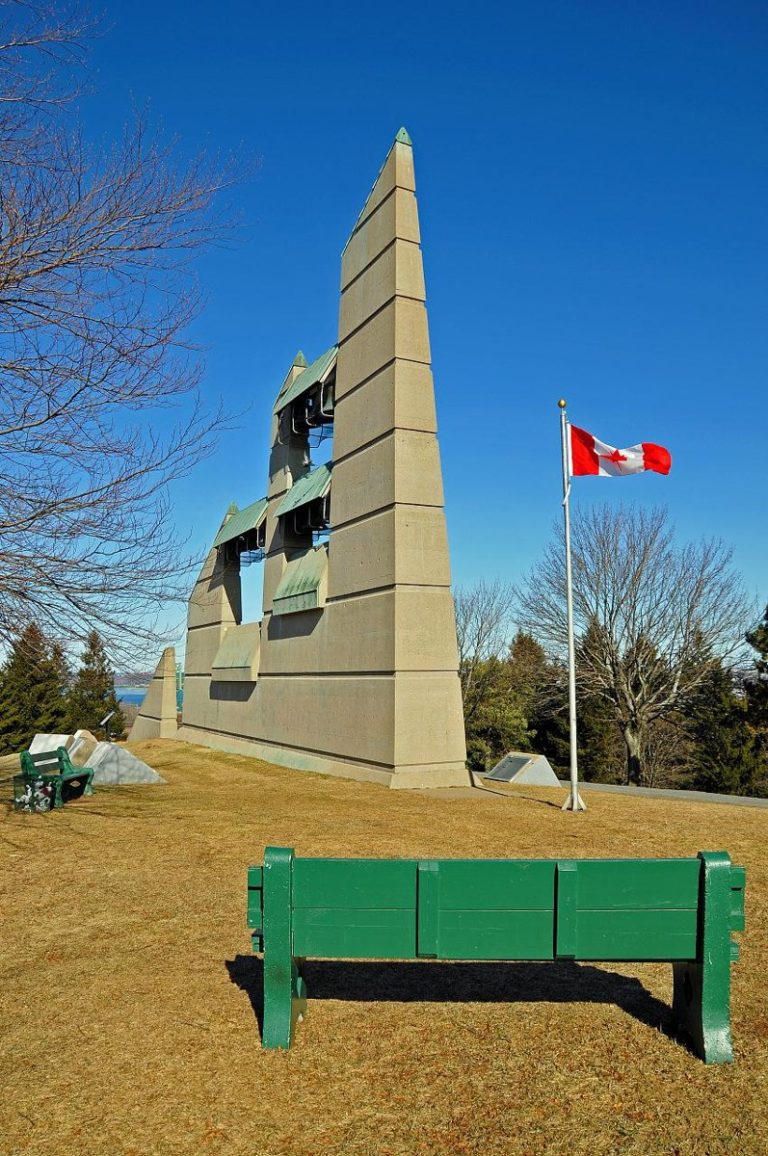
The Halifax Explosion Memorial Bell Tower at Fort Needham, photographed in 2008.
CA-K100History

The Halifax Explosion: 6 December 1917

On 6 December 1917, SS Mont-Blanc, which was carrying explosives, collided with SS Imo in Halifax Harbour. The resulting explosion, tidal wave and fires killed some 2,000 people. Parks Canada describes it as the largest human-made explosion before the atomic bomb.

Factual accuracy review: No recorded challenge

Contributor: Citizen.ca

Verified against cited sourcesVerified on 2026-10-26↗
Photo: Dennis G. Jarvis · Photo licence: CC BY-SA 2.0 · Credit & context
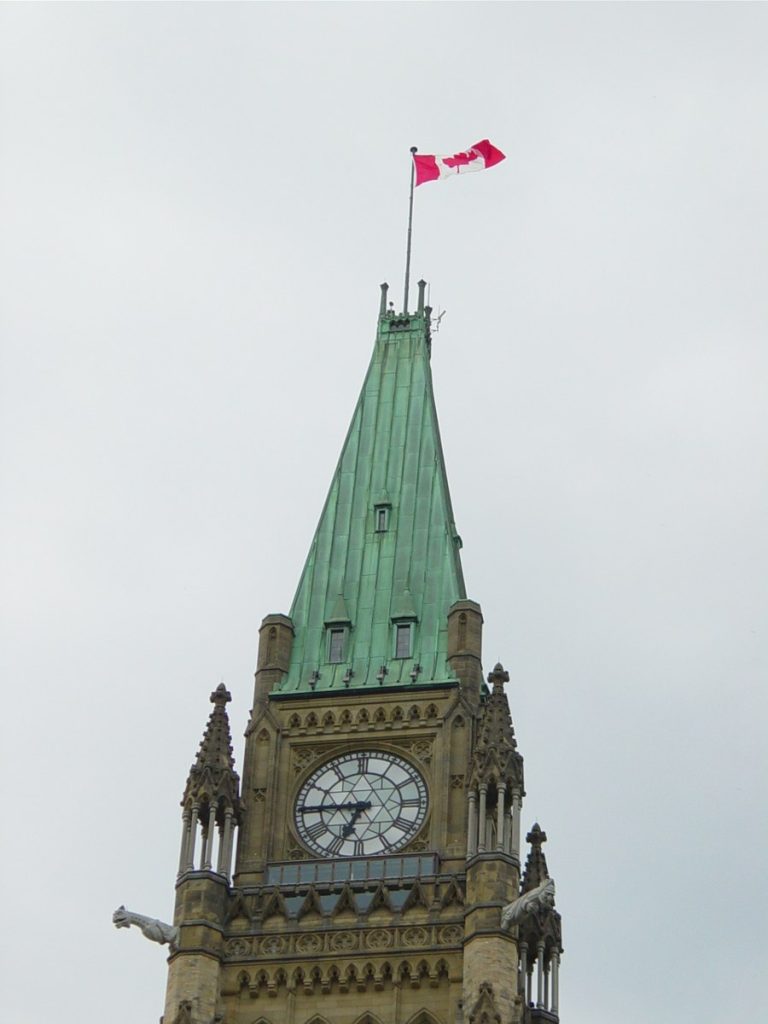
The national flag flying above the Peace Tower, Ottawa, in 2003.
CA-K096Symbols

Red and white: national colours by common use

It was long believed that King George V’s 1921 proclamation of Canada’s coat of arms designated red and white as the national colours, but the proclamation contains no such declaration. Canadian Heritage notes that red and white are not set in law as national colours but have become part of national identity through common use.

Factual accuracy review: No recorded challenge

Contributor: Citizen.ca

Verified against cited sourcesVerified on 2026-10-26↗
Photo: Sikander Iqbal · Photo licence: CC BY-SA 4.0 · Credit & context
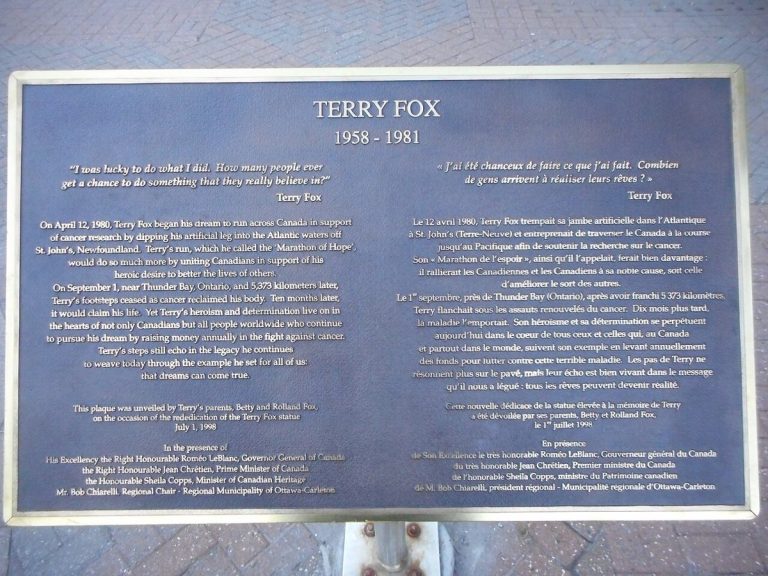
A commemorative plaque at the Terry Fox monument on Wellington Street, Ottawa, photographed in 2016.
CA-K088Culture & sport

Terry Fox’s Marathon of Hope, 1980

Terry Fox began his Marathon of Hope, a cross-Canada run to raise money for cancer research, by dipping his artificial leg in the Atlantic Ocean on 12 April 1980. After 143 days and 5,373 kilometres, he was forced to stop outside Thunder Bay, Ontario, on 1 September 1980 because cancer had appeared in his lungs.

Factual accuracy review: No recorded challenge

Contributor: Citizen.ca

Verified against cited sourcesVerified on 2026-10-26↗
Photo: Jeangagnon · Photo licence: CC BY-SA 4.0 · Credit & context