An independent Canadian knowledge project

Focused and Verified

Canadian knowledge base

Search by keyword

Choose one keyword, or combine two. Broader keywords include their descendants.

Keywords: Events and historical processes

Clear search
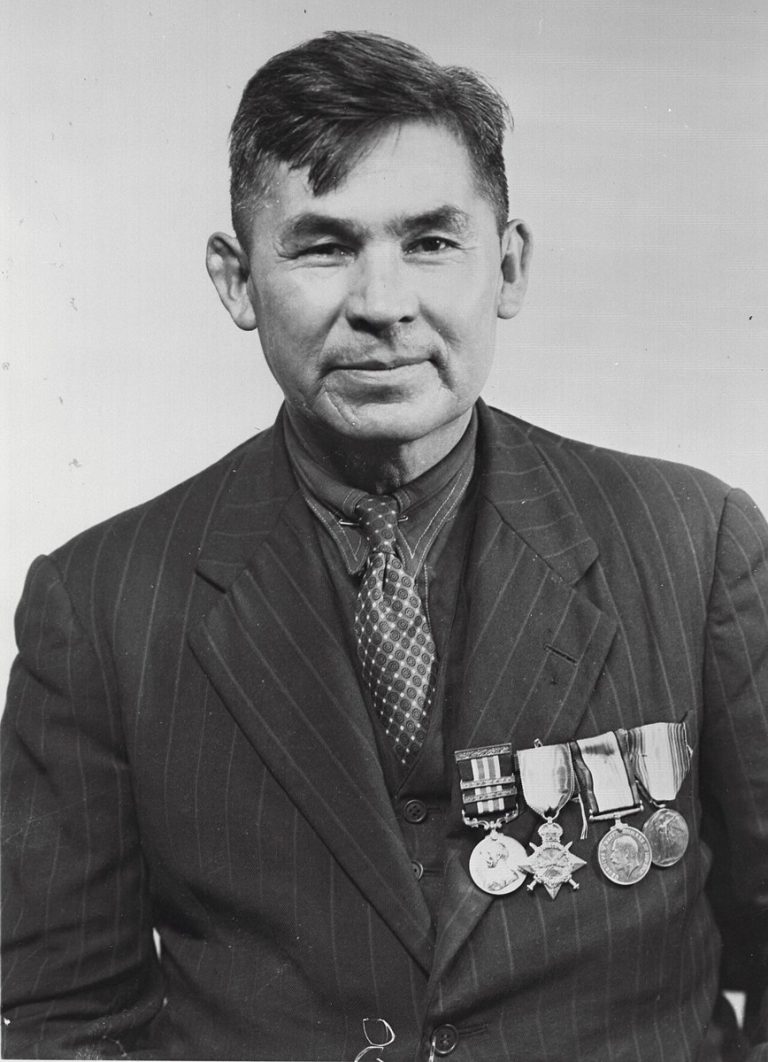
Francis Pegahmagabow in 1945, at a conference in Ottawa, photographed by Marius Barbeau.
CA-K138Indigenous peoples & reconciliation

Francis Pegahmagabow, soldier and rights advocate

Francis Pegahmagabow, an Ojibwe Nishnaabe of Wasauksing First Nation, was a highly decorated First World War sniper and scout who received the Military Medal and two bars for bravery. Facing discrimination under the Indian Act after the war, he became a political leader in his community and nationally, fighting for treaty rights from the 1920s to the 1950s.

Factual accuracy review: No recorded challenge

Contributor: Citizen.ca

Verified against cited sourcesVerified on 2026-10-26↗
Photo: Marius Barbeau · Photo licence: Public domain · Credit & context
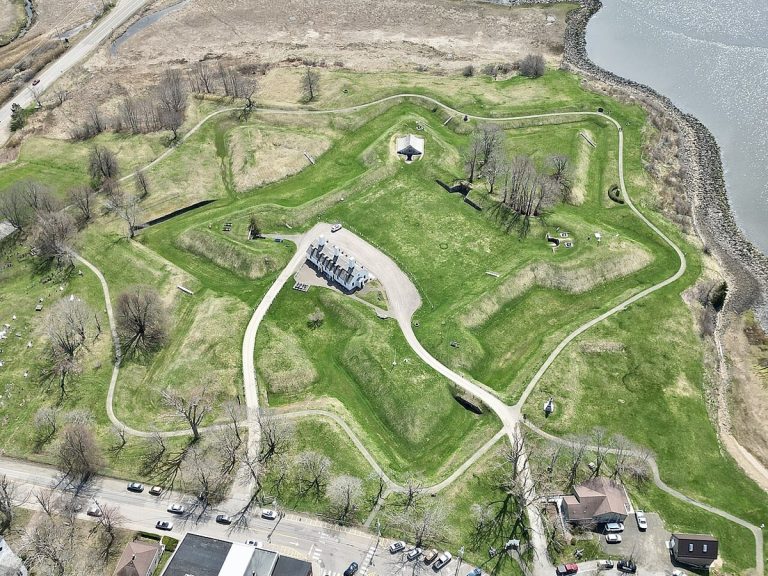
Fort Anne National Historic Site at Annapolis Royal, Nova Scotia, from a drone in 2023.
CA-K137Indigenous peoples & reconciliation

The Peace and Friendship Treaty of 1726

On 4 June 1726, Mi’kmaw, Wəlastəkokewiyik and Peskətəmohkatewey leaders gathered at Annapolis Royal to ratify a treaty with the British Crown. It affirmed peaceful coexistence and was the first treaty between the Crown and these Nations, the basis for all their later treaties.

Factual accuracy review: No recorded challenge

Contributor: Citizen.ca

Verified against cited sourcesVerified on 2026-10-26↗
Photo: WayeMason & John Van Gurp · Photo licence: CC BY-SA 4.0 · Credit & context
The Stanley Cup in 2015.
CA-K134Culture & sport

The Stanley Cup was announced in 1892

In 1892, Governor General Lord Stanley’s donation of a challenge cup for Canada’s best hockey club was announced. First awarded to amateur teams, the Stanley Cup has been the exclusive prize of the National Hockey League’s playoff champion since 1927.

Factual accuracy review: No recorded challenge

Contributor: Citizen.ca

Verified against cited sourcesVerified on 2026-10-26↗
Photo: Alex Goykhman · Photo licence: CC BY-SA 4.0 · Credit & context

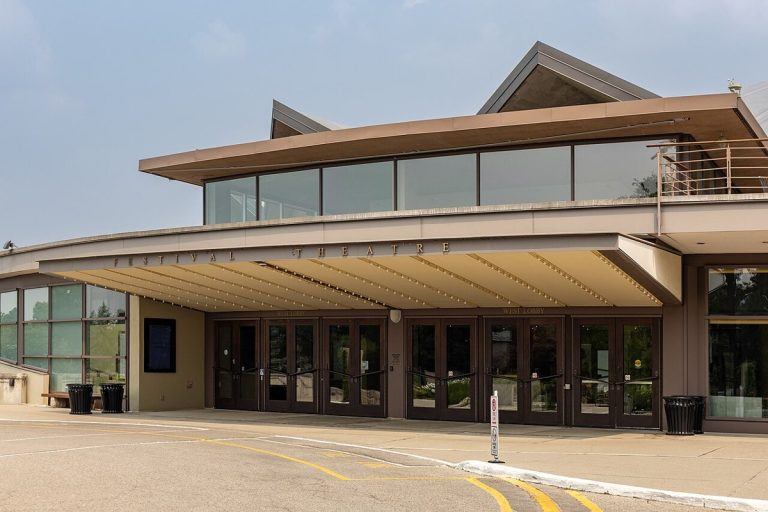
The west entrance of the Festival Theatre in Stratford, Ontario, in 2025.
CA-K132Culture & sport

The Stratford Festival began in 1953

In 1953, Tom Patterson launched an annual festival of Shakespearean theatre in his hometown of Stratford, Ontario. First artistic director Tyrone Guthrie and designer Tanya Moiseiwitsch created the Festival Theatre’s thrust stage, surrounded by the audience on three sides.

Factual accuracy review: No recorded challenge

Contributor: Citizen.ca

Verified against cited sourcesVerified on 2026-10-26↗
Photo: Chris Woodrich · Photo licence: CC BY-SA 4.0 · Credit & context
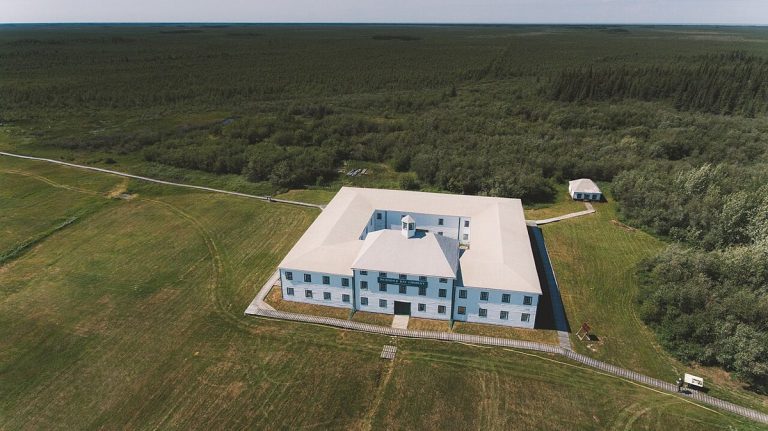
York Factory, Manitoba, photographed in 2017.
CA-K105Economy & trade

York Factory, a fur trade hub for over 250 years

York Factory, a Hudson’s Bay Company depot on Hudson Bay in Manitoba, was a vital fur trade hub for more than 250 years. It served as the gateway to the vast interior for British trade goods, settlers and soldiers, and lies on Treaty 5 territory.

Factual accuracy review: No recorded challenge

Contributor: Citizen.ca

Verified against cited sourcesVerified on 2026-10-26↗
Photo: Travel Manitoba · Photo licence: CC BY 2.0 · Credit & context
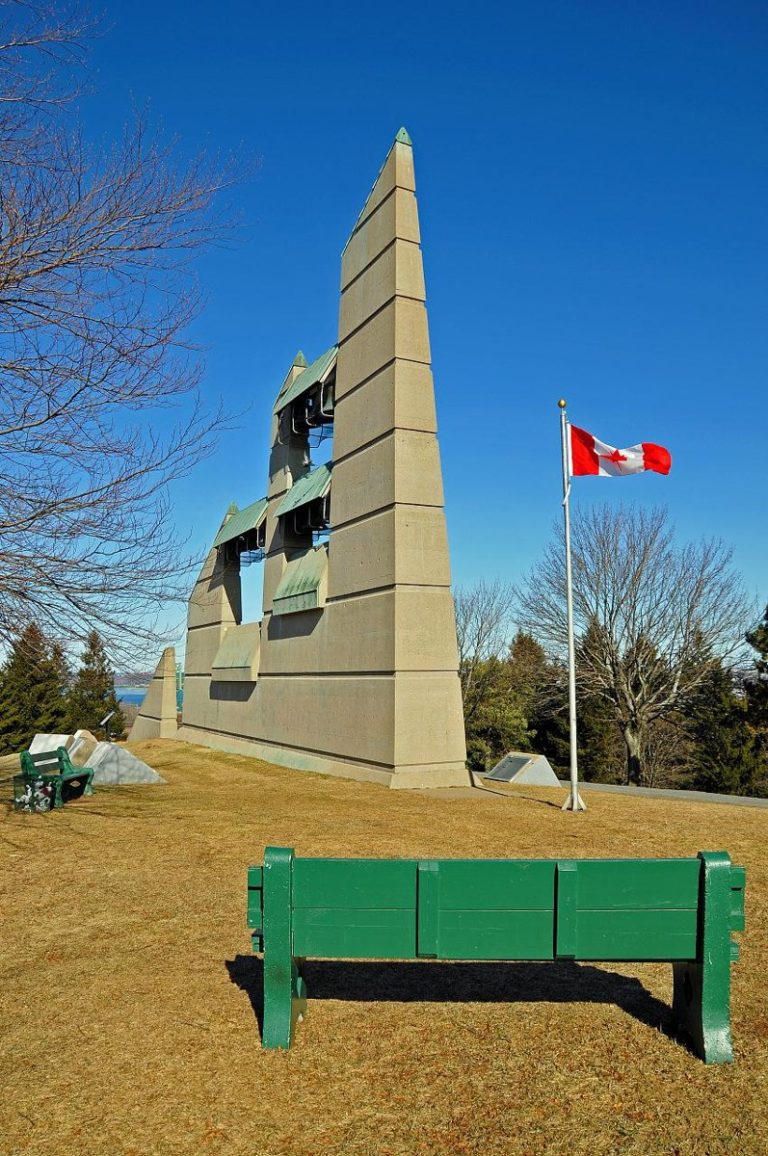
The Halifax Explosion Memorial Bell Tower at Fort Needham, photographed in 2008.
CA-K100History

The Halifax Explosion: 6 December 1917

On 6 December 1917, SS Mont-Blanc, which was carrying explosives, collided with SS Imo in Halifax Harbour. The resulting explosion, tidal wave and fires killed some 2,000 people. Parks Canada describes it as the largest human-made explosion before the atomic bomb.

Factual accuracy review: No recorded challenge

Contributor: Citizen.ca

Verified against cited sourcesVerified on 2026-10-26↗
Photo: Dennis G. Jarvis · Photo licence: CC BY-SA 2.0 · Credit & context
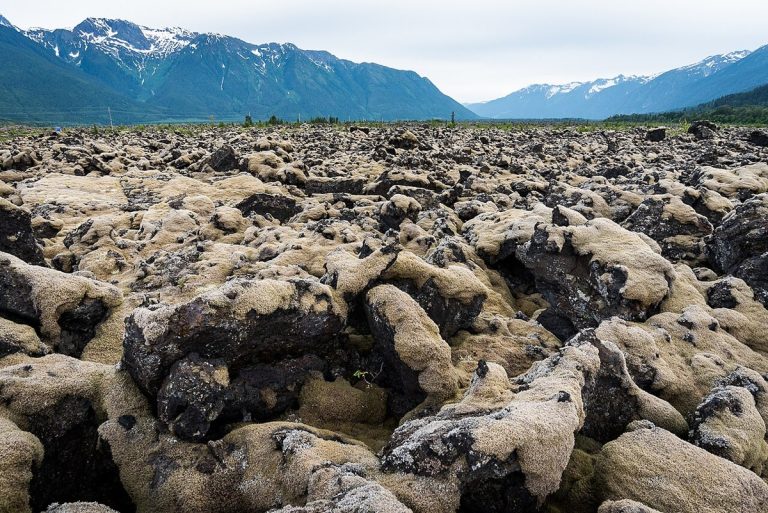
Lava beds in the Nass Valley, British Columbia, photographed in 2017; a landscape in the region, not a depiction of the treaty.
CA-K095Indigenous peoples & reconciliation

The Nisg̱a’a Treaty took effect on 11 May 2000

The Nisg̱a’a Treaty, British Columbia’s first modern treaty, took effect on 11 May 2000. It recognizes about 2,000 square kilometres of Nisg̱a’a Lands and was the first treaty in British Columbia to provide constitutional certainty for self-government.

Factual accuracy review: No recorded challenge

Contributor: Citizen.ca

Verified against cited sourcesVerified on 2026-10-26↗
Photo: Darren Kirby · Photo licence: CC BY-SA 2.0 · Credit & context
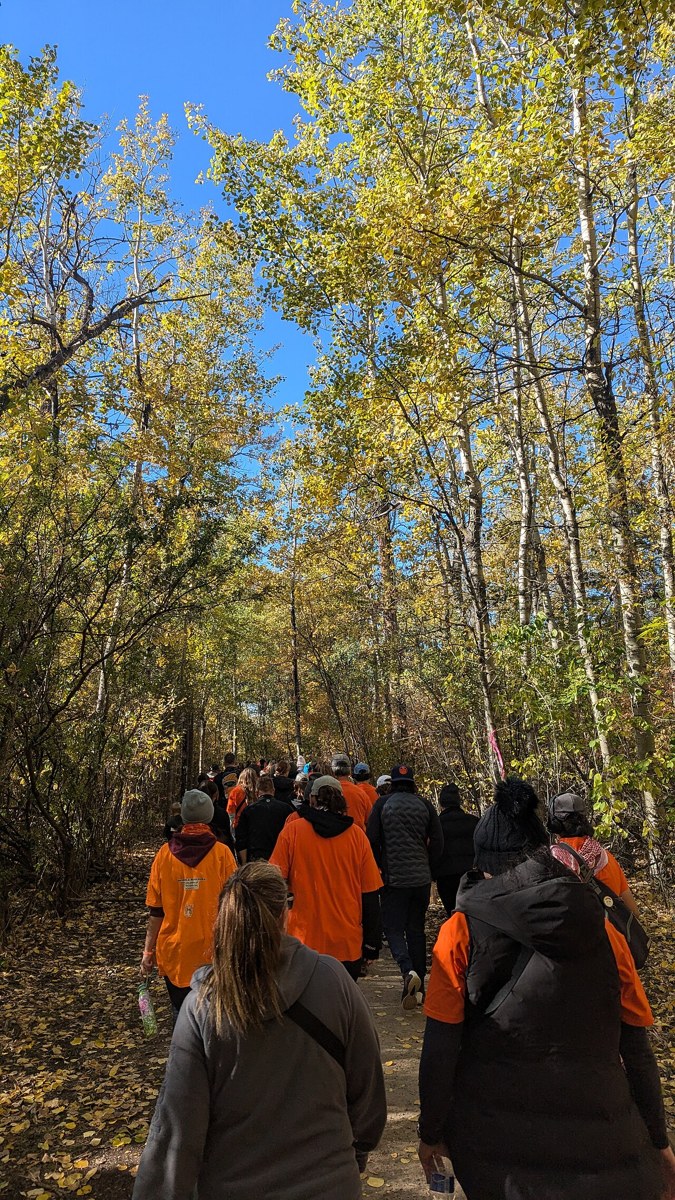
An Orange Shirt Day walk in Edmonton, Alberta, on 30 September 2024.
CA-K094Indigenous peoples & reconciliation

National Day for Truth and Reconciliation: 30 September

The National Day for Truth and Reconciliation is observed each year on 30 September, honouring Residential School Survivors, their families and communities. It became a federal statutory holiday through Bill C-5, which received royal assent on 3 June 2021; Orange Shirt Day, which began in Williams Lake, British Columbia, in 2013, is observed the same day.

Factual accuracy review: No recorded challenge

Contributor: Citizen.ca

Verified against cited sourcesVerified on 2026-10-26↗
Photo: Joli Rumi · Photo licence: CC BY-SA 4.0 · Credit & context
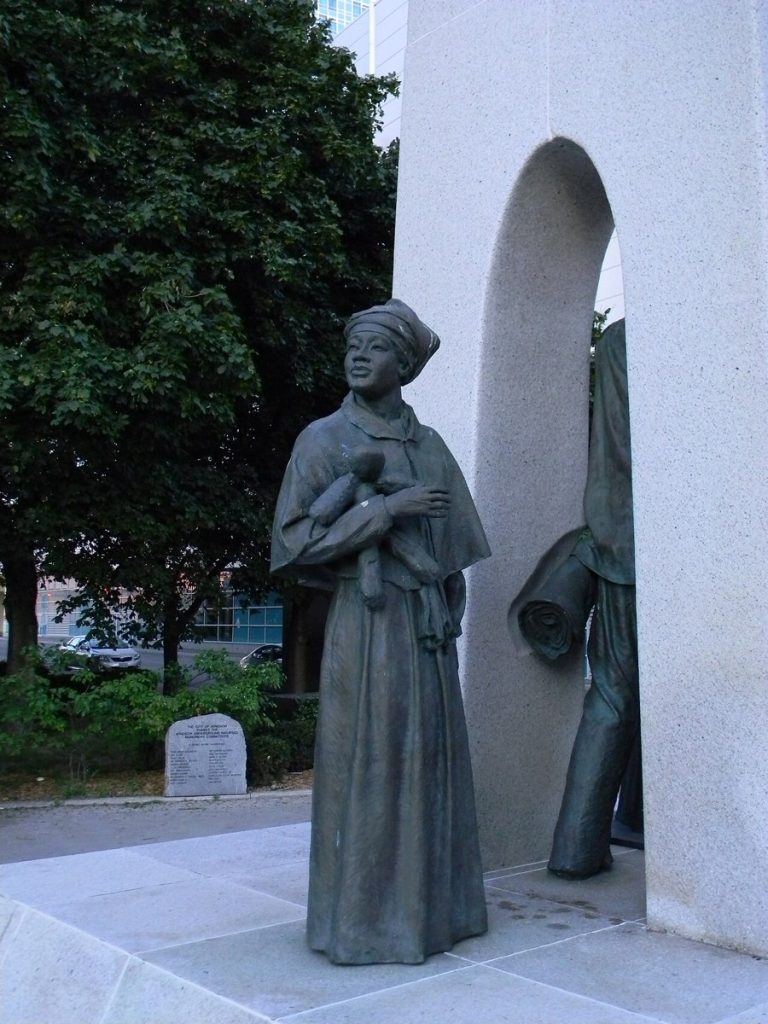
The Underground Railroad monument in Windsor, Ontario, photographed in 2011.
CA-K065History

The Underground Railroad brought freedom-seekers to Canada

From the early 19th century until the American Civil War, settlements along the Detroit and Niagara rivers were important terminals of the Underground Railroad, a network of Black and white abolitionists helping African Americans find freedom. By 1861, some 30,000 freedom-seekers lived in what is now Ontario.

Factual accuracy review: No recorded challenge

Contributor: Citizen.ca

Verified against cited sourcesVerified on 2026-10-26↗
Photo: M. Readey · Photo licence: CC BY-SA 3.0 · Credit & context
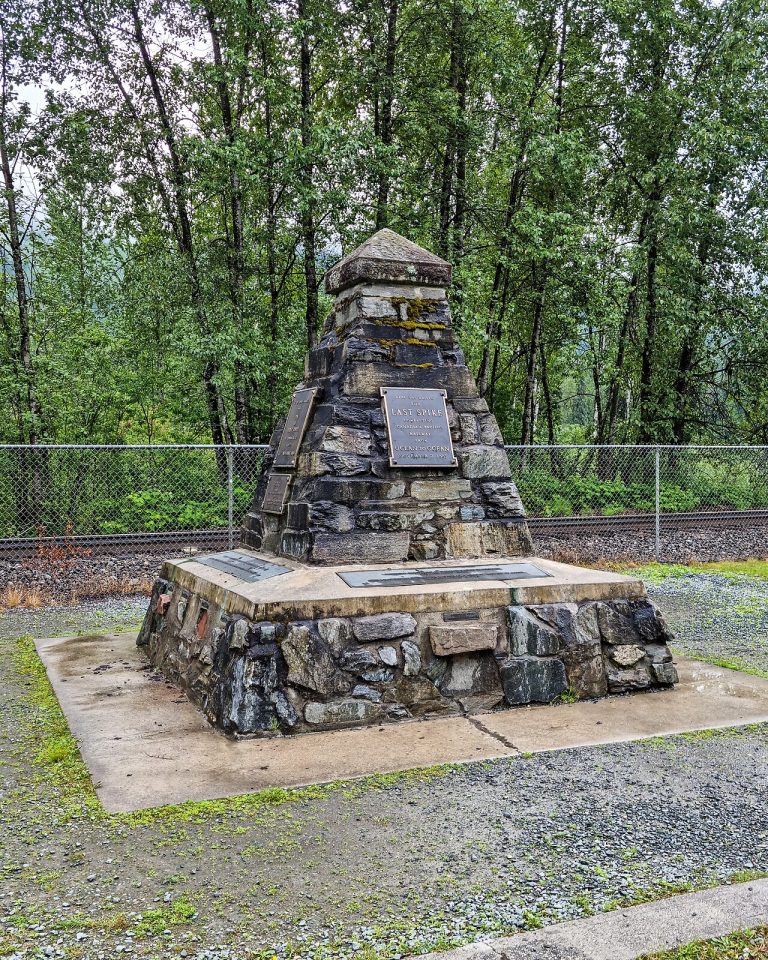
The Last Spike monument at Craigellachie, British Columbia, photographed in 2022; a modern memorial, not the famous 1885 group photograph.
CA-K054Economy & trade

The CPR’s last spike was driven in 1885

The Canadian Pacific Railway’s ceremonial last spike was driven at Craigellachie, British Columbia, on 7 November 1885. Chinese workers made important contributions to the railway’s construction but are absent from the famous last-spike photograph.

Factual accuracy review: No recorded challenge

Contributor: Citizen.ca

Verified against cited sourcesVerified on 2026-10-26↗
Photo: Dietmar Rabich · Photo licence: CC BY-SA 4.0 · Credit & context
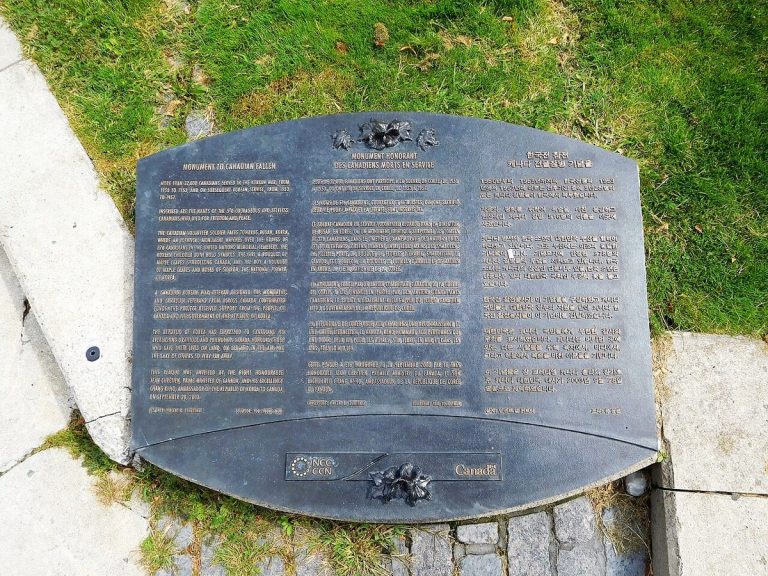
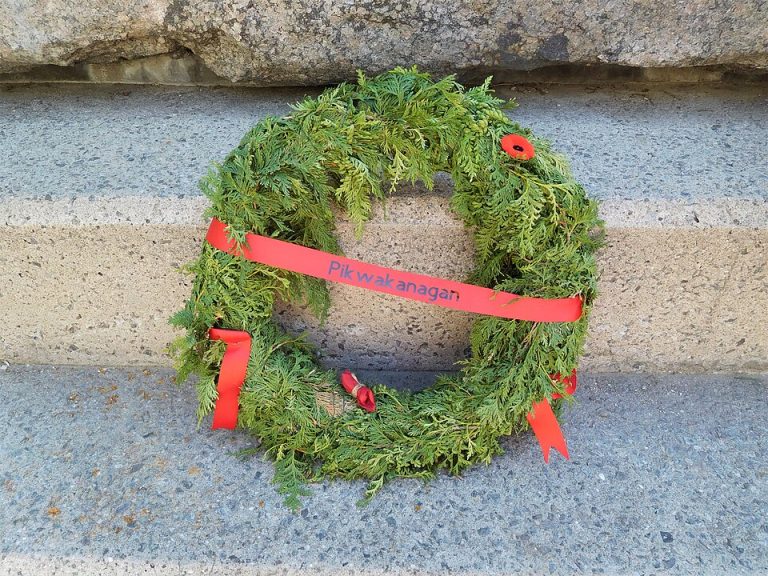
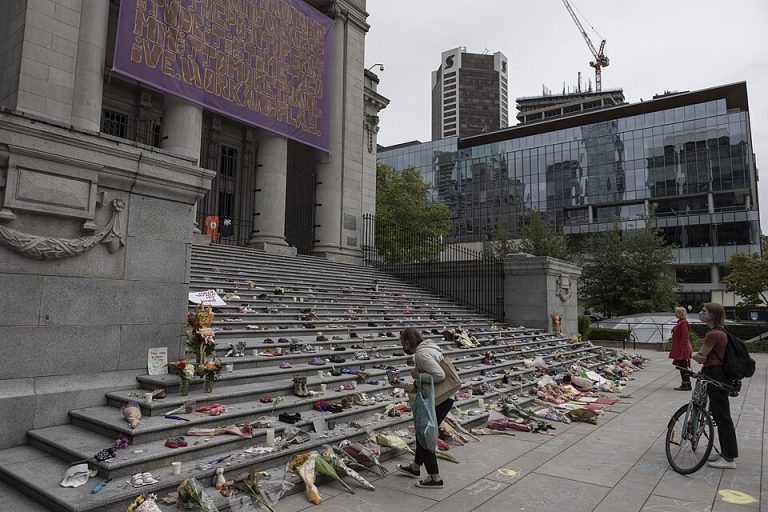
A residential-school memorial in Vancouver on 30 May 2021; an illustration of commemoration, not the NCTR building or its archival collection.
CA-K032Indigenous peoples & reconciliation

The NCTR preserves the TRC’s records

The National Centre for Truth and Reconciliation officially opened in 2015. Statements, documents and other materials gathered by the Truth and Reconciliation Commission became a central part of its work of preserving residential school history.

Factual accuracy review: No recorded challenge

Contributor: Citizen.ca

Verified against cited sourcesVerified on 2026-10-26↗
Photo: GoToVan · Photo licence: CC BY 2.0 · Credit & context