
An independent Canadian knowledge project

Focused and Verified

Canadian knowledge base

Search by keyword

Choose one keyword, or combine two. Broader keywords include their descendants.

Keywords: 1800–1899

Clear search
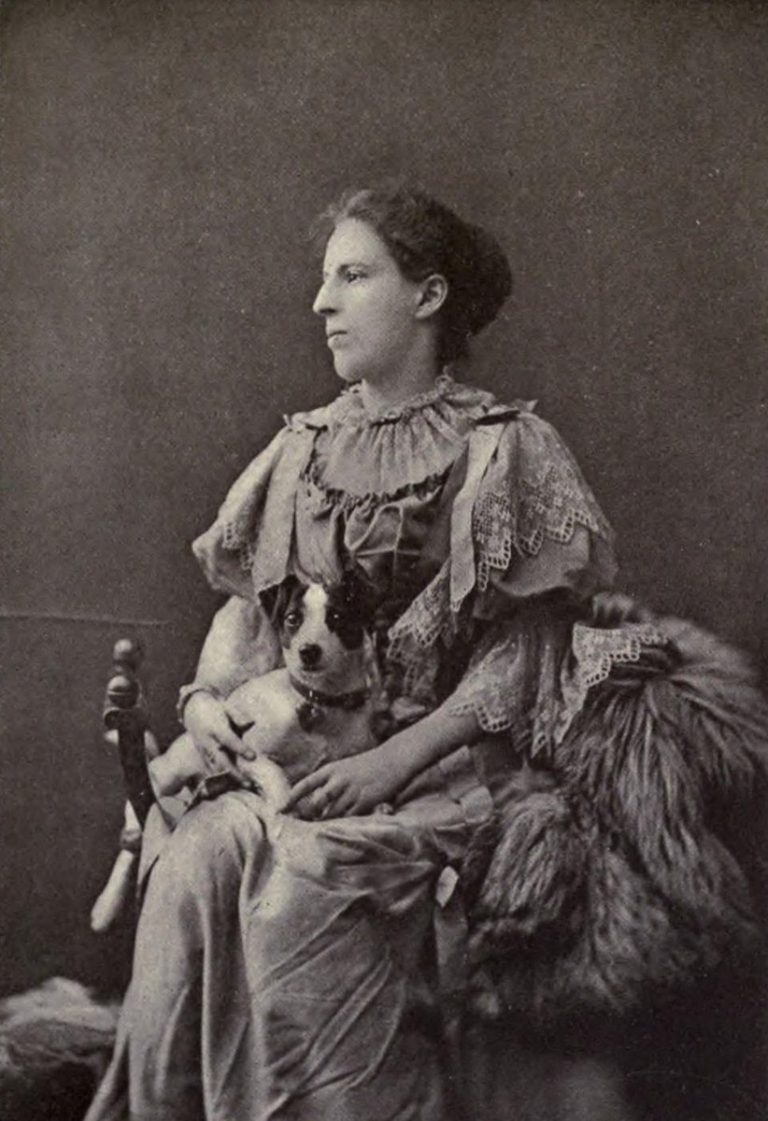
Margaret Marshall Saunders (Gauvin & Gentzel).
CA-K451Culture & sport

Margaret Marshall Saunders and Beautiful Joe

Margaret Marshall Saunders of Milton, Nova Scotia, wrote some 25 books, 14 of them animal stories. Her first, Beautiful Joe (1894), the gentle autobiography of a dog, sold about a million copies in 14 languages, and she gave most of her royalties to humane societies.

Factual accuracy review: No recorded challenge

Contributor: Citizen.ca

Verified against cited sourcesVerified on 2026-10-26↗
Photo: Gauvin & Gentzel · Photo licence: Public domain · Credit & context
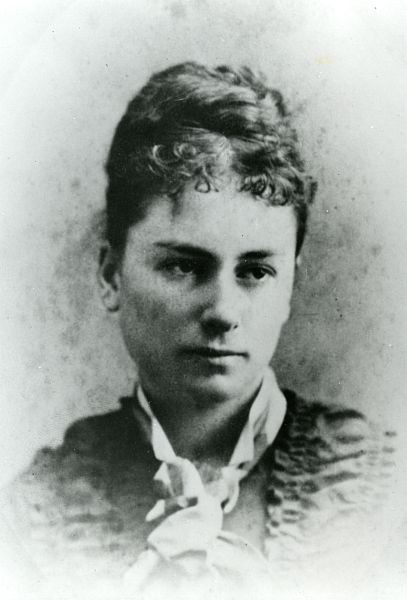
Portrait of Grace Annie Lockhart.
CA-K450Institutions

Grace Annie Lockhart, first woman graduate in the British Empire

Grace Annie Lockhart was the first woman to earn a university degree in the British Empire. A student at the Mount Allison Ladies’ Academy in Sackville, New Brunswick, she took courses at Mount Allison College, which had become co-educational in 1872, enrolled formally in 1874 and graduated on 25 May 1875 with a Bachelor of Science and English Literature.

Factual accuracy review: No recorded challenge

Contributor: Citizen.ca

Verified against cited sourcesVerified on 2026-10-26↗
Photo: Unknown author · Photo licence: Public domain · Credit & context
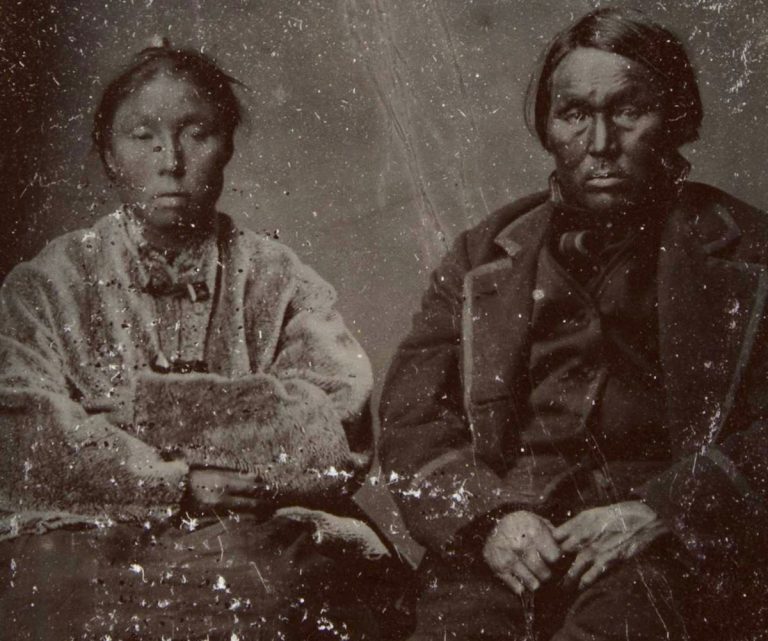
Ipirvik (Ebierbing) and Taqulittuq (Tookoolito), tintype from before 1876 (Mystic Seaport Museum).
CA-K444Indigenous peoples & reconciliation

Ipirvik and Taqulittuq, Inuit guides of Arctic expeditions

Ipirvik and Taqulittuq, an Inuit couple from Baffin Island, helped several important Arctic expeditions in the 1860s and 1870s: Ipirvik hunted and drove dog teams, and Taqulittuq made Arctic clothing and interpreted. In 1872–1873 they were indispensable to the survival of a group of American explorers stranded all winter on an ice floe, showing the value of the Inuit way of travelling light and living off the land.

Factual accuracy review: No recorded challenge

Contributor: Citizen.ca

Verified against cited sourcesVerified on 2026-10-26↗
Photo: Unknown author · Photo licence: Public domain · Credit & context
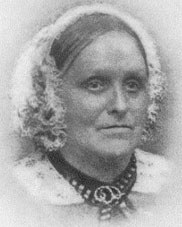
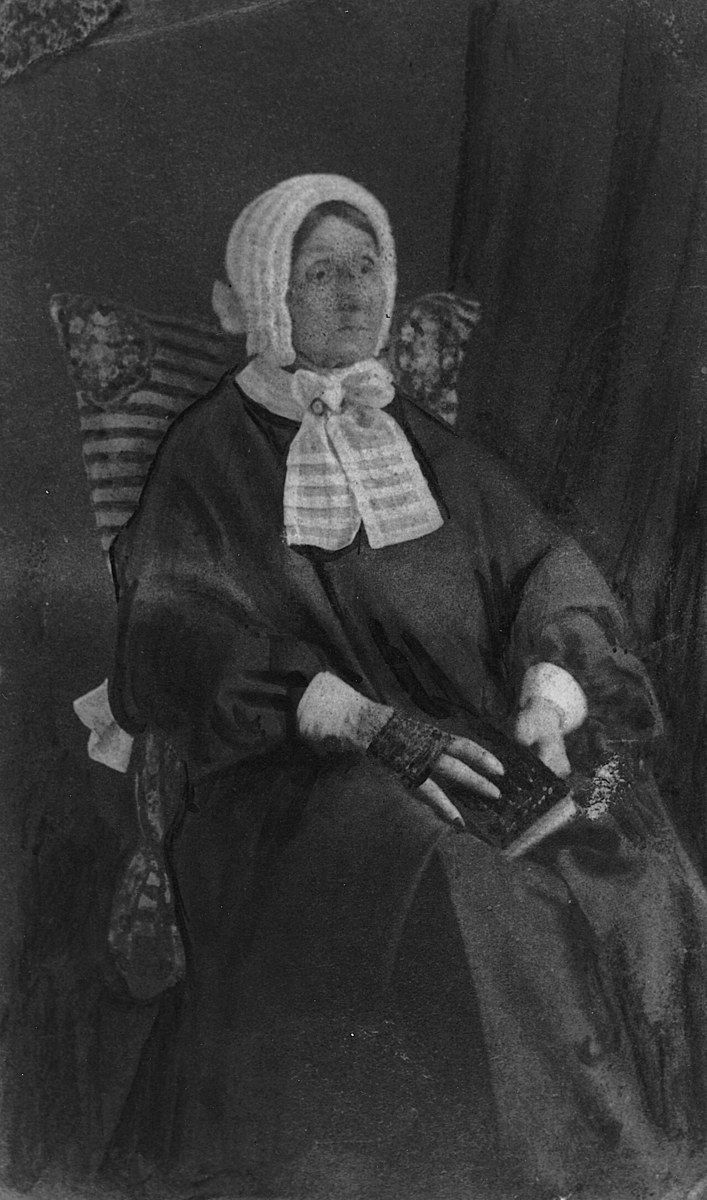
Laura Secord in her later years, around 1865 (McCord Museum).
CA-K443History

Laura Secord’s walk in 1813

On 22 June 1813, during the War of 1812, Laura Secord set out from her home in Queenston to warn the British of a planned American attack at Beaver Dams. She walked alone more than 30 kilometres behind enemy lines to the De Cew farmhouse and told Lieutenant FitzGibbon of the plan. Later in the 19th century, the first generation of women historians championed her deed to make women’s contributions to Canadian history known.

Factual accuracy review: No recorded challenge

Contributor: Citizen.ca

Verified against cited sourcesVerified on 2026-10-26↗
Photo: Anonymous (photographer unidentified) · Photo licence: Public domain · Credit & context
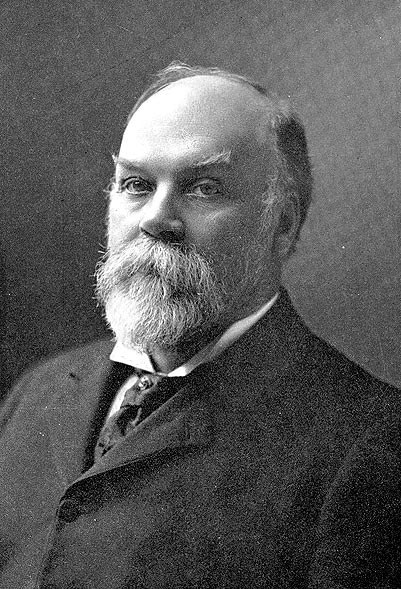
Susanna Moodie, portrait published in 1903.
CA-K441Culture & sport

Susanna Moodie, Roughing It in the Bush

Susanna Moodie, born in England, immigrated to Upper Canada with her husband in 1832, farmed near Cobourg and in the backwoods near Rice Lake, and settled in Belleville in 1840. A leading author of the pre-Confederation period, she wrote two autobiographical books, Roughing It in the Bush (1852) and Life in the Clearings (1853), that have become Canadian classics.

Factual accuracy review: No recorded challenge

Contributor: Citizen.ca

Verified against cited sourcesVerified on 2026-10-26↗
Photo: Unknown photographer; published in H. J. Morgan, Types of Canadian Women (1903) · Photo licence: Public domain · Credit & context
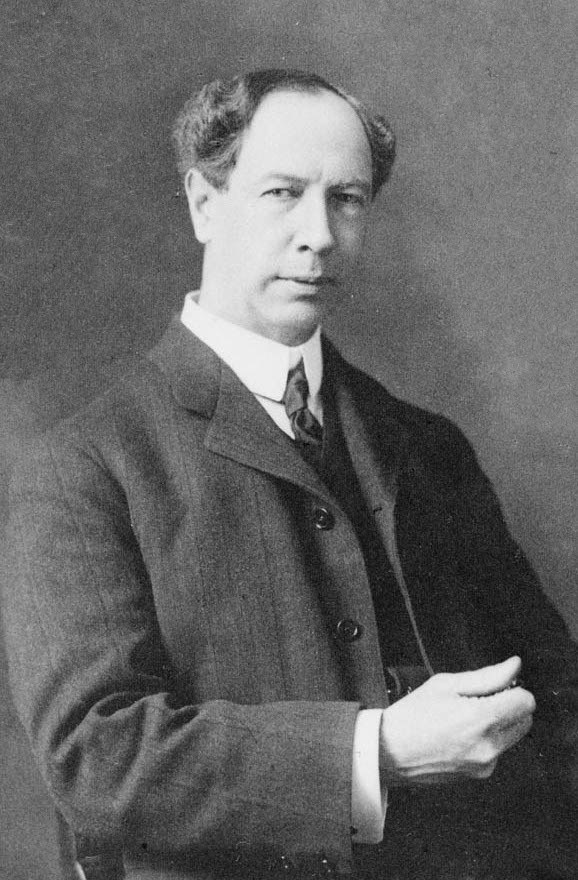
Portrait of Timothy Eaton, 1903.
CA-K439Economy & trade

Timothy Eaton, department store and mail order

Timothy Eaton, born in Ireland, opened his own store in Toronto in 1869. Innovations such as cash sales at fixed prices made it one of Canada’s first department stores, and in 1884 he introduced a mail-order department that brought low prices and a wide choice of goods to rural Canadians. At his death it was Canada’s largest retail business.

Factual accuracy review: No recorded challenge

Contributor: Citizen.ca

Verified against cited sourcesVerified on 2026-10-26↗
Photo: Unknown author · Photo licence: Public domain · Credit & context
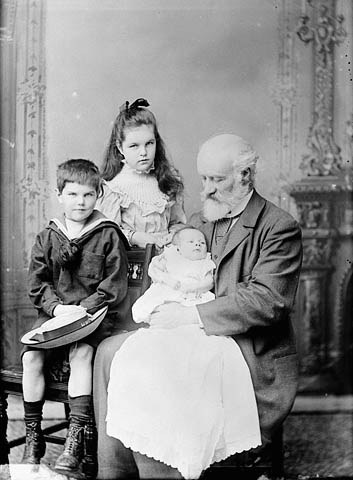
Sir Sandford Fleming with his grandchildren, July 1893 (Topley Studio).
CA-K436History

Sir Sandford Fleming, engineer and champion of standard time

Sir Sandford Fleming, born in Scotland, came to Canada in 1845 and became survey and construction engineer for the Intercolonial Railway and the Canadian Pacific. A man of wide interests and an ardent imperialist, he advocated the Pacific telegraph cable, designed the first Canadian postage stamp in 1851, and was an early champion of standard time.

Factual accuracy review: No recorded challenge

Contributor: Citizen.ca

Verified against cited sourcesVerified on 2026-10-26↗
Photo: William James Topley · Photo licence: Public domain · Credit & context
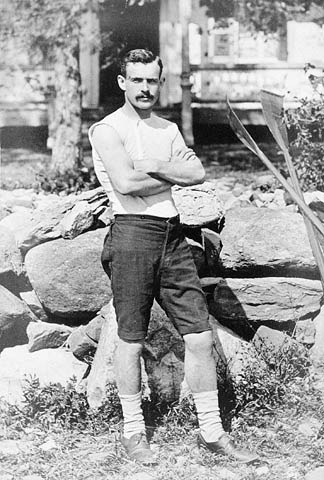
Thomas “Carbide” Willson in Ottawa, around 1914 (Library and Archives Canada).
CA-K432Economy & trade

Thomas “Carbide” Willson and acetylene

Thomas “Carbide” Willson, a largely self-educated inventor from Oxford County, Upper Canada, discovered in 1892 a method of mass-producing calcium carbide. Acetylene gas made from it was used for lighting and as a source of other industrial chemicals, and his discovery helped lay the foundation of the electrochemical industry in the early 20th century.

Factual accuracy review: No recorded challenge

Contributor: Citizen.ca

Verified against cited sourcesVerified on 2026-10-26↗
Photo: Unknown author · Photo licence: Public domain · Credit & context
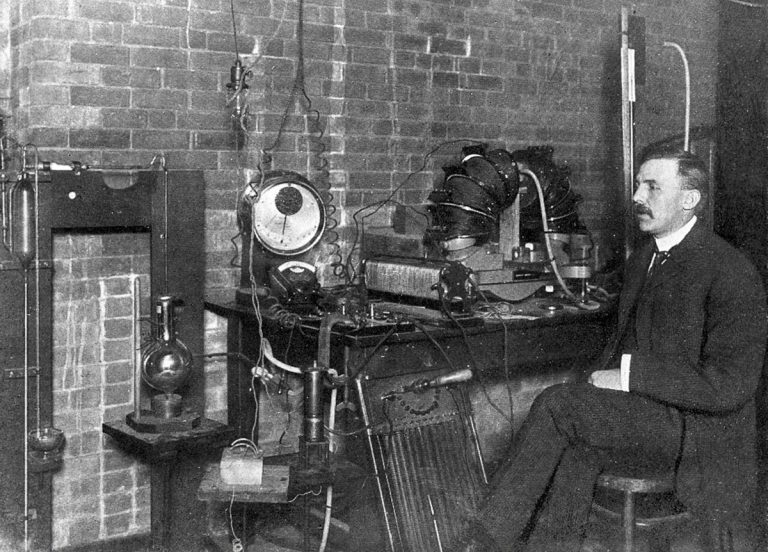
Ned Hanlan, world rowing champion, around 1878 (Notman & Sandham).
CA-K427Culture & sport

Ned Hanlan, world rowing champion

Ned Hanlan of Toronto was a champion rower in an era when rowing was a hugely popular spectator sport. He won the world sculling title in 1880 and held it until 1884, and by his retirement in 1897 had lost only about six of some 350 races. Known as “The Boy in Blue”, he was one of Canada’s first national sporting heroes.

Factual accuracy review: No recorded challenge

Contributor: Citizen.ca

Verified against cited sourcesVerified on 2026-10-26↗
Photo: Notman & Sandham · Photo licence: Public domain · Credit & context
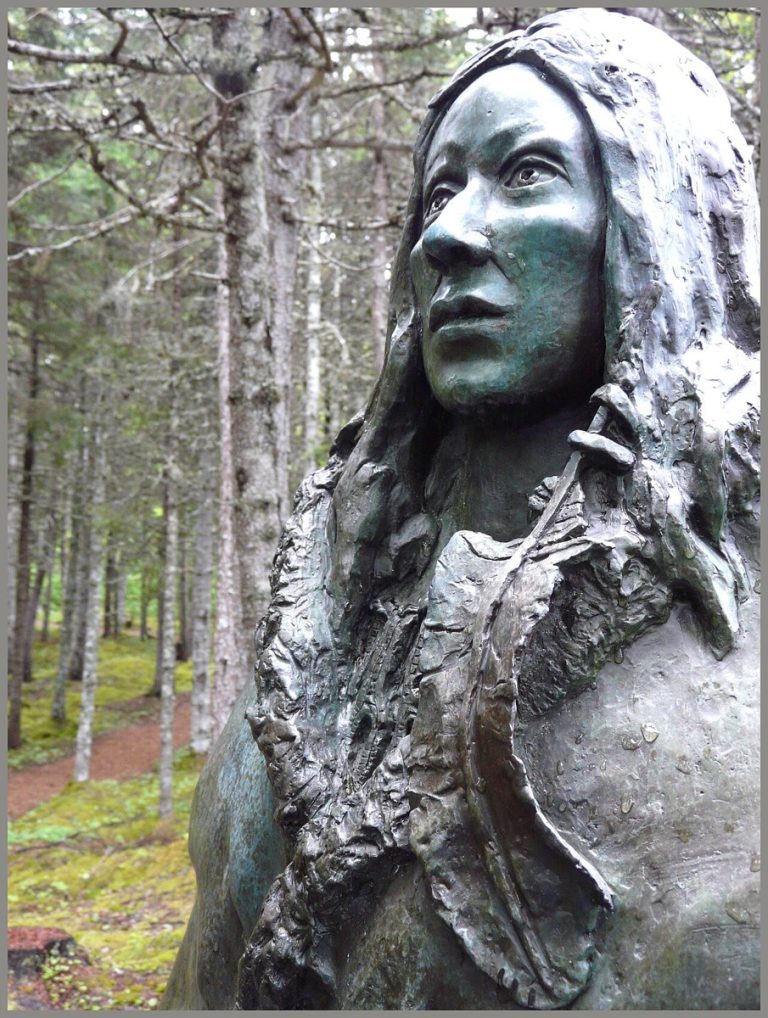
Ernest Rutherford at McGill University, 1905.
CA-K426History

Ernest Rutherford’s radioactivity research at McGill

As Macdonald Professor of Physics at McGill University from 1898 to 1907, Ernest Rutherford, working with Frederick Soddy, made fundamental discoveries about radioactivity that made McGill an important centre of atomic physics research. He later led laboratories at Manchester and Cambridge and received the Nobel Prize in Chemistry in 1908.

Factual accuracy review: No recorded challenge

Contributor: Citizen.ca

Verified against cited sourcesVerified on 2026-10-26↗
Photo: Unknown, published in 1939 in Rutherford : being the life and letters of the Rt. Hon. Lord Rutherford, O. M · Photo licence: Public domain · Credit & context
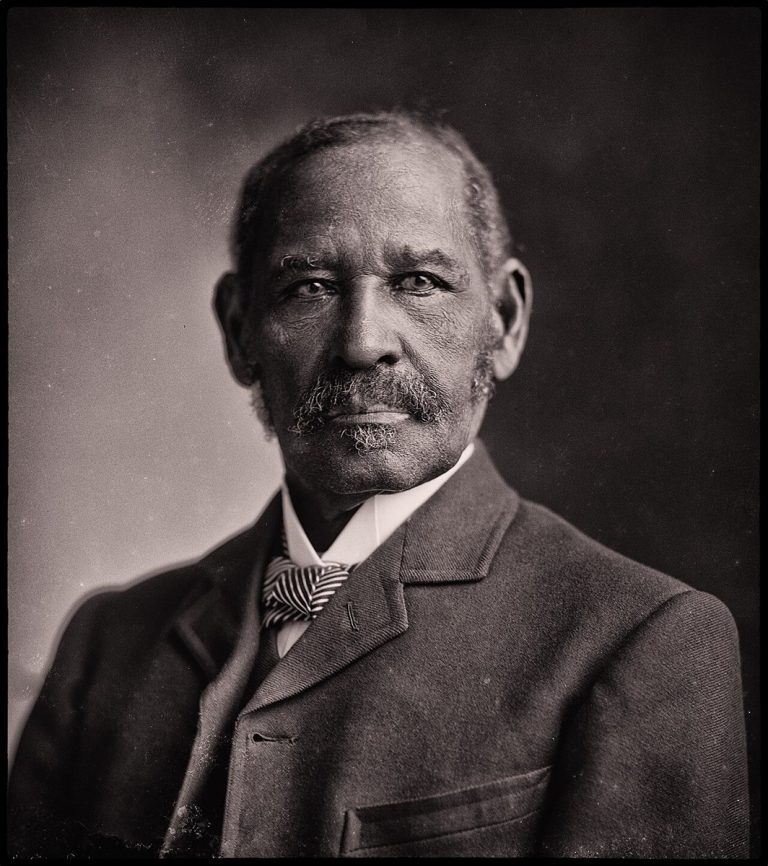
A statue of Shanawdithit at Boyd’s Cove, Newfoundland and Labrador, photographed in 2013.
CA-K423Indigenous peoples & reconciliation

Shanawdithit and Beothuk knowledge

Shanawdithit was one of the last documented Beothuk of Newfoundland. Seized by English settlers in 1823, she never regained her freedom, but she taught her captors much of what is known about the decline of her people; with the help of her sketches she described encounters between the British and the Beothuk, including the capture of her aunt Demasduit. She died in St. John’s in 1829.

Factual accuracy review: No recorded challenge

Contributor: Citizen.ca

Verified against cited sourcesVerified on 2026-10-26↗
Photo: Kaye Duncan (Flickr: Oh Kaye) · Photo licence: CC0 · Credit & context
Mifflin Wistar Gibbs, photographed by C. M. Bell around 1902.
CA-K420History

Mifflin Wistar Gibbs, Black leader on Vancouver Island

Mifflin Wistar Gibbs helped lead about 800 Black residents from San Francisco to Vancouver Island in 1858 and became the recognized leader of their community. Elected to Victoria City Council, he was the first Black person to hold elected office in British Columbia; an entrepreneur in mining and trade, he advocated for Black settlers’ rights before returning to the United States in 1870.

Factual accuracy review: No recorded challenge

Contributor: Citizen.ca

Verified against cited sourcesVerified on 2026-10-26↗
Photo: Charles Milton Bell · Photo licence: Public domain · Credit & context
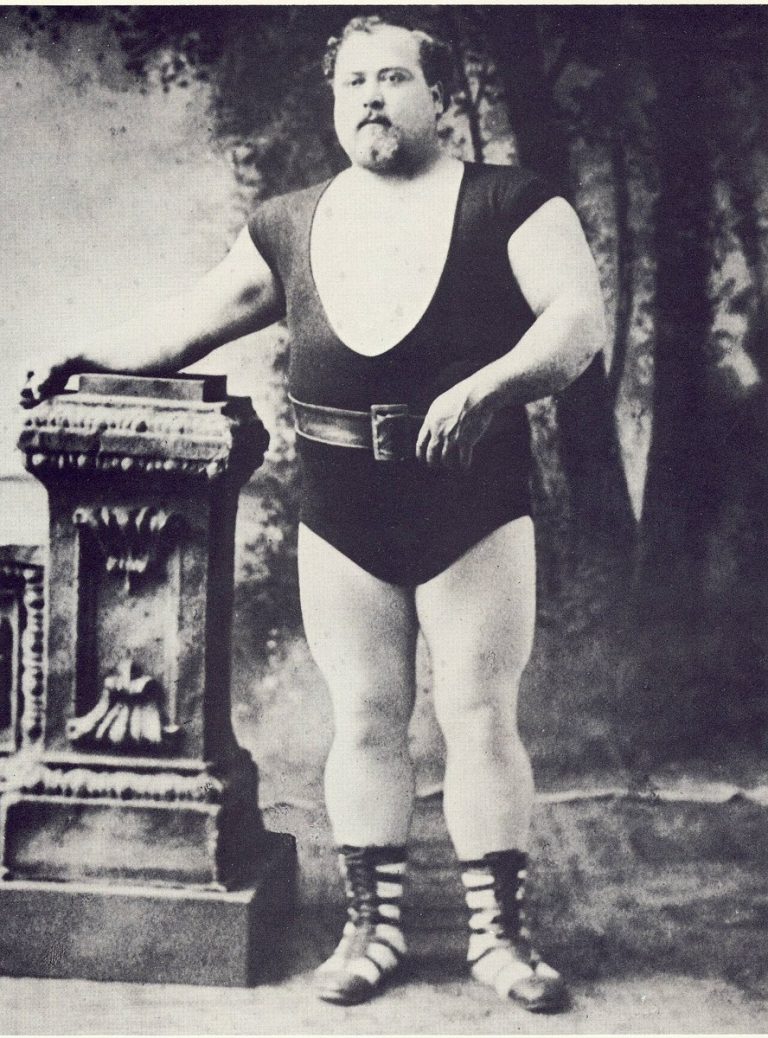
Louis Cyr, strongman, before 1900.
CA-K413Culture & sport

Louis Cyr, the strongest man in the world

Louis Cyr, born Noé-Cyprien Cyr at Saint-Cyprien-de-Napierville, Quebec, was a champion strongman of the late 19th century, reputed in the early 1890s to be the strongest man in the world. He performed in England and with the largest North American circuses, and in 1895 in Boston he lifted a platform holding 18 men, weighing 1,967 kilograms in all.

Factual accuracy review: No recorded challenge

Contributor: Citizen.ca

Verified against cited sourcesVerified on 2026-10-26↗
Photo: Anonymous (photographer unidentified) · Photo licence: Public domain · Credit & context
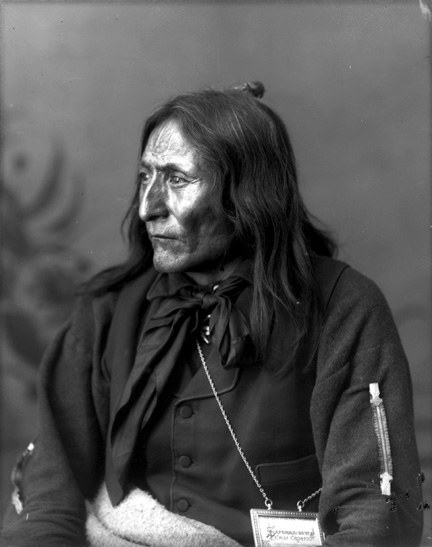
Portrait of Crowfoot, head chief of the Siksika, around 1885.
CA-K409Indigenous peoples & reconciliation

Isapo-Muxika (Crowfoot), Siksika peacemaker

Isapo-Muxika (Crowfoot), born Kainai and raised among the Siksika (Blackfoot), became a leading chief known as a warrior, orator and peacemaker. Convinced that peace served his people best, he made peace with the Plains Cree, adopting Poundmaker as his son, and persuaded the Siksika to sign Treaty 7 in 1877.

Factual accuracy review: No recorded challenge

Contributor: Citizen.ca

Verified against cited sourcesVerified on 2026-10-26↗
Photo: Alex Ross · Photo licence: Public domain · Credit & context
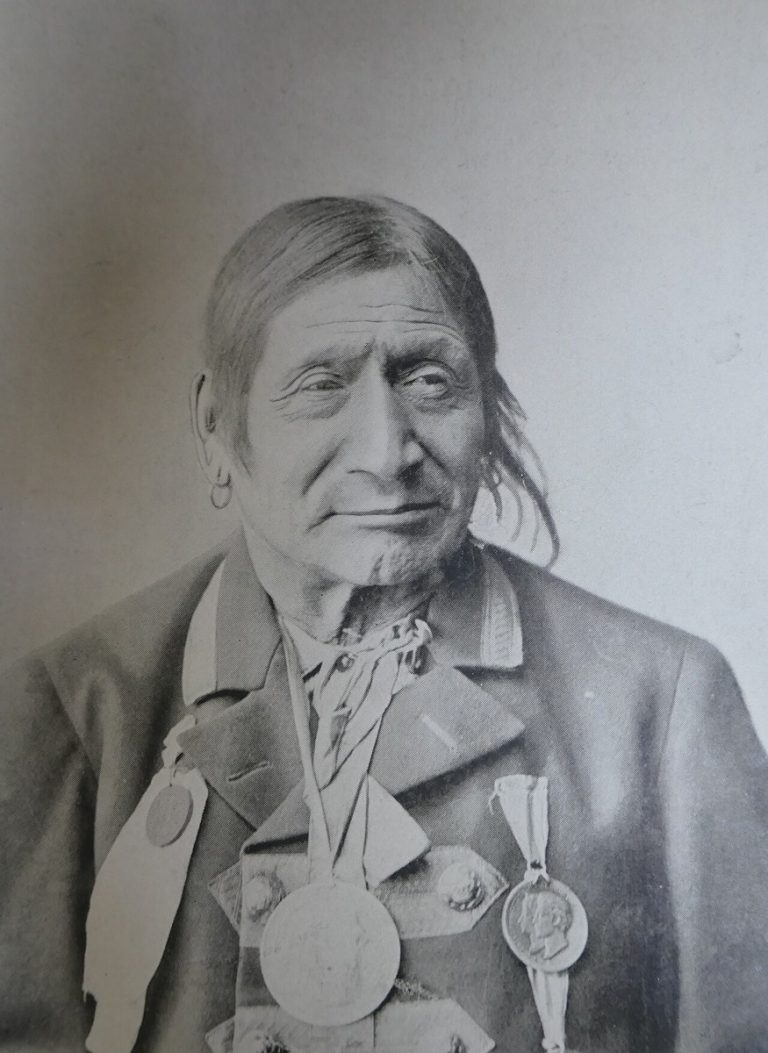
Red Crow in 1895.
CA-K405Indigenous peoples & reconciliation

Red Crow, head chief of the Kainai

Red Crow, warrior and statesman, became a head chief of the Kainai (Blood) in 1870. After first boycotting the negotiations, he signed Treaty 7 in 1877 on behalf of his people and chose the site of the Blood Reserve, the largest in Canada; his leadership helped the Kainai keep their proud and independent spirit.

Factual accuracy review: No recorded challenge

Contributor: Citizen.ca

Verified against cited sourcesVerified on 2026-10-26↗
Photo: Unknown author · Photo licence: Public domain · Credit & context
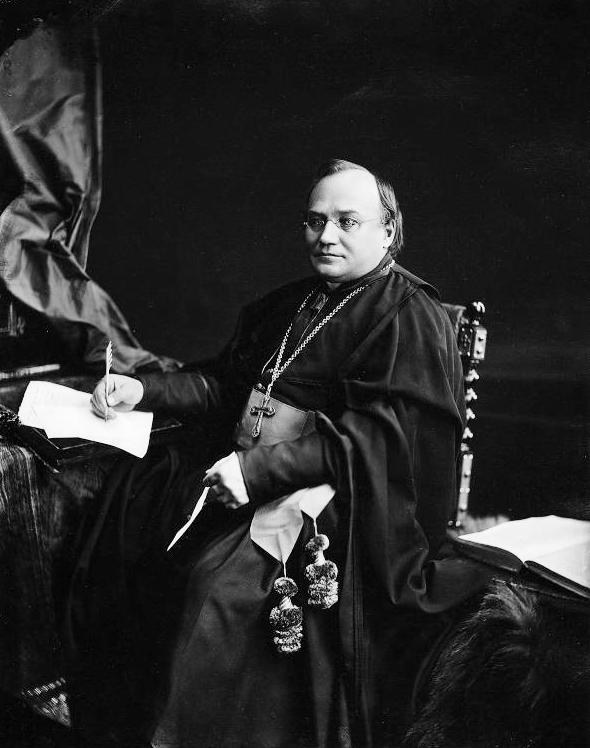
Archbishop Alexandre-Antonin Taché in 1873 (William Notman).
CA-K401Language & names

Archbishop Taché and French education in Manitoba

Alexandre-Antonin Taché, Bishop and then Archbishop of St. Boniface from 1853 to 1894, was the foremost Catholic leader in the West and oversaw missions, day schools and residential schools that sought to convert and assimilate Indigenous Peoples. He helped secure Catholic and French education rights in the Manitoba Act of 1870 and fought in vain to restore them after they were eroded from 1890.

Factual accuracy review: No recorded challenge

Contributor: Citizen.ca

Verified against cited sourcesVerified on 2026-10-26↗
Photo: William Notman · Photo licence: Public domain · Credit & context
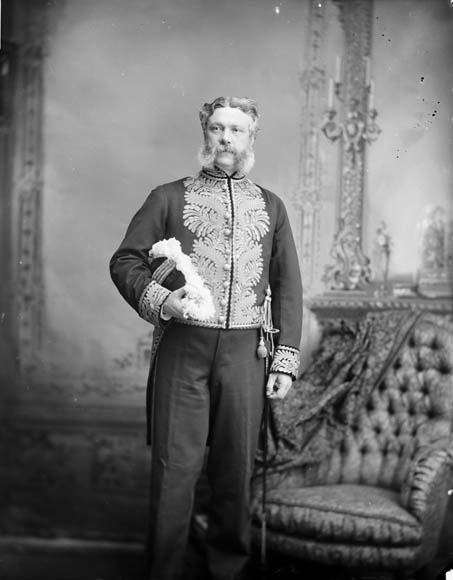
Lieutenant-Governor Edgar Dewdney, April 1883 (Topley Studio).
CA-K400Indigenous peoples & reconciliation

Edgar Dewdney and Indigenous policy on the Prairies

As Indian Commissioner (1879–1888) and Lieutenant-Governor of the North-West Territories, Edgar Dewdney withheld rations from starving First Nations until they settled on government-selected reserves, causing malnutrition, disease and death. After 1885 he helped impose the extralegal pass system and helped shape the residential school system, with devastating consequences for Indigenous children, families and communities.

Factual accuracy review: No recorded challenge

Contributor: Citizen.ca

Verified against cited sourcesVerified on 2026-10-26↗
Photo: Topley Studio / Library and Archives Canada / PA-027070 · Photo licence: Public domain · Credit & context
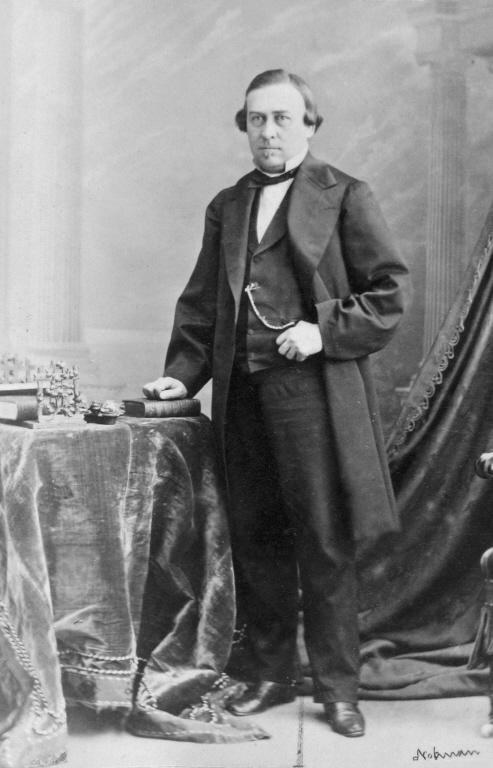
Hector-Louis Langevin in Montréal, 1865 (William Notman).
CA-K399Institutions

Sir Hector-Louis Langevin, Confederation and residential schools

Sir Hector-Louis Langevin, a Father of Confederation, attended all three conferences leading to 1867, helped draft the 72 Resolutions and led the Quebec Conservatives for nearly two decades. As Minister of Public Works, he called in 1883 for Indigenous children to be removed from their homes for assimilation and announced three industrial schools in the Northwest, part of the residential school system’s devastating expansion.

Factual accuracy review: No recorded challenge

Contributor: Citizen.ca

Verified against cited sourcesVerified on 2026-10-26↗
Photo: William Notman · Photo licence: Public domain · Credit & context
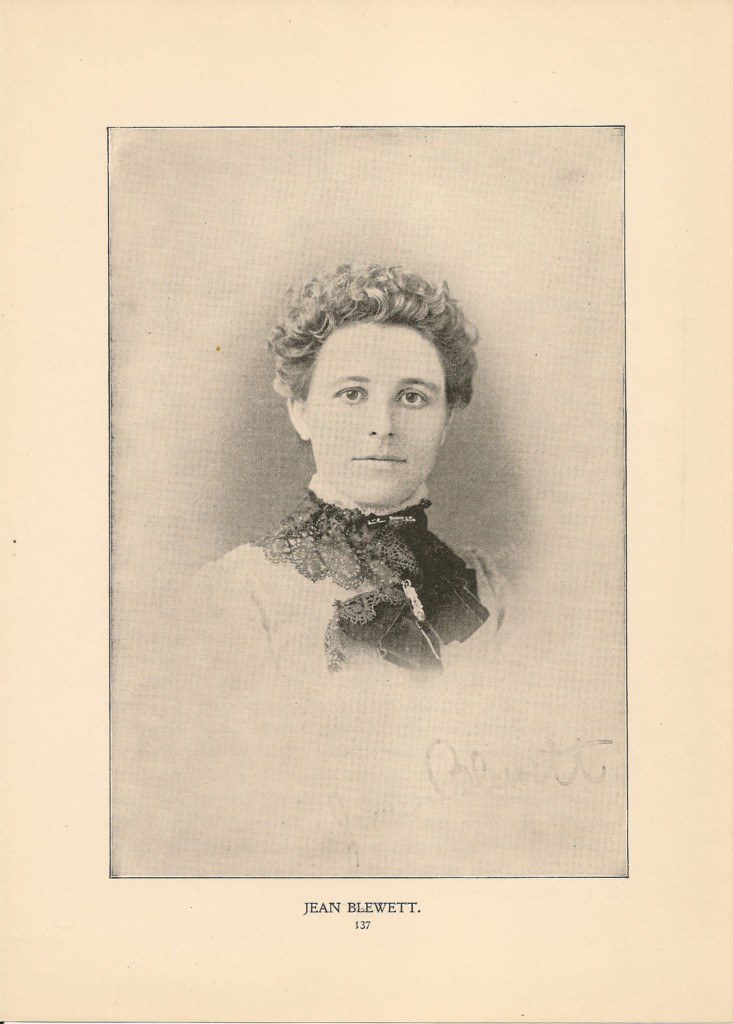
Jean Blewett, portrait from a book published around 1896.
CA-K392Culture & sport

Jean Blewett, poet and journalist

Jean (McKishnie) Blewett (1862–1934), born at Scotia, Upper Canada, was a popular early 20th-century poet and journalist. For many years on the staff of the Toronto Globe, she worked as a journalist until 1925 and published several volumes of poetry between 1897 and 1922, admired for their directness and simplicity.

Factual accuracy review: No recorded challenge

Contributor: Citizen.ca

Verified against cited sourcesVerified on 2026-10-26↗
Photo: Unknown author · Photo licence: Public domain · Credit & context
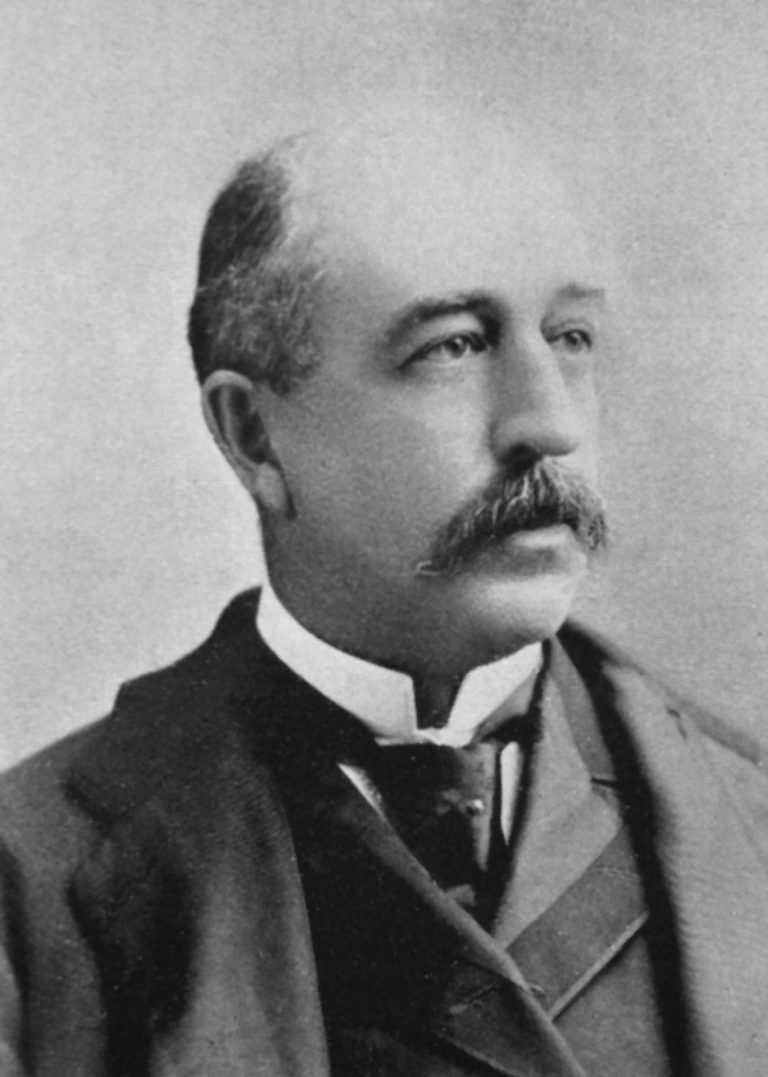
Portrait of Dr. Frédérick Montizambert.
CA-K389Institutions

Dr. Frédérick Montizambert, Canada’s first public health chief

Dr. Frédérick Montizambert (1843–1929) was medical superintendent of the Grosse Île quarantine station for 30 years and later oversaw all of Canada’s quarantine stations, pioneering bacteriology and epidemiology. In 1899 he became Canada’s first Director General of Public Health, championing prevention, disinfection and vaccination during a time of mass immigration.

Factual accuracy review: No recorded challenge

Contributor: Citizen.ca

Verified against cited sourcesVerified on 2026-10-26↗
Photo: Unknown author · Photo licence: Public domain · Credit & context
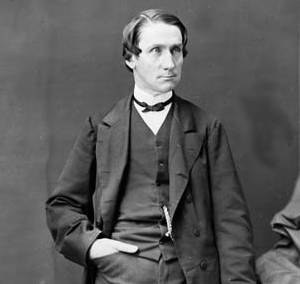
Alexander Morris in Ottawa, December 1869 (Topley Studio).
CA-K386Indigenous peoples & reconciliation

Alexander Morris and the Numbered Treaties

Alexander Morris, a supporter of Confederation and lieutenant-governor of Manitoba and the North-West Territories, negotiated Treaties 3, 4, 5 and 6 with First Nations from 1873 to 1876. First Nations sought a reciprocal relationship that safeguarded their autonomy, while Canada’s main goal was territorial expansion for settlers; Morris pressed the government to keep its spoken promises.

Factual accuracy review: No recorded challenge

Contributor: Citizen.ca

Verified against cited sourcesVerified on 2026-10-26↗
Photo: William James Topley · Photo licence: Public domain · Credit & context
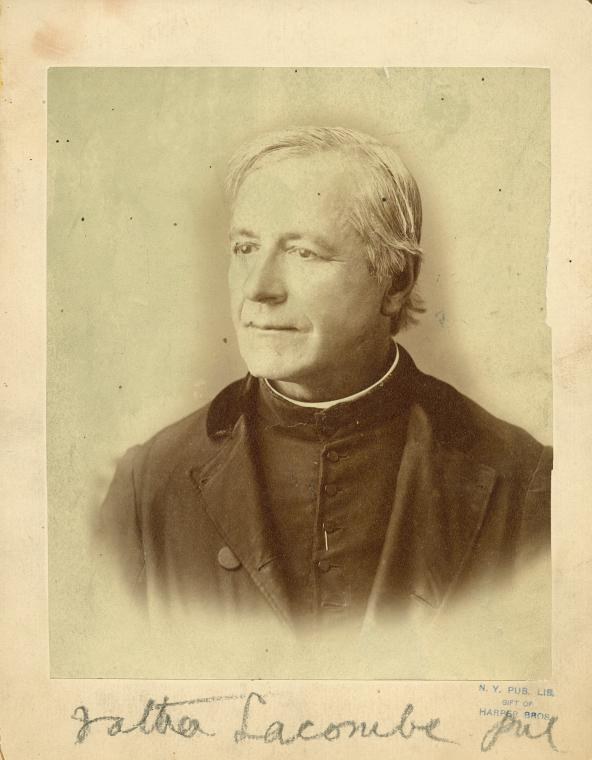
Father Albert Lacombe, photographed before 1916.
CA-K385Indigenous peoples & reconciliation

Father Albert Lacombe, missionary in the West

From 1852, Oblate priest Albert Lacombe spent over 60 years seeking to convert Indigenous Peoples in western Canada to Christianity, founding missions such as St. Albert with Métis and Cree help and acting as a go-between during Treaty 8 talks. He was the first principal of the High River Industrial School in 1884–1885 and advocated separating children from their families and suppressing Indigenous languages.

Factual accuracy review: No recorded challenge

Contributor: Citizen.ca

Verified against cited sourcesVerified on 2026-10-26↗
Photo: Unknown author · Photo licence: Public domain · Credit & context
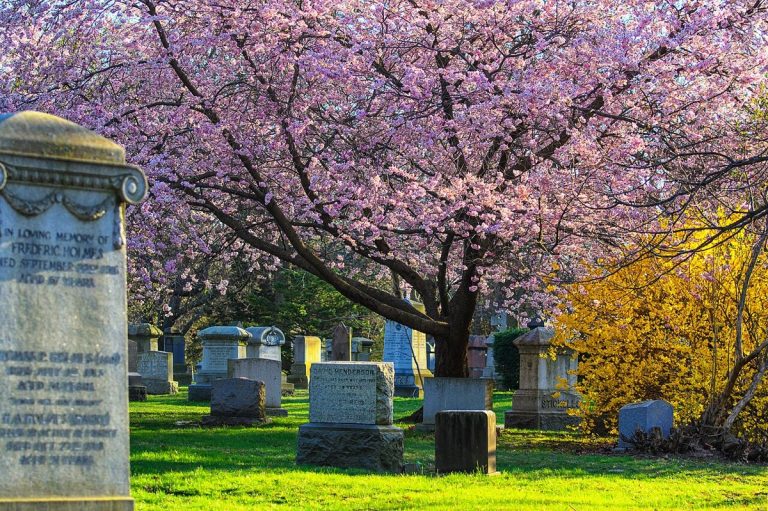
Cherry trees in blossom at Mount Pleasant Cemetery, Toronto, photographed in 2012.
CA-K381Places & geography

Mount Pleasant Cemetery, a Toronto garden cemetery

Mount Pleasant Cemetery in Toronto, designed by Henry Adolph Engelhardt and opened in 1876, is an outstanding example of landscape design inspired by the European and American garden cemeteries of the 19th century. Its winding roads, trees and views frame monuments to many people prominent in local, provincial and national history.

Factual accuracy review: No recorded challenge

Contributor: Citizen.ca

Verified against cited sourcesVerified on 2026-10-26↗
Photo: Anton Bielousov · Photo licence: CC BY-SA 3.0 · Credit & context
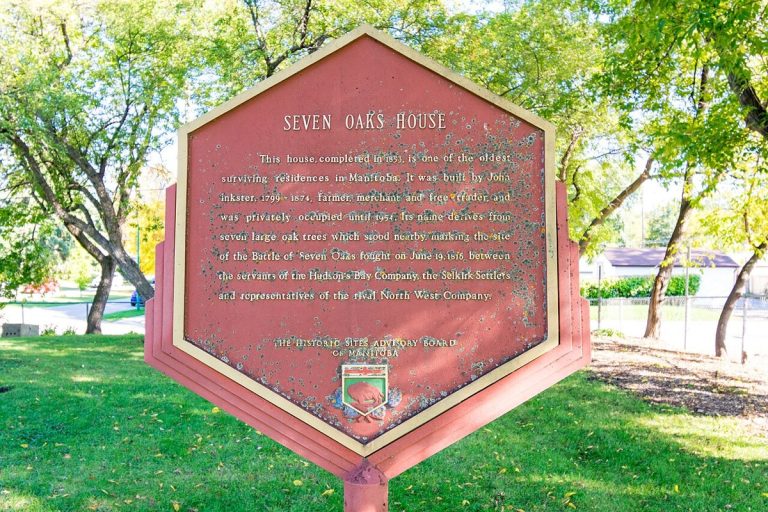
A historical plaque at Seven Oaks House Museum in Winnipeg, Manitoba, photographed in 2017.
CA-K376Indigenous peoples & reconciliation

Seven Oaks House and the Inkster family of Red River

Seven Oaks House in Winnipeg, in the Métis homeland and on Treaty 1 territory, includes a cabin of about 1831 built in Red River frame style and a Georgian house of 1851–1853. Home to the Scottish and Métis Inkster family, it shows the centrality of Métis families in the Red River community and the shift from the fur trade to farming and town life.

Factual accuracy review: No recorded challenge

Contributor: Citizen.ca

Verified against cited sourcesVerified on 2026-10-26↗
Photo: Jessica Losorata · Photo licence: CC BY-SA 4.0 · Credit & context