An independent Canadian knowledge project

Focused and Verified

Canadian knowledge base

Search by keyword

Choose one keyword, or combine two. Broader keywords include their descendants.

Keywords: Organization

Clear search
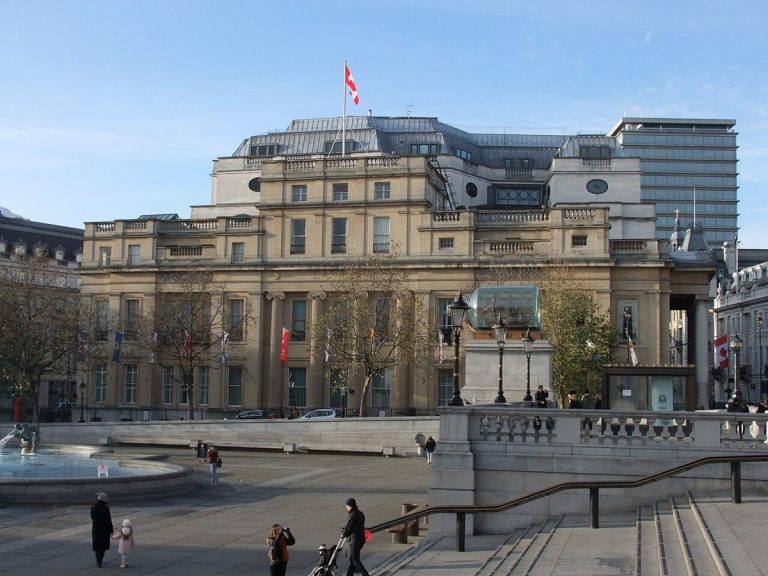
Canada House on Trafalgar Square, London, photographed in 2010.
CA-K283Institutions

Canada’s High Commission in London, 1880

In 1880, Canada became the first country of the British Empire to establish a high commission in London, mainly to promote trade and immigration, with former finance minister Sir Alexander Galt as the first high commissioner. Canada’s oldest diplomatic posting moved in 1925 to Canada House on Trafalgar Square, now a symbol of Canada in the British capital.

Factual accuracy review: No recorded challenge

Contributor: Citizen.ca

Verified against cited sourcesVerified on 2026-10-26↗
Photo: PAUL FARMER · Photo licence: CC BY-SA 2.0 · Credit & context
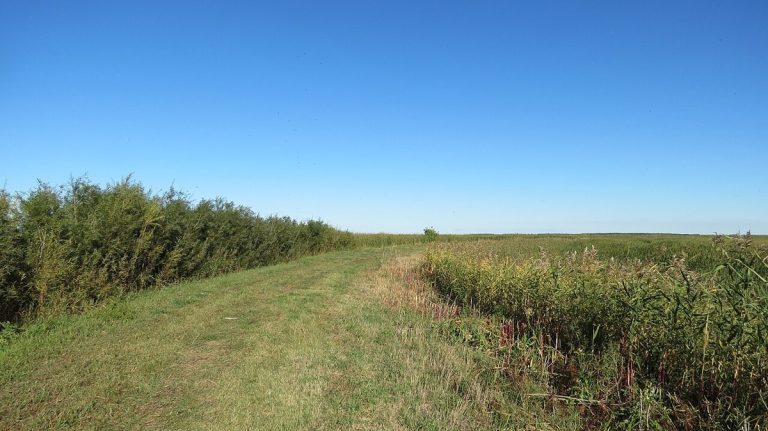
Oak Hammock Marsh near Stonewall, Manitoba, where the designation’s plaque stands, photographed in 2013.
CA-K272Places & geography

Ducks Unlimited Canada and wetland conservation

Ducks Unlimited Canada was founded in Winnipeg in 1938 by Canadian and American sportsmen responding to declining waterfowl populations and wetland loss. The organization helped develop wetland restoration and carried out one of the first large-scale surveys of breeding waterfowl, an early example of international, grassroots conservation.

Factual accuracy review: No recorded challenge

Contributor: Citizen.ca

Verified against cited sourcesVerified on 2026-10-26↗
Photo: Robert Linsdell from St. Andrews, Canada · Photo licence: CC BY 2.0 · Credit & context
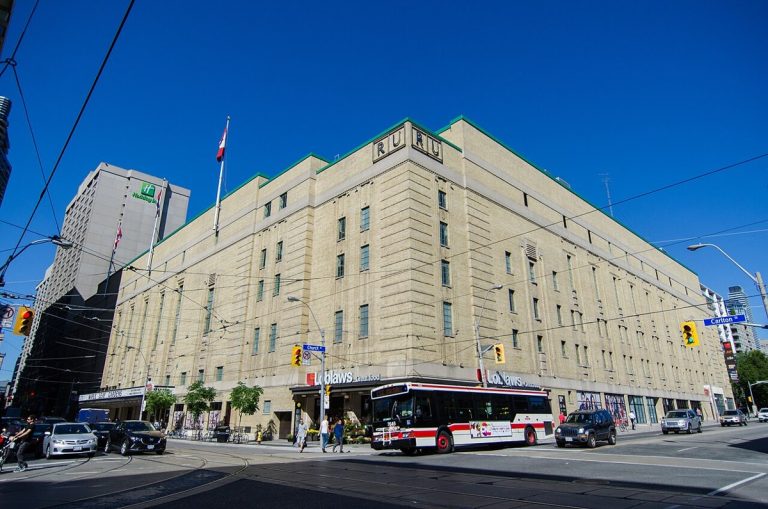
Maple Leaf Gardens at Church and Carlton streets, Toronto, photographed in 2016.
CA-K269Culture & sport

The Toronto Maple Leafs, an original NHL club

The Toronto Maple Leafs trace their origins to one of the first National Hockey League teams, formed in 1917; co-owner Conn Smythe renamed the St. Patricks the Maple Leafs in 1927 and built Maple Leaf Gardens during the Depression. Foster Hewitt’s broadcasts brought the team national attention, and it won 13 Stanley Cups between 1918 and 1967.

Factual accuracy review: No recorded challenge

Contributor: Citizen.ca

Verified against cited sourcesVerified on 2026-10-26↗
Photo: Jeff Hitchcock · Photo licence: CC BY 2.0 · Credit & context
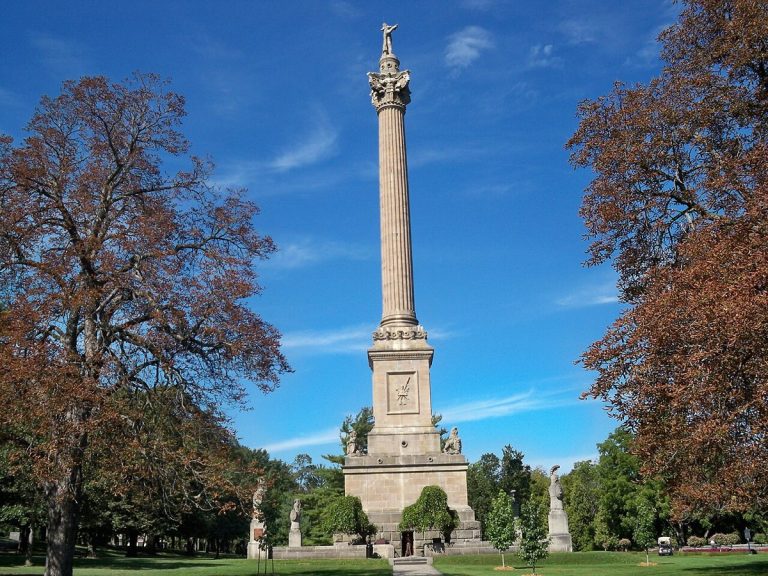
Brock’s Monument at Queenston Heights, Ontario, site of a War of 1812 battle in which the Colored Corps fought, photographed in 2012.
CA-K248History

Black militia units in Upper Canada, 1812–1850

Upper Canadians of African descent served in the militia to share in the duties and rights of British subjects. In the War of 1812, many joined regular units or the segregated Colored Corps, which worked on fortifications and fought at Queenston Heights and other Niagara battles; they also served during the Upper Canada Rebellion, many until 1850.

Factual accuracy review: No recorded challenge

Contributor: Citizen.ca

Verified against cited sourcesVerified on 2026-10-26↗
Photo: Mmcintyre · Photo licence: CC BY-SA 3.0 · Credit & context
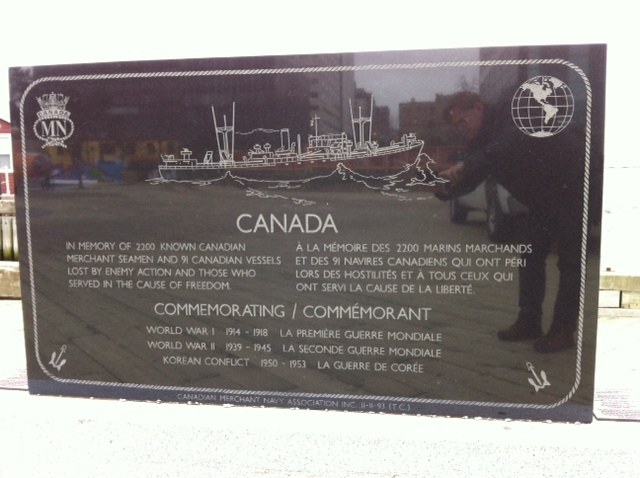
The Merchant Marine Monument at Sackville Landing, Halifax, photographed in 2013.
CA-K245History

The Canadian Merchant Navy in the Second World War

In the Second World War, the Canadian Merchant Navy contributed decisively to Allied victory by carrying troops and supplies to war zones around the world. Merchant mariners, men and women, faced the constant threat of enemy attack as well as the dangers of the open sea, and many lost their lives.

Factual accuracy review: No recorded challenge

Contributor: Citizen.ca

Verified against cited sourcesVerified on 2026-10-26↗
Photo: Hantsheroes · Photo licence: CC BY-SA 3.0 · Credit & context
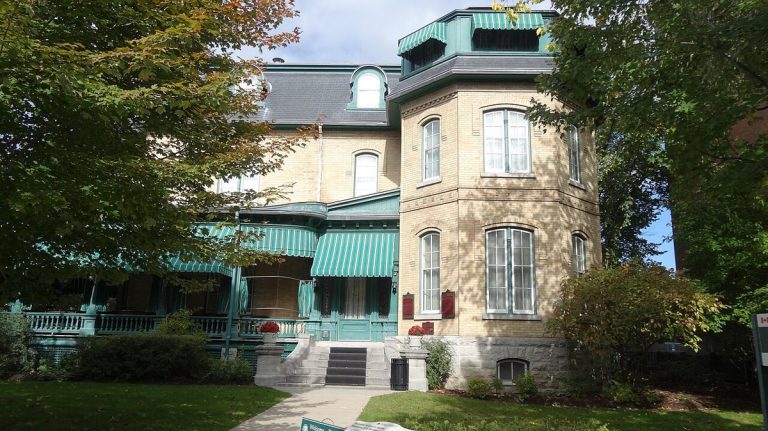
Laurier House in Ottawa, Prime Minister Mackenzie King’s home, next to which the unit worked from 1942 to 1945; photographed in 2014.
CA-K243History

The Examination Unit, Canada’s wartime codebreakers

The Examination Unit (1941–1945) was Canada’s secret civilian cryptographic bureau in the Second World War, working within the National Research Council; women made up about 40% of its staff. It helped the Allies decrypt French, German and Japanese messages and paved the way for the Communications Security Establishment, founded in 1975.

Factual accuracy review: No recorded challenge

Contributor: Citizen.ca

Verified against cited sourcesVerified on 2026-10-26↗
Photo: Suwannee.payne · Photo licence: CC BY-SA 3.0 · Credit & context
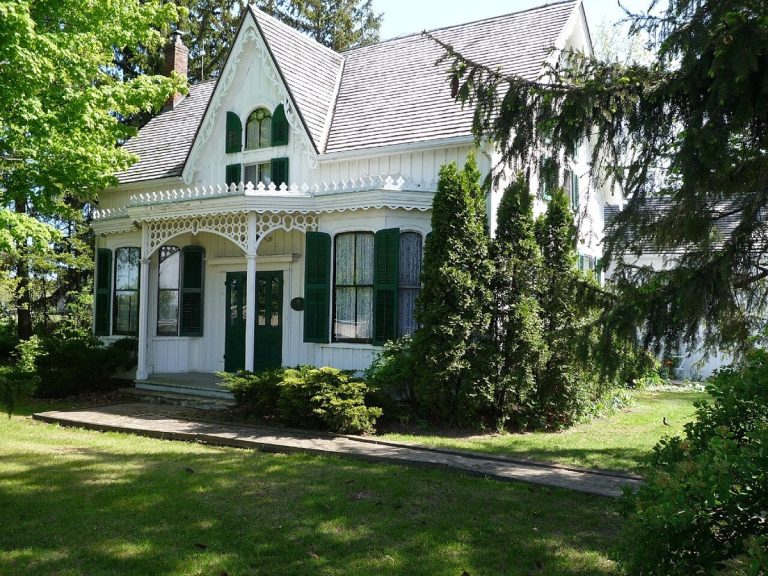
The Erland Lee Museum in Stoney Creek, Ontario, the farmhouse where the constitution was drafted, photographed in 2008.
CA-K205History

The first Women’s Institute, Stoney Creek, 1897

In 1897, inspired by domestic science reformer Adelaide Hoodless, Janet Lee drafted the constitution of the Stoney Creek Women’s Institute at her farmhouse in Ontario. The Women’s Institutes spread across Canada and the world, bringing rural women together to learn skills, promote civic reform and break the isolation of rural life.

Factual accuracy review: No recorded challenge

Contributor: Citizen.ca

Verified against cited sourcesVerified on 2026-10-26↗
Photo: Kristenkerr · Photo licence: Public domain · Credit & context
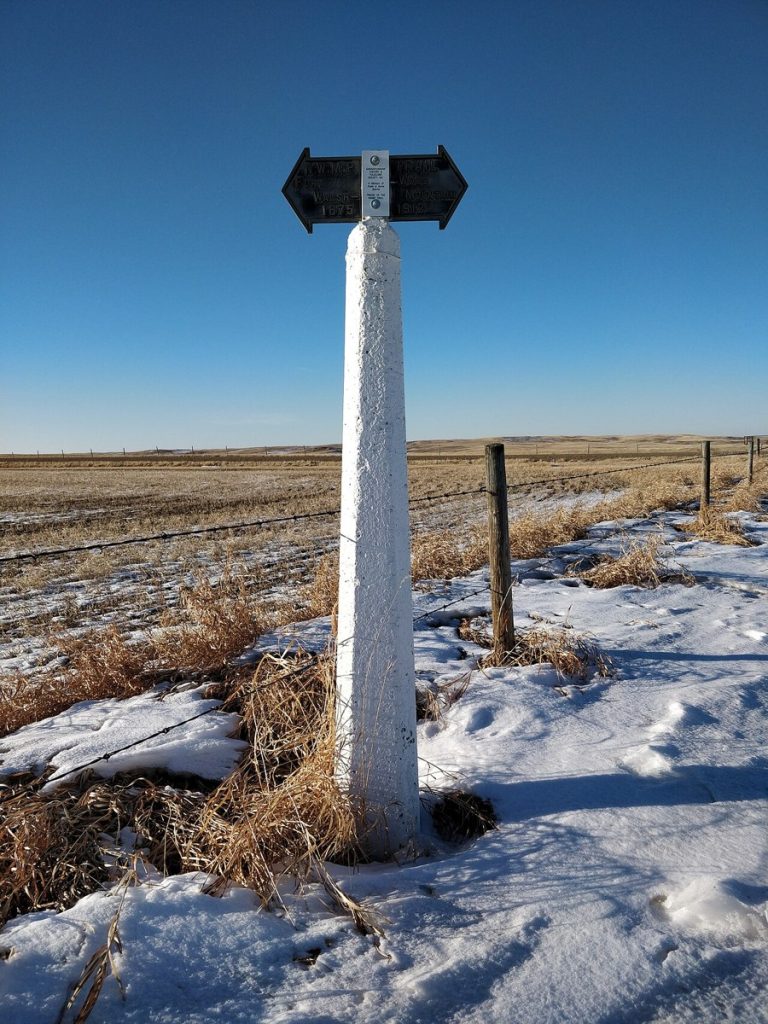
A North-West Mounted Police trail marker near Glen McPherson, Saskatchewan, on the former route between Fort Walsh and Wood Mountain, in 2021.
CA-K204History

The North-West Mounted Police, 1873

The North-West Mounted Police was established in 1873 by Prime Minister John A. Macdonald’s government as a paramilitary force of 300 mounted constables, to assert Canadian control over the North-West Territories. Arriving in 1874 after a 1,300-kilometre trek from Dufferin, Manitoba, the force set up posts without the consultation or permission of First Nations and enforced laws that disregarded Indigenous laws and ways of life.

Factual accuracy review: No recorded challenge

Contributor: Citizen.ca

Verified against cited sourcesVerified on 2026-10-26↗
Photo: Awmcphee · Photo licence: CC BY-SA 3.0 · Credit & context
Wild horses on a Sable Island beach, photographed in 2016; the image does not show the historic rescue establishment.
CA-K203History

The Sable Island Humane Establishment, 1801–1958

From 1801 to 1958, the Sable Island Humane Establishment rescued passengers and crews and recovered cargo from hundreds of vessels wrecked on the shifting shoals of Sable Island, about 290 kilometres southeast of Halifax. Founded long before the Canadian Coast Guard, it marked the beginning of government responsibility for marine safety.

Factual accuracy review: No recorded challenge

Contributor: Citizen.ca

Verified against cited sourcesVerified on 2026-10-26↗
Photo: Paul Gierszewski · Photo licence: CC BY-SA 4.0 · Credit & context
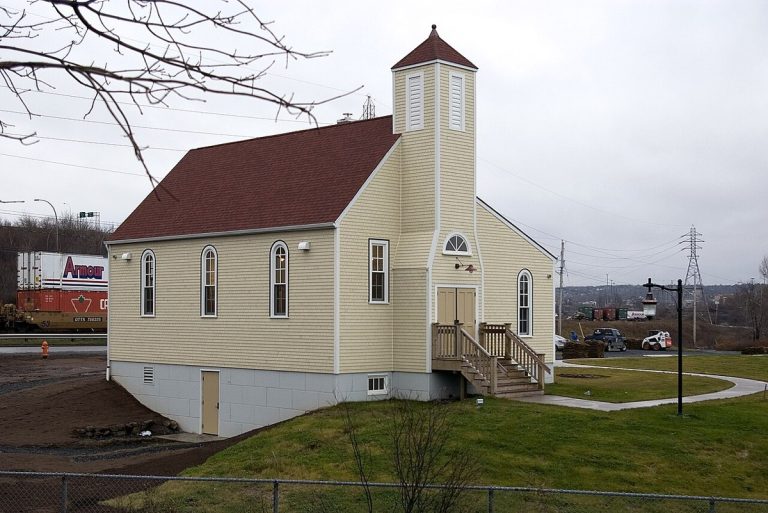
The Africville Museum in Halifax, housed in a replica of the Seaview African United Baptist Church, photographed in 2012.
CA-K198Culture & sport

The Colored Hockey League of the Maritimes, 1895

The Colored Hockey League of the Maritimes, formed in 1895 by African Canadian Baptist leaders in Dartmouth and Halifax, was the only all-Black men’s ice hockey league in Canada and soon expanded across Nova Scotia and Prince Edward Island. Its championships drew multiracial crowds, though players endured racism, and the league advanced the fight for equality.

Factual accuracy review: No recorded challenge

Contributor: Citizen.ca

Verified against cited sourcesVerified on 2026-10-26↗
Photo: DRheaume · Photo licence: CC BY-SA 3.0 · Credit & context
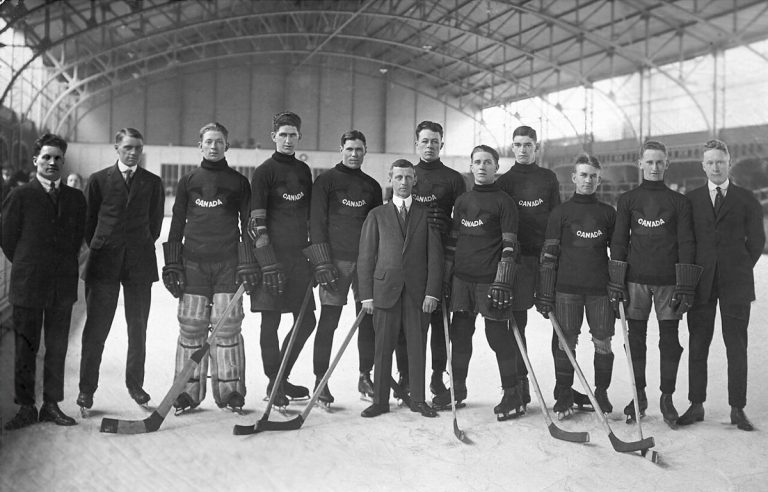
The Winnipeg Falcons team at the 1920 Summer Olympics in Antwerp.
CA-K191Culture & sport

The Winnipeg Falcons won the first Olympic hockey gold, 1920

The Winnipeg Falcons, a hockey club made up almost entirely of Icelandic Canadian players, won the Allan Cup as Canada’s senior amateur champions in 1920. That year they represented Canada in Antwerp, Belgium, and won the first Olympic gold medal for hockey.

Factual accuracy review: No recorded challenge

Contributor: Citizen.ca

Verified against cited sourcesVerified on 2026-10-26↗
Photo: Unknown authorUnknown author · Photo licence: Public domain · Credit & context
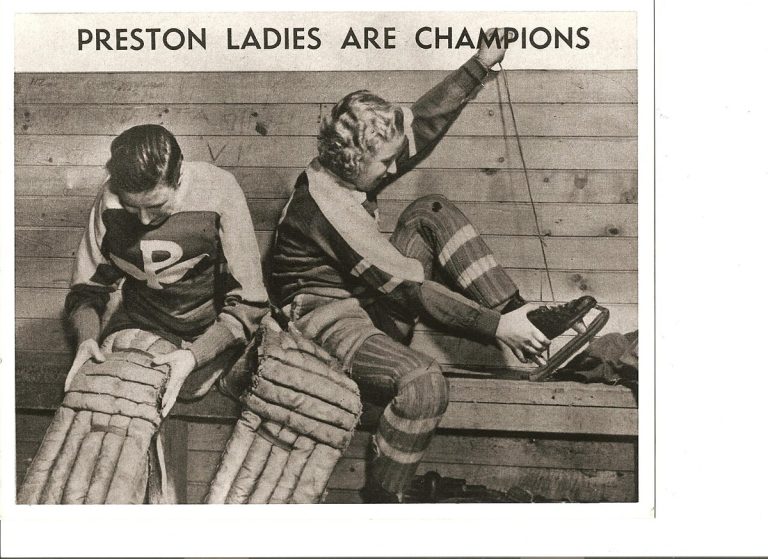
A 1940 Preston Rivulettes postcard.
CA-K168Culture & sport

The Preston Rivulettes, 1931–1940

The Preston Rivulettes of Preston (now Cambridge), Ontario, are considered the most successful early women’s hockey team, winning more than 95% of their games in their ten-year existence. Led by right-winger Hilda Ranscombe, they won most provincial, regional and national championships between 1931 and 1940.

Factual accuracy review: No recorded challenge

Contributor: Citizen.ca

Verified against cited sourcesVerified on 2026-10-26↗
Photo: Preston Rivulettes · Photo licence: Public domain · Credit & context
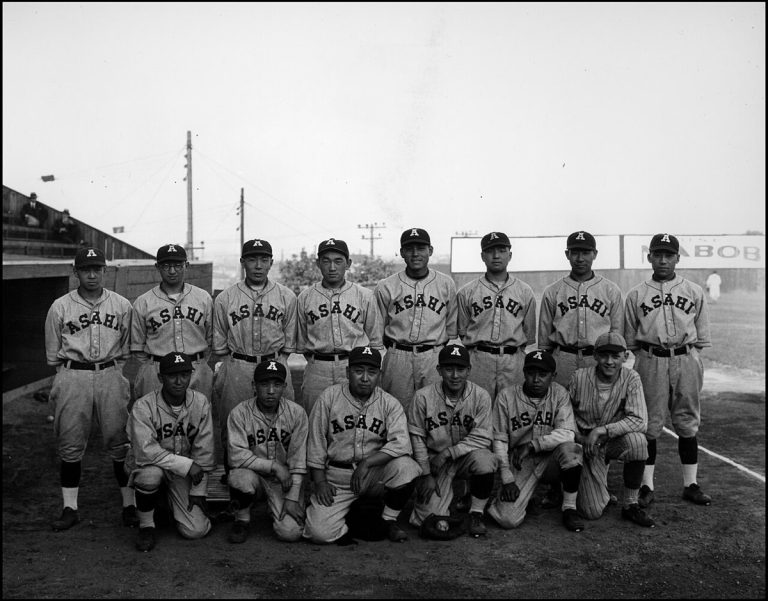
The Asahi Baseball Club seniors team in 1929 (Vancouver Public Library).
CA-K166Culture & sport

Vancouver’s Asahi baseball team, 1914–1941

Between 1914 and 1941, when Japanese Canadians faced racism, Vancouver’s Asahi Baseball Team won championships in senior amateur leagues with its “brain ball” style of bunting and speed. The team became a symbol of the Japanese Canadian struggle for equality and respect, and was disbanded during the Second World War internment.

Factual accuracy review: No recorded challenge

Contributor: Citizen.ca

Verified against cited sourcesVerified on 2026-10-26↗
Photo: Vancouver Public Library Historical Photographs · Photo licence: Public domain · Credit & context
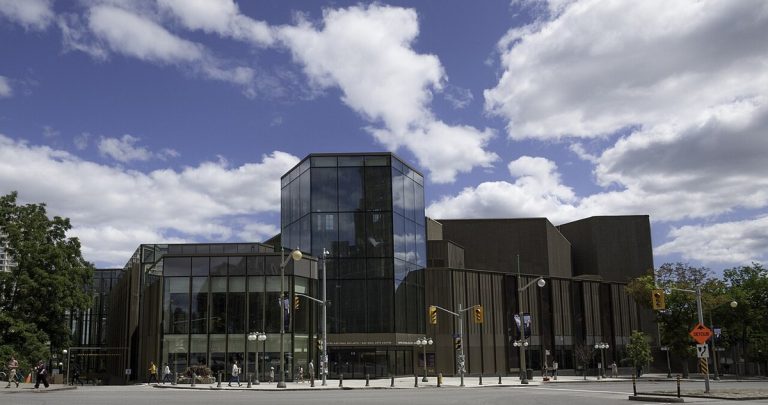
The renewed entrance and façade of the National Arts Centre, Ottawa, photographed in 2019.
CA-K129Culture & sport

The National Arts Centre opened in 1969

Canada’s National Arts Centre in Ottawa opened on 2 June 1969, two years after the centennial that inspired it. Built to produce and present music, opera, theatre and dance, it was designed to be bilingual, reflecting Canada’s linguistic duality.

Factual accuracy review: No recorded challenge

Contributor: Citizen.ca

Verified against cited sourcesVerified on 2026-10-26↗
Photo: Thelongdarkteatimeofthesoul · Photo licence: CC BY-SA 4.0 · Credit & context
Natan Obed, president of Inuit Tapiriit Kanatami, in 2016.
CA-K121Indigenous peoples & reconciliation

Inuit Tapiriit Kanatami was founded in 1971

Inuit Tapiriit Kanatami, the national Inuit organization formerly called the Inuit Tapirisat of Canada, was founded in February 1971 by seven Inuit community leaders. It grew out of shared concern about land and resource ownership in Inuit Nunangat.

Factual accuracy review: No recorded challenge

Contributor: Citizen.ca

Verified against cited sourcesVerified on 2026-10-26↗
Photo: U.S. Department of the Interior · Photo licence: CC BY-SA 2.0 · Credit & context
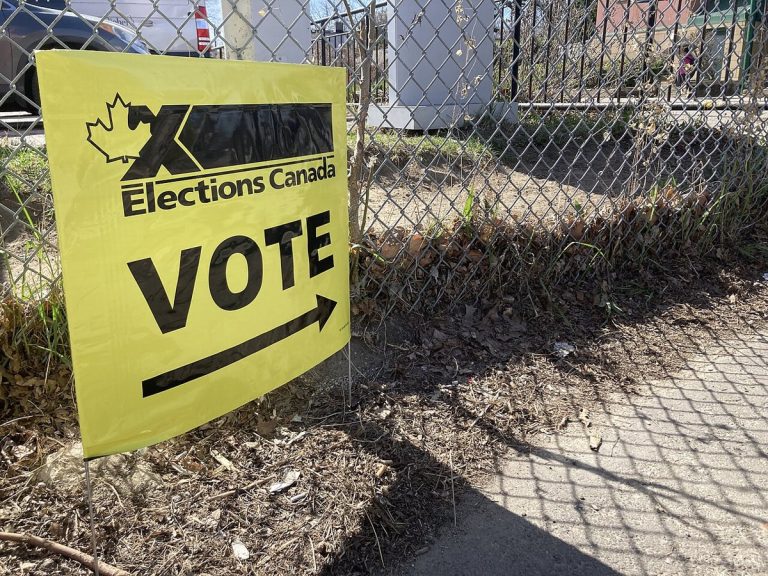
An Elections Canada polling station sign in Toronto during the 2025 federal election.
CA-K108Institutions

Elections Canada, an independent agency of Parliament

Elections Canada is an independent, non-partisan agency of Parliament, headed by the Chief Electoral Officer. The position of Chief Electoral Officer was created in 1920 by the Dominion Elections Act, largely to end political partisanship in the administration of federal elections.

Factual accuracy review: No recorded challenge

Contributor: Citizen.ca

Verified against cited sourcesVerified on 2026-10-26↗
Photo: Can Pac Swire · Photo licence: CC BY-SA 2.0 · Credit & context