An independent Canadian knowledge project

Focused and Verified

Canadian knowledge base

Search by keyword

Choose one keyword, or combine two. Broader keywords include their descendants.

Keywords: 1800–1899

Clear search
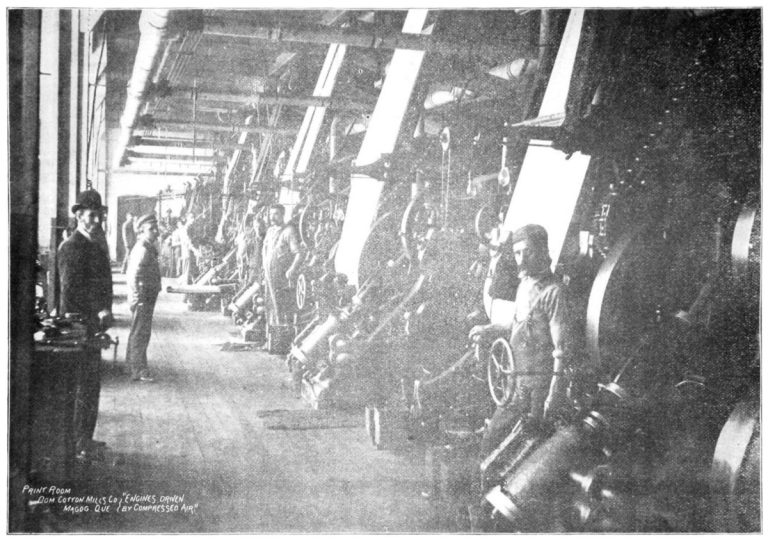
The print room of the Magog cotton mill in 1897.
CA-K373Economy & trade

The Magog Textile Mill, Canada’s first cotton printing

The Magog Textile Mill in Quebec, built in 1883 on the Magog River, began printing cotton in 1884 and was the country’s only cotton-printing mill until 1899. It was the only 19th-century mill where spinning, weaving, bleaching and printing were all done at one site; as part of Dominion Textile it employed 2,300 people by 1943.

Factual accuracy review: No recorded challenge

Contributor: Citizen.ca

Verified against cited sourcesVerified on 2026-10-26↗
Photo: Charles Havelock Taylor (1859-1953) · Photo licence: Public domain · Credit & context
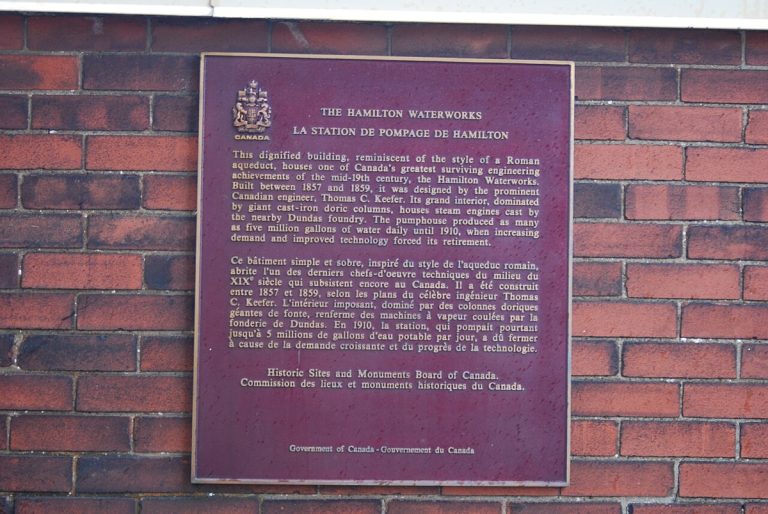
A commemorative plaque for the Hamilton Waterworks in Hamilton, Ontario, photographed in 2011.
CA-K372Economy & trade

The Hamilton Waterworks, a Victorian engineering feat

The Hamilton Waterworks in Ontario, built in 1857–1859 to a design by engineer Thomas C. Keefer, is one of Canada’s greatest surviving engineering achievements of the mid-19th century. Its steam-powered pumphouse supplied as much as five million gallons of water a day until 1910, and the complex survives largely intact.

Factual accuracy review: No recorded challenge

Contributor: Citizen.ca

Verified against cited sourcesVerified on 2026-10-26↗
Photo: John A. Speakman · Photo licence: CC BY-SA 3.0 · Credit & context
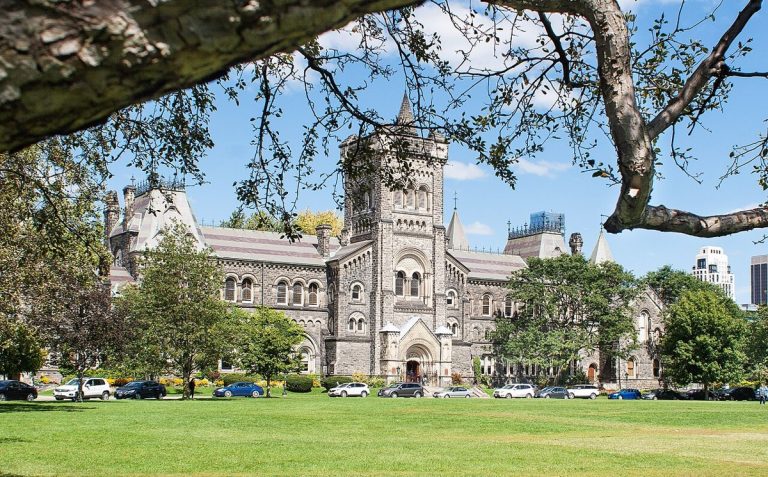
University College on the St. George campus of the University of Toronto, photographed in 2017.
CA-K370Institutions

University College and non-denominational higher education

University College in Toronto, built in 1856–1859 to designs by F. W. Cumberland, largely assured the future of the University of Toronto and drew it into a federal pattern widely followed in Canada and the Commonwealth. It realized a major 19th-century goal: a non-denominational, government-supported institution of higher learning.

Factual accuracy review: No recorded challenge

Contributor: Citizen.ca

Verified against cited sourcesVerified on 2026-10-26↗
Photo: BeautifulWaters · Photo licence: CC BY-SA 4.0 · Credit & context
Montmorency Park in Québec City, photographed in 2024.
CA-K369Institutions

Montmorency Park, where parliaments met in Québec

For nearly a century, Montmorency Park in Québec City was where the legislators of Lower Canada, the Province of Canada and the Province of Quebec met. The Québec Conference of 1864 drafted its 72 resolutions for Confederation here. After fire destroyed the Parliament Building in 1883, the site became a public park ten years later.

Factual accuracy review: No recorded challenge

Contributor: Citizen.ca

Verified against cited sourcesVerified on 2026-10-26↗
Photo: Pymouss · Photo licence: CC BY-SA 4.0 · Credit & context
Apothecaries Hall on Queen Street, Charlottetown, Prince Edward Island, photographed in 2013.
CA-K368Economy & trade

Apothecaries Hall, a Charlottetown pharmacy from 1810

Apothecaries Hall in Charlottetown was the site of an apothecary shop opened by Thomas DesBrisay Jr. in December 1810 to supply medicines to Prince Edward Islanders. The present brick building replaced the wooden one in 1901, and when the drug store closed in 1986 it was one of the longest continuously operated pharmacies in Canada.

Factual accuracy review: No recorded challenge

Contributor: Citizen.ca

Verified against cited sourcesVerified on 2026-10-26↗
Photo: Larry · Photo licence: CC BY 2.0 · Credit & context
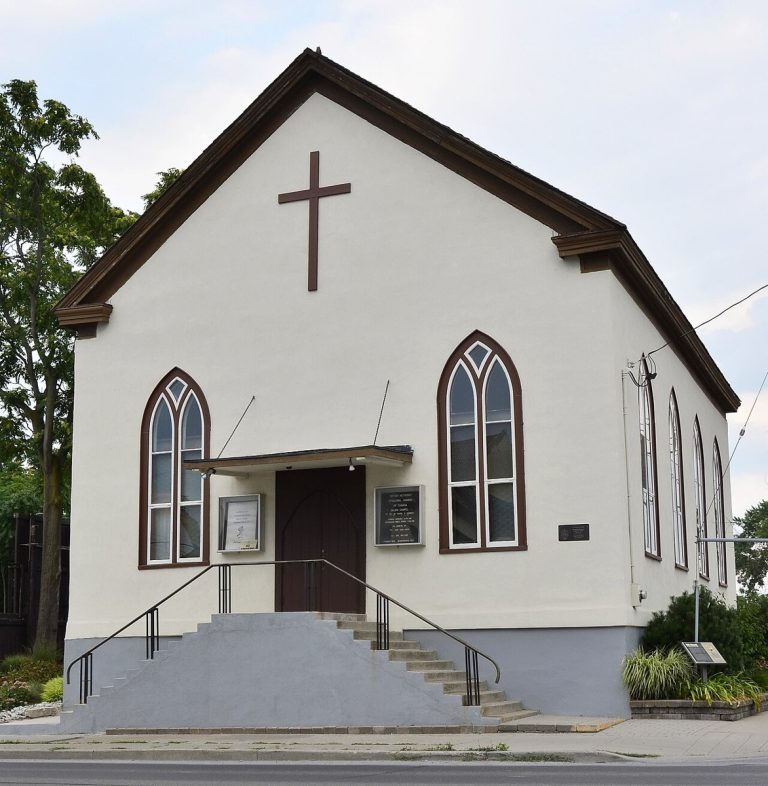
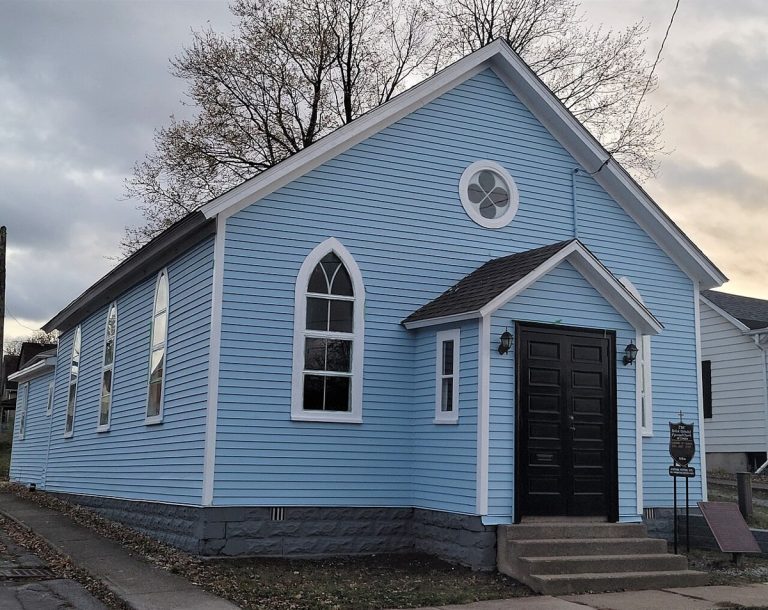
Salem Chapel British Methodist Episcopal Church in St. Catharines, Ontario, photographed in 2012.
CA-K367History

Salem Chapel, St. Catharines

Salem Chapel, a British Methodist Episcopal church built in 1855 in St. Catharines, Ontario, was an important centre of 19th-century abolitionist and civil rights activity in Canada. Harriet Tubman lived nearby from 1851 to 1858 and is traditionally associated with the chapel, and many of those she helped to freedom became its members.

Factual accuracy review: No recorded challenge

Contributor: Citizen.ca

Verified against cited sourcesVerified on 2026-10-26↗
Photo: Apple789 · Photo licence: CC BY-SA 3.0 · Credit & context
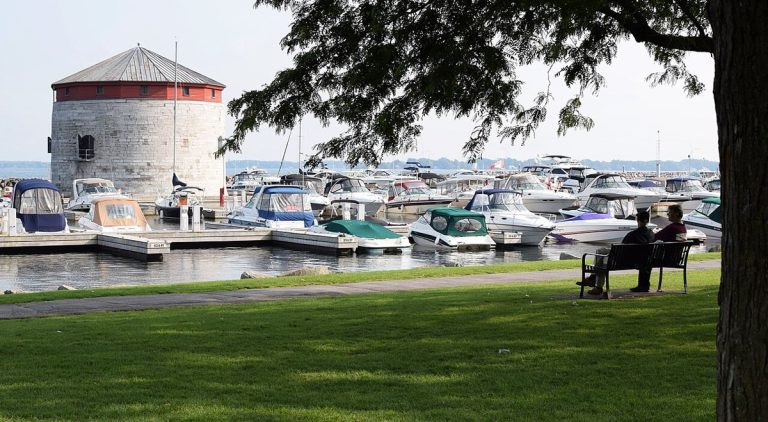
Shoal Tower in Kingston harbour, Ontario, photographed in 2017.
CA-K362History

Shoal Tower, a Kingston Martello tower

Shoal Tower in Kingston’s harbour was built by the British government in 1846–1847 as one of four Martello towers, with the Market Battery, to reinforce Kingston’s defences against an anticipated American threat during the Oregon Crisis. It is part of the Kingston Fortifications, linked to the town’s military importance and the Great Lakes–Rideau Canal route.

Factual accuracy review: No recorded challenge

Contributor: Citizen.ca

Verified against cited sourcesVerified on 2026-10-26↗
Photo: Mark · Photo licence: CC BY 2.0 · Credit & context
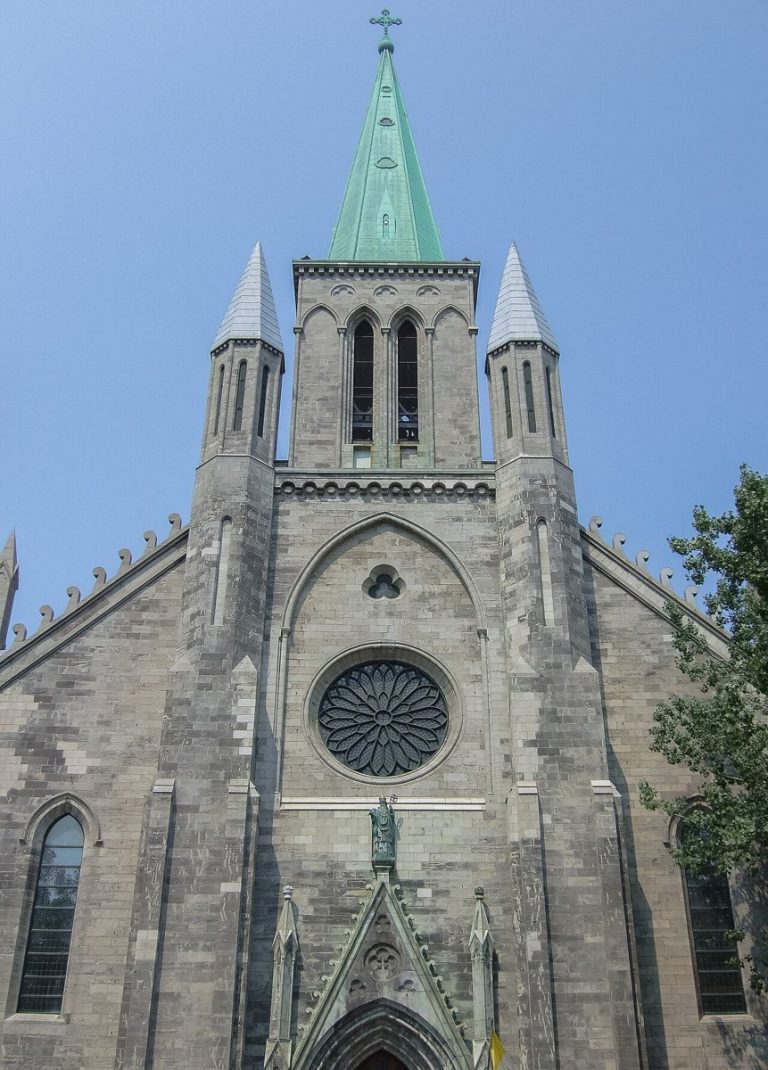
St. Patrick’s Basilica in Montréal, photographed in 2007.
CA-K358History

St. Patrick’s Basilica, Montréal

St. Patrick’s Basilica in Montréal, built from 1843 to 1847 as the parish church of the city’s growing Irish population, is a fine example of French Gothic Revival architecture. Its clergy cared for Irish immigrants during an epidemic soon after it opened, and it remains the heart of Montréal’s Irish community.

Factual accuracy review: No recorded challenge

Contributor: Citizen.ca

Verified against cited sourcesVerified on 2026-10-26↗
Photo: Diego Delso · Photo licence: CC BY-SA 4.0 · Credit & context
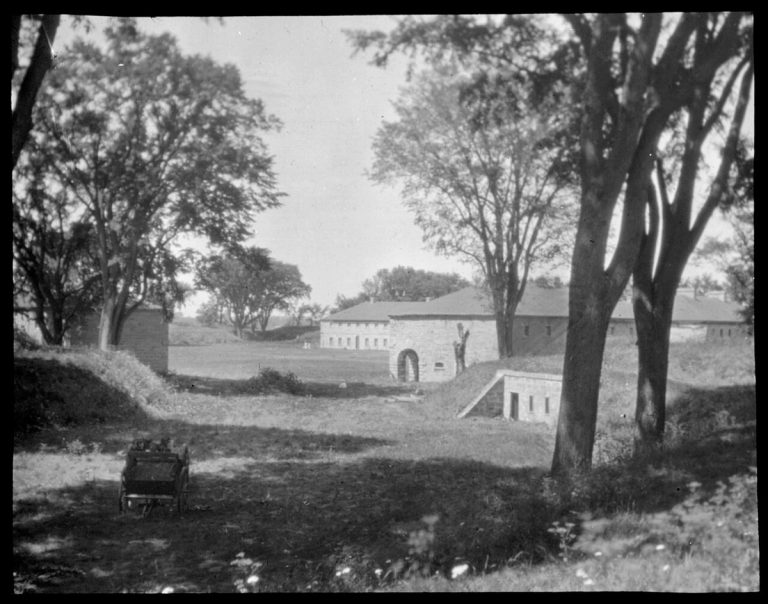
Fort Lennox on Île aux Noix, Quebec, looking southwest, in 1923.
CA-K357History

Fort Lennox on Île aux Noix

Fort Lennox, on Île aux Noix in the Richelieu River, guarded one of the gateways to Canada along the Hudson–Champlain–Richelieu route. Fortified by the French in 1759, captured by the British in 1760 and used by American revolutionary forces in 1775, the island was repeatedly fortified and held a garrison until 1870.

Factual accuracy review: No recorded challenge

Contributor: Citizen.ca

Verified against cited sourcesVerified on 2026-10-26↗
Photo: Photographer unidentified; Archives of Ontario · Photo licence: Public domain · Credit & context
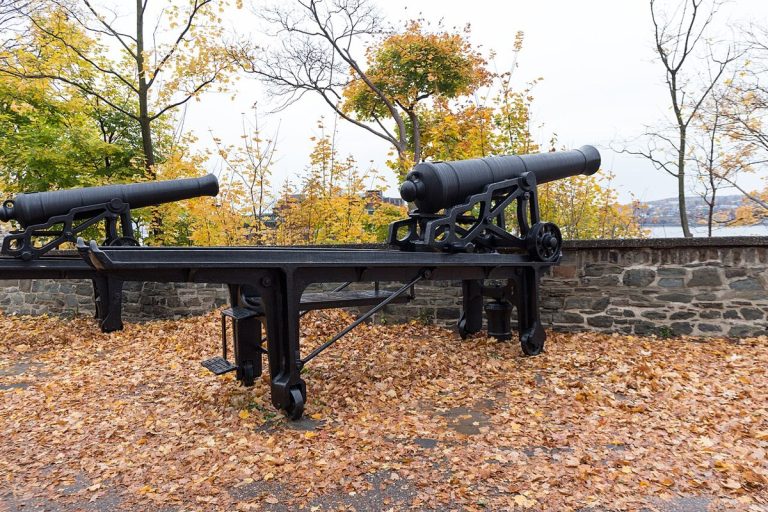
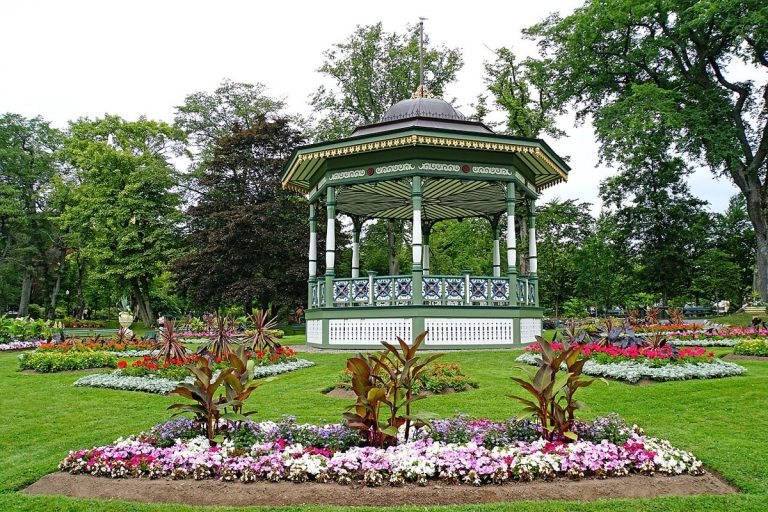
The bandstand and geometric flower beds of the Halifax Public Gardens, photographed in 2016.
CA-K356Places & geography

The Halifax Public Gardens, a Victorian garden

The Halifax Public Gardens, established in 1874 by joining two older gardens, is a rare surviving example of a Victorian public garden. Superintendent Robert Power gave it a symmetrical plan, a bandstand, fountains and carpet beds in the Victorian “Gardenesque” tradition, and it remains a public park.

Factual accuracy review: No recorded challenge

Contributor: Citizen.ca

Verified against cited sourcesVerified on 2026-10-26↗
Photo: Dennis G. Jarvis · Photo licence: CC BY-SA 2.0 · Credit & context
The R. Nathaniel Dett British Methodist Episcopal Church in Niagara Falls, Ontario, photographed in 2022.
CA-K347History

R. Nathaniel Dett BME Church, Niagara Falls

The R. Nathaniel Dett British Methodist Episcopal Church in Niagara Falls, Ontario, built in 1836 and later rolled on logs to its present site, illustrates early Black settlement in the Niagara area and the church’s role in receiving and sheltering Underground Railroad refugees. It is associated with the formative years of R. Nathaniel Dett, a leading figure in 20th-century North American sacred music.

Factual accuracy review: No recorded challenge

Contributor: Citizen.ca

Verified against cited sourcesVerified on 2026-10-26↗
Photo: Mhsheikholeslami · Photo licence: CC BY-SA 4.0 · Credit & context
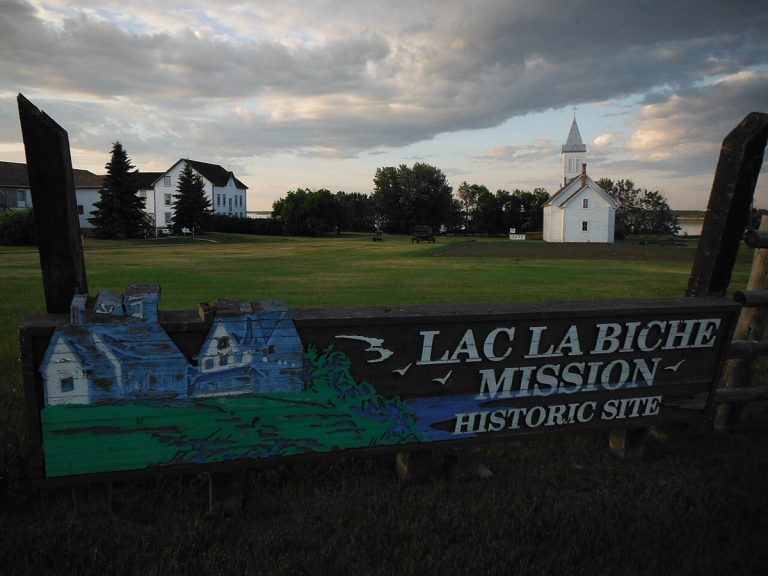
Lac La Biche Mission National Historic Site on the shore of Lac La Biche, Alberta, photographed in 2012.
CA-K345Indigenous peoples & reconciliation

Lac La Biche Mission

Notre Dame des Victoires / Lac La Biche Mission in Alberta, established by the Oblates in 1853 in the lands of the nêhiyawak (Cree) and other First Nations and the Métis homeland, was created to convert First Nations and Métis peoples to Christianity and became a supply hub for northern missions. From the 1860s its school, run by the Grey Nuns, was among the Catholic Church’s earliest experiments in residential education in the northwest.

Factual accuracy review: No recorded challenge

Contributor: Citizen.ca

Verified against cited sourcesVerified on 2026-10-26↗
Photo: Grapher78 · Photo licence: CC BY-SA 3.0 · Credit & context
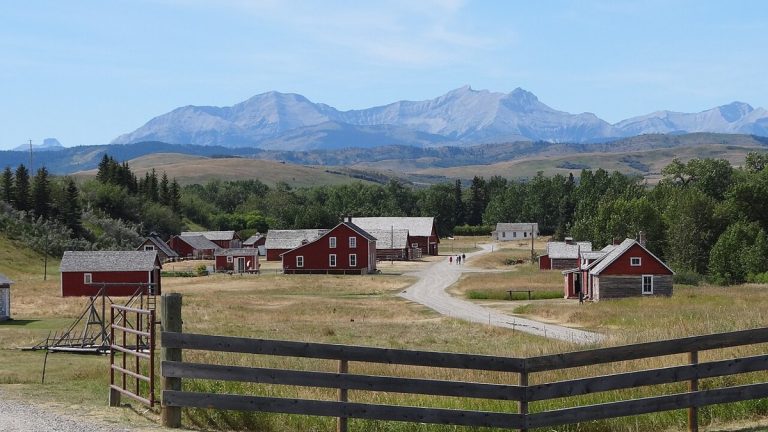
The Bar U Ranch National Historic Site, Alberta, seen from the interpretive centre in 2011.
CA-K336Economy & trade

The Bar U Ranch and Alberta ranching

The Bar U Ranch in the Alberta foothills was established in 1882 under the federal grazing lease policy and played an important role in Canada’s ranching industry. Owned in turn by the North-West Cattle Company, cattleman George Lane and Patrick Burns, the historic ranch represents Alberta ranching from 1880 to 1950.

Factual accuracy review: No recorded challenge

Contributor: Citizen.ca

Verified against cited sourcesVerified on 2026-10-26↗
Photo: David Mathew · Photo licence: CC BY-SA 3.0 · Credit & context
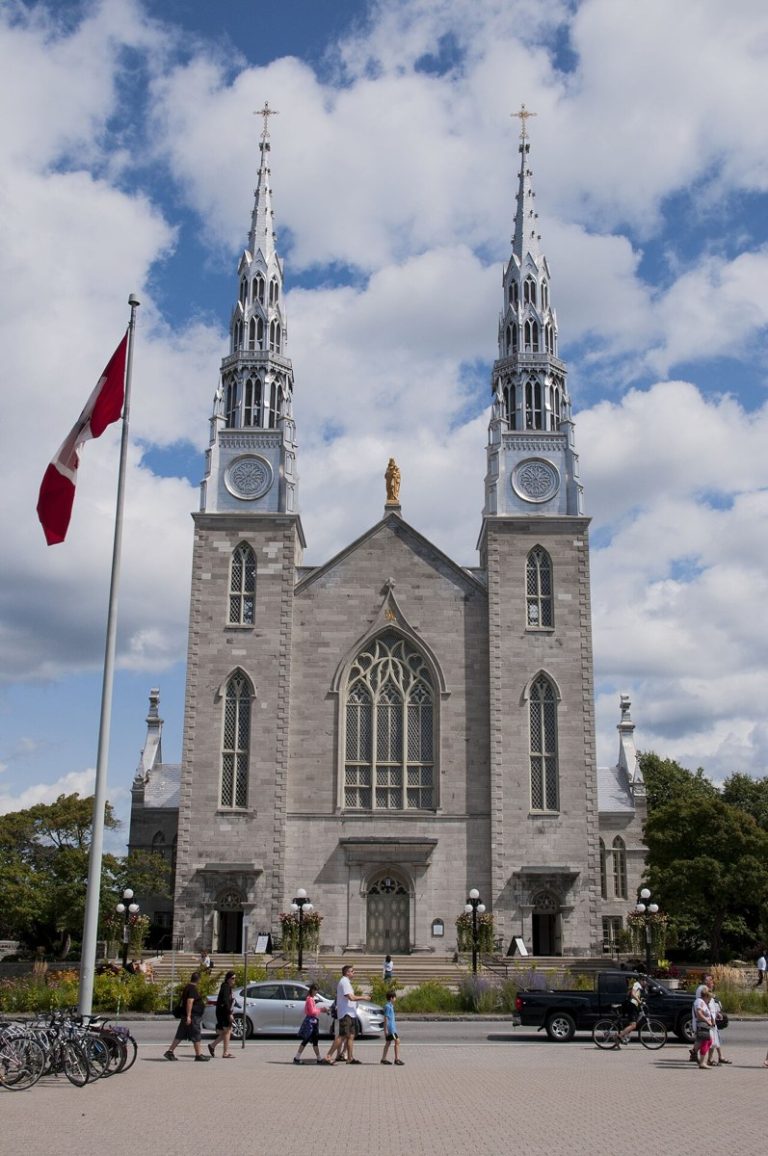
Notre-Dame Cathedral Basilica in Ottawa, photographed in 2017.
CA-K335Culture & sport

Notre-Dame Cathedral Basilica, Ottawa

Notre-Dame Cathedral Basilica in Ottawa, first planned as a parish church in 1839, became cathedral of the new Catholic Diocese of Bytown in 1847 and a basilica in 1879. Its twin spires, Nincheri stained-glass windows and carved sanctuary reflect an exceptional design inspired by the French Gothic Revival, integrating classicism and French-Canadian church architecture.

Factual accuracy review: No recorded challenge

Contributor: Citizen.ca

Verified against cited sourcesVerified on 2026-10-26↗
Photo: Avramescu Marius · Photo licence: CC BY-SA 4.0 · Credit & context
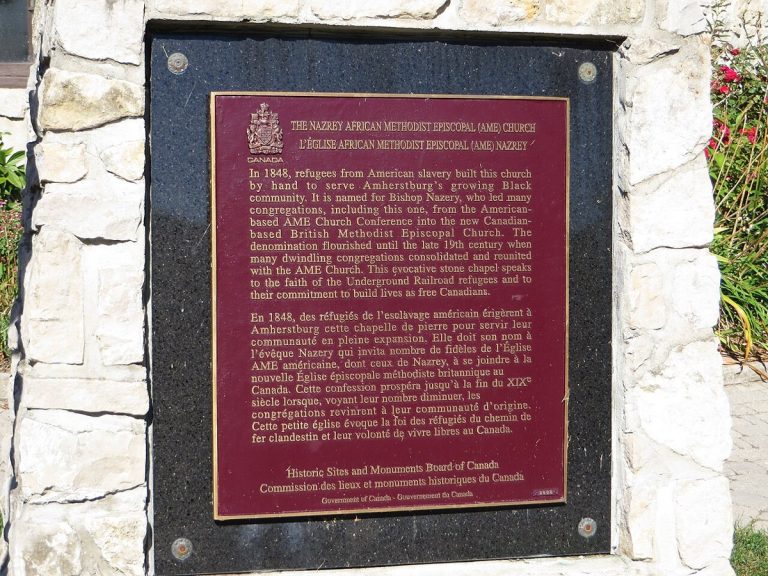
A commemorative plaque at the Nazrey African Methodist Episcopal Church in Amherstburg, Ontario, photographed in 2015.
CA-K330History

Nazrey AME Church, Amherstburg

In 1848, refugees from American slavery built the Nazrey African Methodist Episcopal Church by hand to serve Amherstburg’s growing Black community. The stone chapel is perhaps the building type most representative of Underground Railroad communities, and it is associated with Bishop Willis Nazrey, first leader of the British Methodist Episcopal Church, a wholly Canadian denomination founded by Underground Railroad refugees.

Factual accuracy review: No recorded challenge

Contributor: Citizen.ca

Verified against cited sourcesVerified on 2026-10-26↗
Photo: Ken Lund from Reno, Nevada, USA · Photo licence: CC BY-SA 2.0 · Credit & context
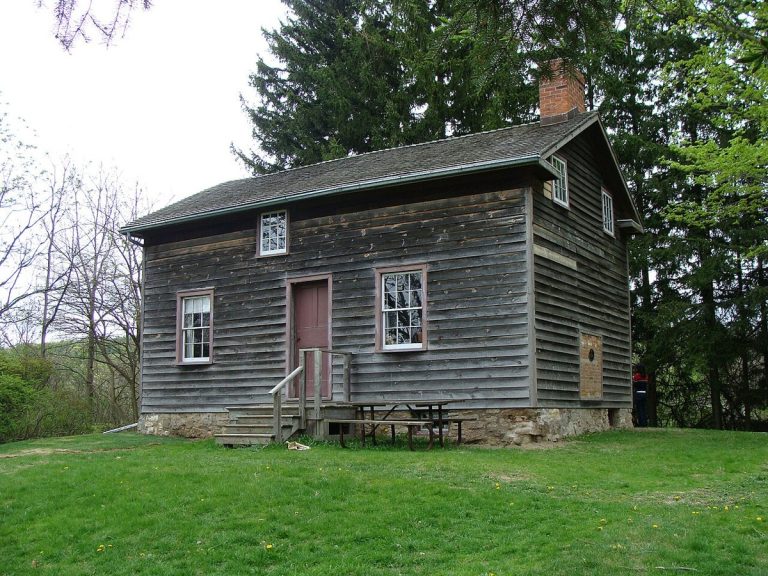
Griffin House in Ancaster, Ontario, photographed in 2010.
CA-K329History

Griffin House, Ancaster

Griffin House in Ancaster, Ontario, was the home of Enerals Griffin, a Black immigrant from Virginia who settled there in 1834, and remained in his family for 154 years. A rare surviving example of early Upper Canadian vernacular housing, it shows the complexity of the Black experience: it was more elaborate than most refugees’ homes and stood in a mainly Euro-Canadian community rather than a planned refugee settlement.

Factual accuracy review: No recorded challenge

Contributor: Citizen.ca

Verified against cited sourcesVerified on 2026-10-26↗
Photo: Graeme MacKay from Hamilton, Ontario, Canada · Photo licence: CC BY 2.0 · Credit & context
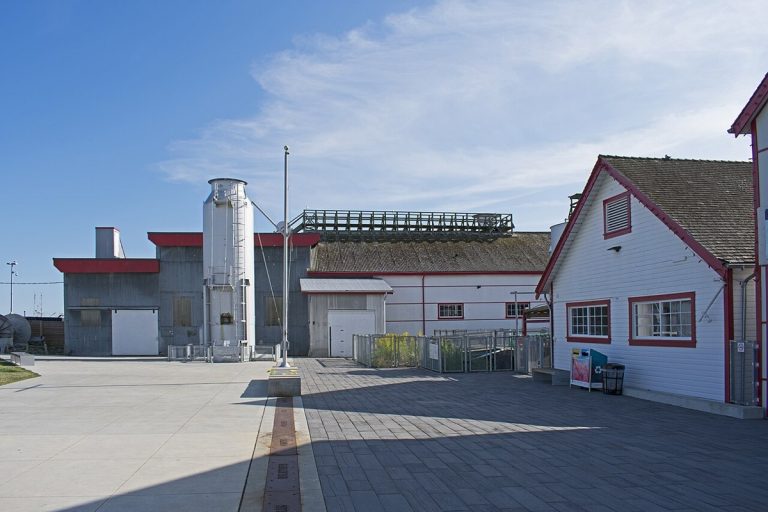
The Gulf of Georgia Cannery in Steveston, Richmond, British Columbia, photographed in 2019.
CA-K318Economy & trade

The Gulf of Georgia Cannery, Steveston

The Gulf of Georgia Cannery, a large complex of wooden fish-processing and canning buildings on a wharf at the mouth of the Fraser River in Steveston, British Columbia, recalls the West Coast fishing industry from the 1870s on. Its buildings, built and modified between 1894 and 1964, stand in what was historically the most important fishing village on the West Coast.

Factual accuracy review: No recorded challenge

Contributor: Citizen.ca

Verified against cited sourcesVerified on 2026-10-26↗
Photo: Ymblanter · Photo licence: CC BY-SA 4.0 · Credit & context
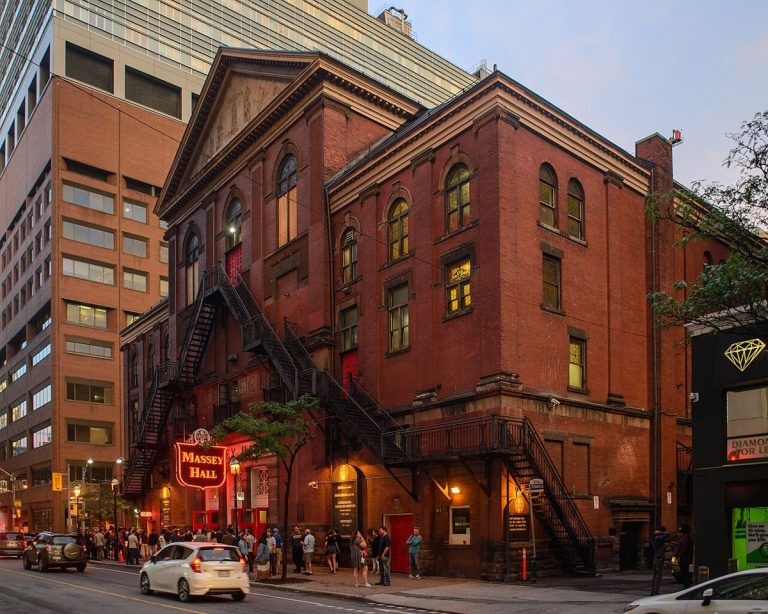
Massey Hall in downtown Toronto, photographed in 2017.
CA-K317Culture & sport

Massey Hall, Toronto’s concert hall since 1894

Massey Hall, a red-brick concert hall in downtown Toronto that opened in 1894, was a gift to the city from industrialist Hart Massey. Toronto’s major concert hall for much of the 20th century, it is one of Canada’s most important cultural institutions and renowned for its outstanding acoustics.

Factual accuracy review: No recorded challenge

Contributor: Citizen.ca

Verified against cited sourcesVerified on 2026-10-26↗
Photo: Arild Vågen · Photo licence: CC BY-SA 4.0 · Credit & context
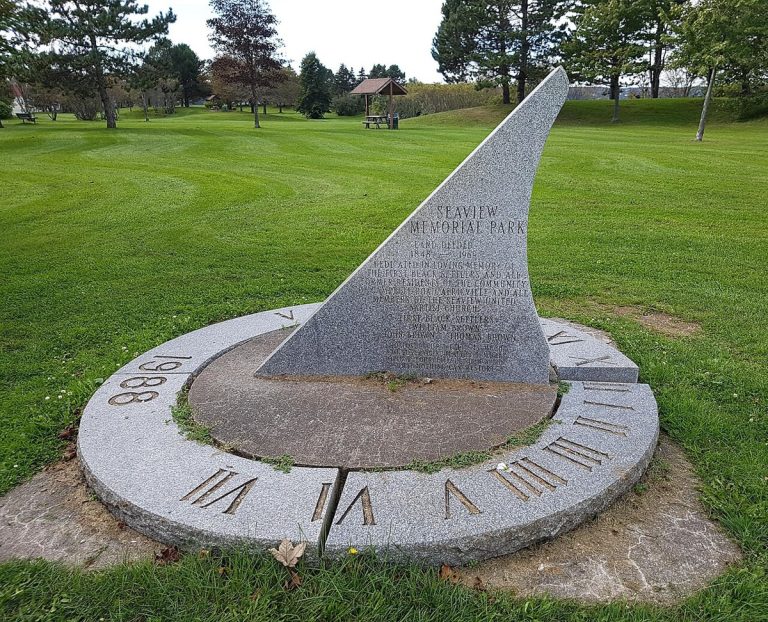
The Africville Monument at Seaview Memorial Park, Halifax, listing the community’s founding families, photographed in 2017.
CA-K311History

Africville, a site of remembrance

Africville, on Bedford Basin in Halifax, was a Black community settled in the 1830s and 1840s, with its own school and church. Its houses were demolished in the 1960s in the name of urban renewal and the land became Seaview Park; the clearance became an enduring symbol to Black Canadians of the need to defend their institutions, and the site is now a place of remembrance and pilgrimage.

Factual accuracy review: No recorded challenge

Contributor: Citizen.ca

Verified against cited sourcesVerified on 2026-10-26↗
Photo: Coastal Elite from Halifax, Canada · Photo licence: CC BY-SA 2.0 · Credit & context
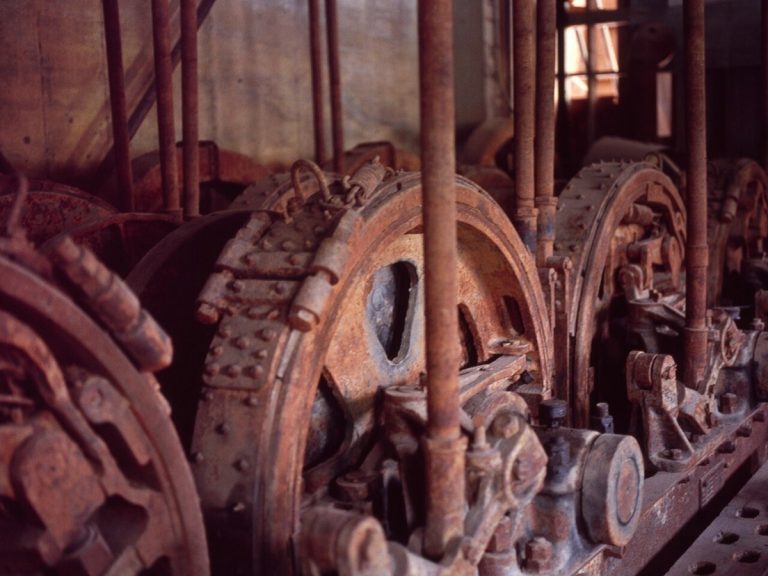
Dredge No. 4 in the Klondike, Yukon, which carries his commemorative plaque, photographed in 2012.
CA-K290Economy & trade

“Klondike Joe” Boyle and large-scale gold mining

Joseph Whiteside “Klondike Joe” Boyle (1867–1923) arrived in Dawson in 1897 and soon saw the potential of large-scale mining, returning in 1909 to head one of the Klondike’s largest mining operations. Known as “The King of the Klondike,” he left in 1916 to aid the Allied war effort and was decorated by several European nations for his work in Russia and Romania.

Factual accuracy review: No recorded challenge

Contributor: Citizen.ca

Verified against cited sourcesVerified on 2026-10-26↗
Photo: Anthony DeLorenzo from Whitehorse, Yukon, Canada · Photo licence: CC BY-SA 2.0 · Credit & context
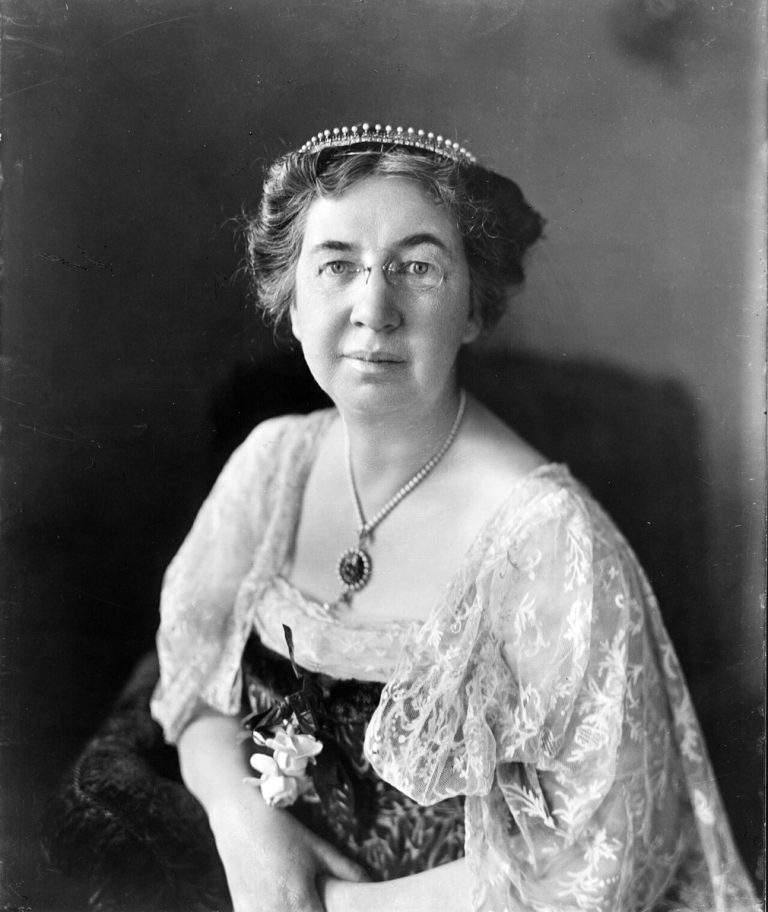
Mabel Hubbard Bell, about 1917 (Harris & Ewing, Library of Congress).
CA-K289History

Mabel Hubbard Bell, organizer and philanthropist

Mabel Hubbard Bell (1857–1923), deaf since childhood, married Alexander Graham Bell in 1877 and gave crucial support to his research, including at their Beinn Bhreagh estate in Cape Breton. In Baddeck she helped establish the Young Ladies’ Club in 1891, the first Montessori classes and the earliest home and school association in Canada.

Factual accuracy review: No recorded challenge

Contributor: Citizen.ca

Verified against cited sourcesVerified on 2026-10-26↗
Photo: Harris & Ewing · Photo licence: Public domain · Credit & context
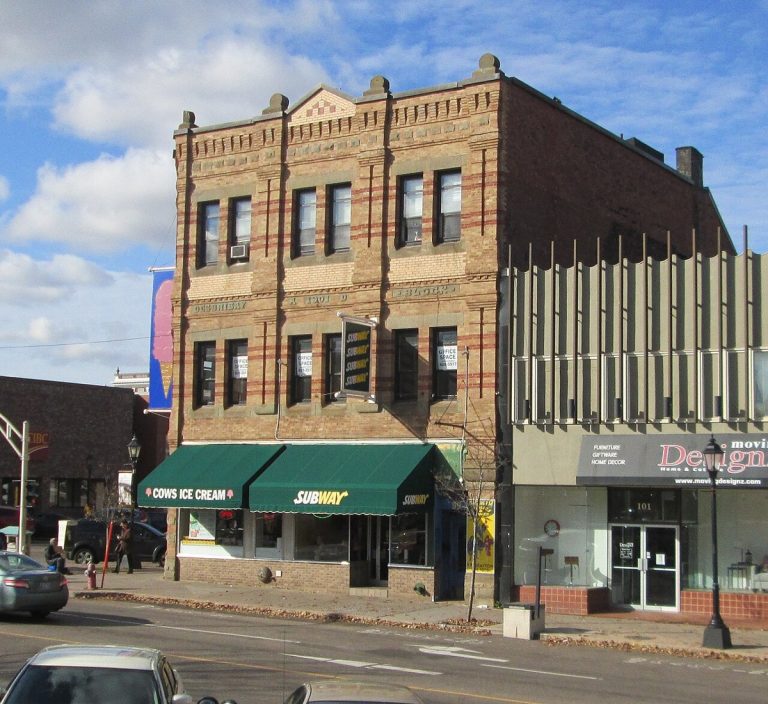
A portrait of Henry Youle Hind, about 1865.
CA-K288Places & geography

Henry Youle Hind’s surveys of the North-West

Henry Youle Hind (1823–1908), a scientist and explorer, led surveys of the North-West between 1857 and 1860 that produced scientific reports, photographs and maps. His reports on arable land helped shape Canada’s decision to pursue the acquisition of Rupert’s Land, a decision taken, as Parks Canada notes, without regard for Indigenous peoples.

Factual accuracy review: No recorded challenge

Contributor: Citizen.ca

Verified against cited sourcesVerified on 2026-10-26↗
Photo: Cox, A. W. · Photo licence: CC BY-SA 4.0 · Credit & context
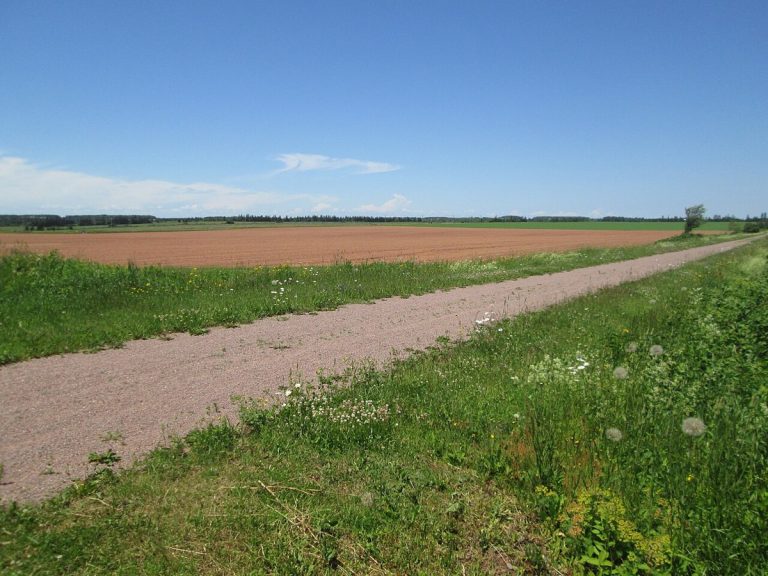
The Confederation Trail, on the former railway roadbed, at Freetown, Prince Edward Island, in 2017.
CA-K284History

The Prince Edward Island Railway and Confederation

The Prince Edward Island Railway was built between 1871 and 1875 to bring economic growth and better communications. Its costs threatened the colony with bankruptcy, and in 1873, after Ottawa agreed to pay for completing the line, Prince Edward Island joined Confederation; after service ended, its roadbed became part of the Confederation Trail.

Factual accuracy review: No recorded challenge

Contributor: Citizen.ca

Verified against cited sourcesVerified on 2026-10-26↗
Photo: Larry from Charlottetown, PEI, Canada · Photo licence: CC BY 2.0 · Credit & context
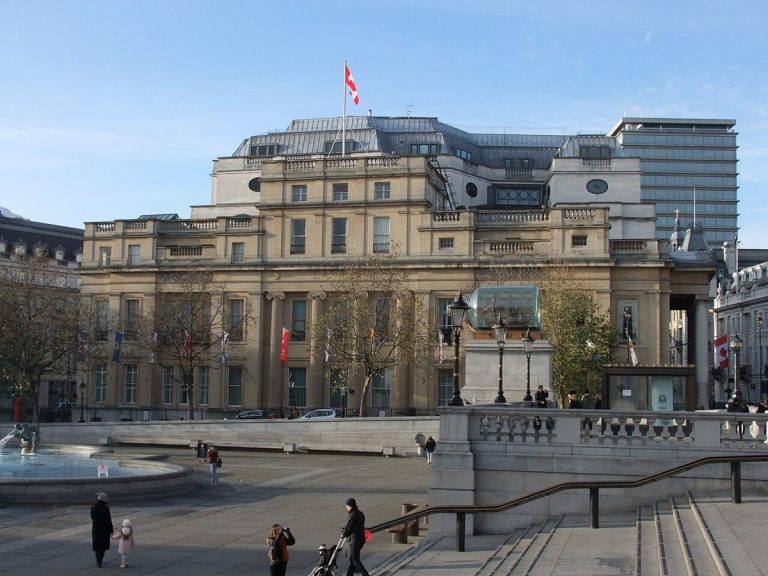
Canada House on Trafalgar Square, London, photographed in 2010.
CA-K283Institutions

Canada’s High Commission in London, 1880

In 1880, Canada became the first country of the British Empire to establish a high commission in London, mainly to promote trade and immigration, with former finance minister Sir Alexander Galt as the first high commissioner. Canada’s oldest diplomatic posting moved in 1925 to Canada House on Trafalgar Square, now a symbol of Canada in the British capital.

Factual accuracy review: No recorded challenge

Contributor: Citizen.ca

Verified against cited sourcesVerified on 2026-10-26↗
Photo: PAUL FARMER · Photo licence: CC BY-SA 2.0 · Credit & context