An independent Canadian knowledge project

Focused and Verified

Canadian knowledge base

Search by keyword

Choose one keyword, or combine two. Broader keywords include their descendants.

Keywords: Cultural and heritage communities

Clear search
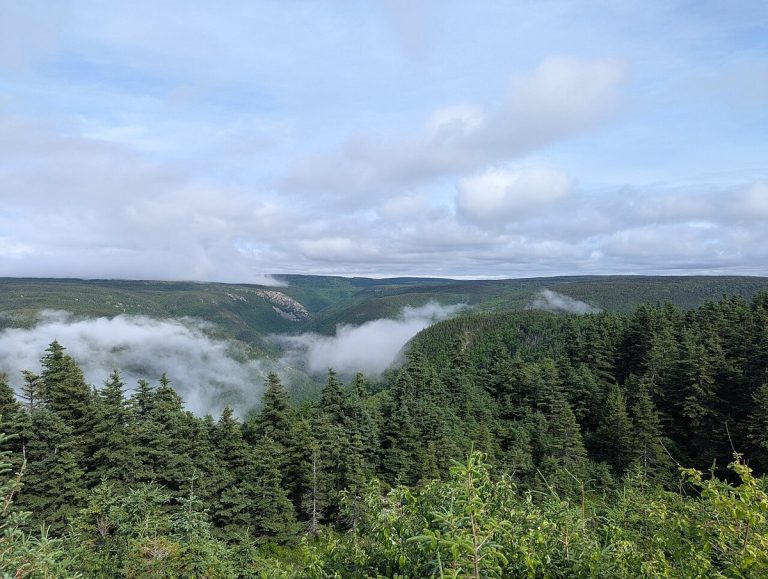
Cape Breton Highlands National Park from the Cabot Trail.
CA-K1041Places & geography

Cape Breton Highlands National Park and the Cabot Trail

Cape Breton Highlands National Park in Nova Scotia protects a forested plateau cut by steep cliffs and deep river canyons along the Atlantic coast. About one-third of the Cabot Trail runs through the park. Its cool maritime climate and rugged landscape bring together Acadian, boreal and taiga habitats.

Factual accuracy review: No recorded challenge

Contributor: Citizen.ca

Verified against cited sourcesVerified on 2026-10-27↗
Photo: ArcaneCraeda · Photo licence: CC BY-SA 4.0 · Credit & context
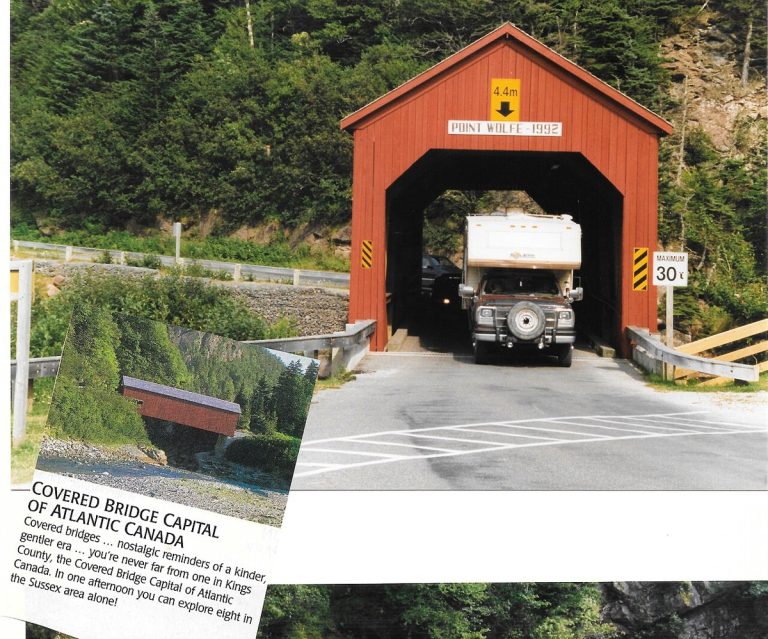
The Point Wolfe covered bridge in Fundy National Park, with an inset showing a photographed interpretive sign.
CA-K1037Places & geography

Fundy National Park, from tides to Acadian forest

Fundy National Park in New Brunswick lies on the Bay of Fundy, home of the world’s highest tides, on the unceded territory of the Mi’gmaq. Beyond the shore, where visitors can walk the sea floor at low tide, trails lead inland to waterfalls deep in Acadian forest, and the park works with partners to recover Inner Bay of Fundy Atlantic salmon.

Factual accuracy review: No recorded challenge

Contributor: Citizen.ca

Verified against cited sourcesVerified on 2026-10-27↗
Photo: Eduard47 · Photo licence: CC BY-SA 4.0 · Credit & context
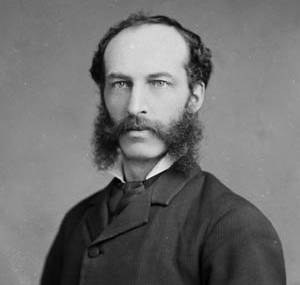
Pierre-Amand Landry, MP, February 1884 (Topley Studio).
CA-K685History

Sir Pierre-Amand Landry, Acadian leader

Pierre-Amand Landry of Memramcook, a lawyer, politician and judge, defended Acadians’ rights in the New Brunswick legislature, the House of Commons and the courts, notably during the crisis over the Common Schools Act of 1871. A leader of the Acadian Renaissance who promoted tolerance between French and English, he presided over the first three Acadian National Conventions and was the first Acadian knighted.

Factual accuracy review: No recorded challenge

Contributor: Citizen.ca

Verified against cited sourcesVerified on 2026-10-26↗
Photo: William James Topley · Photo licence: Public domain · Credit & context
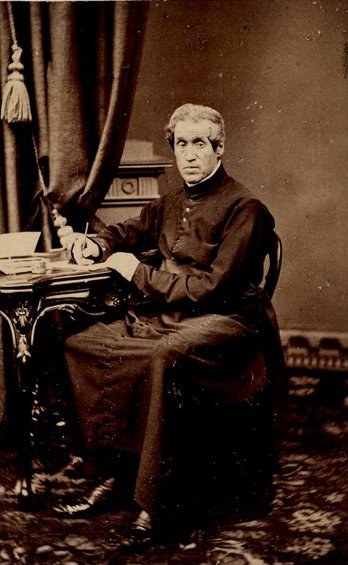
Georges-Antoine Belcourt, around 1860.
CA-K476Economy & trade

Father Belcourt and the Farmers’ Bank of Rustico

Georges-Antoine Belcourt, a former missionary at Red River, led his parishioners in Rustico, Prince Edward Island, to found one of Canada’s first people’s banks, chartered in 1864 and run by farmers and fishers until 1894. By providing cheap credit it helped this mainly Acadian community gain economic independence and foreshadowed the credit union movement.

Factual accuracy review: No recorded challenge

Contributor: Citizen.ca

Verified against cited sourcesVerified on 2026-10-26↗
Photo: Jules-Isaïe Benoît · Photo licence: Public domain · Credit & context
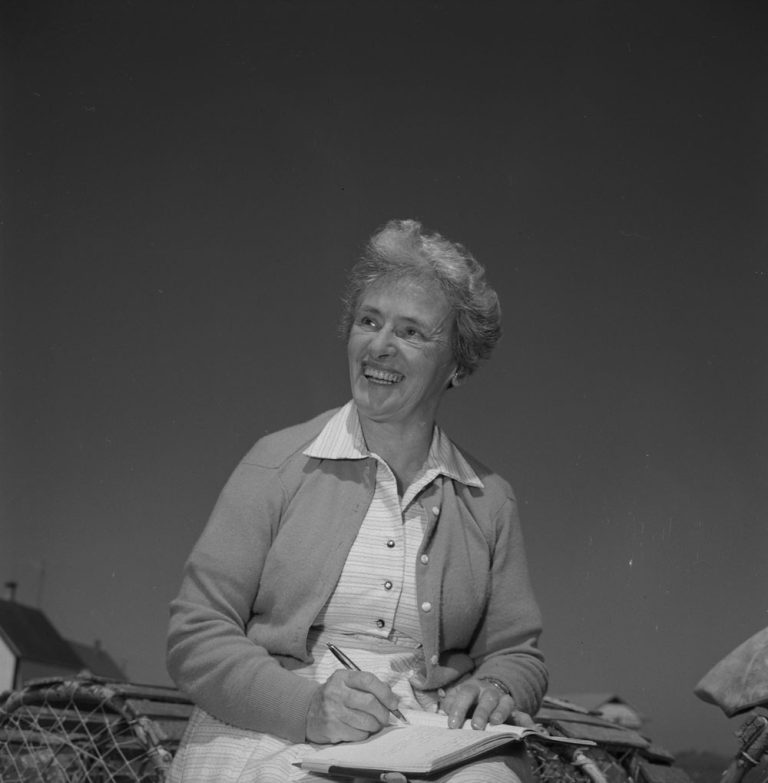
Dr. Helen Creighton in Nova Scotia, 1959 (National Film Board).
CA-K390Culture & sport

Helen Creighton, collector of Maritime folklore

Folklorist Helen Creighton (1899–1989) built one of Canada’s largest collections of songs, tales and customs between 1928 and 1975, making more than 4,000 recordings in British, Acadian, Gaelic, German, African Nova Scotian and Mi’kmaw communities across the Maritimes. She popularized these traditions through radio, television and publications, and songs such as “Farewell to Nova Scotia”.

Factual accuracy review: No recorded challenge

Contributor: Citizen.ca

Verified against cited sourcesVerified on 2026-10-26↗
Photo: Chris Lund · Photo licence: Public domain · Credit & context
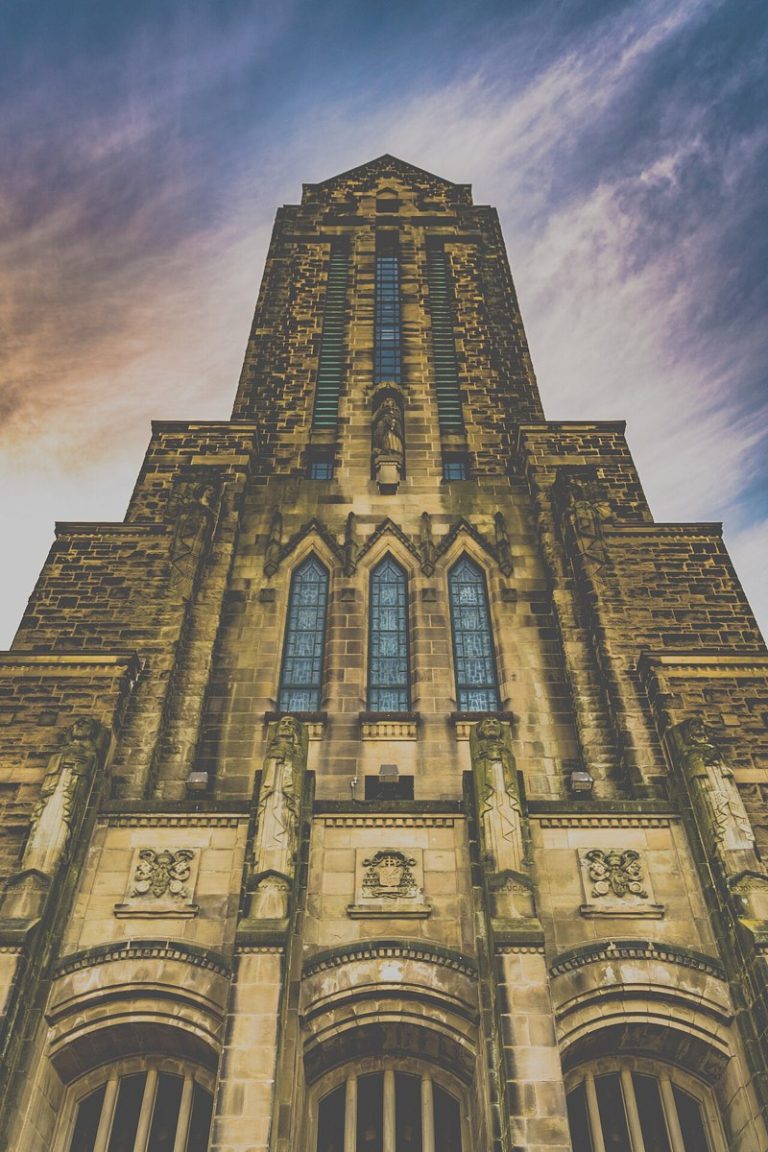
Our Lady of the Assumption Cathedral on St. George Street, Moncton, photographed in 2016.
CA-K366Culture & sport

Our Lady of the Assumption Cathedral, Moncton

Our Lady of the Assumption Cathedral in Moncton, New Brunswick, built in 1939–1940 as the Monument of Remembrance, is a symbol of the achievements and resilience of Acadians. Its sculptures and stained glass tell Acadian history, and its construction rallied Acadians and their diaspora to build the first large-scale building commemorating them as a distinct people.

Factual accuracy review: No recorded challenge

Contributor: Citizen.ca

Verified against cited sourcesVerified on 2026-10-26↗
Photo: James Mann from Moncton, New Brunswick, Canada · Photo licence: CC BY 2.0 · Credit & context
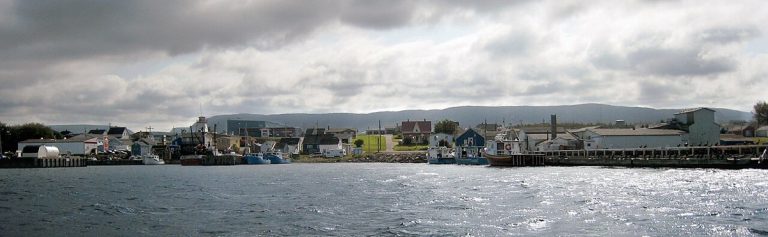
Chéticamp, Nova Scotia, seen from the water in 2009.
CA-K260History

Jeanne Dugas, Acadian co-founder of Chéticamp

Jeanne Dugas (1731–1817) and her family fled Île Royale (Cape Breton) to escape the 1758 deportation but were captured and imprisoned in Halifax. A midwife and keeper of Acadian stories, she co-founded Chéticamp around 1785; having lived through eight dislocations, she embodies the resilience of Acadian women through 50 years of upheaval.

Factual accuracy review: No recorded challenge

Contributor: Citizen.ca

Verified against cited sourcesVerified on 2026-10-26↗
Photo: Michael Sprague from Candler, North Carolina · Photo licence: CC BY-SA 2.0 · Credit & context
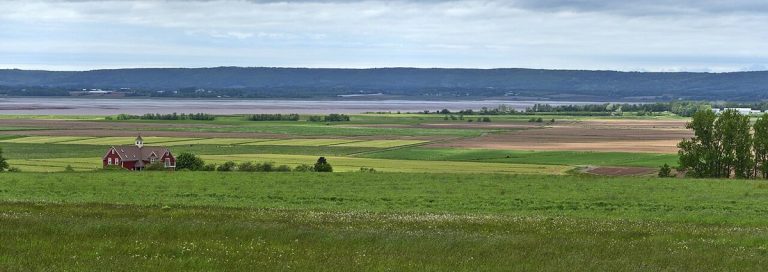
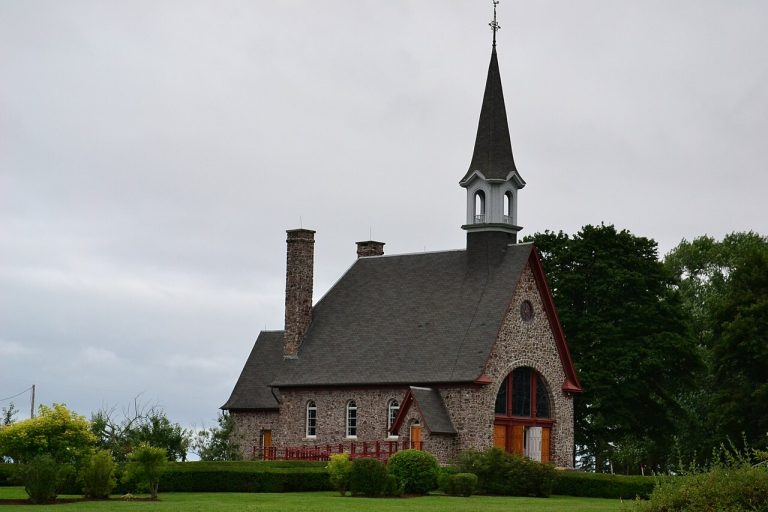
The Landscape of Grand Pré World Heritage Site, Nova Scotia, photographed in 2018.
CA-K240History

The Landscape of Grand Pré and its Acadian dykelands

The Landscape of Grand Pré in Nova Scotia, a UNESCO World Heritage Site since 2012, bears exceptional testimony to a farming settlement the Acadians created in the 17th century beside some of the world’s highest tides. They reclaimed land from the sea with dykes, aboiteaux and drainage, under a community-based management system still in use today.

Factual accuracy review: No recorded challenge

Contributor: Citizen.ca

Verified against cited sourcesVerified on 2026-10-26↗
Photo: Mykola Swarnyk · Photo licence: CC BY-SA 3.0 · Credit & context