An independent Canadian knowledge project

Focused and Verified

Canadian knowledge base

Search by keyword

Choose one keyword, or combine two. Broader keywords include their descendants.

Keywords: Political and constitutional

Clear search
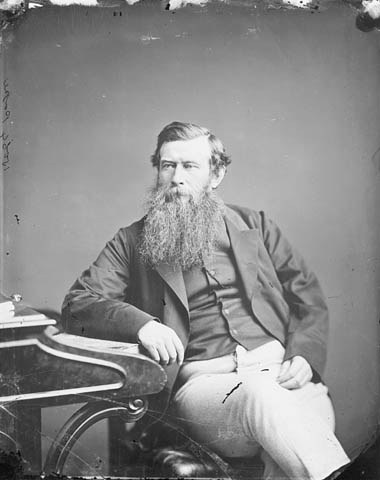
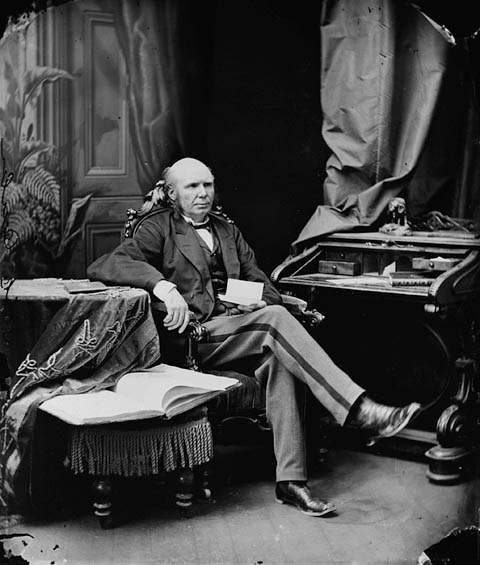
John William Ritchie, portrait.
CA-K994History

John William Ritchie, Nova Scotia Father of Confederation

John William Ritchie, a gifted lawyer, legislator and judge, helped pave the way for Nova Scotia’s reluctant entry into Confederation. A member of the colony’s legislature and solicitor general (1864–67), he was a delegate to the London Conference of 1866–67, which finalized the terms of union. After championing Confederation in the Legislative Council, he was named to the first Senate and later sat on the Nova Scotia Supreme Court.

Factual accuracy review: No recorded challenge

Contributor: Citizen.ca

Verified against cited sourcesVerified on 2026-10-27↗
Photo: Unknown artist · Photo licence: Public domain · Credit & context
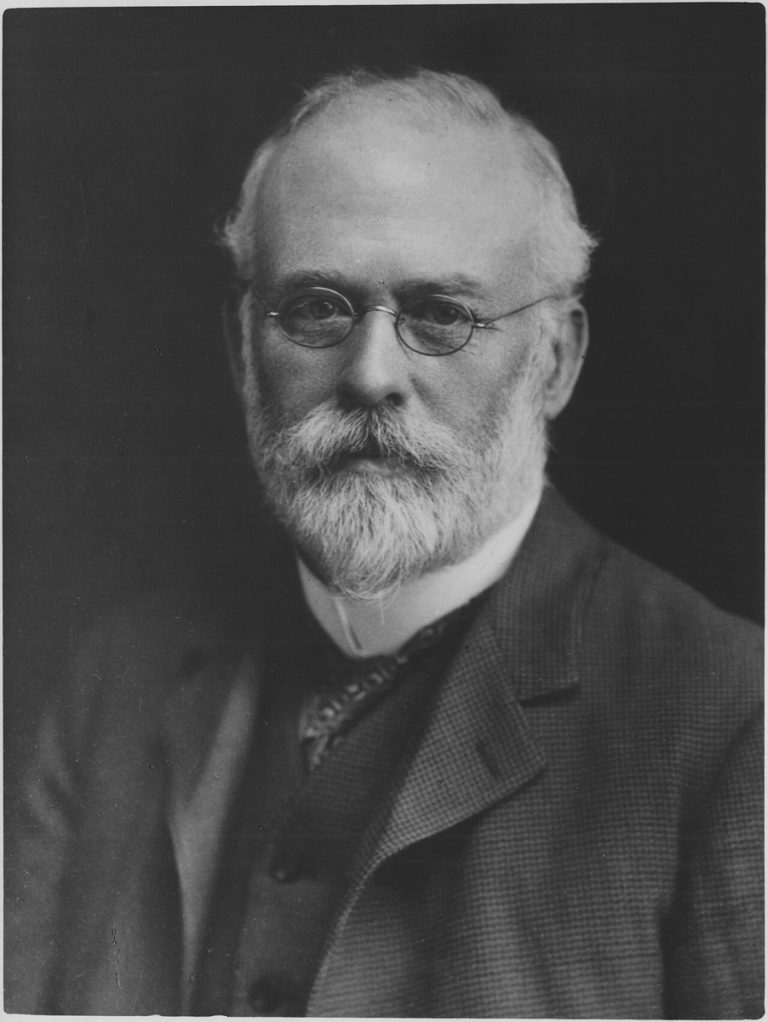
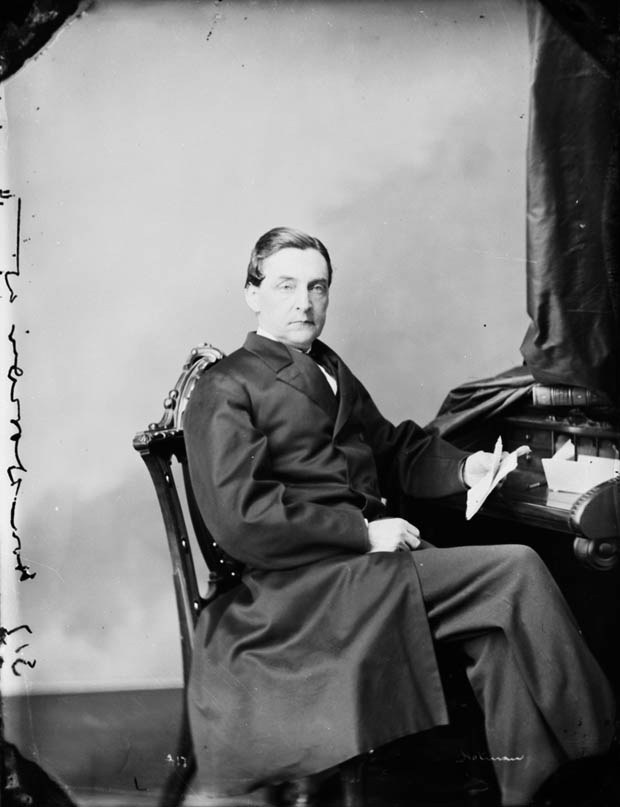
Anthony Musgrave, 1875.
CA-K986History

Sir Anthony Musgrave and British Columbia’s entry into Confederation

Anthony Musgrave, a career imperial civil servant, was governor of Newfoundland (1864–69) and British Columbia (1869–71). In both colonies he worked hard to encourage union with the new Canadian confederation, and under his direction British Columbia entered the Dominion on July 20, 1871. Knighted in 1875, he later governed Natal, South Australia, Jamaica and Queensland.

Factual accuracy review: No recorded challenge

Contributor: Citizen.ca

Verified against cited sourcesVerified on 2026-10-27↗
Photo: Unknown photographer; State Library of South Australia · Photo licence: Public domain · Credit & context
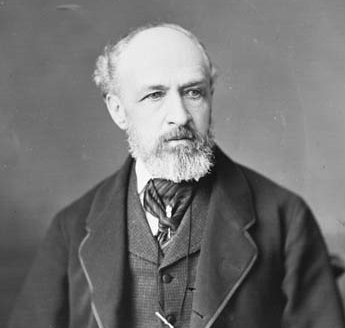
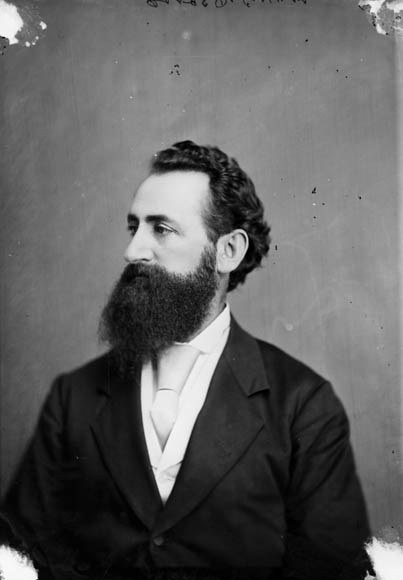
James Cockburn, 1873 (William James Topley).
CA-K980History

James Cockburn, first Speaker of the House of Commons

James Cockburn came to Montréal from England in 1832, was educated in Toronto and set up a law practice in Cobourg. Elected for Northumberland West in 1861, he attended the Quebec Conference of 1864 as a cabinet minister and is one of the Fathers of Confederation. When the first Parliament of Canada met in November 1867, he was elected Speaker of the House of Commons, serving until 1874.

Factual accuracy review: No recorded challenge

Contributor: Citizen.ca

Verified against cited sourcesVerified on 2026-10-27↗
Photo: William James Topley · Photo licence: Public domain · Credit & context
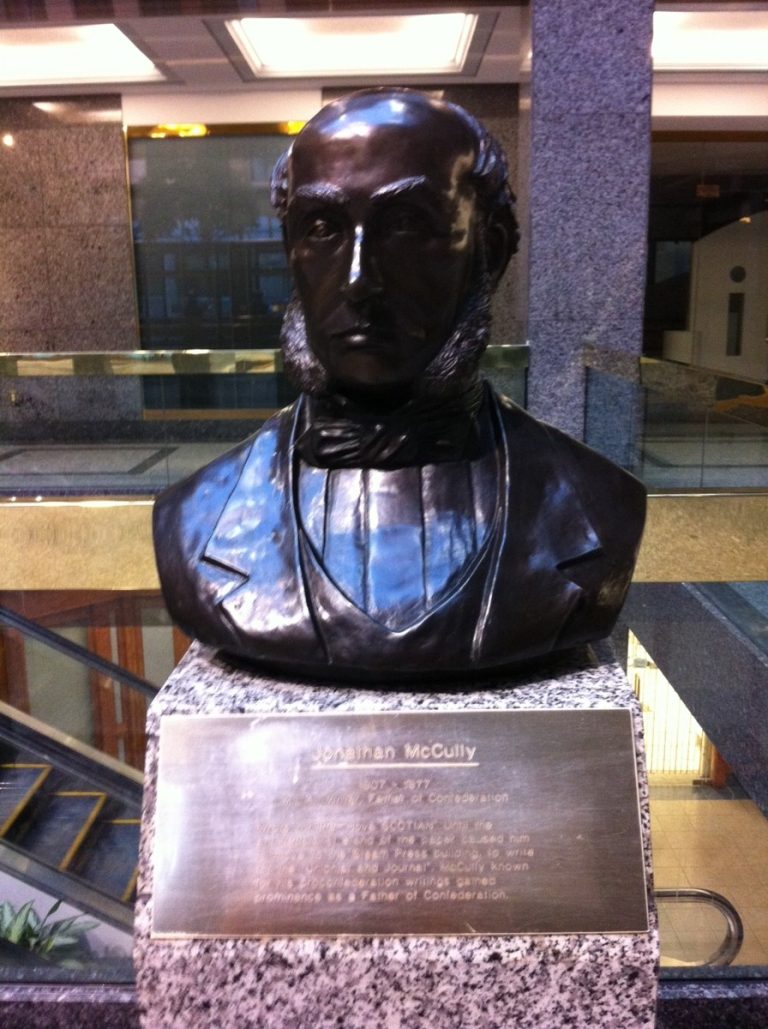
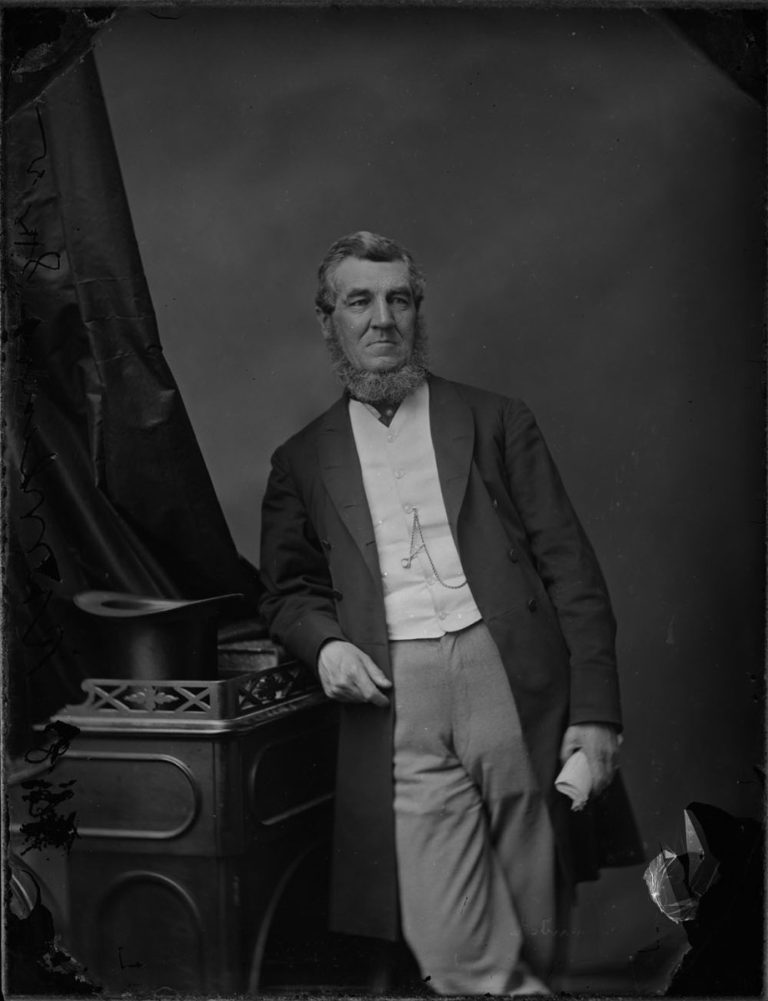
Statue of Jonathan McCully by Peter Bustin, Founders Square, Halifax.
CA-K979History

Jonathan McCully, editor and Father of Confederation

Jonathan McCully, born in Cumberland County, Nova Scotia, practised law in Amherst and from 1848 sat in the Legislative Council, serving as Solicitor General and government leader there. As editor of the Halifax Morning Chronicle, the Novascotian and later the Unionist, he championed Confederation and attended the Charlottetown, Quebec and London conferences. Named to the Senate in 1867, he became a judge of the Nova Scotia Supreme Court in 1870.

Factual accuracy review: No recorded challenge

Contributor: Citizen.ca

Verified against cited sourcesVerified on 2026-10-27↗
Photo: Hantsheroes · Photo licence: CC BY-SA 3.0 · Credit & context
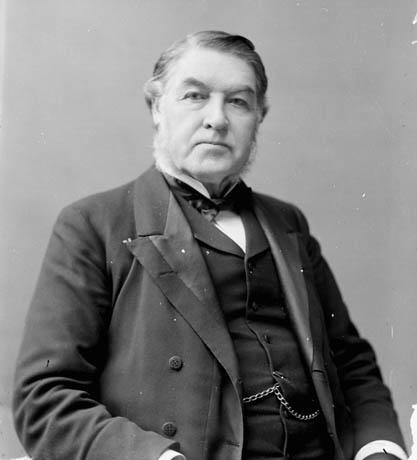
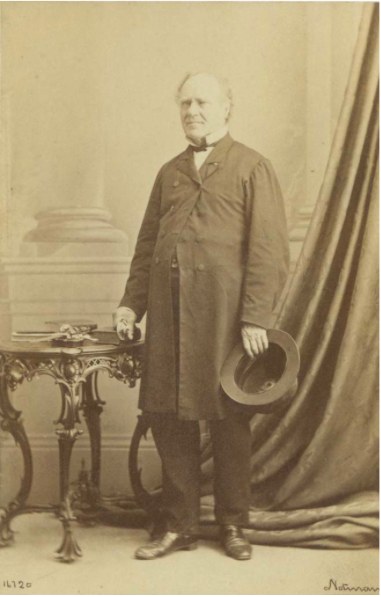
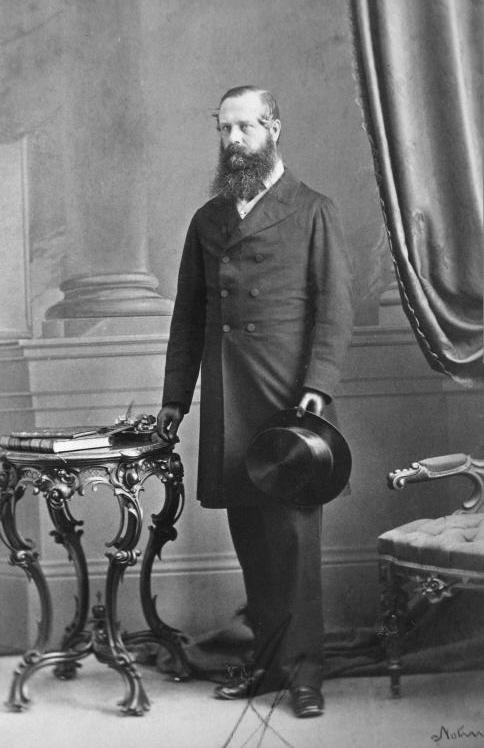
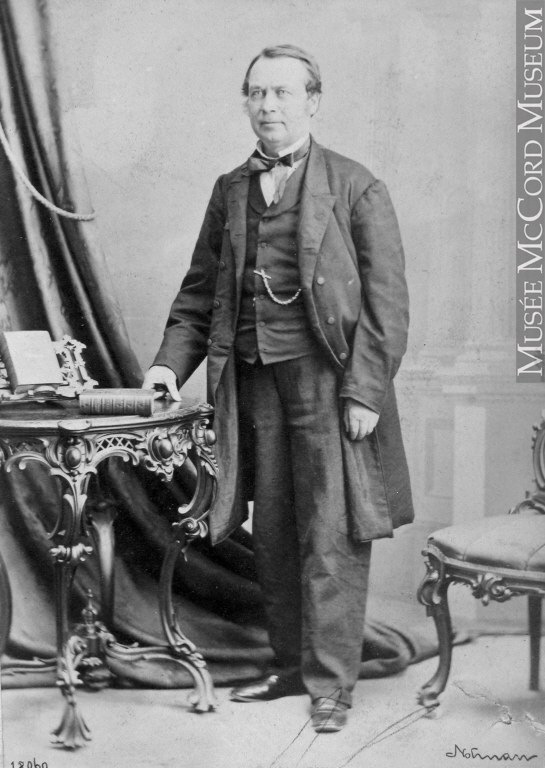
Joseph Howe, 1865 (William Notman).
CA-K973History

Joseph Howe, “Tribune of Nova Scotia”

Joseph Howe, born in Halifax and largely self-taught, became publisher of the Novascotian and by 1836 was his province’s leading journalist and orator. Elected that year, he led the struggle that won responsible government in 1848. An eloquent opponent of Confederation in the 1860s, he joined the federal cabinet in 1869 after negotiating “better terms” for Nova Scotia, and shortly before his death in 1873 became its lieutenant governor.

Factual accuracy review: No recorded challenge

Contributor: Citizen.ca

Verified against cited sourcesVerified on 2026-10-27↗
Photo: William Notman · Photo licence: Public domain · Credit & context
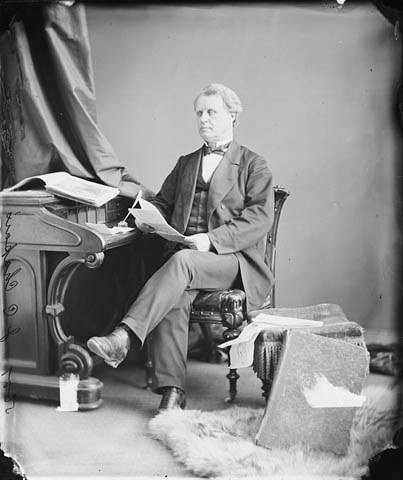
Robert B. Dickey (William James Topley).
CA-K966History

Robert Barry Dickey, Father of Confederation

Robert Barry Dickey, born in Amherst, Nova Scotia, practised law there and sat in the province’s Legislative Council from 1858 to 1867. A Father of Confederation, he attended the Charlottetown and Quebec conferences but would not endorse the Quebec Resolutions until better financial terms were granted in 1866. A successful businessman, he was named to the Senate in 1867.

Factual accuracy review: No recorded challenge

Contributor: Citizen.ca

Verified against cited sourcesVerified on 2026-10-27↗
Photo: William James Topley · Photo licence: Public domain · Credit & context
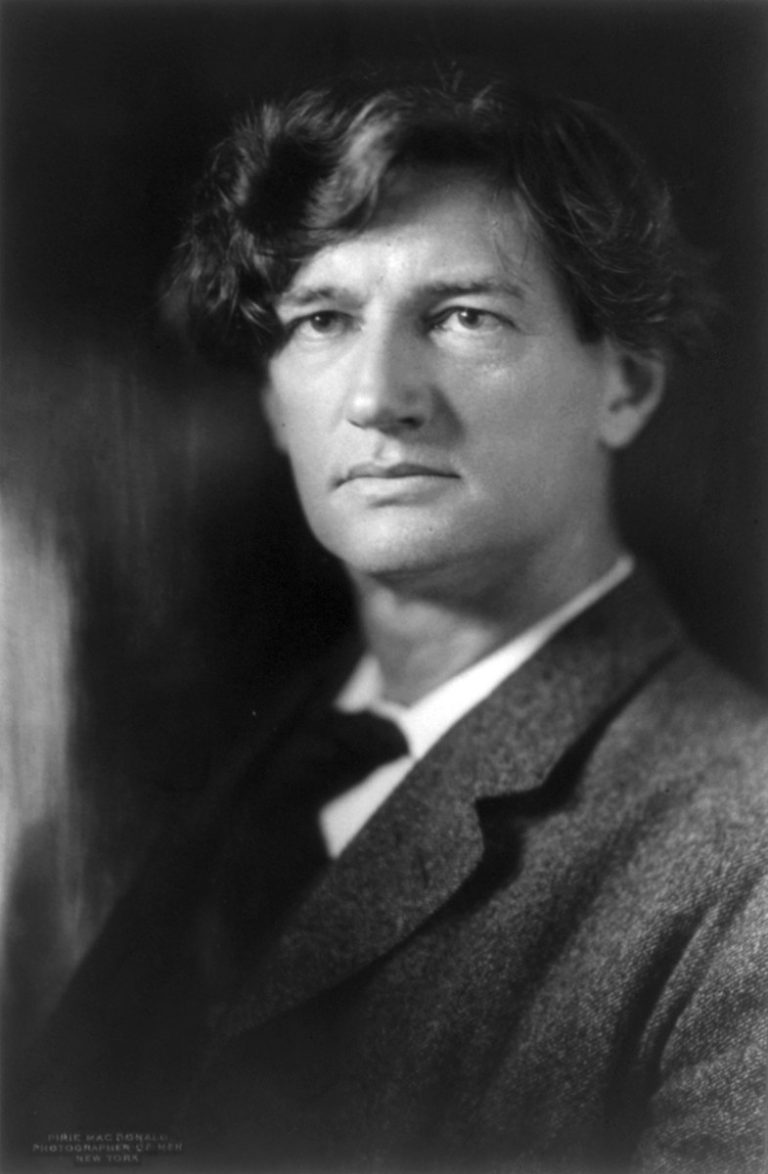
John Robson, portrait (Library and Archives Canada).
CA-K957History

John Robson, newspaperman and premier of British Columbia

John Robson, born in Perth, Ontario, came to British Columbia in 1859. In 1861 he founded the British Columbian at New Westminster, a newspaper on the British Columbia mainland, and used it to demand responsible government. Elected in 1867, he urged the colony to join Confederation, held several cabinet posts and was premier from 1889 until his accidental death in London, working to organize schools and regulate resource development.

Factual accuracy review: No recorded challenge

Contributor: Citizen.ca

Verified against cited sourcesVerified on 2026-10-27↗
Photo: Unknown photographer; Library and Archives Canada · Photo licence: Public domain · Credit & context
Governor General Monck, Montréal, 1864 (William Notman).
CA-K955History

Lord Monck, first Governor General of Canada

Lord Monck, an Irish peer, became Governor General of British North America in 1861. During the American Civil War he worked to keep the fighting from spreading north, and as an early supporter of union he put his energy and prestige behind Confederation. His term was extended so that he could become the first Governor General of the Dominion of Canada in 1867; he retired to Ireland the next year.

Factual accuracy review: No recorded challenge

Contributor: Citizen.ca

Verified against cited sourcesVerified on 2026-10-27↗
Photo: William Notman · Photo licence: Public domain · Credit & context
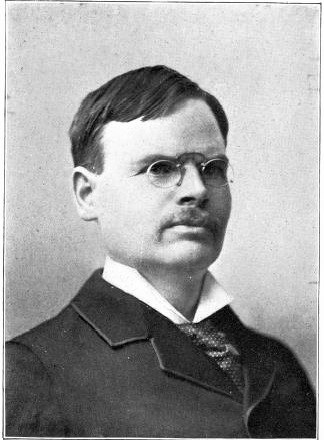
Wilfred Campbell, portrait photograph.
CA-K943Culture & sport

Wilfred Campbell, poet of the Confederation group

William Wilfred Campbell, born in Kitchener, left the Anglican ministry in 1891 to become a civil servant in Ottawa. A member of the Confederation group of poets, he drew inspiration from the Bruce Peninsula of his youth and also wrote novels, histories, plays and travel books. His writing explored nature, faith and Darwinism, as well as imperial ideas of his time.

Factual accuracy review: No recorded challenge

Contributor: Citizen.ca

Verified against cited sourcesVerified on 2026-10-27↗
Photo: Photographer unattributed · Photo licence: Public domain · Credit & context
Edward Whelan, 1864 (William Notman).
CA-K900History

Edward Whelan, journalist and Father of Confederation

Edward Whelan, an Irish-born journalist, came to Halifax about 1836 and became a protégé of Joseph Howe. He founded the Examiner in Charlottetown in 1847. A co-founder of Prince Edward Island’s Liberal Party with George Coles and an advocate of responsible government, he attended the Quebec Conference in 1864 and compiled The Union of the British Provinces (1865).

Factual accuracy review: No recorded challenge

Contributor: Citizen.ca

Verified against cited sourcesVerified on 2026-10-26↗
Photo: William Notman · Photo licence: Public domain · Credit & context
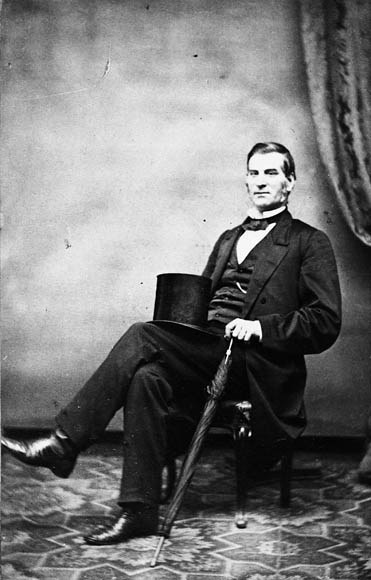
William Henry Steeves, portrait.
CA-K857History

William Henry Steeves, New Brunswick merchant and Father of Confederation

William Henry Steeves, born in Hillsborough, was a leading merchant and lumberman before entering politics. He sat in New Brunswick’s Assembly and Legislative Council and was almost continuously in cabinet from 1854 to 1865. Bringing a reform-minded business outlook, he supported the Intercolonial Railway and Confederation to aid the province’s economy, and was named to the Senate in 1867.

Factual accuracy review: No recorded challenge

Contributor: Citizen.ca

Verified against cited sourcesVerified on 2026-10-26↗
Photo: Unknown author · Photo licence: Public domain · Credit & context
William Henry Pope, 1873 (William James Topley).
CA-K836History

William Henry Pope, Island advocate of Confederation

William Henry Pope, born at Bedeque, Prince Edward Island, became Colonial Secretary in 1859 and represented Queen’s County in the Assembly from 1863 to 1867. A strong supporter of Confederation, he was a delegate to the Charlottetown and Quebec conferences of 1864. He became a judge of Prince County in 1873.

Factual accuracy review: No recorded challenge

Contributor: Citizen.ca

Verified against cited sourcesVerified on 2026-10-26↗
Photo: William James Topley · Photo licence: Public domain · Credit & context
Robert Harris, C.M.G., R.C.A. (Archives of Ontario).
CA-K835Culture & sport

Robert Harris, painter of the Fathers of Confederation

Robert Harris, born in Wales, came to Prince Edward Island in 1856 and studied art in Charlottetown, Boston, London, Paris and Rome. One of Canada’s leading portrait painters and a long-time teacher, he was an original member of the Royal Canadian Academy and its president from 1890 to 1903. He is best known for his painting of the Fathers of Confederation.

Factual accuracy review: No recorded challenge

Contributor: Citizen.ca

Verified against cited sourcesVerified on 2026-10-26↗
Photo: Unknown photographer; Archives of Ontario · Photo licence: Public domain · Credit & context
Thomas Heath Haviland, 1879 (William James Topley).
CA-K805History

Thomas Heath Haviland, Island Father of Confederation

Thomas Heath Haviland, born in Charlottetown, represented Georgetown in the Prince Edward Island legislature and held posts including Colonial Secretary and Speaker. A delegate to the Quebec Conference of 1864, he was one of three who arranged the Island’s entry into Confederation in 1873. He was then named to the Senate, and later became the province’s Lieutenant-Governor.

Factual accuracy review: No recorded challenge

Contributor: Citizen.ca

Verified against cited sourcesVerified on 2026-10-26↗
Photo: William James Topley · Photo licence: Public domain · Credit & context
Robert Duncan Wilmot, May 1868 (Topley Studio).
CA-K752History

Robert Duncan Wilmot, New Brunswick Father of Confederation

Robert Duncan Wilmot of Saint John sat in New Brunswick’s legislature from 1846 to 1861. Elected in 1865 as an opponent of Confederation, he changed sides and attended the London Conference in 1866; he was then appointed to the Senate, became its Speaker in 1878 and was lieutenant-governor of New Brunswick from 1880.

Factual accuracy review: No recorded challenge

Contributor: Citizen.ca

Verified against cited sourcesVerified on 2026-10-26↗
Photo: William James Topley · Photo licence: Public domain · Credit & context
Frederick B. T. Carter, Premier of Newfoundland, June 1869 (Topley Studio).
CA-K746History

Sir Frederick Carter, Newfoundland Father of Confederation

Frederick Carter of St. John’s, Speaker of Newfoundland’s House of Assembly, was a delegate to the Québec Conference in 1864 and, convinced of the merits of union with Canada, formed a coalition government in 1865 to pursue it. Defeated by Charles Fox Bennett’s anti-Confederates in 1869, he later returned as premier and became chief justice of Newfoundland in 1880.

Factual accuracy review: No recorded challenge

Contributor: Citizen.ca

Verified against cited sourcesVerified on 2026-10-26↗
Photo: William James Topley · Photo licence: Public domain · Credit & context
Antoine-Aimé Dorion, Ottawa, March 1868.
CA-K720Institutions

Sir Antoine-Aimé Dorion, Liberal leader and chief justice

Antoine-Aimé Dorion of Sainte-Anne-de-la-Pérade, a civil law professor and president of the Bar, succeeded Papineau as leader of the Liberals and co-led the Macdonald–Dorion ministry in 1863. Though he opposed Confederation, he became federal Minister of Justice under Mackenzie in 1873 and was chief justice of Quebec from 1874 until his death.

Factual accuracy review: No recorded challenge

Contributor: Citizen.ca

Verified against cited sourcesVerified on 2026-10-26↗
Photo: Unknown author · Photo licence: Public domain · Credit & context
Amor De Cosmos, September 1874 (Library and Archives Canada).
CA-K719History

Amor De Cosmos, “lover of the universe”

Amor De Cosmos, born William Smith in Windsor, Nova Scotia, took his name in the California goldfields and in 1858 founded the opposition newspaper the Colonist in Victoria. For two decades his pen and oratory championed responsible government and Confederation; he sat in the colonial and federal legislatures and was premier of British Columbia from 1872 to 1874.

Factual accuracy review: No recorded challenge

Contributor: Citizen.ca

Verified against cited sourcesVerified on 2026-10-26↗
Photo: Unknown author · Photo licence: Public domain · Credit & context
Charles Tupper, 1896 (Topley Studio).
CA-K686Institutions

Sir Charles Tupper, Father of Confederation and prime minister

Charles Tupper of Amherst, a physician, became premier of Nova Scotia in 1864 and, allied with John A. Macdonald, advocated Confederation despite substantial opposition in Nova Scotia. After federal cabinet posts and 11 years as High Commissioner in London, he succeeded Bowell as prime minister in 1896, then led the opposition after his party’s defeat that year.

Factual accuracy review: No recorded challenge

Contributor: Citizen.ca

Verified against cited sourcesVerified on 2026-10-26↗
Photo: William James Topley · Photo licence: Public domain · Credit & context
Charles G. D. Roberts, 1904 (Library of Congress).
CA-K656Culture & sport

Sir Charles G. D. Roberts, father of English-Canadian poetry

Charles G. D. Roberts, born in Douglas, New Brunswick, grew up near the Tantramar Marshes that shaped much of his writing. His early poetry inspired the generation of writers known as the Confederation Poets and laid the foundations of a Canadian poetic tradition, earning him the title of father of English-Canadian poetry.

Factual accuracy review: No recorded challenge

Contributor: Citizen.ca

Verified against cited sourcesVerified on 2026-10-26↗
Photo: Unknown author · Photo licence: Public domain · Credit & context
Jean-Charles Chapais, April 1870 (Topley Studio).
CA-K646History

Jean-Charles Chapais, Father of Confederation

Jean-Charles Chapais, a merchant of Saint-Denis de Kamouraska, represented Kamouraska as a Conservative from 1851 to 1867 and was Commissioner of Public Works. A delegate to the Québec Conference and Father of Confederation, he became a senator in 1868 and served in Macdonald’s cabinets as Minister of Agriculture and Receiver General.

Factual accuracy review: No recorded challenge

Contributor: Citizen.ca

Verified against cited sourcesVerified on 2026-10-26↗
Photo: William James Topley · Photo licence: Public domain · Credit & context
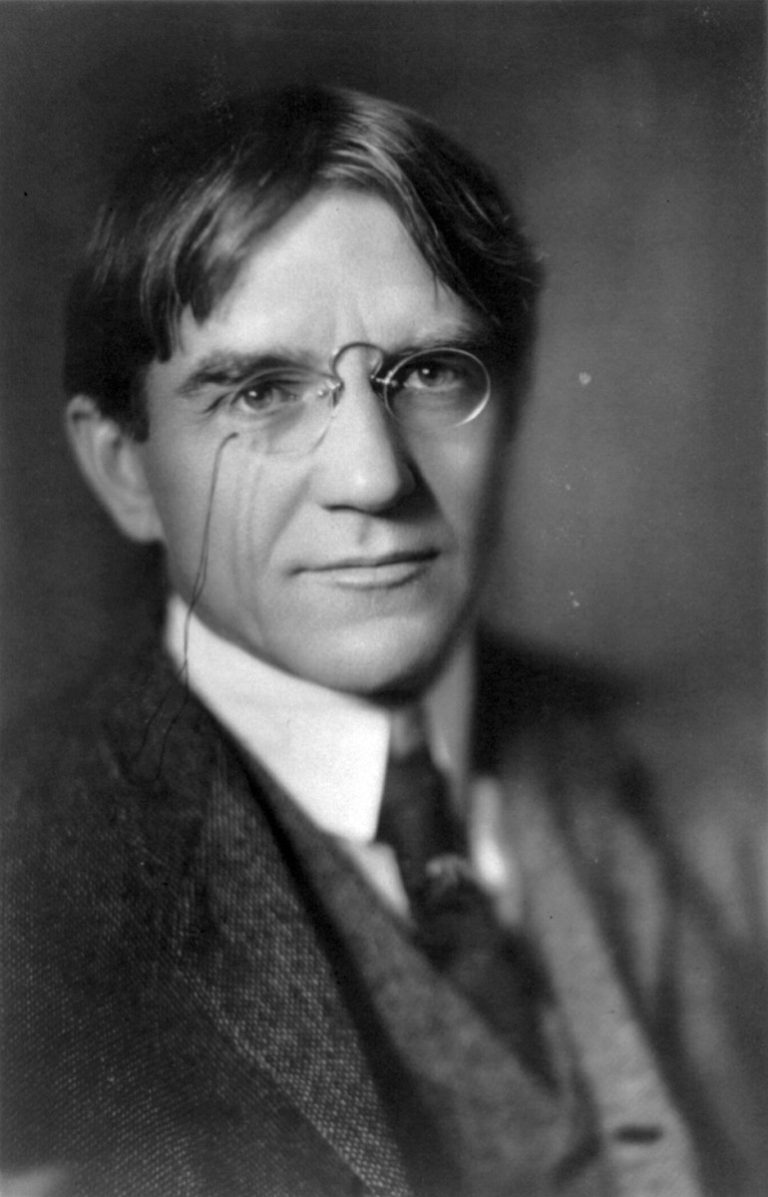
Bliss Carman, 1903 (Pirie MacDonald, Library of Congress).
CA-K605Culture & sport

Bliss Carman, poet of the Confederation group

Bliss Carman, born in Fredericton, wrote lyrical, mystical poetry reflecting his love of nature and the Maritimes. As a literary editor in New York and Boston he promoted many Canadian authors, and as a member of the Confederation group of poets he was one of Canada’s most recognized poets at home and abroad.

Factual accuracy review: No recorded challenge

Contributor: Citizen.ca

Verified against cited sourcesVerified on 2026-10-26↗
Photo: Pirie MacDonald · Photo licence: Public domain · Credit & context