
An independent Canadian knowledge project

Focused and Verified

Canadian knowledge base

Search by keyword

Choose one keyword, or combine two. Broader keywords include their descendants.

Keywords: Before 1600

Clear search
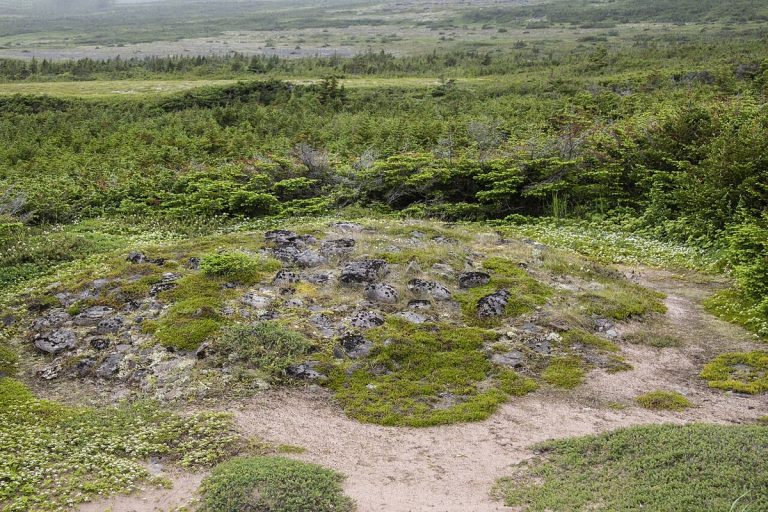
The burial mound at L’Anse Amour, Labrador, photographed in 2012.
CA-K309Indigenous peoples & reconciliation

L’Anse Amour, a 7,700-year-old burial mound

L’Anse Amour in southern Labrador, one of the largest and longest-used Indigenous habitation sites in Labrador, has the oldest known First Nations funerary monument in North America, built about 7,700 years ago over a young person’s burial. The grave goods include the earliest known toggling harpoon in the world.

Factual accuracy review: No recorded challenge

Contributor: Citizen.ca

Verified against cited sourcesVerified on 2026-10-26↗
Photo: Pierre Gingras · Photo licence: CC BY-SA 4.0 · Credit & context
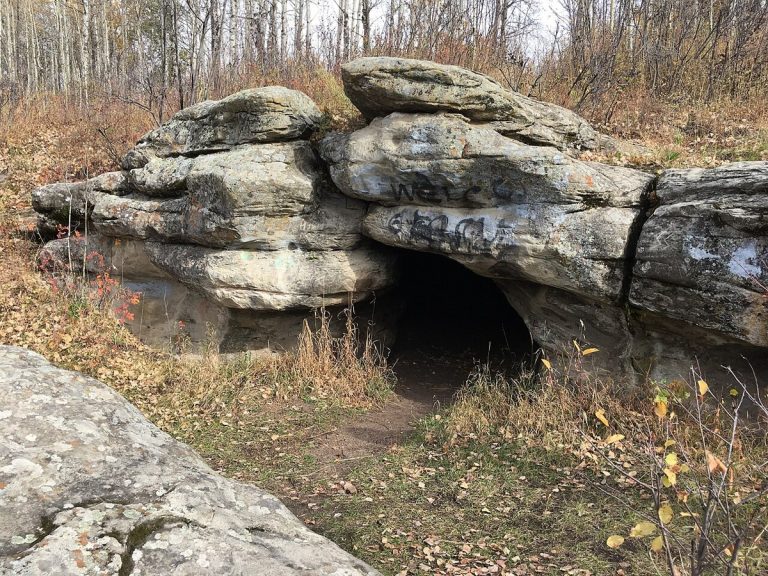
The front of the Tse’K’wa (Charlie Lake) cave, British Columbia, photographed in 2017.
CA-K305Indigenous peoples & reconciliation

Tse’K’wa, 12,500 years of human presence

Tse’K’wa, a cave near Fort St. John, British Columbia, in Dane-zaa traditional territory, holds a rare sequence of soil layers recording human settlement and environmental change from the end of the last glacial period, 12,500 years ago, to 1,000 years ago. Its lowest layers contained Palaeo-Indian stone tools, bones of late glacial animals, evidence of bison hunting and two nearly complete raven skeletons.

Factual accuracy review: No recorded challenge

Contributor: Citizen.ca

Verified against cited sourcesVerified on 2026-10-26↗
Photo: Breckenheimer · Photo licence: CC BY-SA 4.0 · Credit & context
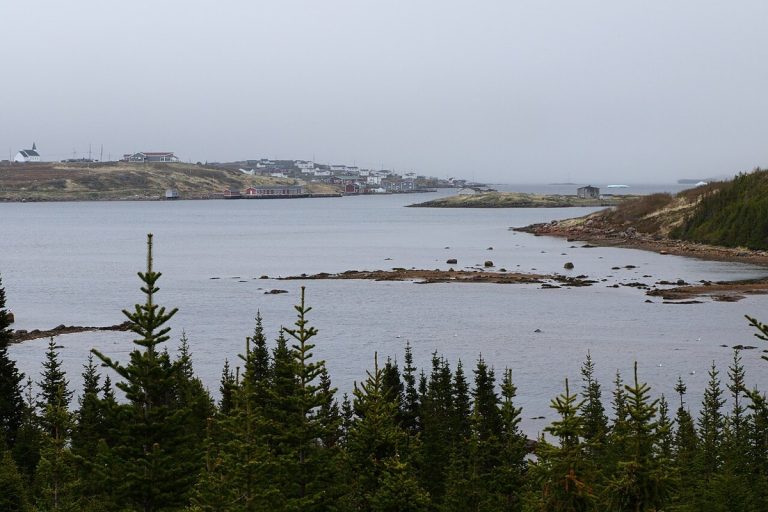
Red Bay, Newfoundland and Labrador, photographed in 2017.
CA-K241History

Red Bay, a 16th-century Basque whaling station

From the 1540s to the early 1600s, up to 2,000 Basque men and boys sailed each year from southern France and northern Spain to the Strait of Belle Isle to hunt right whales and render their blubber into oil for European markets. Red Bay, Labrador, a UNESCO World Heritage Site since 2013, is the most extensive and best-preserved whaling station of its kind.

Factual accuracy review: No recorded challenge

Contributor: Citizen.ca

Verified against cited sourcesVerified on 2026-10-26↗
Photo: Cephas · Photo licence: CC BY-SA 4.0 · Credit & context
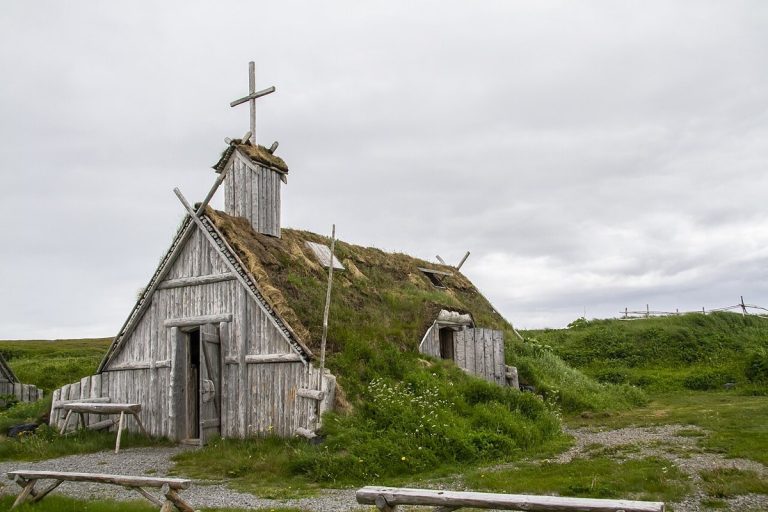
Reconstructed sod buildings at L’Anse aux Meadows, photographed in 2012; modern reconstructions, not the original remains.
CA-K081History

L’Anse aux Meadows: Norse presence over 1,000 years ago

L’Anse aux Meadows, at the tip of Newfoundland’s Great Northern Peninsula, holds the first known evidence of European presence in the Americas. Norse expeditions from Greenland built a small timber-and-sod encampment there over 1,000 years ago; the site was declared a UNESCO World Heritage Site in 1978.

Factual accuracy review: No recorded challenge

Contributor: Citizen.ca

Verified against cited sourcesVerified on 2026-10-26↗
Photo: Pierre Gingras · Photo licence: CC BY-SA 4.0 · Credit & context