An independent Canadian knowledge project

Focused and Verified

Canadian knowledge base

Search by keyword

Choose one keyword, or combine two. Broader keywords include their descendants.

Keywords: Sport and recreation

Clear search
R. Tait McKenzie (Bain News Service).
CA-K926Culture & sport

R. Tait McKenzie, surgeon, educator and sculptor

Robert Tait McKenzie, born in Lanark County, Ontario, graduated in medicine at McGill and became its medical director of physical training in 1894. A pioneer of physical education, he served as a surgeon in the First World War and developed widely adopted rehabilitation methods. He won international acclaim for sculptures of athletes; his medallion The Joy of Effort was set in Stockholm’s Olympic Stadium in 1912.

Factual accuracy review: No recorded challenge

Contributor: Citizen.ca

Verified against cited sourcesVerified on 2026-10-27↗
Photo: Bain News Service · Photo licence: Public domain · Credit & context
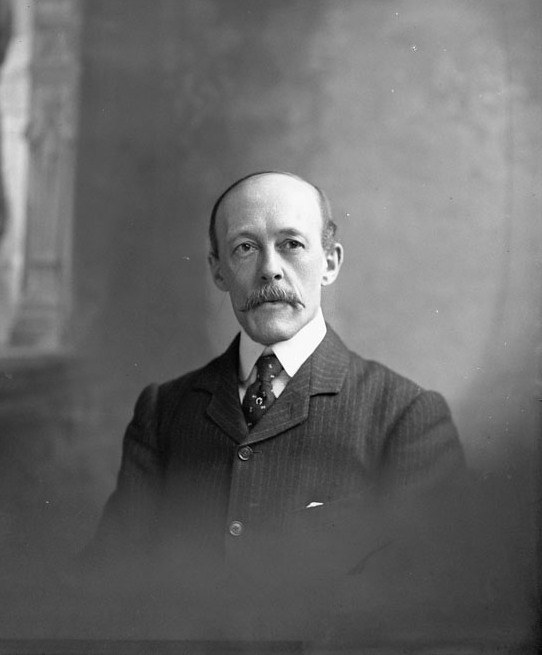
James Creighton, 1902 (William James Topley).
CA-K787Culture & sport

James Creighton, “father” of organized hockey

On March 3, 1875, James Creighton and his teammates played the first indoor public hockey game at Montréal’s Victoria Skating Rink. Over the next two years he brought together pucks, sticks, goals and skates with standardized rules and promoted the game. Captain of the first regular hockey club in Canada, he is often called the father of organized hockey.

Factual accuracy review: No recorded challenge

Contributor: Citizen.ca

Verified against cited sourcesVerified on 2026-10-26↗
Photo: William James Topley · Photo licence: Public domain · Credit & context
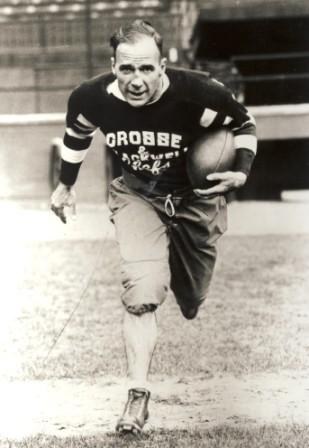
Lionel Conacher as a football player in Toronto, 1933.
CA-K430Culture & sport

Lionel Conacher, the “Big Train”

Lionel “Big Train” Conacher excelled at six professional sports and was voted Canada’s all-round male athlete of the half-century in 1950. A star of football and lacrosse who helped win the 1921 Grey Cup, he played in the National Hockey League from 1925 to 1937 on two Stanley Cup-winning teams, then was elected to the Ontario legislature and, in 1949, to the House of Commons.

Factual accuracy review: No recorded challenge

Contributor: Citizen.ca

Verified against cited sourcesVerified on 2026-10-26↗
Photo: Unknown author · Photo licence: Public domain · Credit & context
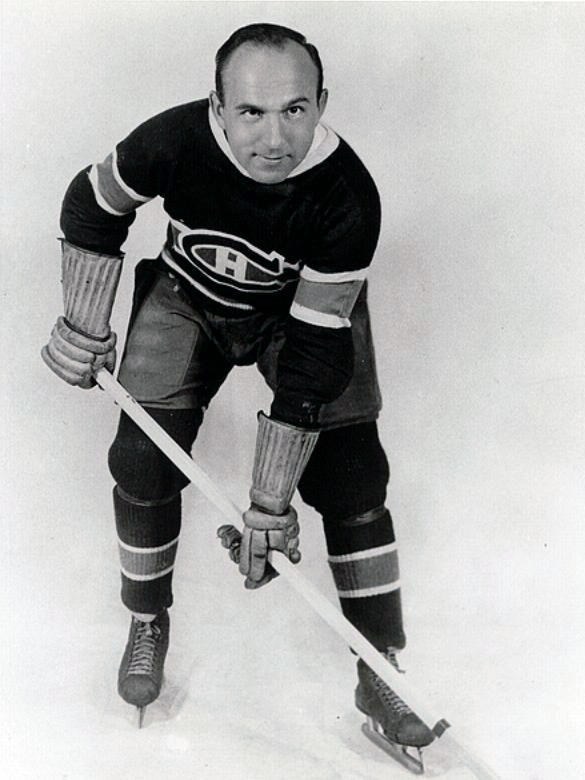
Howie Morenz of the Montréal Canadiens, around 1936.
CA-K429Culture & sport

Howie Morenz, the “Stratford Streak”

Howie Morenz of Mitchell, Ontario, joined the Montréal Canadiens in 1923 and helped them win three Stanley Cups, twice leading the league in scoring and winning the Hart Trophy three times. Probably the most exciting player of his day, he died in Montréal of complications from a hockey injury and was inducted into the Hockey Hall of Fame in 1945.

Factual accuracy review: No recorded challenge

Contributor: Citizen.ca

Verified against cited sourcesVerified on 2026-10-26↗
Photo: Unknown author · Photo licence: Public domain · Credit & context
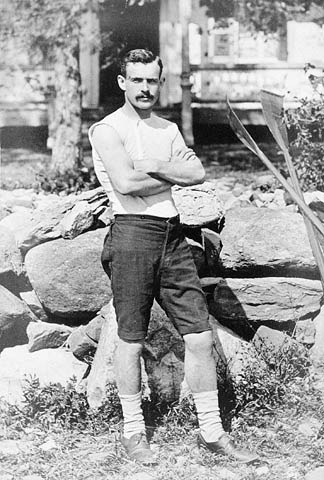
Ned Hanlan, world rowing champion, around 1878 (Notman & Sandham).
CA-K427Culture & sport

Ned Hanlan, world rowing champion

Ned Hanlan of Toronto was a champion rower in an era when rowing was a hugely popular spectator sport. He won the world sculling title in 1880 and held it until 1884, and by his retirement in 1897 had lost only about six of some 350 races. Known as “The Boy in Blue”, he was one of Canada’s first national sporting heroes.

Factual accuracy review: No recorded challenge

Contributor: Citizen.ca

Verified against cited sourcesVerified on 2026-10-26↗
Photo: Notman & Sandham · Photo licence: Public domain · Credit & context
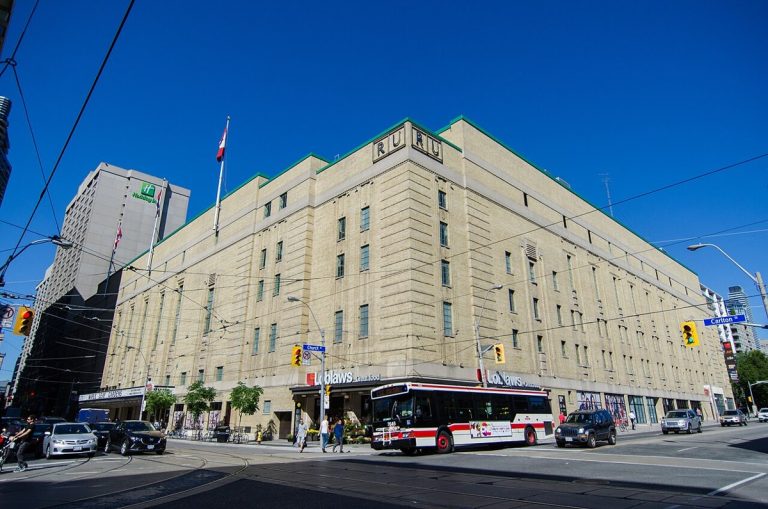
Maple Leaf Gardens at Church and Carlton streets, Toronto, photographed in 2016.
CA-K269Culture & sport

The Toronto Maple Leafs, an original NHL club

The Toronto Maple Leafs trace their origins to one of the first National Hockey League teams, formed in 1917; co-owner Conn Smythe renamed the St. Patricks the Maple Leafs in 1927 and built Maple Leaf Gardens during the Depression. Foster Hewitt’s broadcasts brought the team national attention, and it won 13 Stanley Cups between 1918 and 1967.

Factual accuracy review: No recorded challenge

Contributor: Citizen.ca

Verified against cited sourcesVerified on 2026-10-26↗
Photo: Jeff Hitchcock · Photo licence: CC BY 2.0 · Credit & context
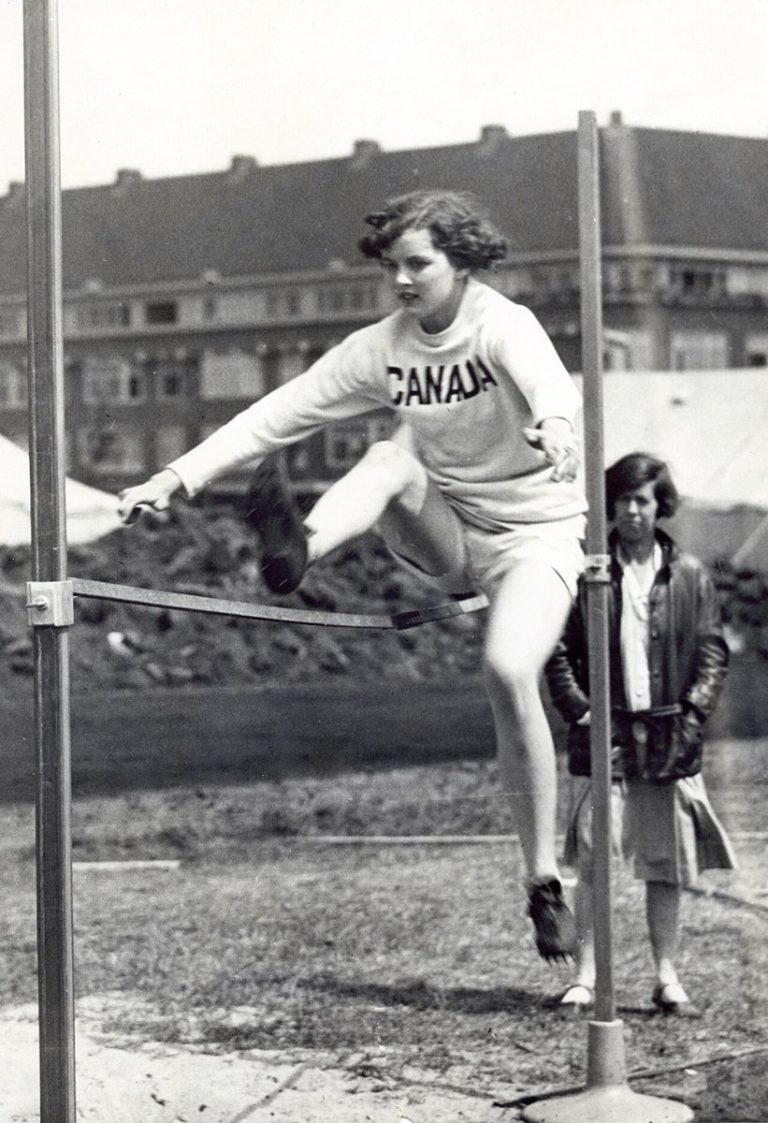
Ethel Catherwood training at the 1928 Summer Olympics in Amsterdam.
CA-K213Culture & sport

Ethel Catherwood, 1928 Olympic high jump champion

Ethel Catherwood (1908–1987) set national and world records in high jump and javelin between 1926 and 1930 and won the high jump gold medal at the 1928 Amsterdam Olympics, the first Games to allow women in track and field. With her “Matchless Six” teammates she earned Canada four medals, helping secure women’s place in Olympic track and field.

Factual accuracy review: No recorded challenge

Contributor: Citizen.ca

Verified against cited sourcesVerified on 2026-10-26↗
Photo: Unknown authorUnknown author · Photo licence: Public domain · Credit & context
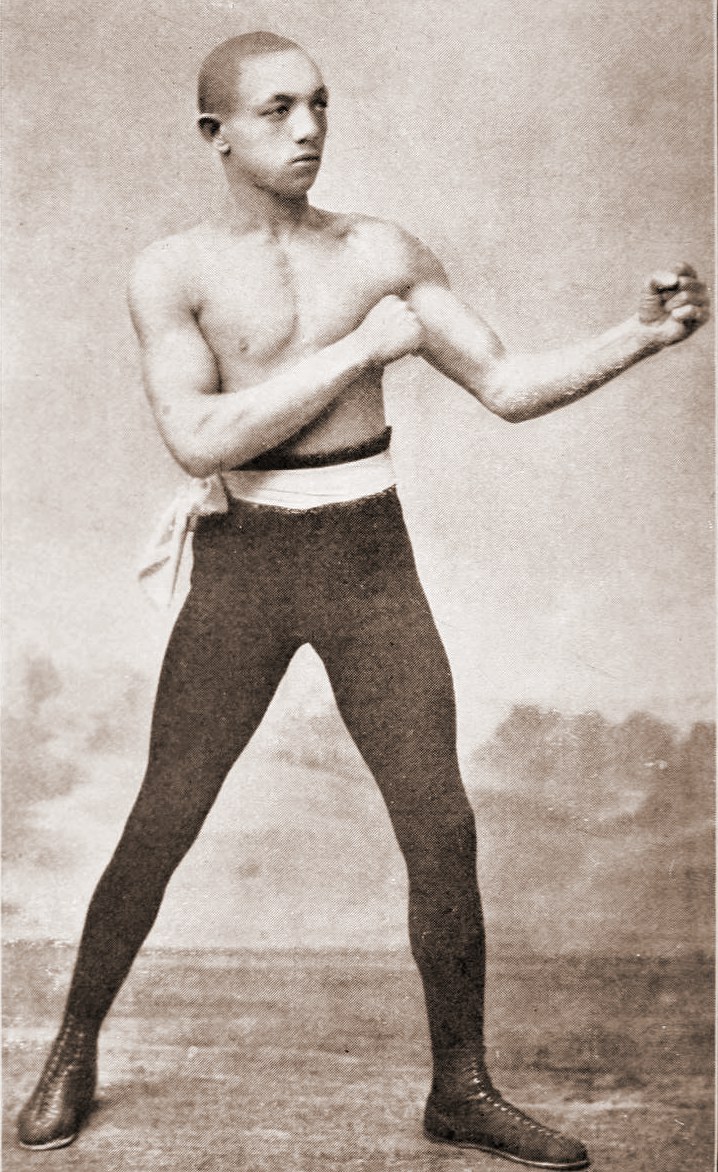
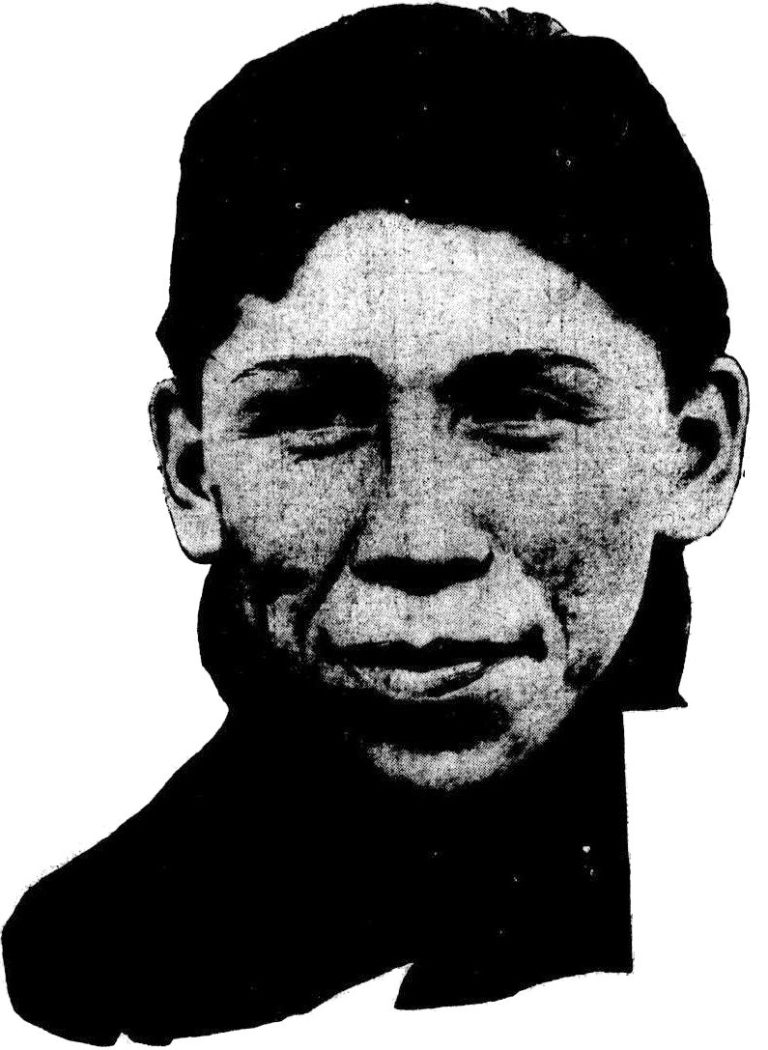
A photograph of George Dixon, taken before 1909.
CA-K201Culture & sport

George Dixon, first Black world boxing champion

George Dixon (1870–1908), born in Africville, Nova Scotia, was the first Black boxer and the first Canadian to win a world title, taking the bantamweight title in 1890 and the featherweight title in 1891. His training innovations, including shadowboxing, are still in use, and he used his popularity to open opportunities for Black boxers.

Factual accuracy review: No recorded challenge

Contributor: Citizen.ca

Verified against cited sourcesVerified on 2026-10-26↗
Photo: unattributed · Photo licence: Public domain · Credit & context
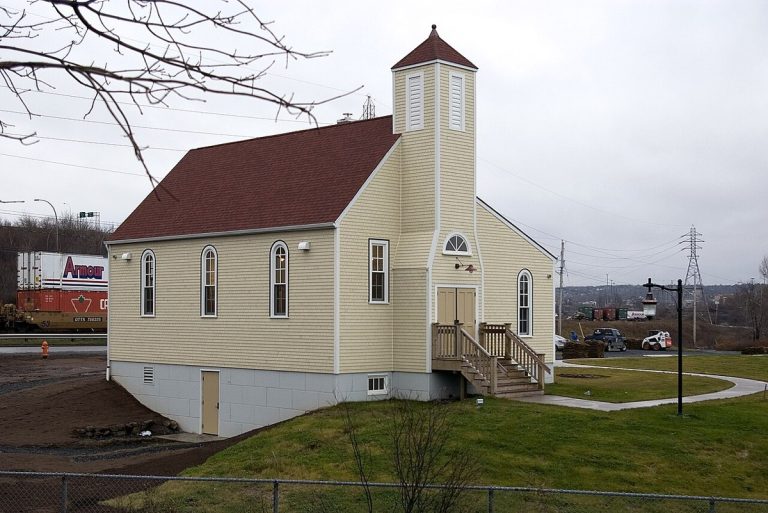
The Africville Museum in Halifax, housed in a replica of the Seaview African United Baptist Church, photographed in 2012.
CA-K198Culture & sport

The Colored Hockey League of the Maritimes, 1895

The Colored Hockey League of the Maritimes, formed in 1895 by African Canadian Baptist leaders in Dartmouth and Halifax, was the only all-Black men’s ice hockey league in Canada and soon expanded across Nova Scotia and Prince Edward Island. Its championships drew multiracial crowds, though players endured racism, and the league advanced the fight for equality.

Factual accuracy review: No recorded challenge

Contributor: Citizen.ca

Verified against cited sourcesVerified on 2026-10-26↗
Photo: DRheaume · Photo licence: CC BY-SA 3.0 · Credit & context
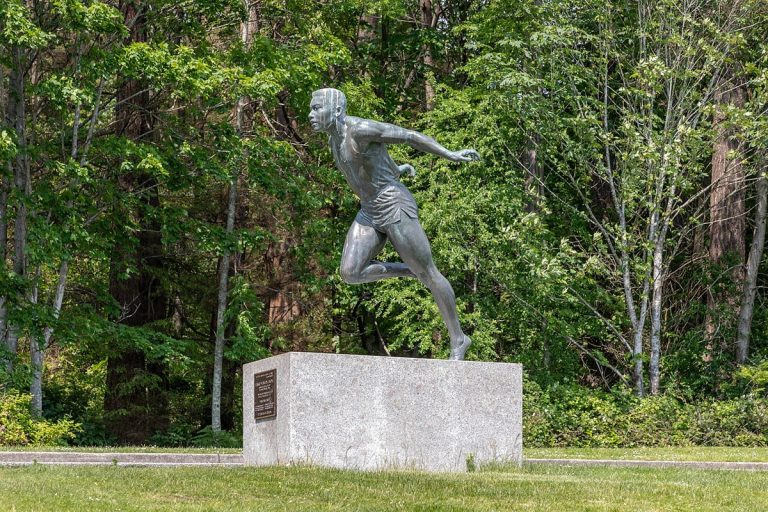
The Harry Jerome statue by Jack Harman in Stanley Park, Vancouver, photographed in 2022.
CA-K192Culture & sport

Harry Jerome, sprinter

Harry Jerome (1940–1982) was one of the fastest men in the world for much of the 1960s, holding multiple world sprint records, including the 100 metres in ten seconds flat. He later made major contributions to amateur sport and fitness in Canada, and remains a point of pride for African Canadians.

Factual accuracy review: No recorded challenge

Contributor: Citizen.ca

Verified against cited sourcesVerified on 2026-10-26↗
Photo: Dietmar Rabich · Photo licence: CC BY-SA 4.0 · Credit & context
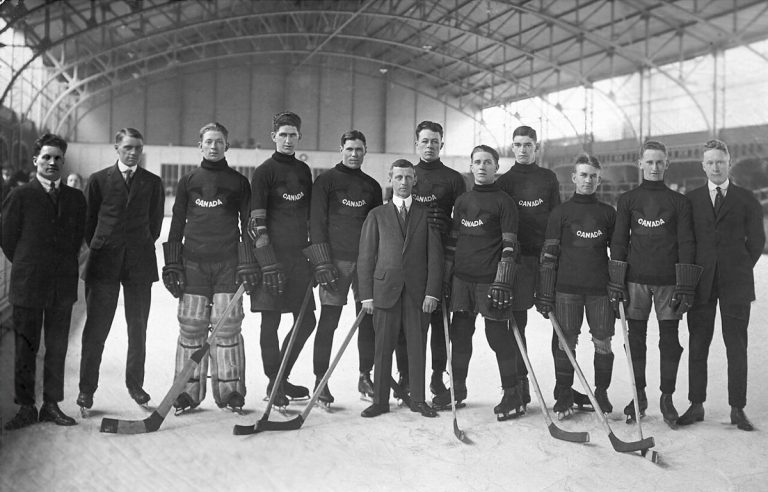
The Winnipeg Falcons team at the 1920 Summer Olympics in Antwerp.
CA-K191Culture & sport

The Winnipeg Falcons won the first Olympic hockey gold, 1920

The Winnipeg Falcons, a hockey club made up almost entirely of Icelandic Canadian players, won the Allan Cup as Canada’s senior amateur champions in 1920. That year they represented Canada in Antwerp, Belgium, and won the first Olympic gold medal for hockey.

Factual accuracy review: No recorded challenge

Contributor: Citizen.ca

Verified against cited sourcesVerified on 2026-10-26↗
Photo: Unknown authorUnknown author · Photo licence: Public domain · Credit & context
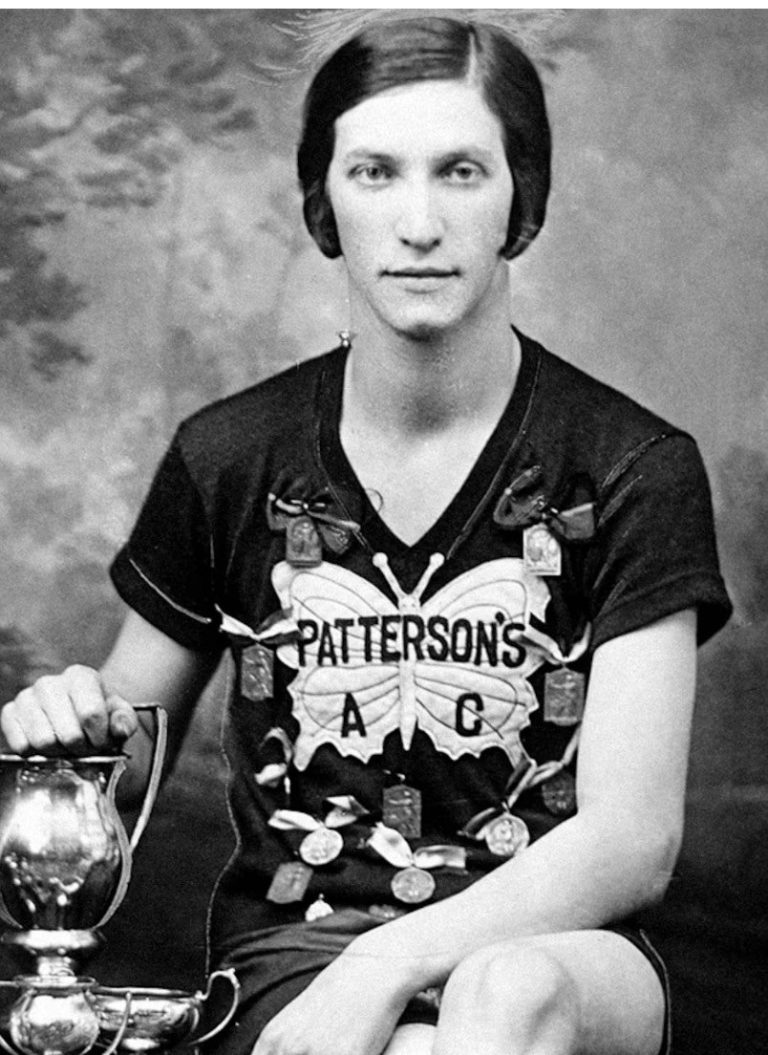
Bobbie Rosenfeld with trophies and medals, around 1928.
CA-K172Culture & sport

Bobbie Rosenfeld, athlete of the half-century

Fanny “Bobbie” Rosenfeld (1903–1969), an all-round athlete who excelled in hockey, basketball, tennis, softball and track, won gold and silver medals at the 1928 Amsterdam Olympics. In 1949 she was chosen Canada’s outstanding female athlete of the half-century, after a later career as a Toronto sports columnist.

Factual accuracy review: No recorded challenge

Contributor: Citizen.ca

Verified against cited sourcesVerified on 2026-10-26↗
Photo: Unknown authorUnknown author · Photo licence: Public domain · Credit & context
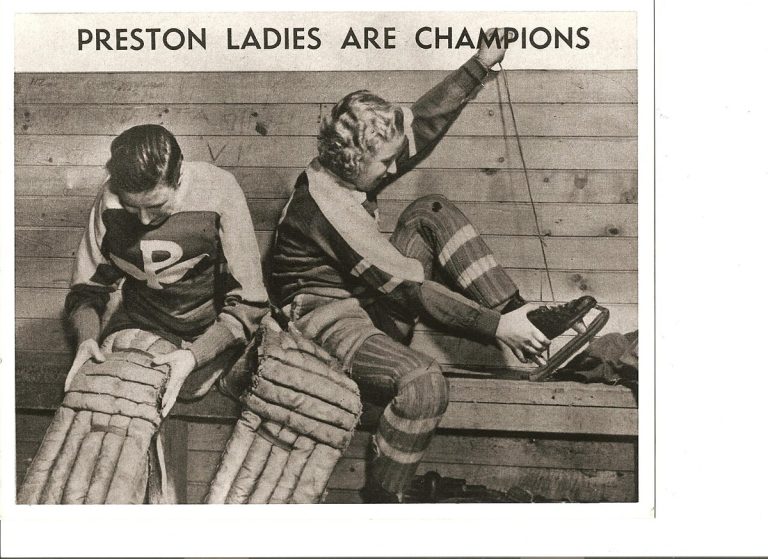
A 1940 Preston Rivulettes postcard.
CA-K168Culture & sport

The Preston Rivulettes, 1931–1940

The Preston Rivulettes of Preston (now Cambridge), Ontario, are considered the most successful early women’s hockey team, winning more than 95% of their games in their ten-year existence. Led by right-winger Hilda Ranscombe, they won most provincial, regional and national championships between 1931 and 1940.

Factual accuracy review: No recorded challenge

Contributor: Citizen.ca

Verified against cited sourcesVerified on 2026-10-26↗
Photo: Preston Rivulettes · Photo licence: Public domain · Credit & context
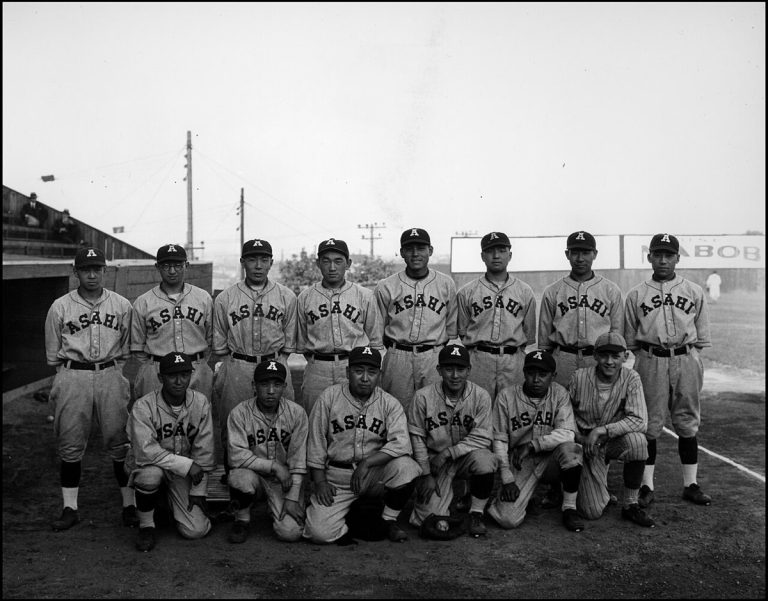
The Asahi Baseball Club seniors team in 1929 (Vancouver Public Library).
CA-K166Culture & sport

Vancouver’s Asahi baseball team, 1914–1941

Between 1914 and 1941, when Japanese Canadians faced racism, Vancouver’s Asahi Baseball Team won championships in senior amateur leagues with its “brain ball” style of bunting and speed. The team became a symbol of the Japanese Canadian struggle for equality and respect, and was disbanded during the Second World War internment.

Factual accuracy review: No recorded challenge

Contributor: Citizen.ca

Verified against cited sourcesVerified on 2026-10-26↗
Photo: Vancouver Public Library Historical Photographs · Photo licence: Public domain · Credit & context
Tom Longboat as pictured in the Boston Post, 19 April 1907.
CA-K149Culture & sport

Tom Longboat won the 1907 Boston Marathon

Tom Longboat (1886–1949), an Onondaga athlete from the Six Nations of the Grand River, became the foremost long-distance runner of his time and won the 1907 Boston Marathon. He competed at the 1908 Olympics and was one of the first Canadian athletes to make a living solely from sport.

Factual accuracy review: No recorded challenge

Contributor: Citizen.ca

Verified against cited sourcesVerified on 2026-10-26↗
Photo: Unknown authorUnknown author · Photo licence: Public domain · Credit & context
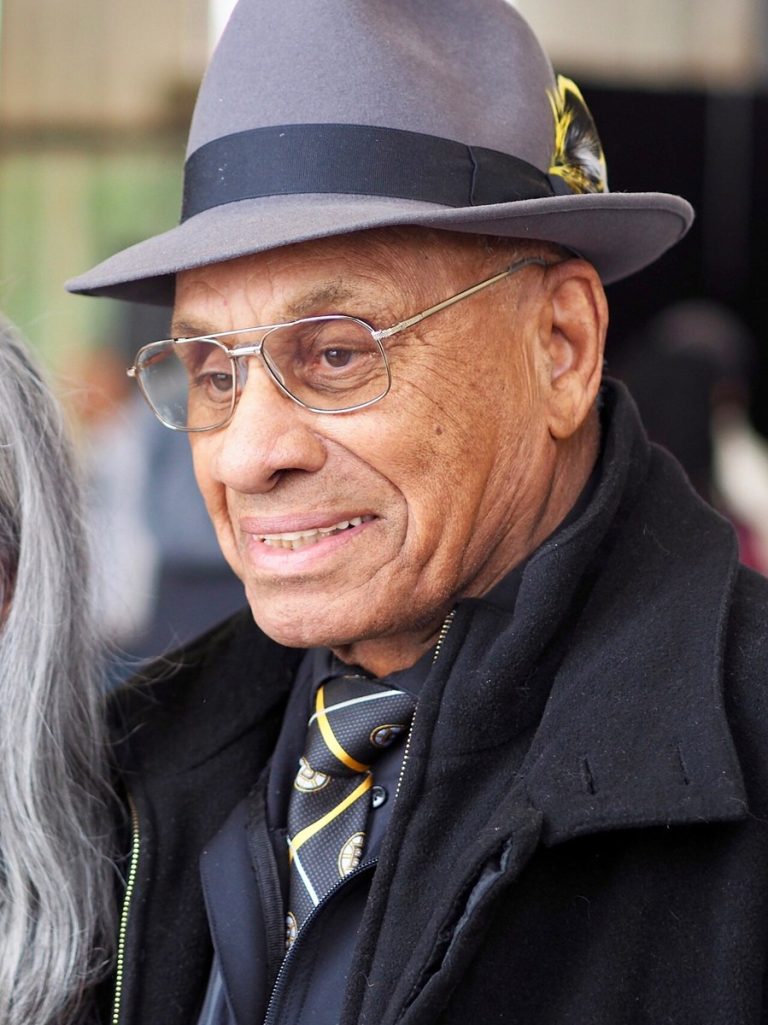
Willie O’Ree in Ottawa in February 2020.
CA-K145Culture & sport

Players who broke the NHL’s racial barriers

Non-white athletes faced racial barriers to playing in the National Hockey League after its founding in 1917. In the league’s early decades, players such as Paul Jacobs, Henry “Elmer” Maracle, Larry Kwong, Fred Sasakamoose and Willie O’Ree confronted racism on and off the ice and broke through those barriers to reach the NHL.

Factual accuracy review: No recorded challenge

Contributor: Citizen.ca

Verified against cited sourcesVerified on 2026-10-26↗
Photo: U.S. Embassy and Consulates in Canada · Photo licence: Public domain · Credit & context
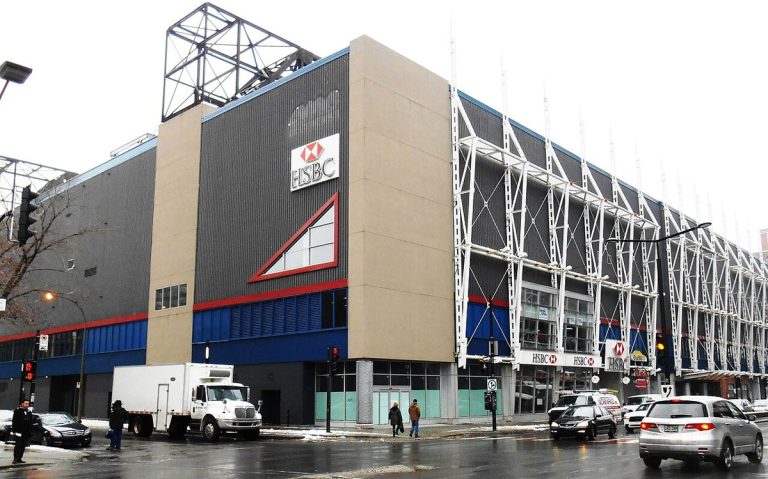
The former Montréal Forum building on Sainte-Catherine Street, where Game One was played, photographed in 2014.
CA-K143Culture & sport

The 1972 Summit Series

The 1972 Summit Series, eight games played in September 1972, was the first encounter between top Canadian professional hockey players and the Soviet Union’s national team. Team Canada won the series in Moscow with a come-from-behind victory, scoring the winning goal with 34 seconds left in the final game.

Factual accuracy review: No recorded challenge

Contributor: Citizen.ca

Verified against cited sourcesVerified on 2026-10-26↗
Photo: Jeangagnon · Photo licence: CC BY-SA 3.0 · Credit & context
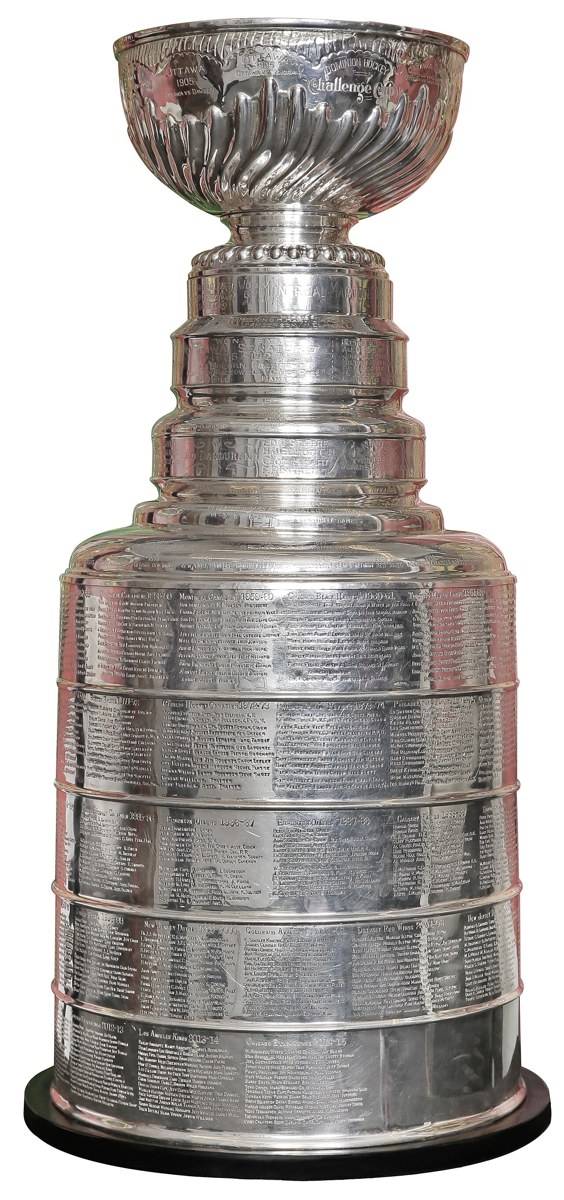
The Stanley Cup in 2015.
CA-K134Culture & sport

The Stanley Cup was announced in 1892

In 1892, Governor General Lord Stanley’s donation of a challenge cup for Canada’s best hockey club was announced. First awarded to amateur teams, the Stanley Cup has been the exclusive prize of the National Hockey League’s playoff champion since 1927.

Factual accuracy review: No recorded challenge

Contributor: Citizen.ca

Verified against cited sourcesVerified on 2026-10-26↗
Photo: Alex Goykhman · Photo licence: CC BY-SA 4.0 · Credit & context