An independent project serving Canadian citizens and future citizens

Learn and take the test

Future Citizens

Citizenship Test collection

206 knowledge records

A focused subset of the Canadian knowledge base.

Explore the full knowledge base →

Search by keyword

Citizenship Test is always required. Choose additional keywords to narrow this collection. Broader keywords include their descendants.

For citizenship preparation, use these records alongside the official Discover Canada guide. Check current officeholders and local information separately. This is an independent study collection.

Keywords: Culture and everyday life

Clear search
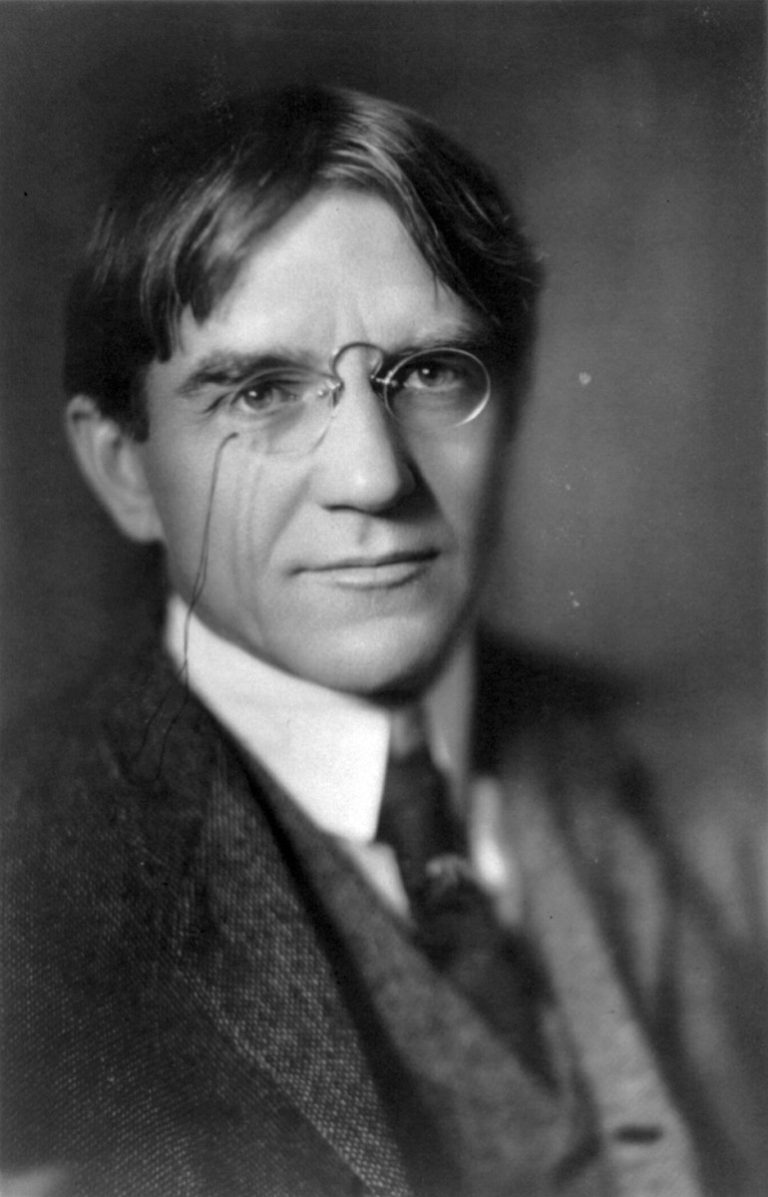
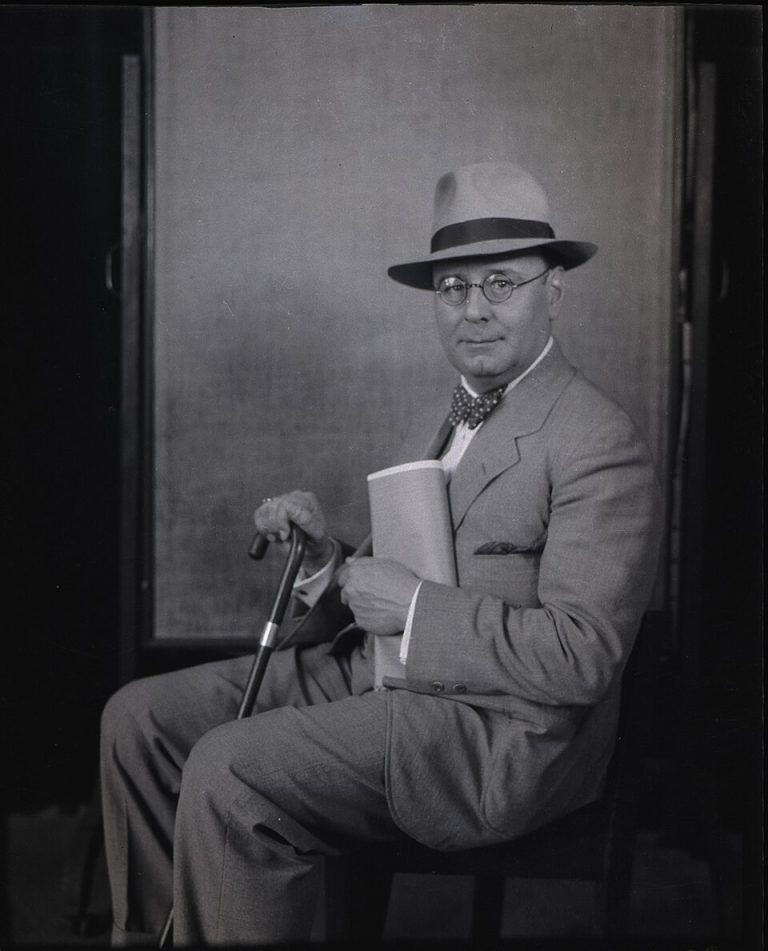
Frederick Varley, probably in Vancouver, 1927 (John Vanderpant).
CA-K1834Citizenship Test

Canadian visual arts and cultural creators in Discover Canada

Discover Canada names the Group of Seven, Emily Carr, Les Automatistes and Kenojuak Ashevak among important Canadian visual-arts examples. It presents cultural achievement in both English and French and across regions and communities.

Factual accuracy review: No recorded challenge

Contributor: Citizen.ca

Verified against cited sourcesVerified on 2026-11-01↗
Photo: John Vanderpant · Photo licence: Public domain · Credit & context
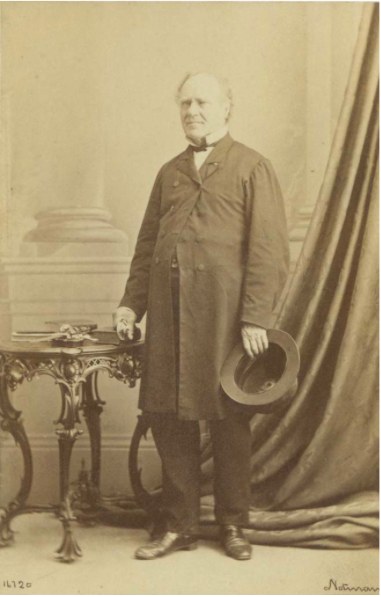
Joseph Howe, 1865 (William Notman).
CA-K973History

Joseph Howe, “Tribune of Nova Scotia”

Joseph Howe, born in Halifax and largely self-taught, became publisher of the Novascotian and by 1836 was his province’s leading journalist and orator. Elected that year, he led the struggle that won responsible government in 1848. An eloquent opponent of Confederation in the 1860s, he joined the federal cabinet in 1869 after negotiating “better terms” for Nova Scotia, and shortly before his death in 1873 became its lieutenant governor.

Factual accuracy review: No recorded challenge

Contributor: Citizen.ca

Verified against cited sourcesVerified on 2026-10-27↗
Photo: William Notman · Photo licence: Public domain · Credit & context
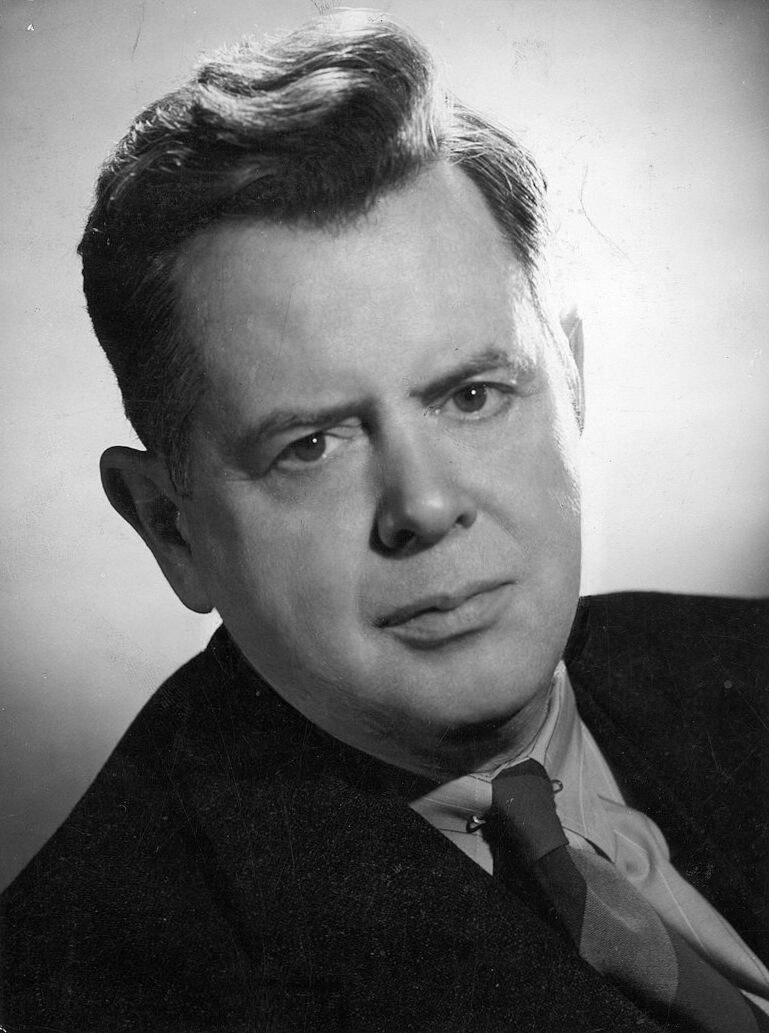
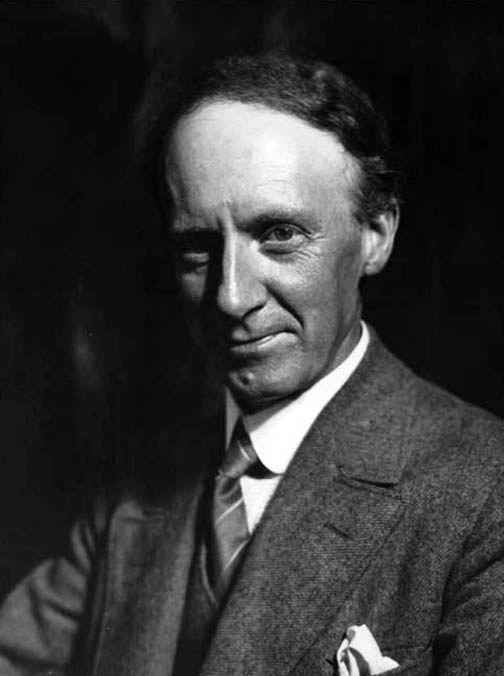
Sir Ernest MacMillan, 1940 (Noel Rubie).
CA-K924Culture & sport

Sir Ernest MacMillan, conductor and champion of Canadian music

Ernest MacMillan, composer and organist, was knighted in 1935 for services to music in Canada. For many years he conducted the Toronto Symphony Orchestra and the Toronto Mendelssohn Choir, led the Toronto Conservatory of Music and was dean of music at the University of Toronto. He promoted music at every level, supporting national music organizations, publishing, and conducting and judging festivals across the country.

Factual accuracy review: No recorded challenge

Contributor: Citizen.ca

Verified against cited sourcesVerified on 2026-10-27↗
Photo: Noel Rubie · Photo licence: Public domain · Credit & context
Charles G. D. Roberts, 1904 (Library of Congress).
CA-K656Culture & sport

Sir Charles G. D. Roberts, father of English-Canadian poetry

Charles G. D. Roberts, born in Douglas, New Brunswick, grew up near the Tantramar Marshes that shaped much of his writing. His early poetry inspired the generation of writers known as the Confederation Poets and laid the foundations of a Canadian poetic tradition, earning him the title of father of English-Canadian poetry.

Factual accuracy review: No recorded challenge

Contributor: Citizen.ca

Verified against cited sourcesVerified on 2026-10-26↗
Photo: Unknown author · Photo licence: Public domain · Credit & context
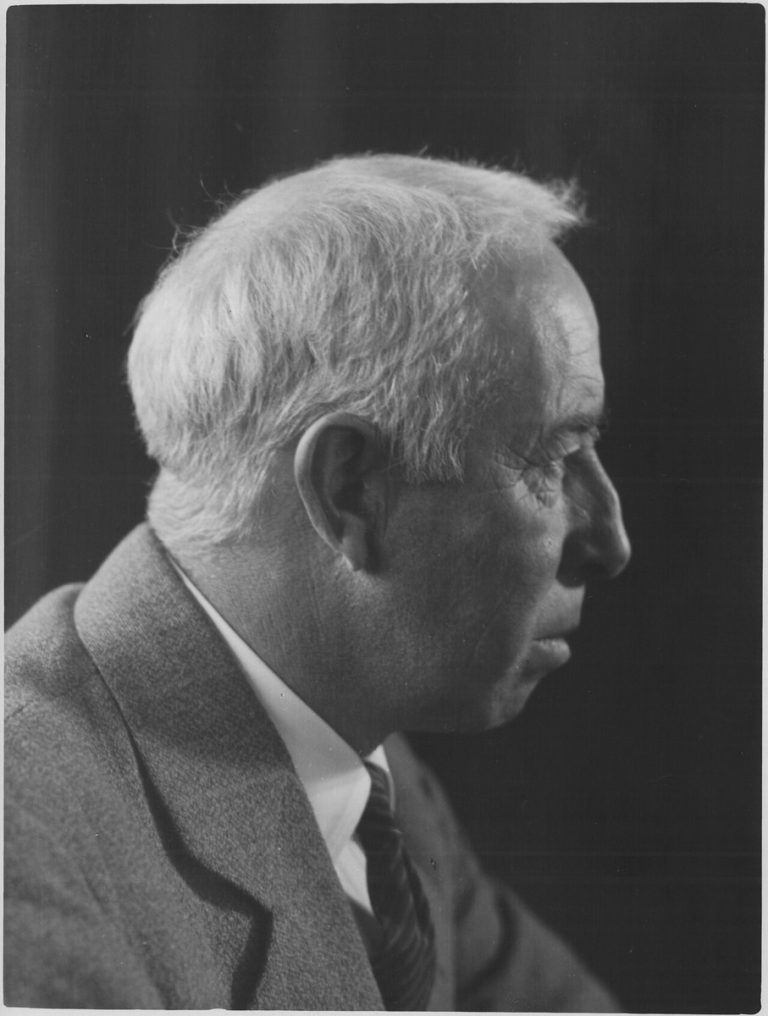
J. E. H. MacDonald (Archives of Ontario).
CA-K579Culture & sport

J. E. H. MacDonald, painter of the Group of Seven

J. E. H. MacDonald, painter, designer and poet, was a founding member of the Group of Seven and a key figure in creating a national style of landscape painting. A talented graphic designer of Canadian motifs, he painted southern Ontario farmland, Algoma’s autumn colours, Nova Scotia shores and the Rockies, and inspired students at the Ontario College of Art.

Factual accuracy review: No recorded challenge

Contributor: Citizen.ca

Verified against cited sourcesVerified on 2026-10-26↗
Photo: Unknown photographer; Archives of Ontario · Photo licence: Public domain · Credit & context
A. Y. Jackson, 1930 (Archives of Ontario).
CA-K574Culture & sport

A. Y. Jackson, painter of the Group of Seven

A. Y. Jackson, born in Montréal, studied painting there and in Paris, served overseas in the First World War and was a member of the Group of Seven from 1920 to 1933. His simple, rounded forms in wilderness landscapes gave a powerful image of Canada, and he greatly influenced a generation of Canadian artists.

Factual accuracy review: No recorded challenge

Contributor: Citizen.ca

Verified against cited sourcesVerified on 2026-10-26↗
Photo: Unknown photographer (1930); Archives of Ontario, I0007815 · Photo licence: Public domain · Credit & context
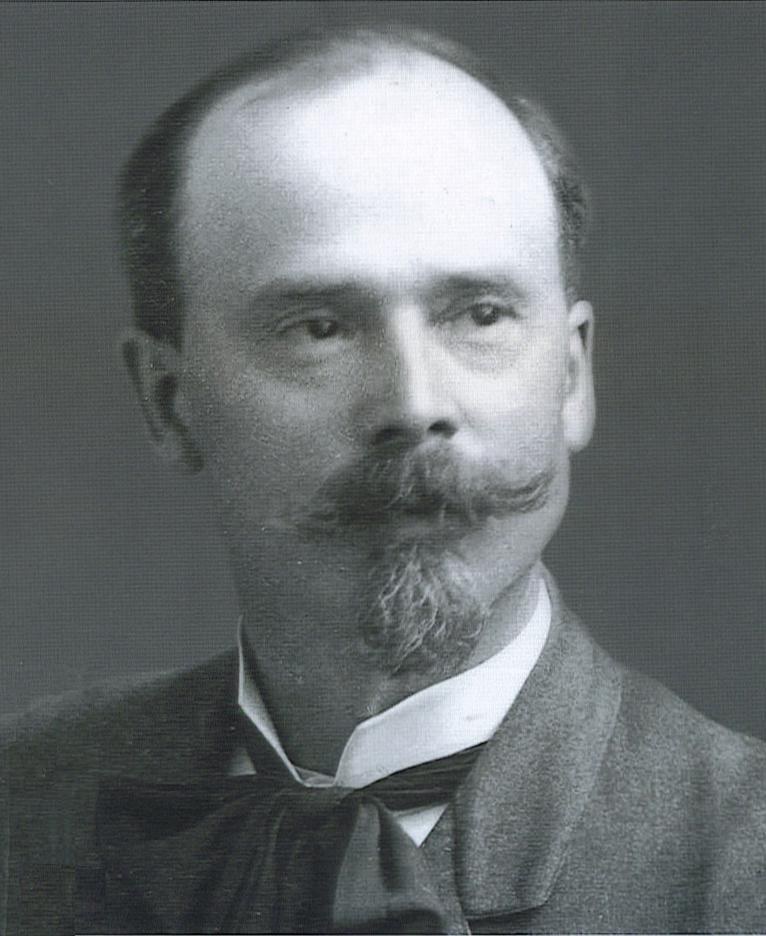
Louis-Philippe Hébert, around 1898 (Wm. Notman & Son).
CA-K538Culture & sport

Louis-Philippe Hébert, sculptor

Louis-Philippe Hébert was a Canadian sculptor known for public monuments. After carving wood figures for churches in Ottawa and Montréal, he made bronze statues such as Cartier on Parliament Hill and won renown for the sculptures on the façade of the Quebec legislature, his Maisonneuve monument in Montréal and the Macdonald monument in Ottawa.

Factual accuracy review: No recorded challenge

Contributor: Citizen.ca

Verified against cited sourcesVerified on 2026-10-26↗
Photo: William Notman & Son · Photo licence: Public domain · Credit & context
Marshall McLuhan in 1945 (Library and Archives Canada).
CA-K491Culture & sport

Marshall McLuhan, “the medium is the message”

Marshall McLuhan, a University of Toronto professor and pioneer of media studies, became famous in the 1960s for his theories about how print and electronic media shape human perception and behaviour. His ideas of the “global village” and “the medium is the message” made him one of the most celebrated scholars in the Western world.

Factual accuracy review: No recorded challenge

Contributor: Citizen.ca

Verified against cited sourcesVerified on 2026-10-26↗
Photo: Josephine Smith · Photo licence: Public domain · Credit & context
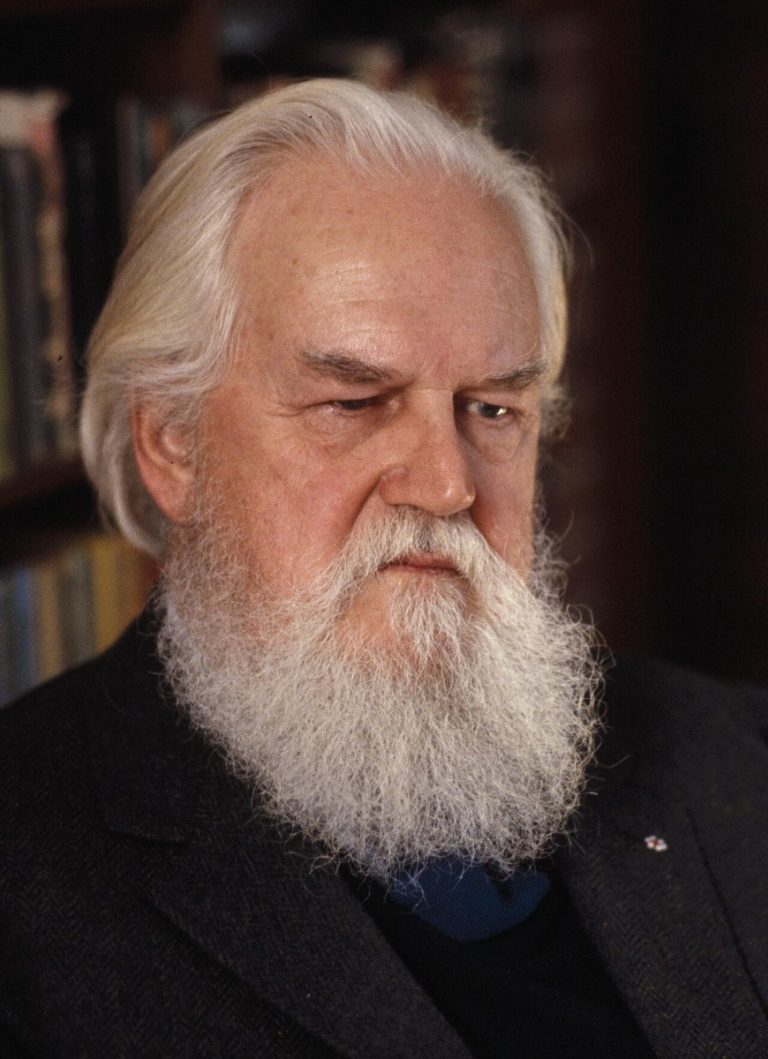
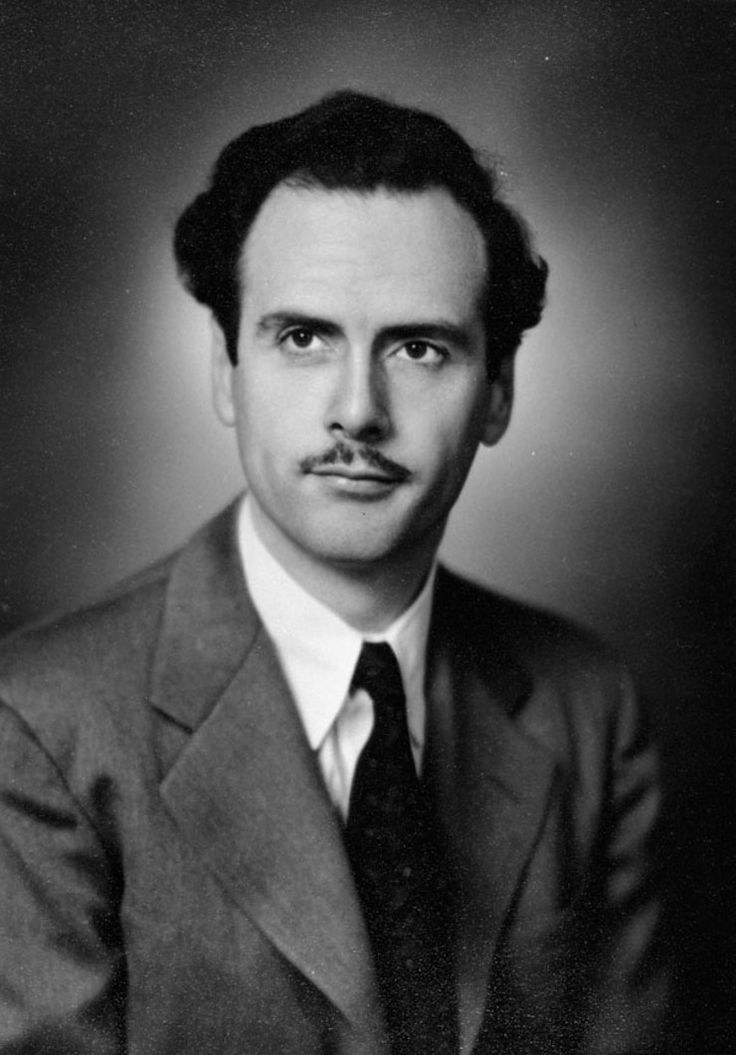
Frederick Varley, probably in Vancouver, 1927 (John Vanderpant).
CA-K484Culture & sport

Frederick Varley, painter of the Group of Seven

Frederick Varley, a founding member of the Group of Seven, helped establish a national style of painting the Canadian landscape. A masterful portraitist and an official First World War artist, he moved to teach on the West Coast in 1926, and his unconventional use of colour to convey emotion is a singular contribution to Canadian art.

Factual accuracy review: No recorded challenge

Contributor: Citizen.ca

Verified against cited sourcesVerified on 2026-10-26↗
Photo: John Vanderpant · Photo licence: Public domain · Credit & context
Dr. Healey Willan in 1930 (Archives of Ontario).
CA-K457Culture & sport

Healey Willan, composer of sacred music

Healey Willan came to Canada in 1913 to teach at the Toronto Conservatory of Music, now the Royal Conservatory. As organist and choirmaster of St. Mary Magdalene in Toronto from 1921 to 1968, he composed the sacred music for which he is particularly remembered.

Factual accuracy review: No recorded challenge

Contributor: Citizen.ca

Verified against cited sourcesVerified on 2026-10-26↗
Photo: Unknown photographer (1930); Archives of Ontario, I0001735 · Photo licence: Public domain · Credit & context
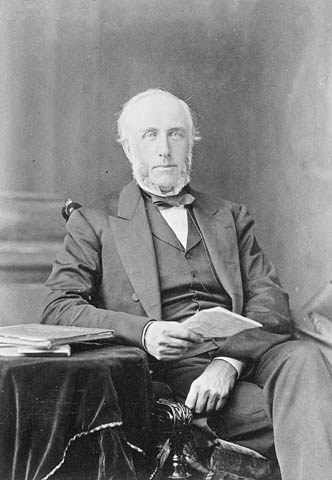
A portrait of George Brown, Father of Confederation.
CA-K277History

George Brown, The Globe and the Great Coalition

George Brown (1818–1880) founded the influential newspaper The Globe in 1844 and became a leading reformer and head of the “Clear Grit” party. In 1864 he was a key figure in the Great Coalition that made Confederation possible, and he co-founded the Anti-Slavery Society of Canada.

Factual accuracy review: No recorded challenge

Contributor: Citizen.ca

Verified against cited sourcesVerified on 2026-10-26↗
Photo: Hunter & Co. · Photo licence: Public domain · Credit & context
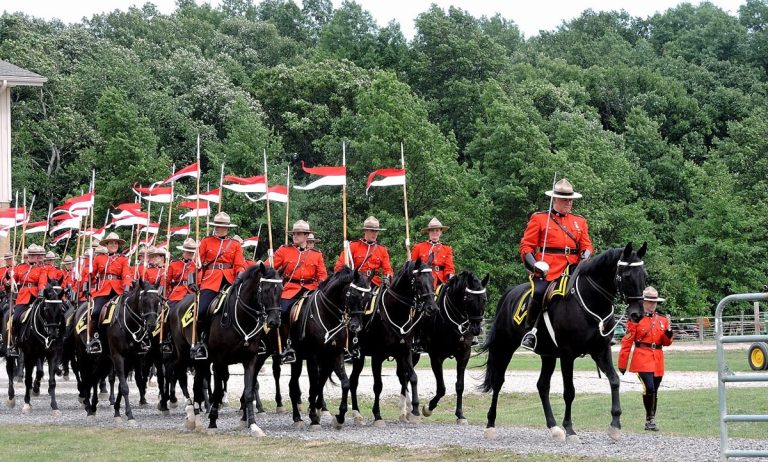
The RCMP Musical Ride performing in 2016.
CA-K247Symbols

The RCMP Musical Ride, first performed in 1887

The RCMP Musical Ride, a precision performance by scarlet-uniformed police on horseback set to music, was first performed in Regina in 1887 by the North-West Mounted Police. The RCMP has bred and trained black horses for the Ride since the 1940s, and it is one of the distinctive symbols of Canadian identity at home and abroad.

Factual accuracy review: No recorded challenge

Contributor: Citizen.ca

Verified against cited sourcesVerified on 2026-10-26↗
Photo: Andrea_44 from Leamington, Ontario , Canada · Photo licence: CC BY 2.0 · Credit & context
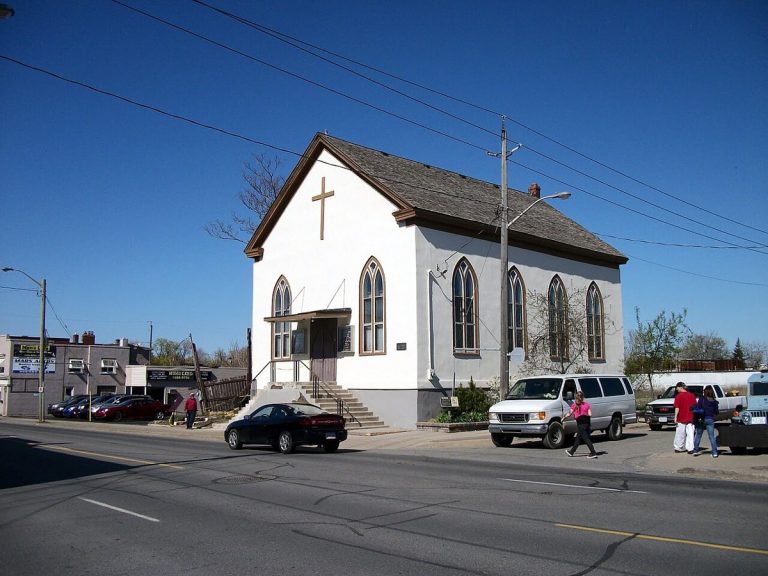
Salem Chapel British Methodist Episcopal Church in St. Catharines, Ontario, a centre of 19th-century abolitionist activity, photographed in 2012.
CA-K217History

Harriet Tubman led freedom-seekers to Canada

Harriet Tubman (c. 1822–1913), who escaped slavery in Maryland, was the most famous “conductor” on the Underground Railroad, leading many people on dangerous journeys to freedom in Canada and helping them settle. She became the public face of the Underground Railroad in British North America, drawing attention and funding to the abolition movement.

Factual accuracy review: No recorded challenge

Contributor: Citizen.ca

Verified against cited sourcesVerified on 2026-10-26↗
Photo: Gr82c · Photo licence: CC BY-SA 3.0 · Credit & context
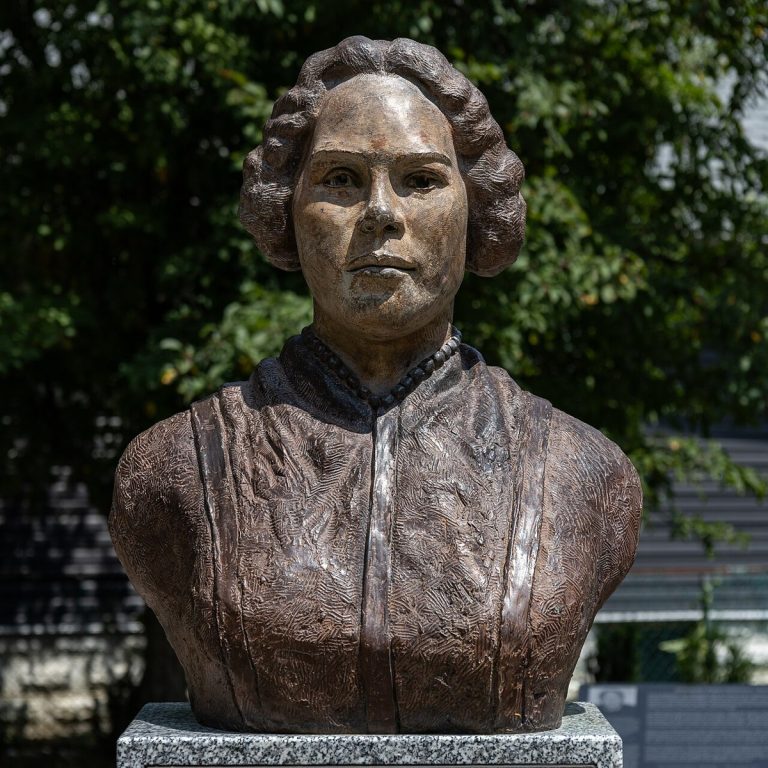
A bust of Mary Ann Shadd Cary by Artis Lane in BME Freedom Park, Chatham, Ontario, photographed in 2025.
CA-K164History

Mary Ann Shadd and the Provincial Freeman

Mary Ann Shadd (1823–1893) became a prominent activist in the Underground Railroad refugee communities of Upper Canada in the 1850s. In 1853 she established the Provincial Freeman, an influential newspaper that argued for the rights of Black people and women and became the leading voice of refugees in Canada.

Factual accuracy review: No recorded challenge

Contributor: Citizen.ca

Verified against cited sourcesVerified on 2026-10-26↗
Photo: Chris Woodrich · Photo licence: CC BY-SA 4.0 · Credit & context
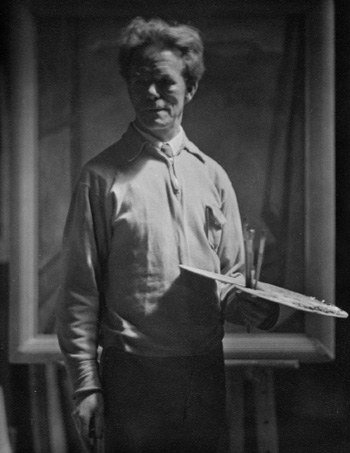
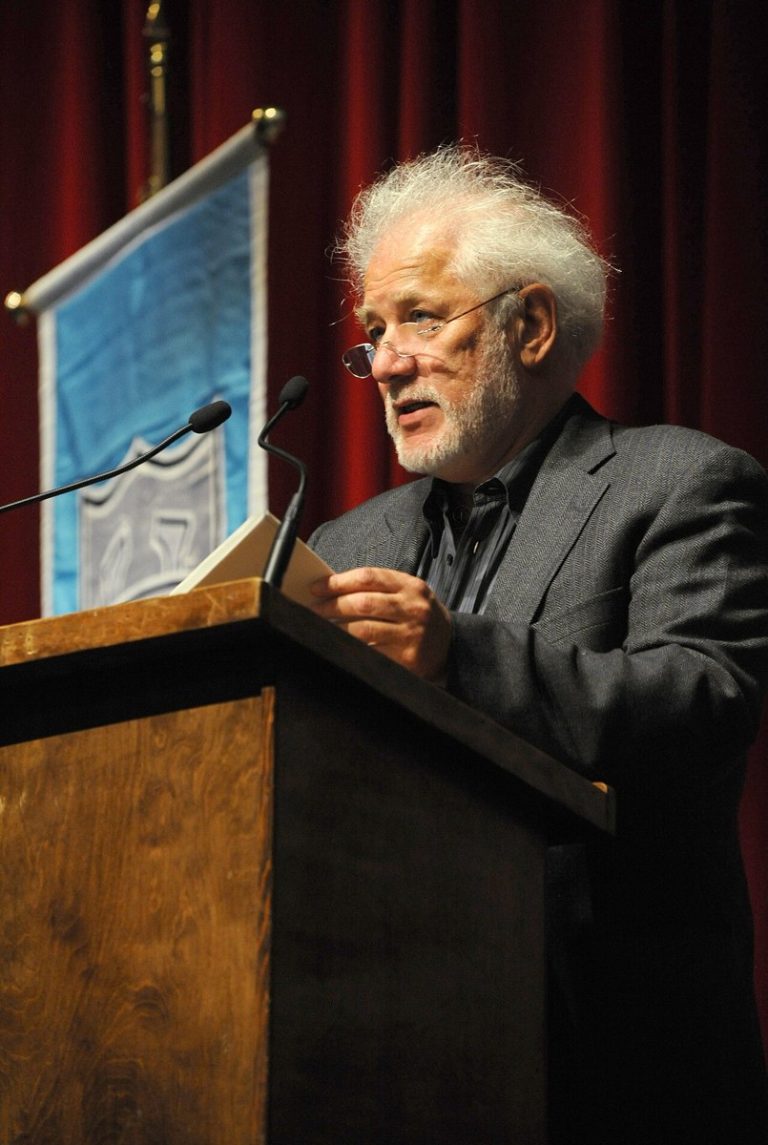
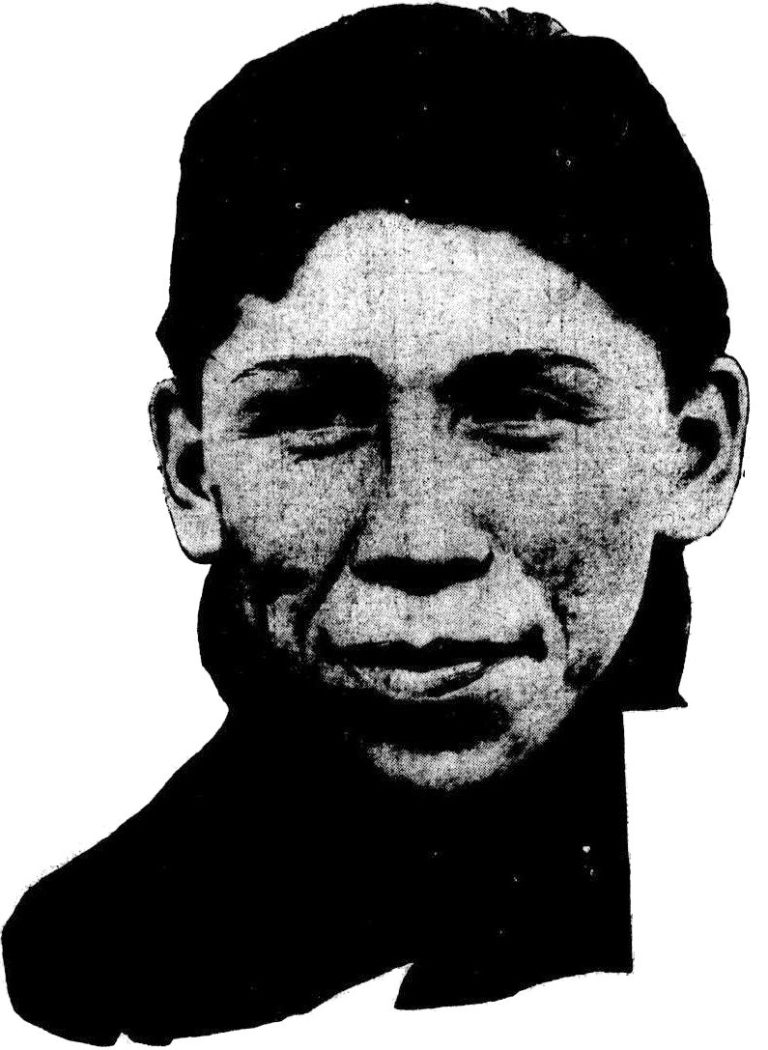
Tom Longboat as pictured in the Boston Post, 19 April 1907.
CA-K149Culture & sport

Tom Longboat won the 1907 Boston Marathon

Tom Longboat (1886–1949), an Onondaga athlete from the Six Nations of the Grand River, became the foremost long-distance runner of his time and won the 1907 Boston Marathon. He competed at the 1908 Olympics and was one of the first Canadian athletes to make a living solely from sport.

Factual accuracy review: No recorded challenge

Contributor: Citizen.ca

Verified against cited sourcesVerified on 2026-10-26↗
Photo: Unknown authorUnknown author · Photo licence: Public domain · Credit & context
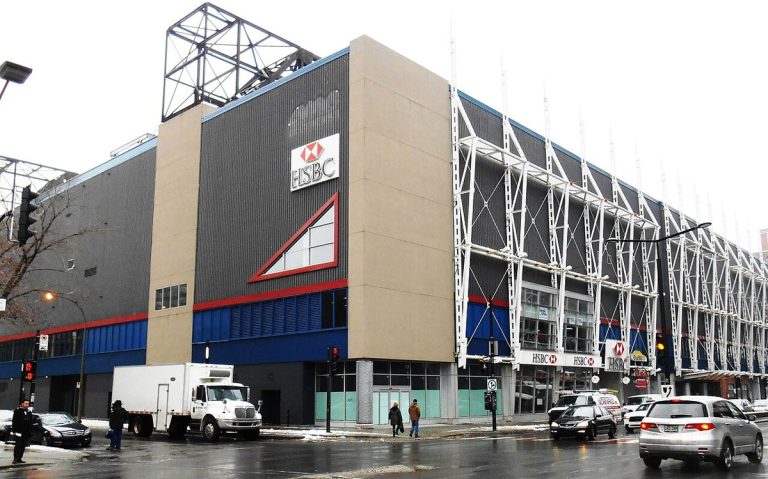
The former Montréal Forum building on Sainte-Catherine Street, where Game One was played, photographed in 2014.
CA-K143Culture & sport

The 1972 Summit Series

The 1972 Summit Series, eight games played in September 1972, was the first encounter between top Canadian professional hockey players and the Soviet Union’s national team. Team Canada won the series in Moscow with a come-from-behind victory, scoring the winning goal with 34 seconds left in the final game.

Factual accuracy review: No recorded challenge

Contributor: Citizen.ca

Verified against cited sourcesVerified on 2026-10-26↗
Photo: Jeangagnon · Photo licence: CC BY-SA 3.0 · Credit & context
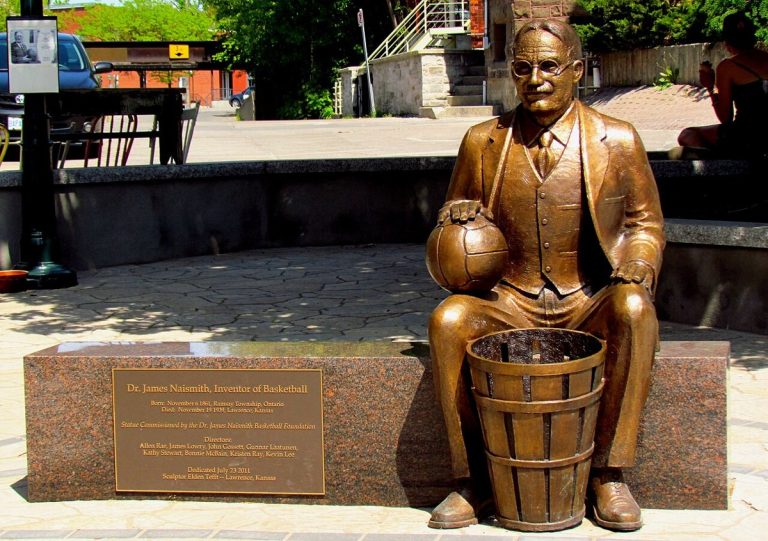
Chiefswood, Johnson’s birthplace on the Six Nations of the Grand River, Ontario, photographed in 2008.
CA-K139Indigenous peoples & reconciliation

E. Pauline Johnson, Mohawk poet and performer

E. Pauline Johnson (1861–1913), born at Chiefswood on the Six Nations of the Grand River, was the daughter of a Mohawk chief. Beginning in the 1890s she published poems, essays and stories and performed them on stages across Canada and abroad, gaining international fame.

Factual accuracy review: No recorded challenge

Contributor: Citizen.ca

Verified against cited sourcesVerified on 2026-10-26↗
Photo: Steve Colwill from Ottawa, Canada · Photo licence: CC BY 2.0 · Credit & context
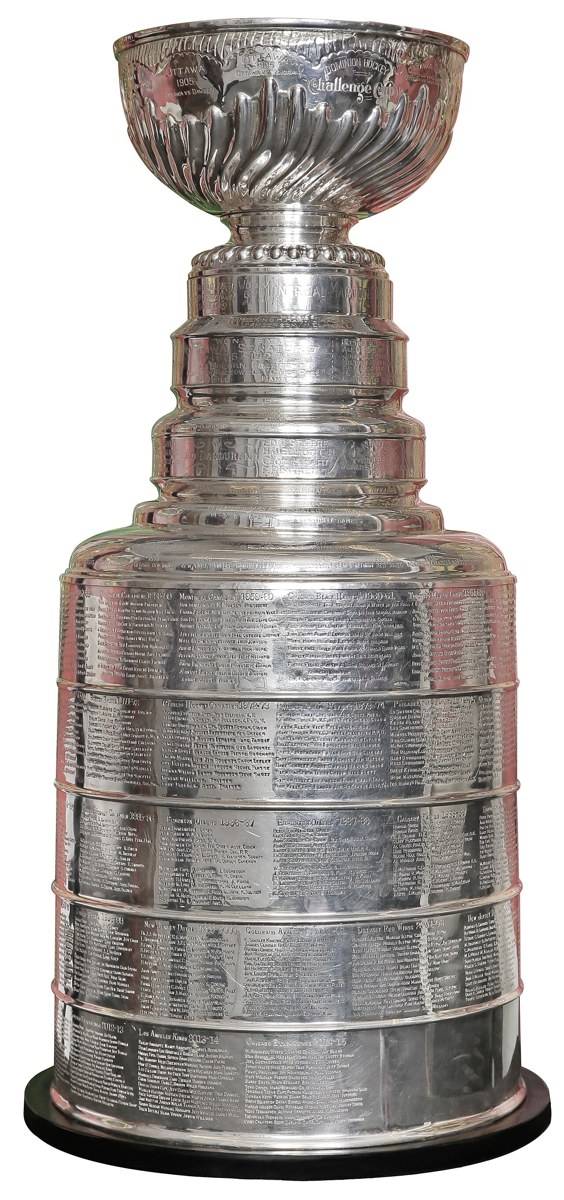
The Stanley Cup in 2015.
CA-K134Culture & sport

The Stanley Cup was announced in 1892

In 1892, Governor General Lord Stanley’s donation of a challenge cup for Canada’s best hockey club was announced. First awarded to amateur teams, the Stanley Cup has been the exclusive prize of the National Hockey League’s playoff champion since 1927.

Factual accuracy review: No recorded challenge

Contributor: Citizen.ca

Verified against cited sourcesVerified on 2026-10-26↗
Photo: Alex Goykhman · Photo licence: CC BY-SA 4.0 · Credit & context