An independent Canadian knowledge project

Focused and Verified

Canadian knowledge base

Search by keyword

Choose one keyword, or combine two. Broader keywords include their descendants.

Keywords: Governance, rights and responsibilities

Clear search
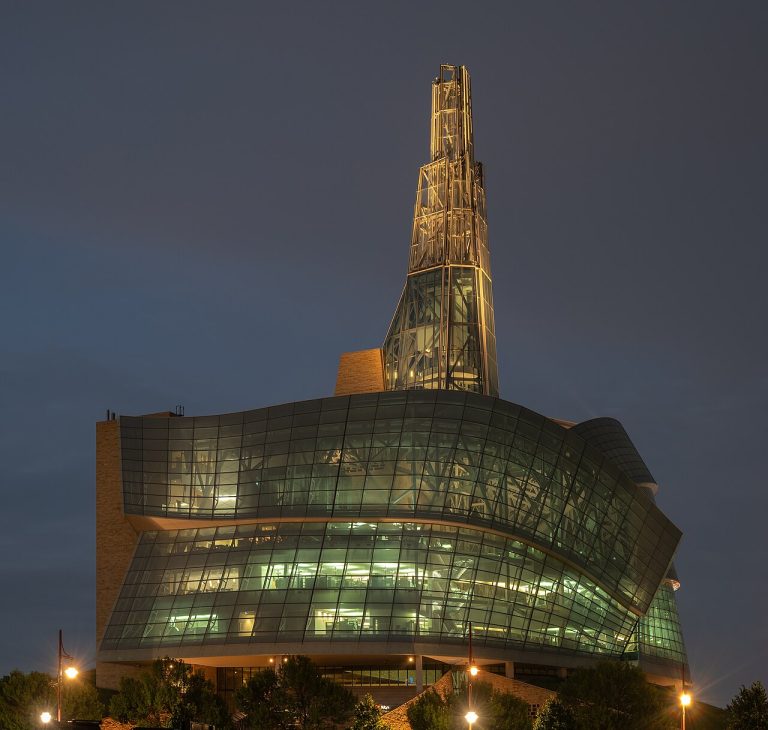
The Canadian Museum for Human Rights in Winnipeg, used as a modern illustration of rights and civic life.
CA-K1833Citizenship Test

The gradual expansion of voting rights

Canadian voting rights expanded unevenly. Women’s federal franchise changed in 1918, racial exclusions affecting Asian Canadians were removed from the federal franchise in 1948, and First Nations people gained the federal vote without having to give up status in 1960.

Factual accuracy review: No recorded challenge

Contributor: Citizen.ca

Verified against cited sourcesVerified on 2026-11-01↗
Photo: Ethan Sahagun · Photo licence: CC BY 4.0 · Credit & context
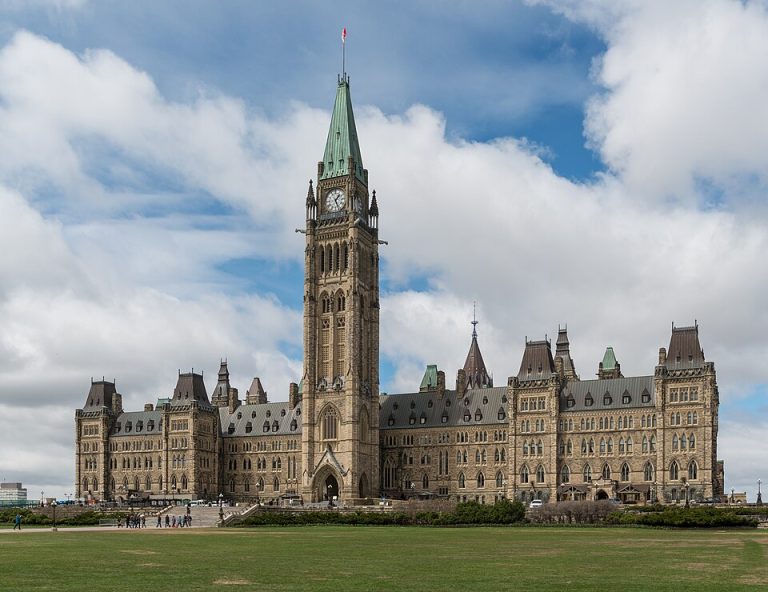
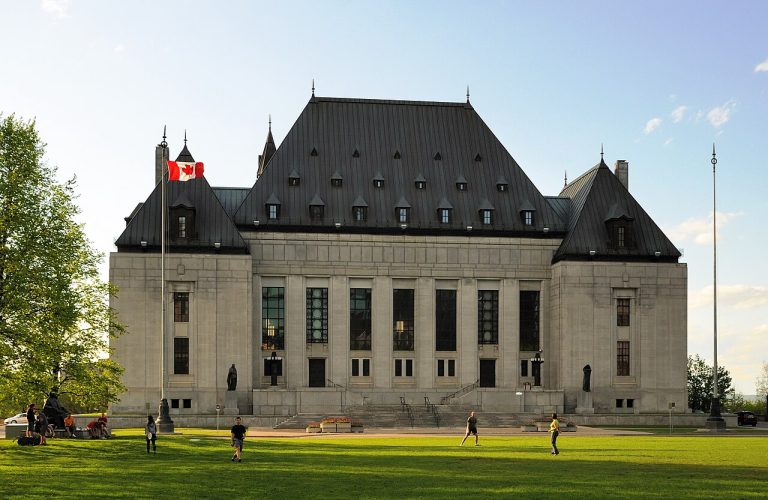
Centre Block on Parliament Hill in Ottawa, photographed in 2017; an institutional illustration, not a depiction of a vote, ceremony or constitutional text.
CA-K1830Citizenship Test

Confederation’s founders and territorial expansion

Confederation in 1867 joined Ontario, Quebec, Nova Scotia and New Brunswick. John A. Macdonald became the first prime minister; George-Étienne Cartier was a key Quebec architect. Other provinces and territories entered or were created at later dates.

Factual accuracy review: No recorded challenge

Contributor: Citizen.ca

Verified against cited sourcesVerified on 2026-11-01↗
Photo: DXR / Daniel Vorndran · Photo licence: CC BY-SA 4.0 · Credit & context
The Supreme Court of Canada building in Ottawa, photographed in 2009; an institutional exterior, not a particular hearing or judgment.
CA-K1810Citizenship Test

Rule of law, due process and presumed innocence

The rule of law subjects individuals and governments to law. Due process requires respect for legal procedures and rights. In criminal proceedings, an accused person is presumed innocent until proven guilty according to law.

Factual accuracy review: No recorded challenge

Contributor: Citizen.ca

Verified against cited sourcesVerified on 2026-11-01↗
Photo: Wladyslaw / Taxiarchos228 · Photo licence: CC BY-SA 3.0 · Credit & context
Centre Block on Parliament Hill in Ottawa, photographed in 2017; an institutional illustration, not a depiction of a vote, ceremony or constitutional text.
CA-K1809Citizenship Test

Find your representatives and current officeholders

Discover Canada asks learners to know their own representatives and government leaders. These answers depend on where they live and can change; official directories are more reliable than a fixed list copied into a study record.

Factual accuracy review: No recorded challenge

Contributor: Citizen.ca

Verified against cited sourcesVerified on 2026-11-01↗
Photo: DXR / Daniel Vorndran · Photo licence: CC BY-SA 4.0 · Credit & context
Centre Block on Parliament Hill in Ottawa, photographed in 2017; an institutional illustration, not a depiction of a vote, ceremony or constitutional text.
CA-K1805Citizenship Test

Federal, provincial, territorial and municipal responsibilities

Federal responsibilities include national defence, foreign affairs, criminal law and citizenship. Provinces govern areas such as education and property and civil rights. Municipal services operate within provincial frameworks; territorial powers have a different legal foundation from provincial powers.

Factual accuracy review: No recorded challenge

Contributor: Citizen.ca

Verified against cited sourcesVerified on 2026-11-01↗
Photo: DXR / Daniel Vorndran · Photo licence: CC BY-SA 4.0 · Credit & context
Centre Block on Parliament Hill in Ottawa, photographed in 2017; an institutional illustration, not a depiction of a vote, ceremony or constitutional text.
CA-K1804Citizenship Test

Head of state and head of government

Canada is a constitutional monarchy and a parliamentary democracy. The Sovereign is head of state; the prime minister is head of government. The Governor General carries out constitutional duties as the Sovereign’s representative in Canada.

Factual accuracy review: No recorded challenge

Contributor: Citizen.ca

Verified against cited sourcesVerified on 2026-11-01↗
Photo: DXR / Daniel Vorndran · Photo licence: CC BY-SA 4.0 · Credit & context
The Canadian Museum for Human Rights in Winnipeg, used as a modern illustration of rights and civic life.
CA-K1800Citizenship Test

Fundamental freedoms, equality and mobility

The Charter protects conscience and religion; thought, belief, opinion and expression; peaceful assembly; and association. It also protects equality and mobility rights, with different provisions applying to everyone, citizens or permanent residents.

Factual accuracy review: No recorded challenge

Contributor: Citizen.ca

Verified against cited sourcesVerified on 2026-11-01↗
Photo: Ethan Sahagun · Photo licence: CC BY 4.0 · Credit & context
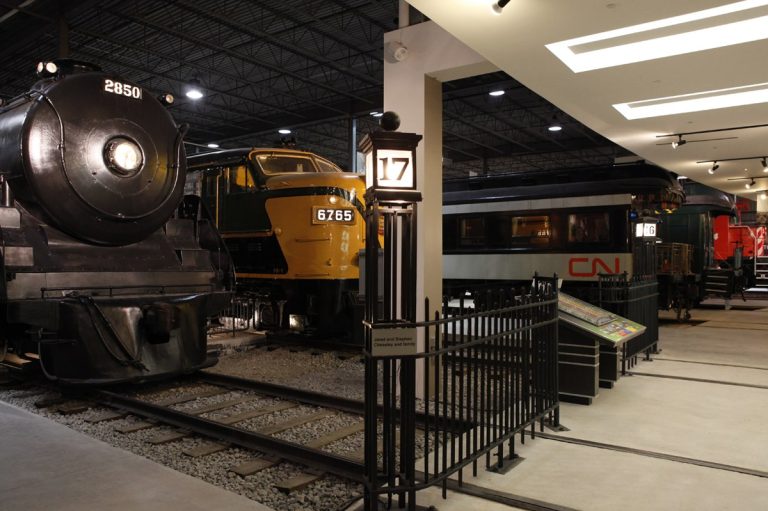
Historic trains preserved at Exporail.
CA-K1665Culture & sport

Exporail, the Canadian Railway Museum, Saint-Constant

Exporail, the Canadian Railway Museum in Saint-Constant, Quebec, was founded in 1961 by the Canadian Railroad Historical Association and opened to the public in 1965 with 25 trams, 20 steam locomotives and 5 passenger cars. In 2007 the House of Commons recognized it as the National Railway Museum.

Factual accuracy review: No recorded challenge

Contributor: Citizen.ca

Verified against cited sourcesVerified on 2026-10-28↗
Photo: Fraccle · Photo licence: CC BY 3.0 · Credit & context
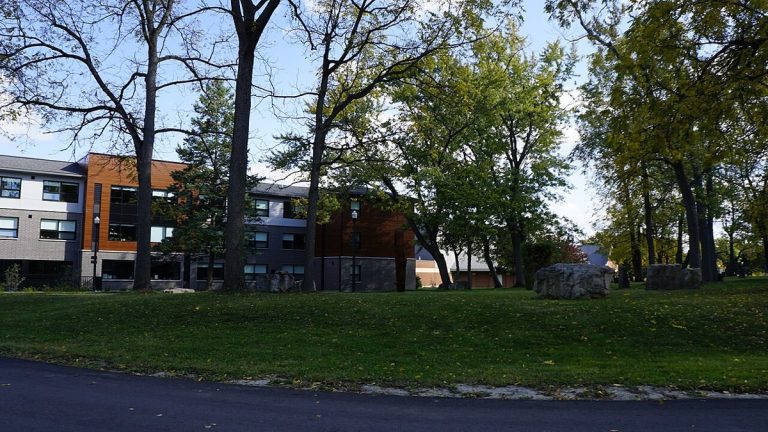
Redeemer University, Ancaster.
CA-K1179Institutions

Redeemer University, Ancaster

Redeemer University grew out of the Ontario Christian College Association, founded in 1976 with a Reformed constitution. In 1980 the Ontario Legislature passed the Redeemer College Act, recognizing Redeemer Reformed Christian College and its charter.

Factual accuracy review: No recorded challenge

Contributor: Citizen.ca

Verified against cited sourcesVerified on 2026-10-27↗
Photo: JFVoll · Photo licence: CC BY-SA 4.0 · Credit & context
James Cockburn, 1873 (William James Topley).
CA-K980History

James Cockburn, first Speaker of the House of Commons

James Cockburn came to Montréal from England in 1832, was educated in Toronto and set up a law practice in Cobourg. Elected for Northumberland West in 1861, he attended the Quebec Conference of 1864 as a cabinet minister and is one of the Fathers of Confederation. When the first Parliament of Canada met in November 1867, he was elected Speaker of the House of Commons, serving until 1874.

Factual accuracy review: No recorded challenge

Contributor: Citizen.ca

Verified against cited sourcesVerified on 2026-10-27↗
Photo: William James Topley · Photo licence: Public domain · Credit & context
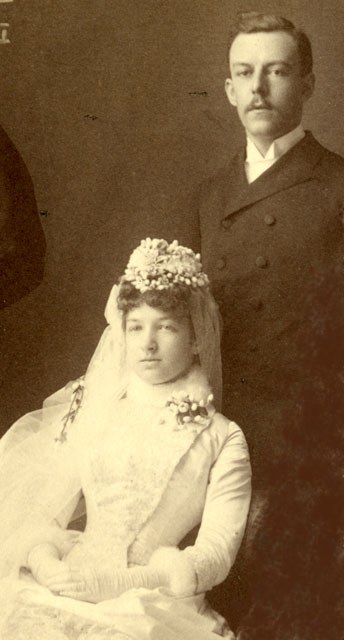
Marie Lacoste with Henri Gérin-Lajoie, January 1887.
CA-K976History

Marie Lacoste-Gérin-Lajoie, Quebec feminist

For more than 40 years Marie Lacoste-Gérin-Lajoie worked to improve the lives of women in Quebec. In 1907 she co-founded the Fédération nationale Saint-Jean-Baptiste, an important French-Canadian feminist association, which she led from 1913 to 1933 while writing for its review La Bonne Parole. She campaigned for women’s suffrage, access to higher education and, through the 1931 Civil Code reform, the rights of married women.

Factual accuracy review: No recorded challenge

Contributor: Citizen.ca

Verified against cited sourcesVerified on 2026-10-27↗
Photo: Unknown author · Photo licence: Public domain · Credit & context
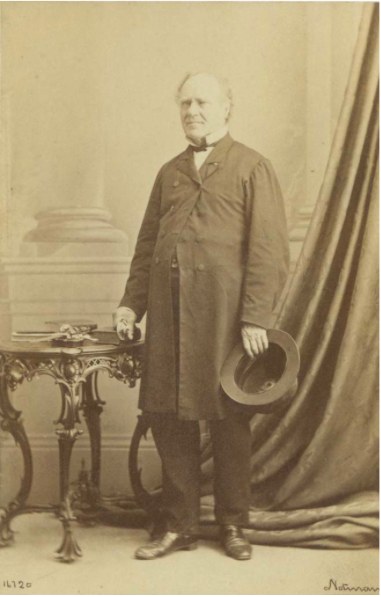
Joseph Howe, 1865 (William Notman).
CA-K973History

Joseph Howe, “Tribune of Nova Scotia”

Joseph Howe, born in Halifax and largely self-taught, became publisher of the Novascotian and by 1836 was his province’s leading journalist and orator. Elected that year, he led the struggle that won responsible government in 1848. An eloquent opponent of Confederation in the 1860s, he joined the federal cabinet in 1869 after negotiating “better terms” for Nova Scotia, and shortly before his death in 1873 became its lieutenant governor.

Factual accuracy review: No recorded challenge

Contributor: Citizen.ca

Verified against cited sourcesVerified on 2026-10-27↗
Photo: William Notman · Photo licence: Public domain · Credit & context
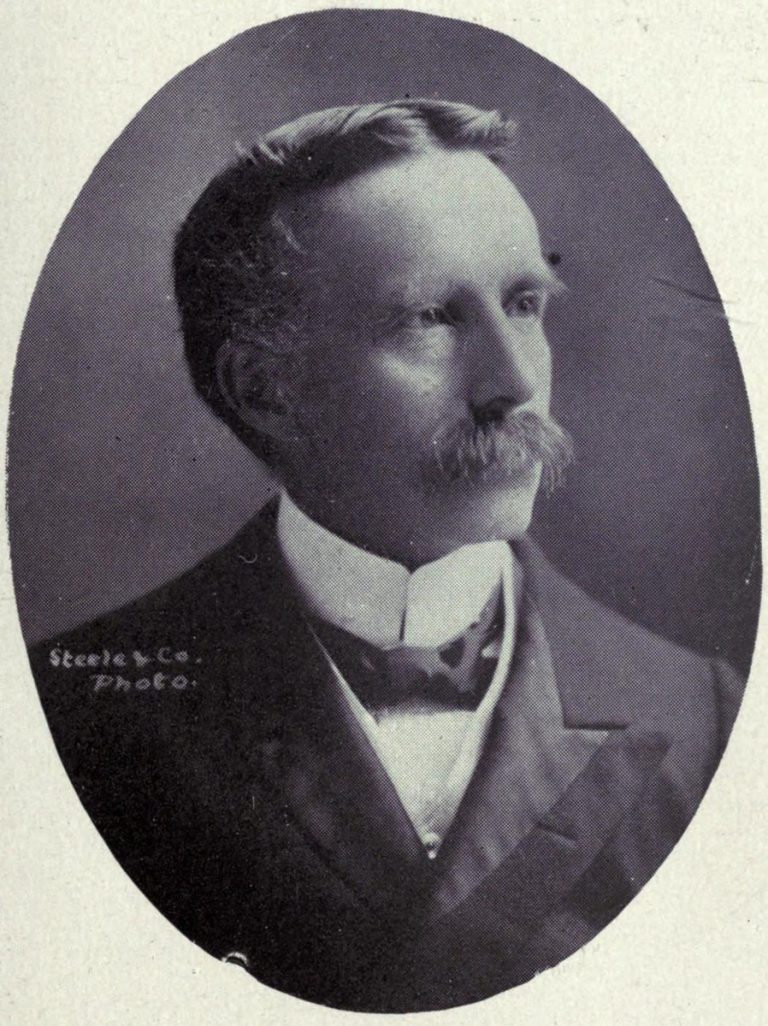
John Skirving Ewart, about 1902.
CA-K962History

J.S. Ewart, lawyer and advocate of Canadian autonomy

John Skirving Ewart, a noted constitutional lawyer born in Toronto, practised in Winnipeg from 1882 to 1904, founding the Manitoba Law Journal and serving on Louis Riel’s appeal defence team. He was counsel for Manitoba’s Roman Catholic minority in the schools dispute of the 1890s, then argued cases before the Supreme Court and Privy Council from Ottawa. He was an early, ardent advocate of Canadian autonomy at home and abroad.

Factual accuracy review: No recorded challenge

Contributor: Citizen.ca

Verified against cited sourcesVerified on 2026-10-27↗
Photo: Unknown photographer · Photo licence: Public domain · Credit & context