
Courts, police and access to legal help

No recorded challenge is not proof of accuracy. A challenge under review is not a finding that the record is false.
Courts resolve cases and legal disputes; police enforce laws and protect public safety. Canadians can question police service or conduct and use the applicable complaint process.
Scope & context
Independent citizenship-study support. Read the cited official sources; this is not an official question bank or a guarantee of a test result.
More context
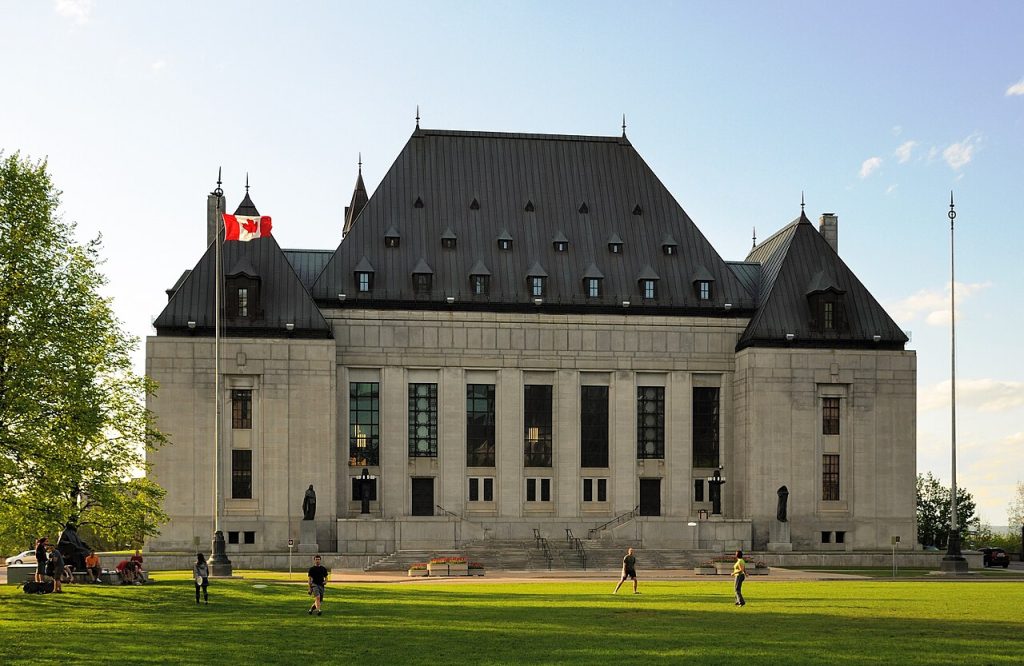
The Supreme Court of Canada is the final court of appeal. Federal and provincial/territorial courts have different responsibilities. The RCMP enforces federal laws and also supplies contract policing in many jurisdictions; Ontario and Quebec have provincial police forces. Local policing arrangements vary.
A lawyer can advise and represent a person. Legal aid may be available to eligible people, but coverage and eligibility depend on the program and jurisdiction. Asking for police help or raising a complaint does not require treating the police as above the law.
Sources behind this record
Immigration, Refugees and Citizenship Canada
The Justice System; sections and tables identified in the research record