
An independent Canadian knowledge project

Focused and Verified

Canadian knowledge base

Search by keyword

Choose one keyword, or combine two. Broader keywords include their descendants.

Keywords: Places & geography

Clear search
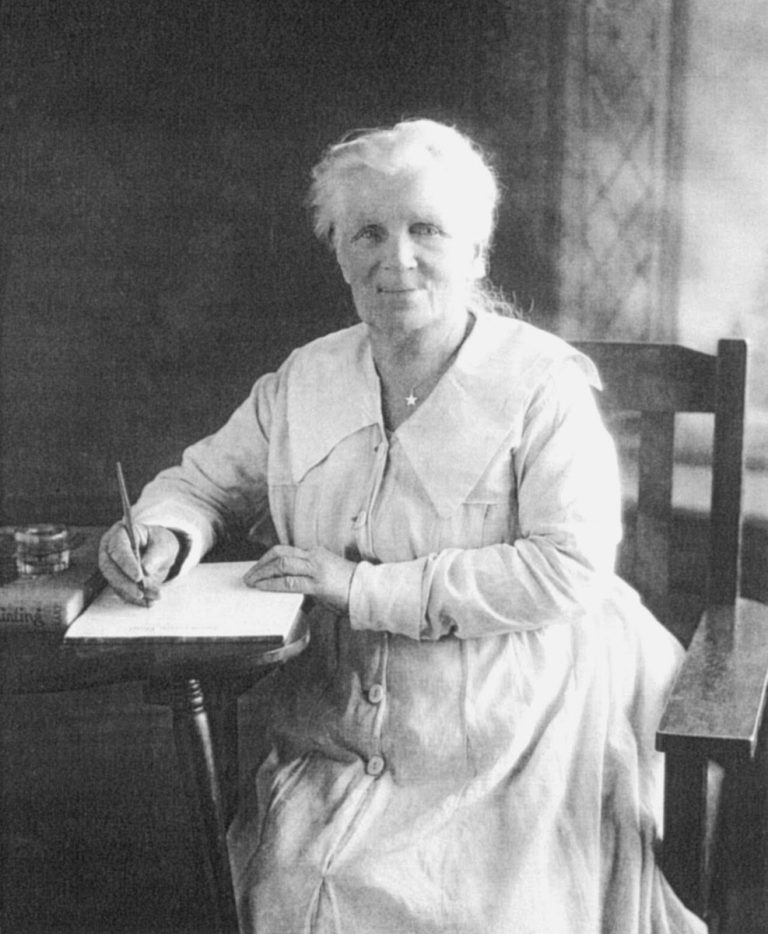
Susan Louisa Moir Allison, portrait.
CA-K876Culture & sport

Susan Allison, memoirist of the BC interior

Susan Allison wrote a memoir of settler life in the interior of British Columbia, describing the experiences of women, children and Indigenous people. As an amateur ethnographer, she also recorded Similkameen and Okanagan stories. Her writings are historical sources that should be read in the context of European settlement and colonial relations.

Factual accuracy review: No recorded challenge

Contributor: Citizen.ca

Verified against cited sourcesVerified on 2026-10-26↗
Photo: Unknown author · Photo licence: Public domain · Credit & context
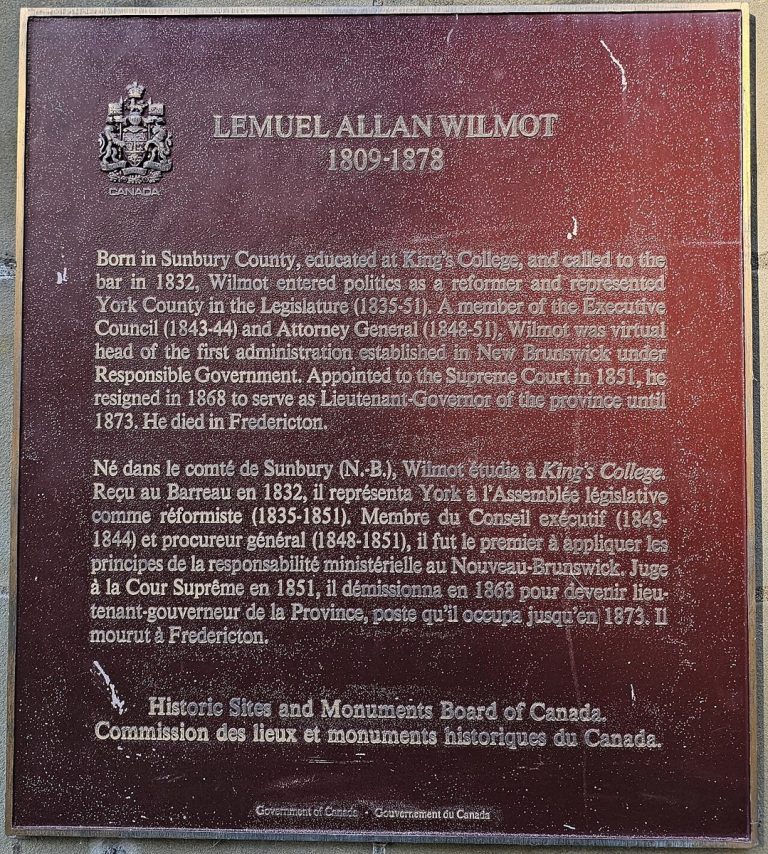
Plaque honouring Wilmot at the New Brunswick Legislative Building.
CA-K874History

Lemuel Allan Wilmot, reformer and Lieutenant-Governor

Lemuel Allan Wilmot, born in Sunbury County, entered politics as a Reformer and represented York County from 1835 to 1851. As Attorney General he was in effect the head of New Brunswick’s first government under responsible government. Named to the Supreme Court in 1851, he resigned in 1868 to become Lieutenant-Governor until 1873.

Factual accuracy review: No recorded challenge

Contributor: Citizen.ca

Verified against cited sourcesVerified on 2026-10-26↗
Photo: JJonahJackalope · Photo licence: CC BY-SA 4.0 · Credit & context
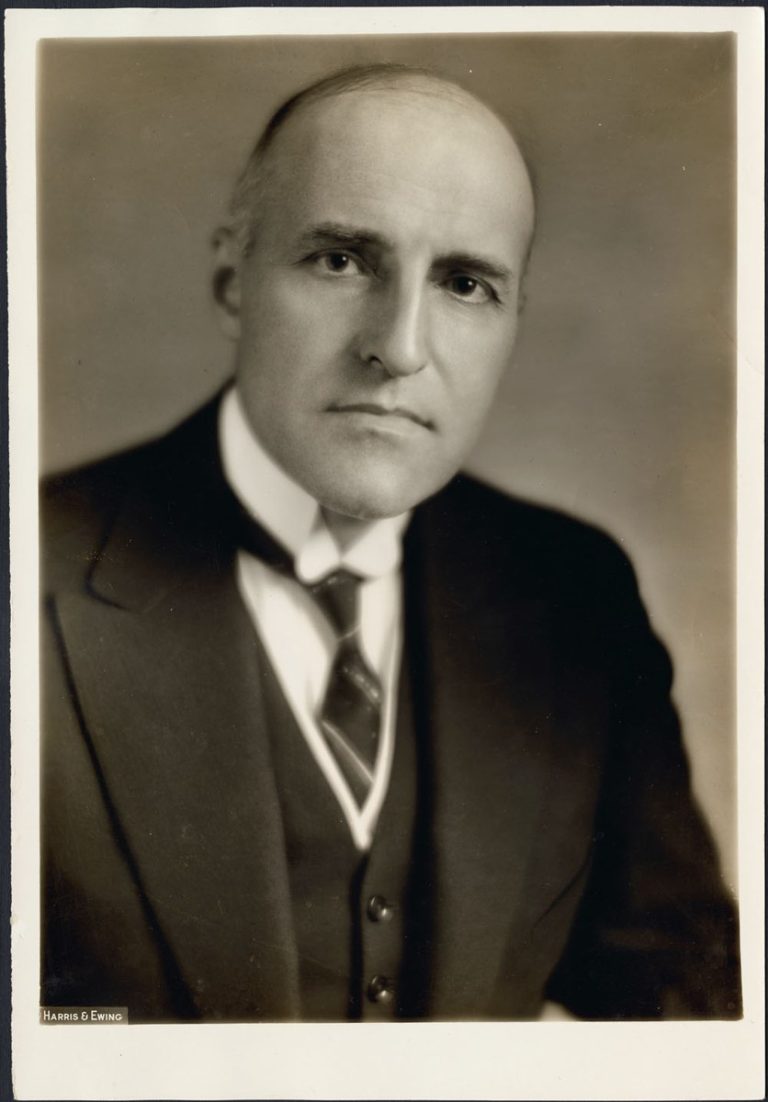
James L. Ralston, 1921 (Harris & Ewing).
CA-K873History

J.L. Ralston, Minister of National Defence

James Layton Ralston, born in Amherst, Nova Scotia, was a lawyer, provincial legislator and decorated First World War veteran. He became Minister of National Defence in Mackenzie King’s government in 1926 and again in 1940. His support for conscription for overseas service was opposed by King, and he was forced to resign from cabinet in 1944.

Factual accuracy review: No recorded challenge

Contributor: Citizen.ca

Verified against cited sourcesVerified on 2026-10-26↗
Photo: Harris & Ewing · Photo licence: Public domain · Credit & context
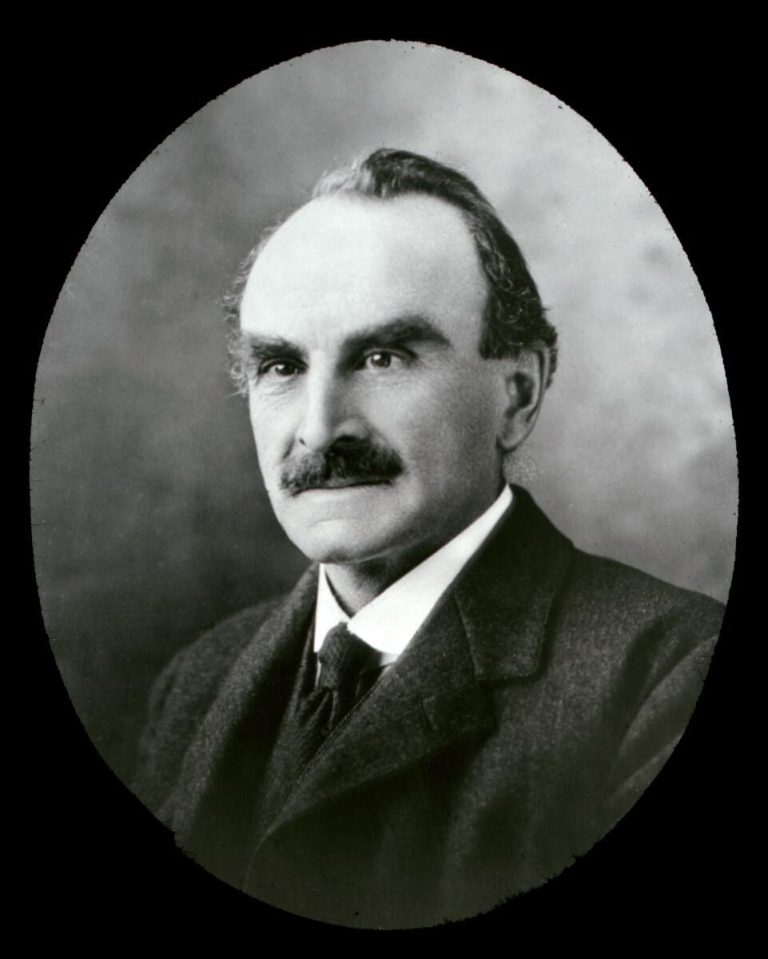
Alfred Ernest Cross, 1920 (Curlette).
CA-K872Economy & trade

A.E. Cross, rancher, brewer and Stampede founder

Alfred Ernest Cross, born in Montréal and trained in agriculture and veterinary medicine, came west in 1884 and took up ranching. In 1892 he founded the Calgary Brewing and Malting Company, and he was an early investor in Turner Valley oil and gas. He sat in the North-West Territories Assembly from 1898 to 1902 and was one of the founders of the Calgary Stampede.

Factual accuracy review: No recorded challenge

Contributor: Citizen.ca

Verified against cited sourcesVerified on 2026-10-26↗
Photo: Curlette · Photo licence: Public domain · Credit & context
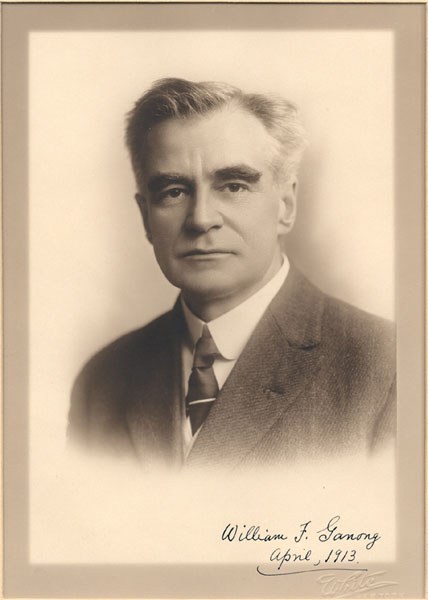
William Francis Ganong, April 1913.
CA-K871Places & geography

William Francis Ganong, scholar of New Brunswick

William Francis Ganong, born in Saint John, was a scientist, cartographer, geographer and historian. During 38 years as professor of botany at Smith College in Massachusetts (1894–1932), he gathered and published historical and scientific material on New Brunswick and became a leading authority on the mapping of North America’s east coast. He died in Saint John in 1941.

Factual accuracy review: No recorded challenge

Contributor: Citizen.ca

Verified against cited sourcesVerified on 2026-10-26↗
Photo: White · Photo licence: Public domain · Credit & context
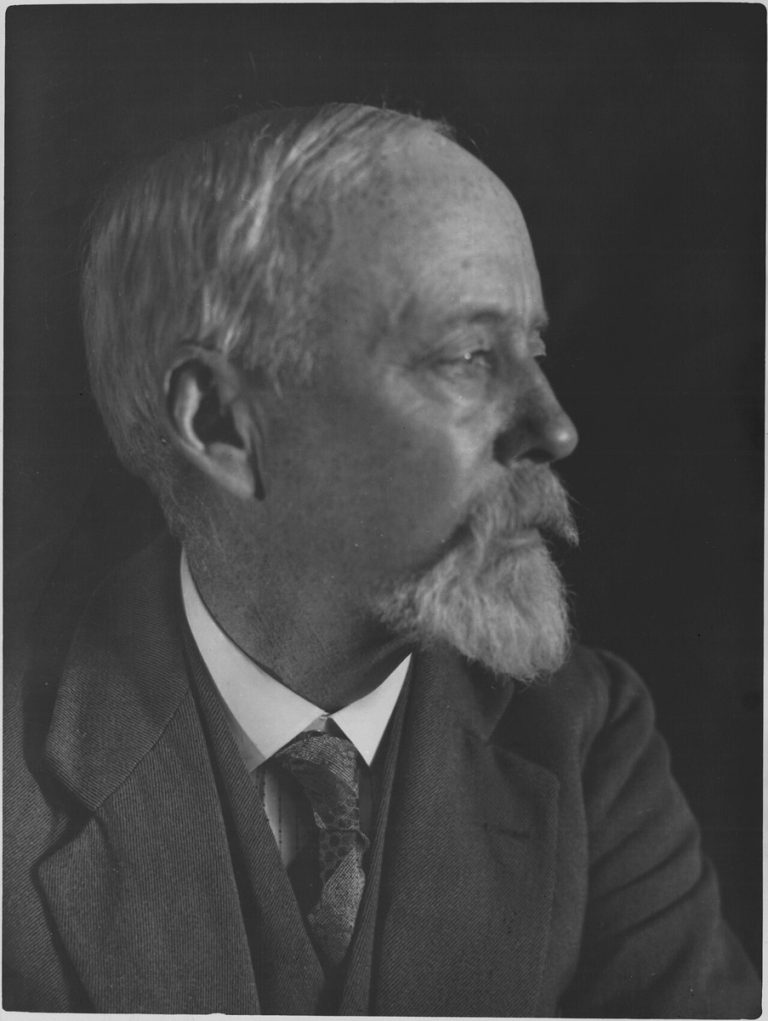
Maurice Cullen, R.C.A., 1931 (Archives of Ontario).
CA-K866Culture & sport

Maurice Cullen, painter of the Canadian winter

Maurice Cullen, born in St. John’s, studied sculpture in Montréal under Philippe Hébert and painting at the École des Beaux-Arts in Paris. Returning in 1895, he taught at the Art Association of Montreal and in the First World War served overseas as an official war artist. His international reputation rests mainly on his impressionist views of the Canadian winter.

Factual accuracy review: No recorded challenge

Contributor: Citizen.ca

Verified against cited sourcesVerified on 2026-10-26↗
Photo: Unknown photographer; Archives of Ontario · Photo licence: Public domain · Credit & context
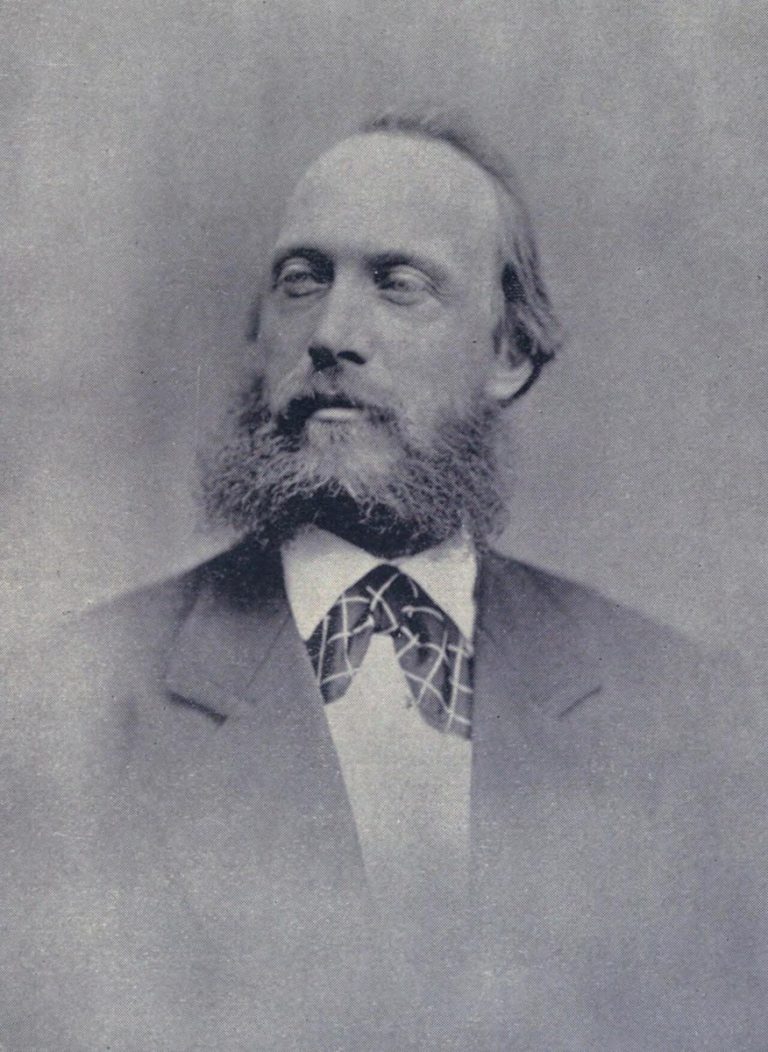
David Laird, 1894 (The Canadian Album).
CA-K864Indigenous peoples & reconciliation

David Laird, the Indian Act and the Numbered Treaties

As Minister of the Interior from 1873 to 1876, David Laird helped shape policies that treated First Nations as wards and sought their assimilation, and was the main figure in consolidating earlier laws into the Indian Act of 1876. He negotiated Treaties 4, 7 and 8, whose meaning remains disputed. As Indian commissioner he restricted ceremonies and at times worked to dispossess First Nations of promised reserves. He also founded the Charlottetown Patriot.

Factual accuracy review: No recorded challenge

Contributor: Citizen.ca

Verified against cited sourcesVerified on 2026-10-26↗
Photo: Unknown photographer · Photo licence: Public domain · Credit & context
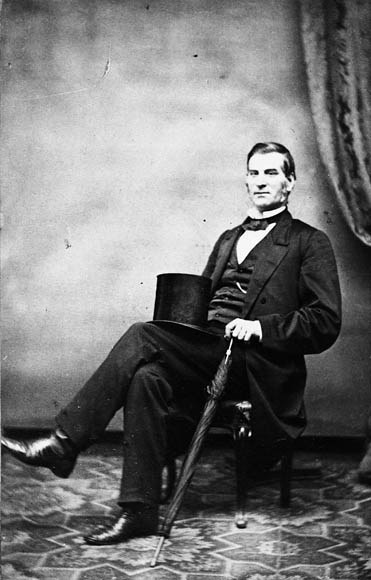
William Henry Steeves, portrait.
CA-K857History

William Henry Steeves, New Brunswick merchant and Father of Confederation

William Henry Steeves, born in Hillsborough, was a leading merchant and lumberman before entering politics. He sat in New Brunswick’s Assembly and Legislative Council and was almost continuously in cabinet from 1854 to 1865. Bringing a reform-minded business outlook, he supported the Intercolonial Railway and Confederation to aid the province’s economy, and was named to the Senate in 1867.

Factual accuracy review: No recorded challenge

Contributor: Citizen.ca

Verified against cited sourcesVerified on 2026-10-26↗
Photo: Unknown author · Photo licence: Public domain · Credit & context
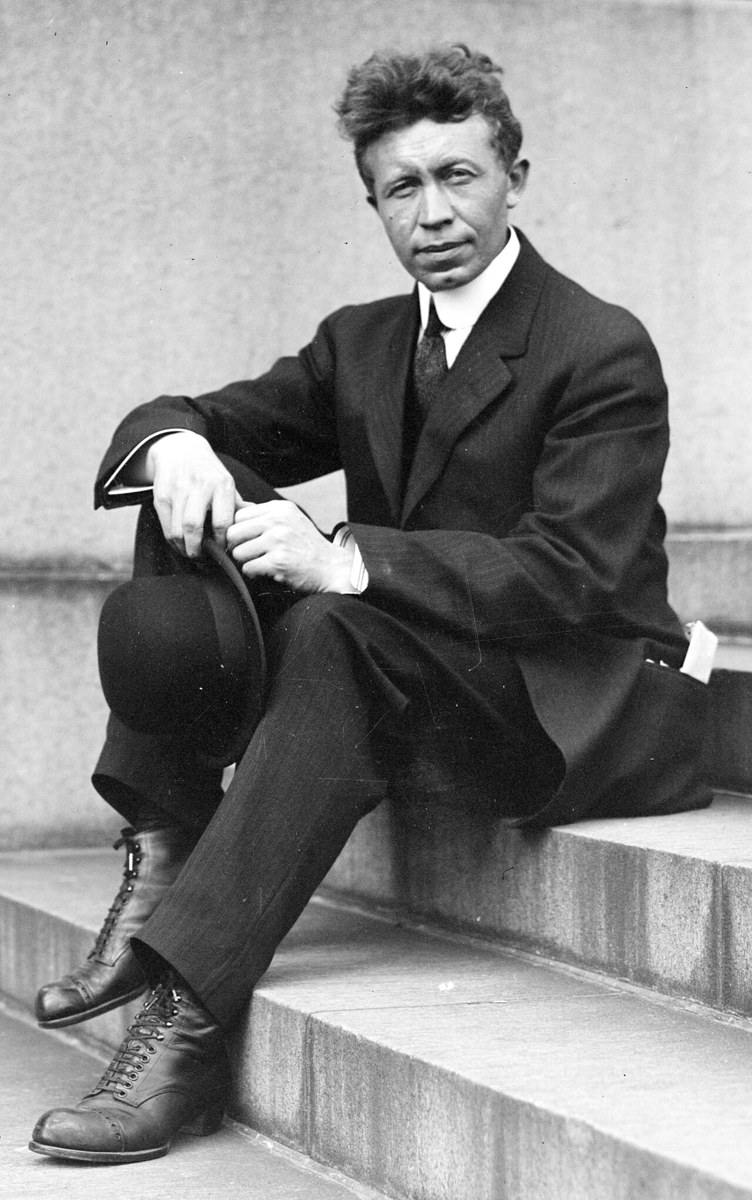
Vilhjálmur Stefánsson (Bain News Service).
CA-K855Places & geography

Vilhjálmur Stefánsson, Arctic explorer

Vilhjálmur Stefánsson, born at Arnes, Manitoba, in 1879 to an Icelandic family, made three expeditions to the Canadian Arctic between 1906 and 1918 and wrote widely about the land and its Indigenous Peoples. Inuit support was essential to his success; his Iñupiaq partner Panigavluk worked as informant, hunter and seamstress, yet he abandoned his family. A controversial figure, he promoted the idea of a “friendly Arctic”.

Factual accuracy review: No recorded challenge

Contributor: Citizen.ca

Verified against cited sourcesVerified on 2026-10-26↗
Photo: Unknown (Bain News Service, publisher) · Photo licence: Public domain · Credit & context
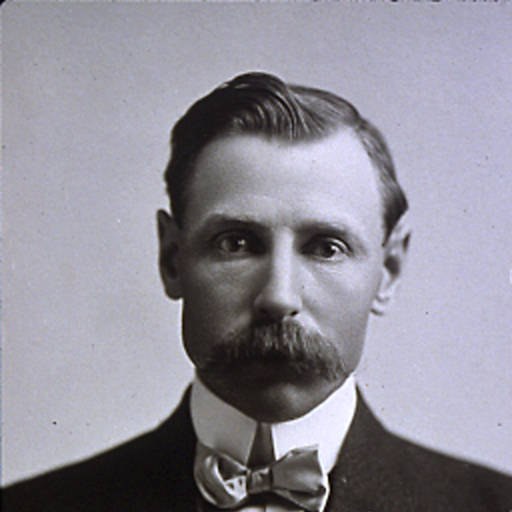
Charles Sherwood Noble, 1918.
CA-K845Economy & trade

Charles Noble and the Noble Blade

Charles Sherwood Noble, farmer, inventor and entrepreneur, showed the farming potential of the drought-prone Palliser Triangle. During the Great Depression he worked with the Dominion Experimental Farm to promote dry-land farming methods, and in 1936 invented the Noble Blade, a cultivator that cut weeds at the roots without disturbing the soil, greatly reducing erosion. His company became Alberta’s largest maker of such implements.

Factual accuracy review: No recorded challenge

Contributor: Citizen.ca

Verified against cited sourcesVerified on 2026-10-26↗
Photo: unknown (Life time: 1910s) · Photo licence: Public domain · Credit & context
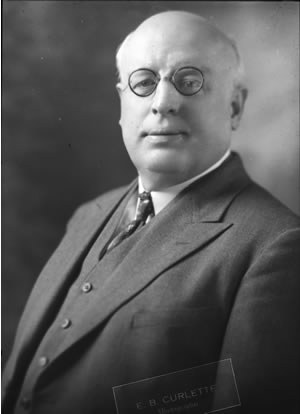
William Aberhart, 1920 (Curlette Studio).
CA-K840History

William Aberhart, Social Credit premier of Alberta

William “Bible Bill” Aberhart, a Calgary high school principal and evangelical preacher, led the founding of Alberta’s Social Credit party and became premier in 1935, winning re-election in 1940. He used radio to reach audiences first as an evangelist and then as a politician.

Factual accuracy review: No recorded challenge

Contributor: Citizen.ca

Verified against cited sourcesVerified on 2026-10-26↗
Photo: Curlette Studio · Photo licence: Public domain · Credit & context
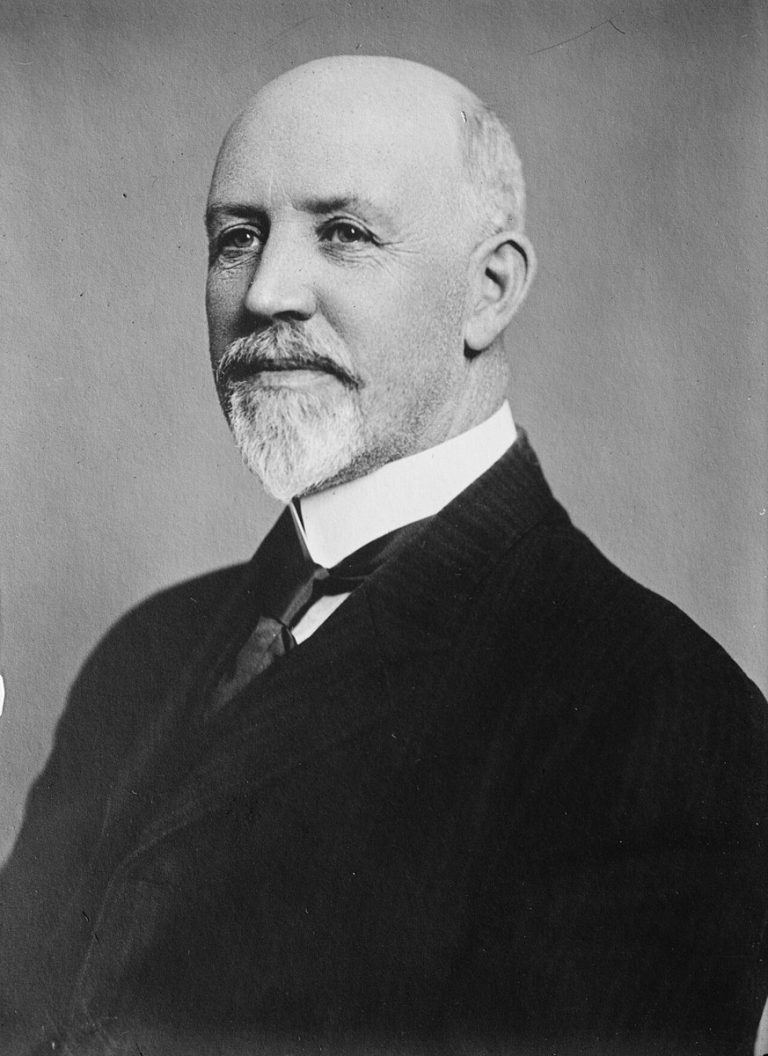
Adam Shortt, about 1920.
CA-K837Institutions

Adam Shortt, economist and historian

Adam Shortt, born near London, Ontario, founded the department of political economy at Queen’s University and advised governments. In 1908 he joined the first Canadian Civil Service Commission. In Ottawa he worked with Dominion Archivist Arthur Doughty to build the national archives’ collections, and from 1913 to 1917 the two co-edited the historical series Canada and Its Provinces.

Factual accuracy review: No recorded challenge

Contributor: Citizen.ca

Verified against cited sourcesVerified on 2026-10-26↗
Photo: Bain News Service, publisher · Photo licence: Public domain · Credit & context
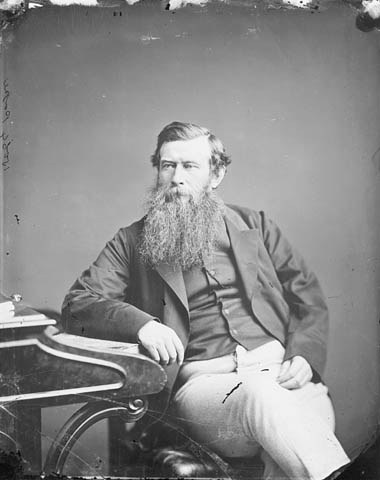
William Henry Pope, 1873 (William James Topley).
CA-K836History

William Henry Pope, Island advocate of Confederation

William Henry Pope, born at Bedeque, Prince Edward Island, became Colonial Secretary in 1859 and represented Queen’s County in the Assembly from 1863 to 1867. A strong supporter of Confederation, he was a delegate to the Charlottetown and Quebec conferences of 1864. He became a judge of Prince County in 1873.

Factual accuracy review: No recorded challenge

Contributor: Citizen.ca

Verified against cited sourcesVerified on 2026-10-26↗
Photo: William James Topley · Photo licence: Public domain · Credit & context
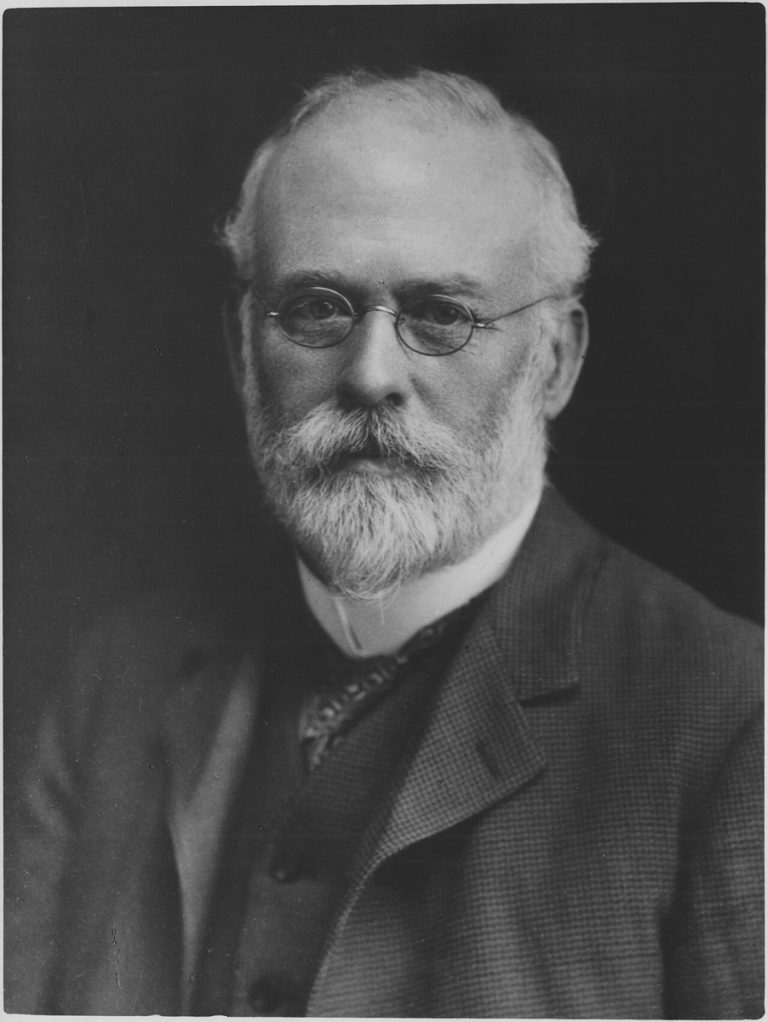
Robert Harris, C.M.G., R.C.A. (Archives of Ontario).
CA-K835Culture & sport

Robert Harris, painter of the Fathers of Confederation

Robert Harris, born in Wales, came to Prince Edward Island in 1856 and studied art in Charlottetown, Boston, London, Paris and Rome. One of Canada’s leading portrait painters and a long-time teacher, he was an original member of the Royal Canadian Academy and its president from 1890 to 1903. He is best known for his painting of the Fathers of Confederation.

Factual accuracy review: No recorded challenge

Contributor: Citizen.ca

Verified against cited sourcesVerified on 2026-10-26↗
Photo: Unknown photographer; Archives of Ontario · Photo licence: Public domain · Credit & context
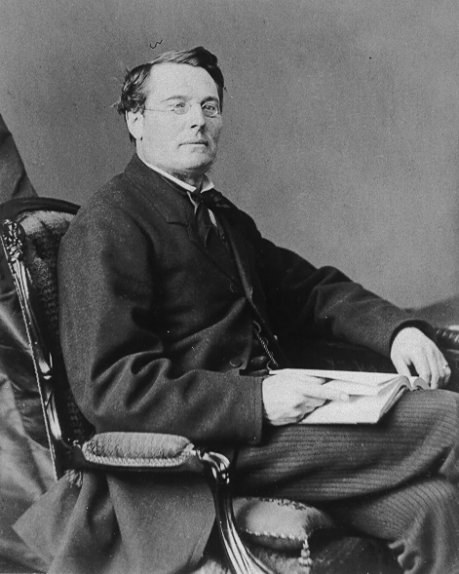
Edward Blake, portrait.
CA-K832History

Edward Blake, Ontario premier and Liberal leader

Edward Blake, a lawyer born in Middlesex County, Upper Canada, and a leading member of the Canada First movement, was the second premier of Ontario (1871–72). In 22 years in the House of Commons he was Minister of Justice under Alexander Mackenzie and led the federal Liberals from 1880 to 1887. A constitutional authority, he later sat in the British Parliament as an Irish Nationalist.

Factual accuracy review: No recorded challenge

Contributor: Citizen.ca

Verified against cited sourcesVerified on 2026-10-26↗
Photo: Ewing · Photo licence: Public domain · Credit & context
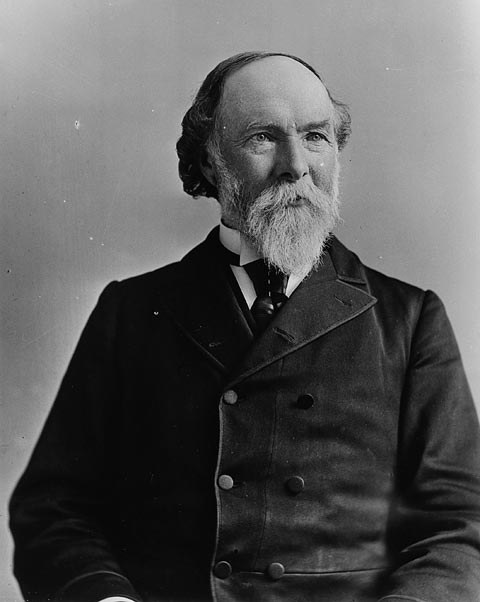
Andrew Archibald Macdonald, 1892 (William James Topley).
CA-K829History

Andrew Archibald Macdonald, note-taker at Quebec

Andrew Archibald Macdonald, a Prince Edward Island merchant and shipbuilder, sat in the Legislative Assembly and Council. He attended the Charlottetown and Quebec conferences of 1864, and his notes from Quebec are one of the few original records of that conference. After the Island joined Confederation he became its Lieutenant-Governor and was later named to the Senate.

Factual accuracy review: No recorded challenge

Contributor: Citizen.ca

Verified against cited sourcesVerified on 2026-10-26↗
Photo: William James Topley · Photo licence: Public domain · Credit & context
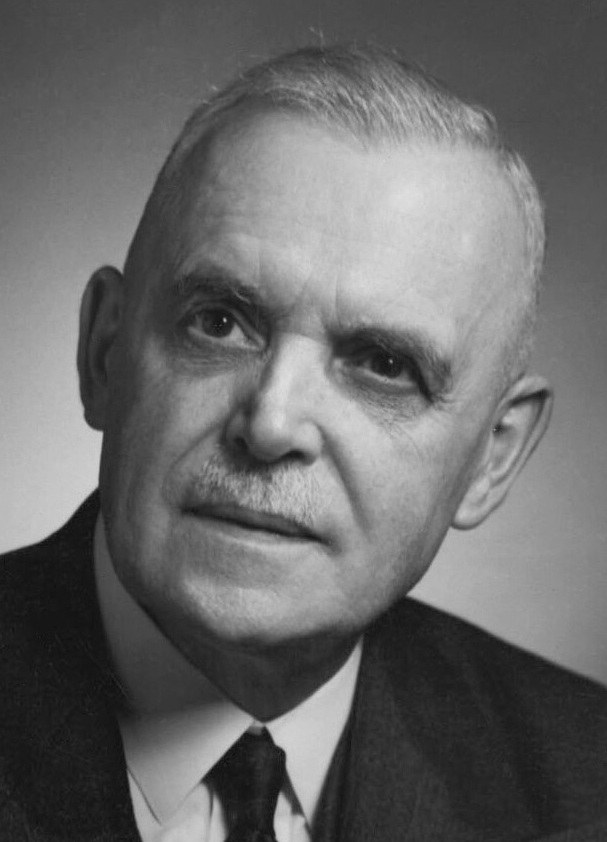
Louis St. Laurent, 1948 (George Nakash).
CA-K820History

Louis St. Laurent, prime minister

Louis St. Laurent, born in Compton, Quebec, was a leading corporate lawyer before entering politics as Minister of Justice in 1941. He served as Secretary of State for External Affairs and then as Prime Minister from 1948 to 1957. A strong advocate of national unity, he helped shape the new Commonwealth, signed the United Nations Charter and promoted NATO.

Factual accuracy review: No recorded challenge

Contributor: Citizen.ca

Verified against cited sourcesVerified on 2026-10-26↗
Photo: George Nakash · Photo licence: Public domain · Credit & context
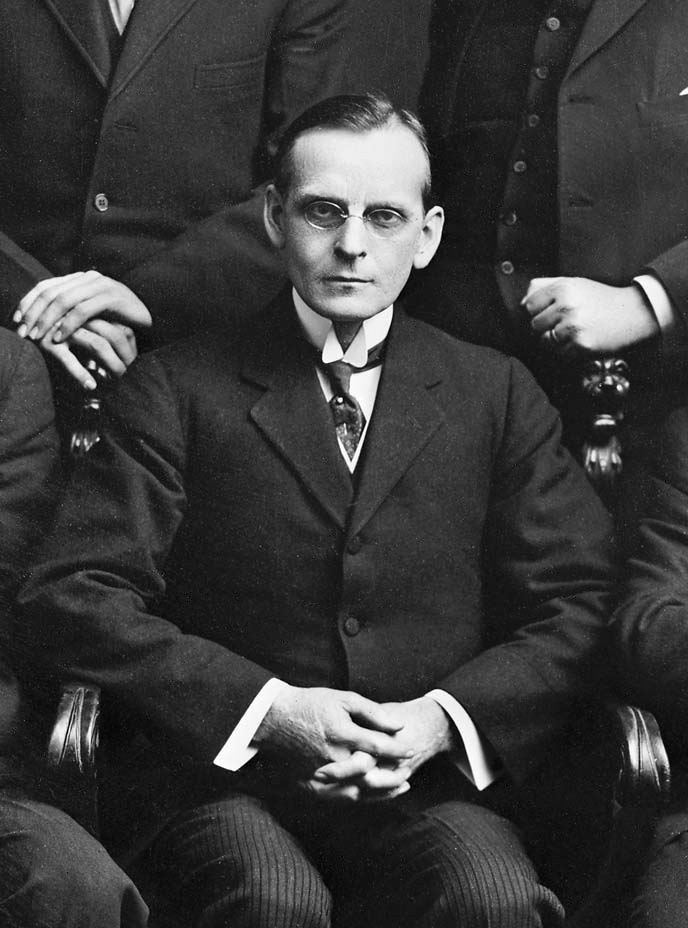
Joseph E. Atkinson, 1910s (City of Toronto Archives).
CA-K818Culture & sport

Joseph Atkinson of the Toronto Star

Joseph E. Atkinson became managing editor of the Toronto Star in 1899 and its majority owner by 1913. He sought to make the paper a tool of social reform, and his innovations changed Canadian journalism and made the Star the country’s largest-circulation newspaper by the 1930s. He left his fortune to the Atkinson Charitable Foundation, which supports cultural, medical and educational institutions in Ontario.

Factual accuracy review: No recorded challenge

Contributor: Citizen.ca

Verified against cited sourcesVerified on 2026-10-26↗
Photo: Unknown photographer; City of Toronto Archives · Photo licence: Public domain · Credit & context
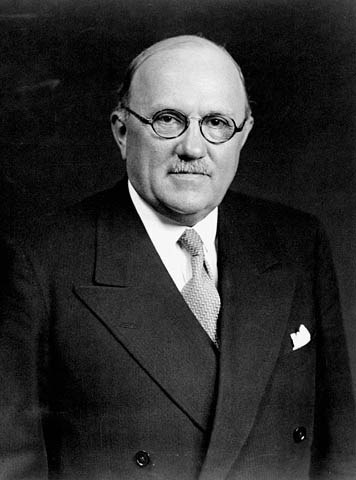
Ernest Lapointe, portrait (J. Russell & Sons).
CA-K817History

Ernest Lapointe, statesman

Ernest Lapointe, born at Saint-Éloi, Quebec, was a federal Cabinet minister from 1921 to 1930 and from 1935 to 1941. He played an important part in governing the country and in its move toward autonomy, and represented Canadians in national, imperial and international affairs. He died in Montréal and is buried in Rivière-du-Loup.

Factual accuracy review: No recorded challenge

Contributor: Citizen.ca

Verified against cited sourcesVerified on 2026-10-26↗
Photo: J. Russell & Sons · Photo licence: Public domain · Credit & context
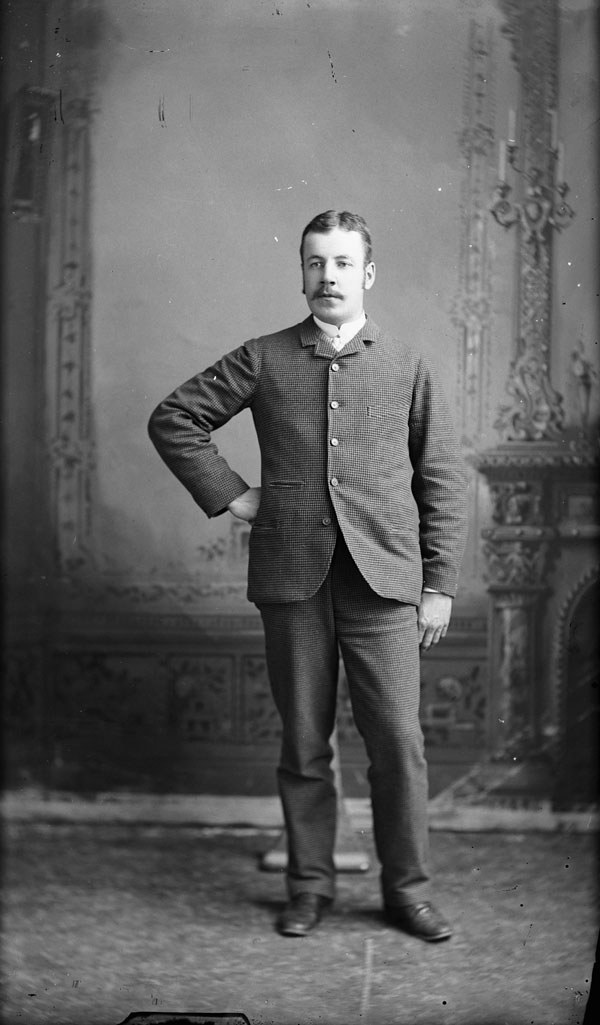
Albert Peter Low, 1897 (William James Topley).
CA-K816Places & geography

A.P. Low, explorer of Labrador and the Arctic

Albert Peter Low of Montréal joined the Geological Survey of Canada in 1882. In 1884 he made the first scientific survey and map of Lake Mistassini, and in the 1890s explored much of the interior of Ungava and Labrador, noting its iron deposits. He commanded the first Arctic patrol, aboard the Neptune in 1903–04, and became Director of the Geological Survey in 1906.

Factual accuracy review: No recorded challenge

Contributor: Citizen.ca

Verified against cited sourcesVerified on 2026-10-26↗
Photo: William James Topley · Photo licence: Public domain · Credit & context
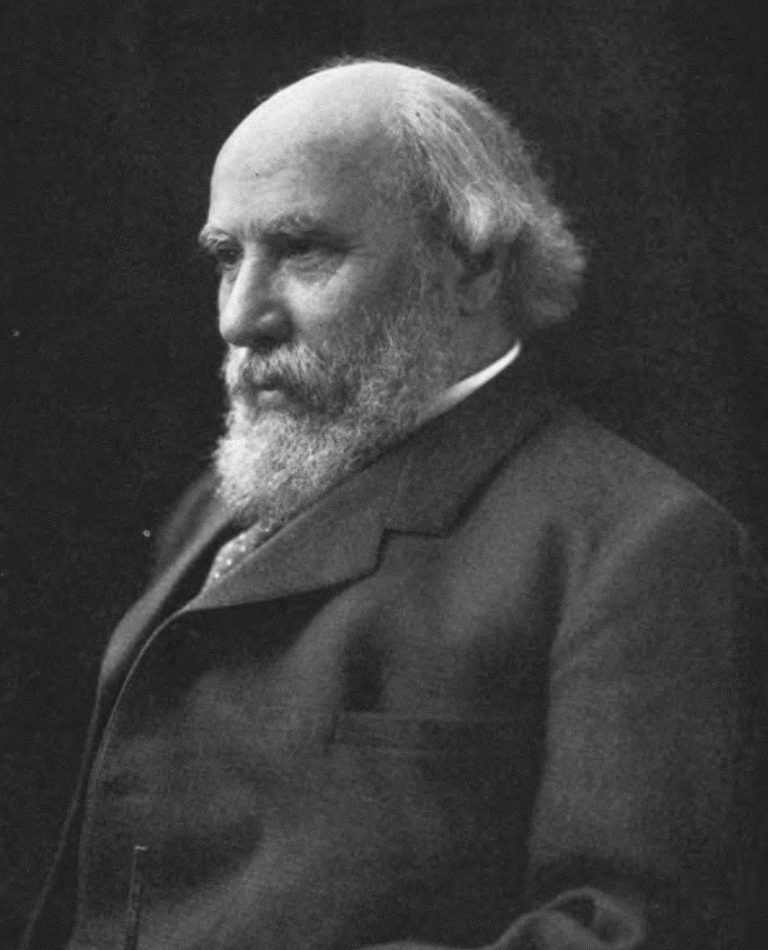
James J. Hill, 1916 (Pach Bros.).
CA-K811Economy & trade

James J. Hill, railway builder

James Jerome Hill, born near Rockwood, Upper Canada, moved to St. Paul, Minnesota, in 1856. He organized the Red River Transportation Company linking St. Paul and Winnipeg and by 1878 was building a railway empire. A CPR board member from 1880 to 1883, he became a major competitor, organized the Great Northern system by 1889, and built many feeder lines to the Canadian border.

Factual accuracy review: No recorded challenge

Contributor: Citizen.ca

Verified against cited sourcesVerified on 2026-10-26↗
Photo: Pach Bros. · Photo licence: Public domain · Credit & context
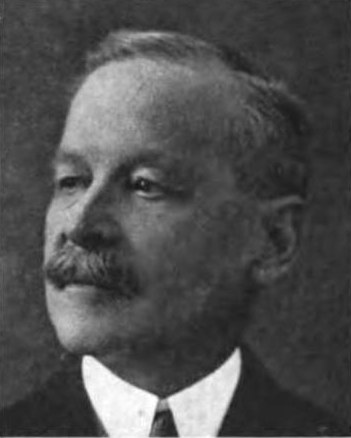
Édouard-Gaston Deville, 1914.
CA-K808Places & geography

Édouard Deville, Surveyor General and photogrammetry pioneer

Édouard-Gaston Deville, a former French Navy hydrographer, came to Canada in 1874, took part in the Dominion survey of the North-West, and became Surveyor General in 1885. A pioneer of photogrammetry, he used it to map the Canadian Rockies between 1888 and 1896 and earned an international reputation for his writing, instruments and map reproduction methods. Mount Deville in Yoho National Park bears his name.

Factual accuracy review: No recorded challenge

Contributor: Citizen.ca

Verified against cited sourcesVerified on 2026-10-26↗
Photo: Unknown author · Photo licence: Public domain · Credit & context
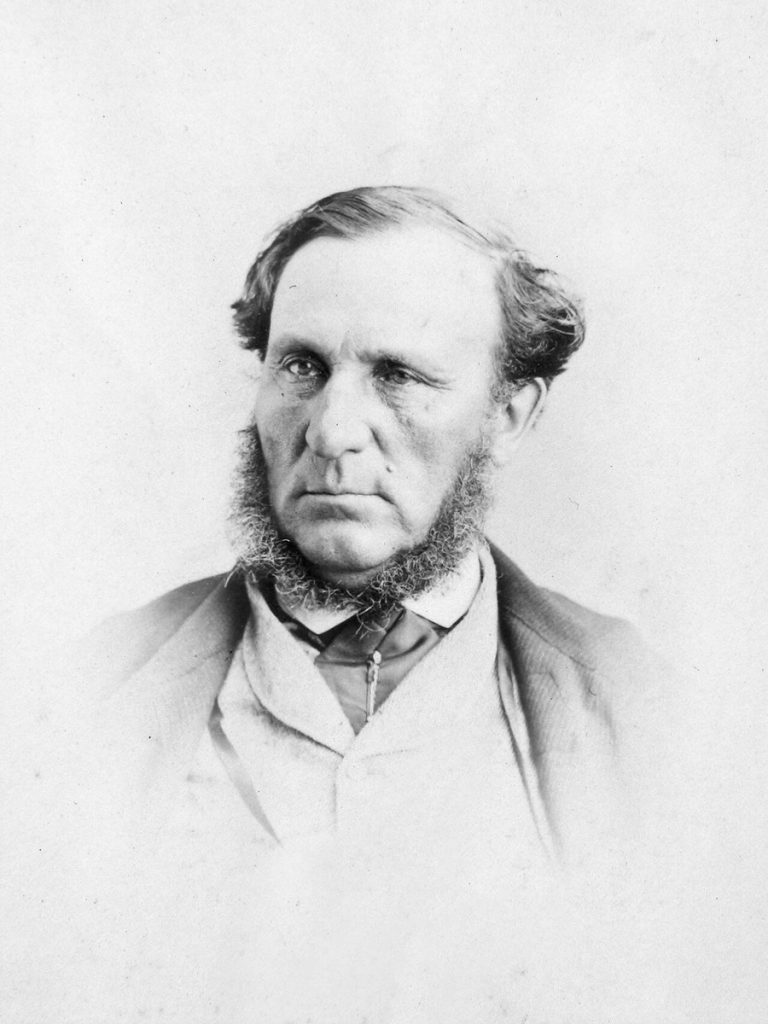
George Coles, 1865 (William Notman).
CA-K807History

George Coles, premier of Prince Edward Island

George Coles, a native Prince Edward Islander, represented Queen’s in the House of Assembly from 1842 to 1868. Co-founder of the Liberal Party with Edward Whelan and a strong advocate of responsible government, he became premier when it was granted in 1851 and held office three times. A Father of Confederation, he attended the Charlottetown and Quebec conferences of 1864.

Factual accuracy review: No recorded challenge

Contributor: Citizen.ca

Verified against cited sourcesVerified on 2026-10-26↗
Photo: William Notman · Photo licence: Public domain · Credit & context
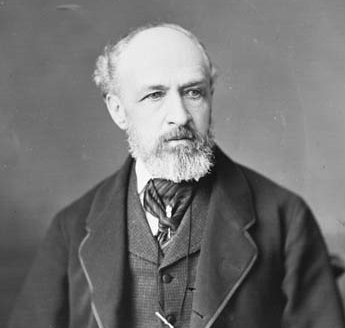
Thomas Heath Haviland, 1879 (William James Topley).
CA-K805History

Thomas Heath Haviland, Island Father of Confederation

Thomas Heath Haviland, born in Charlottetown, represented Georgetown in the Prince Edward Island legislature and held posts including Colonial Secretary and Speaker. A delegate to the Quebec Conference of 1864, he was one of three who arranged the Island’s entry into Confederation in 1873. He was then named to the Senate, and later became the province’s Lieutenant-Governor.

Factual accuracy review: No recorded challenge

Contributor: Citizen.ca

Verified against cited sourcesVerified on 2026-10-26↗
Photo: William James Topley · Photo licence: Public domain · Credit & context