An independent Canadian knowledge project

Focused and Verified

Canadian knowledge base

Search by keyword

Choose one keyword, or combine two. Broader keywords include their descendants.

Keywords: Time periods

Clear search
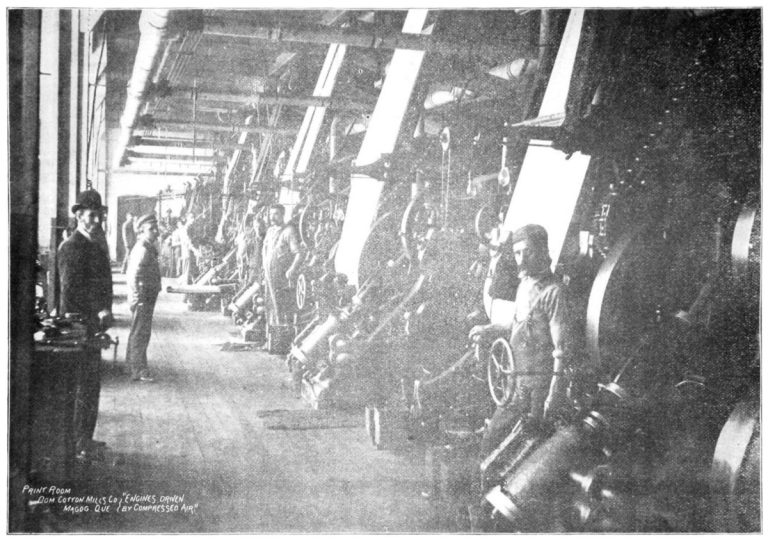
The print room of the Magog cotton mill in 1897.
CA-K373Economy & trade

The Magog Textile Mill, Canada’s first cotton printing

The Magog Textile Mill in Quebec, built in 1883 on the Magog River, began printing cotton in 1884 and was the country’s only cotton-printing mill until 1899. It was the only 19th-century mill where spinning, weaving, bleaching and printing were all done at one site; as part of Dominion Textile it employed 2,300 people by 1943.

Factual accuracy review: No recorded challenge

Contributor: Citizen.ca

Verified against cited sourcesVerified on 2026-10-26↗
Photo: Charles Havelock Taylor (1859-1953) · Photo licence: Public domain · Credit & context
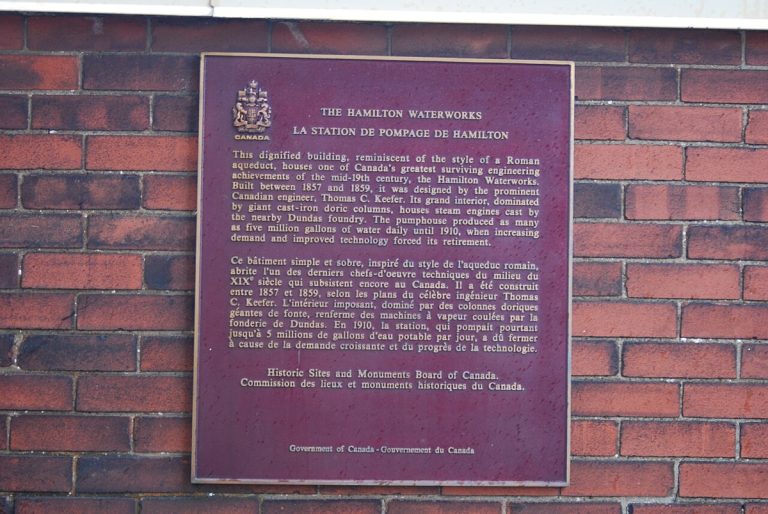
A commemorative plaque for the Hamilton Waterworks in Hamilton, Ontario, photographed in 2011.
CA-K372Economy & trade

The Hamilton Waterworks, a Victorian engineering feat

The Hamilton Waterworks in Ontario, built in 1857–1859 to a design by engineer Thomas C. Keefer, is one of Canada’s greatest surviving engineering achievements of the mid-19th century. Its steam-powered pumphouse supplied as much as five million gallons of water a day until 1910, and the complex survives largely intact.

Factual accuracy review: No recorded challenge

Contributor: Citizen.ca

Verified against cited sourcesVerified on 2026-10-26↗
Photo: John A. Speakman · Photo licence: CC BY-SA 3.0 · Credit & context
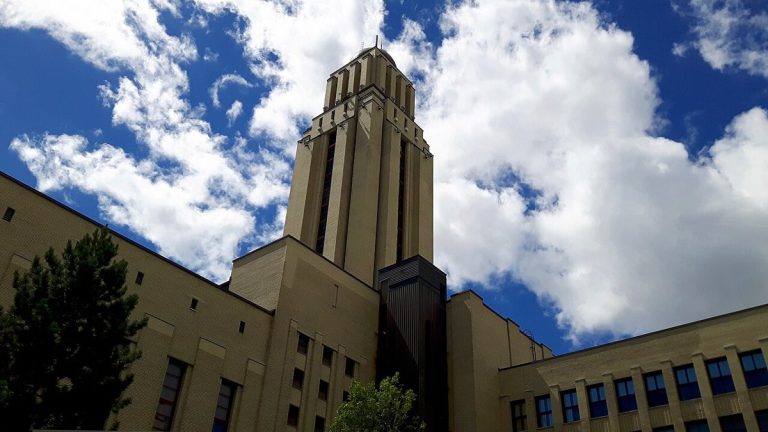
The Roger Gaudry Building and its tower at the Université de Montréal, photographed in 2017.
CA-K371Institutions

The Roger Gaudry Building, Université de Montréal

The Roger Gaudry Building at the Université de Montréal, built between 1928 and 1943 to designs by Ernest Cormier, is a Montréal landmark with an 82-metre central tower. Planned to include laboratories and a teaching hospital, it reflects French Canada’s new appreciation of science and research between the wars and the rise of a Francophone academic and scientific elite.

Factual accuracy review: No recorded challenge

Contributor: Citizen.ca

Verified against cited sourcesVerified on 2026-10-26↗
Photo: Funke · Photo licence: CC BY-SA 4.0 · Credit & context
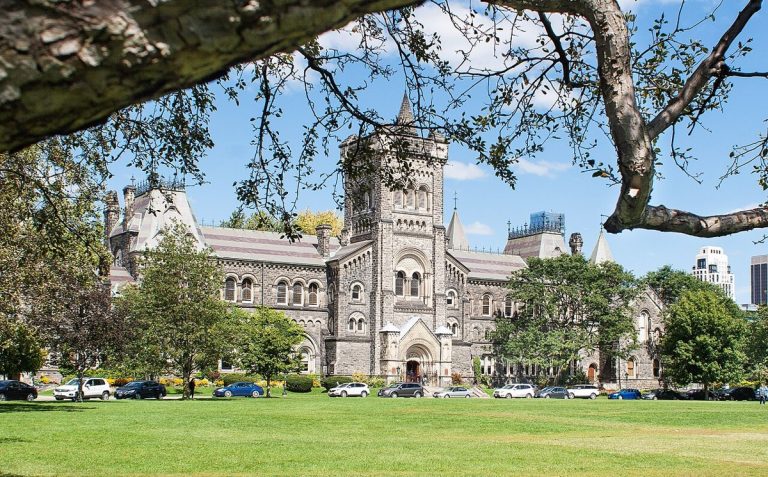
University College on the St. George campus of the University of Toronto, photographed in 2017.
CA-K370Institutions

University College and non-denominational higher education

University College in Toronto, built in 1856–1859 to designs by F. W. Cumberland, largely assured the future of the University of Toronto and drew it into a federal pattern widely followed in Canada and the Commonwealth. It realized a major 19th-century goal: a non-denominational, government-supported institution of higher learning.

Factual accuracy review: No recorded challenge

Contributor: Citizen.ca

Verified against cited sourcesVerified on 2026-10-26↗
Photo: BeautifulWaters · Photo licence: CC BY-SA 4.0 · Credit & context
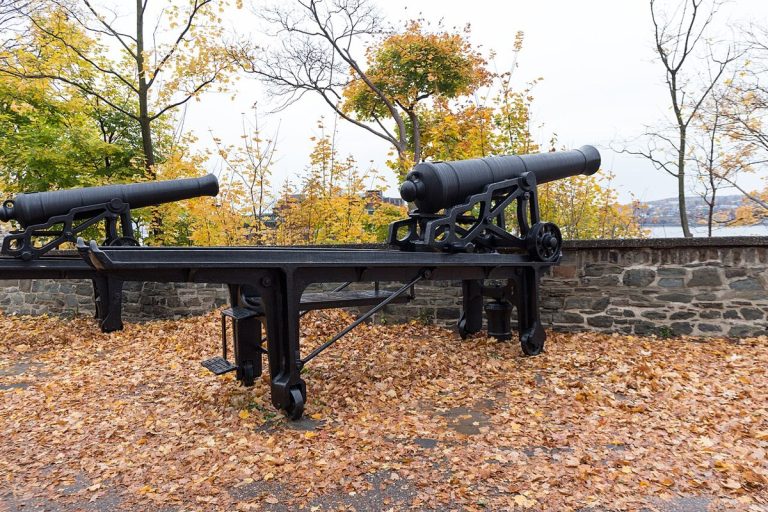
Montmorency Park in Québec City, photographed in 2024.
CA-K369Institutions

Montmorency Park, where parliaments met in Québec

For nearly a century, Montmorency Park in Québec City was where the legislators of Lower Canada, the Province of Canada and the Province of Quebec met. The Québec Conference of 1864 drafted its 72 resolutions for Confederation here. After fire destroyed the Parliament Building in 1883, the site became a public park ten years later.

Factual accuracy review: No recorded challenge

Contributor: Citizen.ca

Verified against cited sourcesVerified on 2026-10-26↗
Photo: Pymouss · Photo licence: CC BY-SA 4.0 · Credit & context
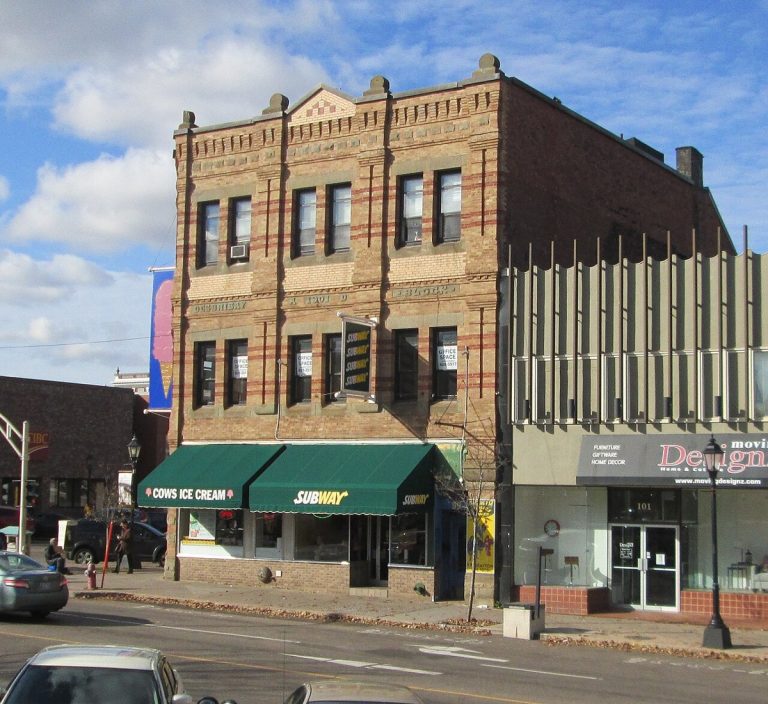
Apothecaries Hall on Queen Street, Charlottetown, Prince Edward Island, photographed in 2013.
CA-K368Economy & trade

Apothecaries Hall, a Charlottetown pharmacy from 1810

Apothecaries Hall in Charlottetown was the site of an apothecary shop opened by Thomas DesBrisay Jr. in December 1810 to supply medicines to Prince Edward Islanders. The present brick building replaced the wooden one in 1901, and when the drug store closed in 1986 it was one of the longest continuously operated pharmacies in Canada.

Factual accuracy review: No recorded challenge

Contributor: Citizen.ca

Verified against cited sourcesVerified on 2026-10-26↗
Photo: Larry · Photo licence: CC BY 2.0 · Credit & context
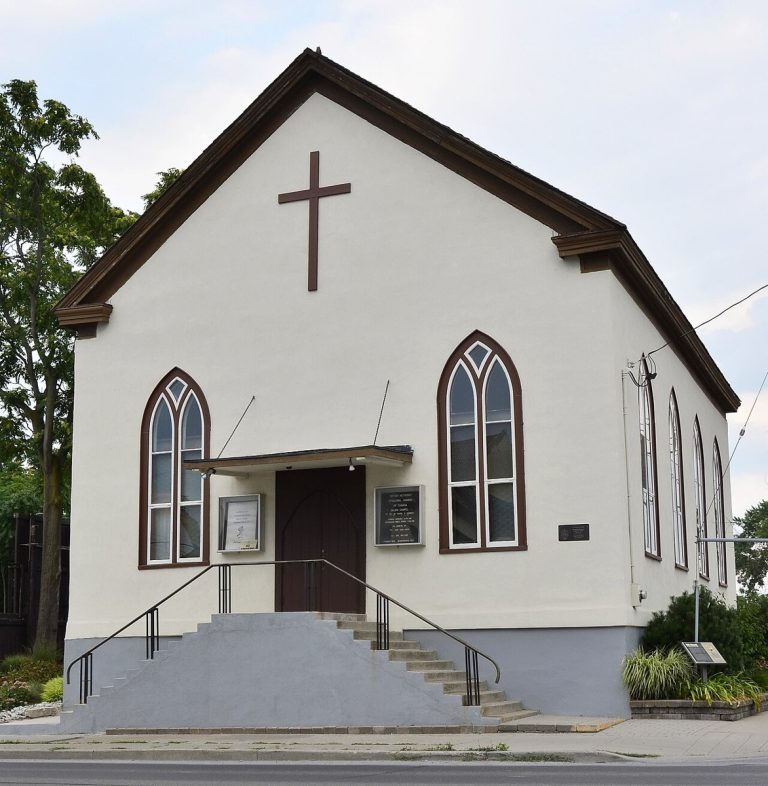
Salem Chapel British Methodist Episcopal Church in St. Catharines, Ontario, photographed in 2012.
CA-K367History

Salem Chapel, St. Catharines

Salem Chapel, a British Methodist Episcopal church built in 1855 in St. Catharines, Ontario, was an important centre of 19th-century abolitionist and civil rights activity in Canada. Harriet Tubman lived nearby from 1851 to 1858 and is traditionally associated with the chapel, and many of those she helped to freedom became its members.

Factual accuracy review: No recorded challenge

Contributor: Citizen.ca

Verified against cited sourcesVerified on 2026-10-26↗
Photo: Apple789 · Photo licence: CC BY-SA 3.0 · Credit & context
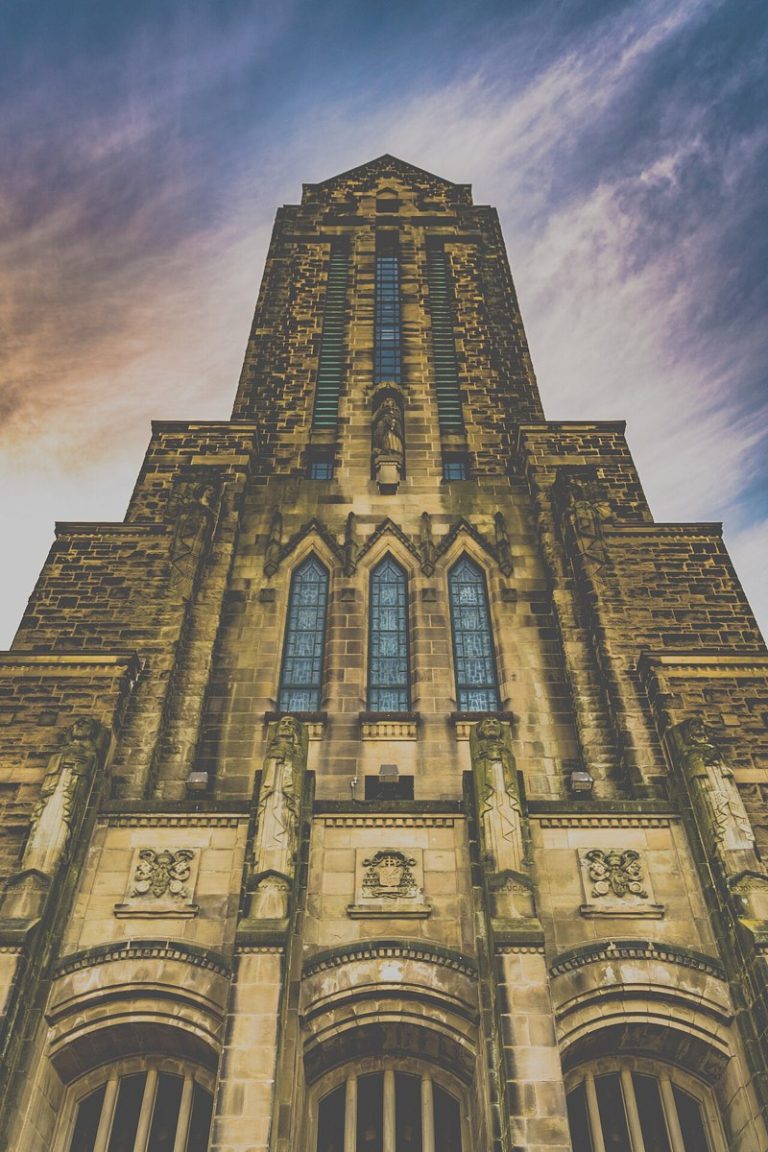
Our Lady of the Assumption Cathedral on St. George Street, Moncton, photographed in 2016.
CA-K366Culture & sport

Our Lady of the Assumption Cathedral, Moncton

Our Lady of the Assumption Cathedral in Moncton, New Brunswick, built in 1939–1940 as the Monument of Remembrance, is a symbol of the achievements and resilience of Acadians. Its sculptures and stained glass tell Acadian history, and its construction rallied Acadians and their diaspora to build the first large-scale building commemorating them as a distinct people.

Factual accuracy review: No recorded challenge

Contributor: Citizen.ca

Verified against cited sourcesVerified on 2026-10-26↗
Photo: James Mann from Moncton, New Brunswick, Canada · Photo licence: CC BY 2.0 · Credit & context
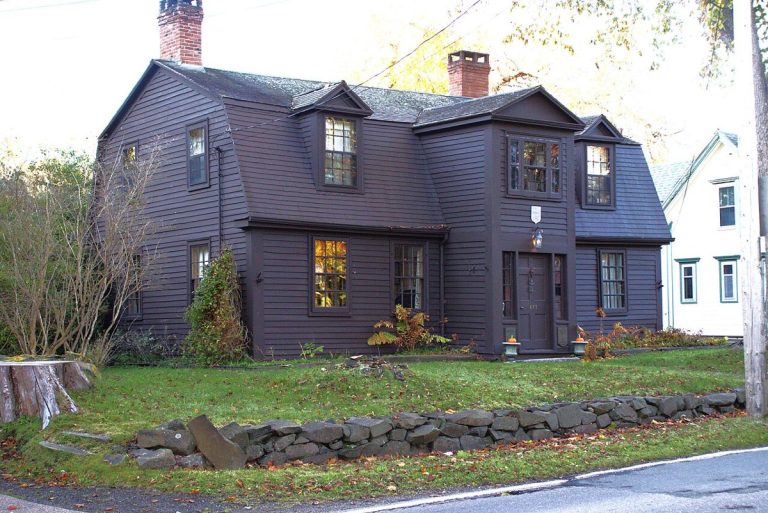
The de Gannes-Cosby House on St. George Street, Annapolis Royal, Nova Scotia, photographed in 2024.
CA-K365History

The de Gannes-Cosby House, Annapolis Royal

The de Gannes-Cosby House in Annapolis Royal, Nova Scotia, built in 1708 for French officer Louis de Gannes de Falaise, is a rare surviving house in Acadia from before the Deportation. After 1727 it was home to British officer Alexander Cosby, lieutenant-governor of Annapolis Royal, and it keeps original features such as wattle-and-daub infill and a fieldstone foundation.

Factual accuracy review: No recorded challenge

Contributor: Citizen.ca

Verified against cited sourcesVerified on 2026-10-26↗
Photo: CanadaContributor · Photo licence: CC BY-SA 4.0 · Credit & context
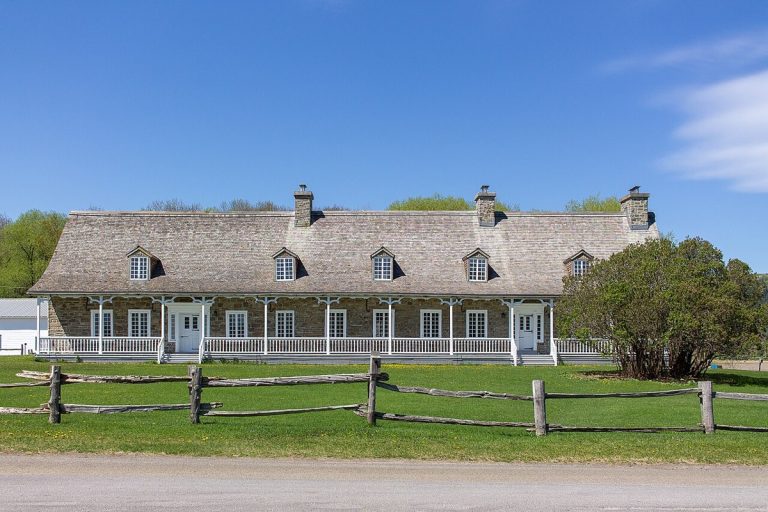
The front of La Petite-Ferme at Cap Tourmente, Quebec, photographed in 2022.
CA-K364History

La Petite-Ferme du cap Tourmente, Champlain’s farm

La Petite-Ferme at Cap Tourmente, Quebec, in an area with an Indigenous presence going back more than 2,000 years, began as a livestock farm built for Samuel de Champlain in 1626 to help feed the young settlement of Québec. It was the first livestock farm in the St. Lawrence Valley; bought by Bishop Laval in 1664, it was run by the Séminaire de Québec for 300 years.

Factual accuracy review: No recorded challenge

Contributor: Citizen.ca

Verified against cited sourcesVerified on 2026-10-26↗
Photo: Judith Bourque · Photo licence: CC BY-SA 2.0 · Credit & context
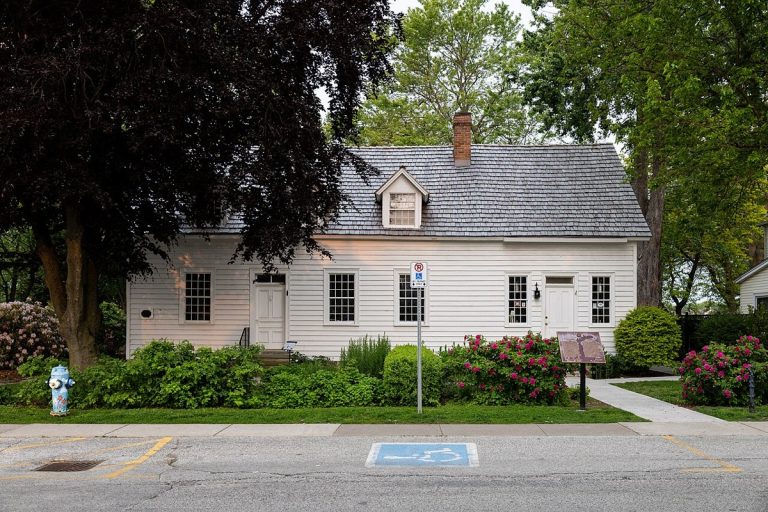
Park House Museum on the main street of Amherstburg, Ontario, photographed in 2025.
CA-K363History

Park House, Amherstburg, a house that floated across the border

Park House in Amherstburg, Ontario, an 18th-century combined dwelling and warehouse, is considered one of the oldest houses in the region. It has long been said that its Loyalist owners floated it down the Detroit River to Upper Canada when the British handed Detroit to the Americans in 1796. Its grooved-post construction is a rare survival of a once-common French-Canadian colonial building type.

Factual accuracy review: No recorded challenge

Contributor: Citizen.ca

Verified against cited sourcesVerified on 2026-10-26↗
Photo: Crisco 1492 · Photo licence: CC BY-SA 4.0 · Credit & context
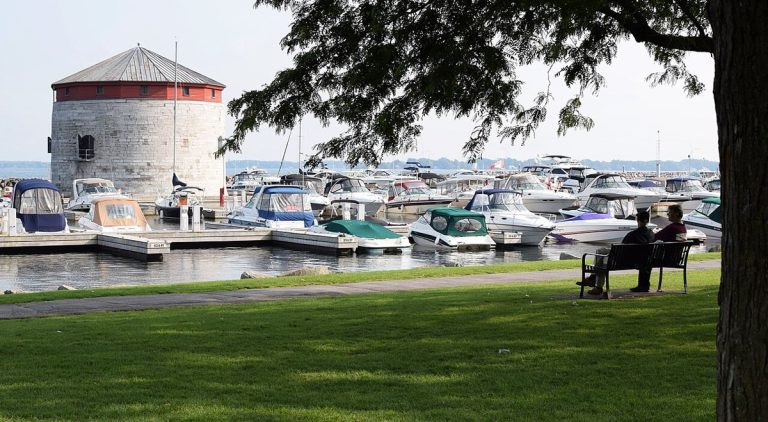
Shoal Tower in Kingston harbour, Ontario, photographed in 2017.
CA-K362History

Shoal Tower, a Kingston Martello tower

Shoal Tower in Kingston’s harbour was built by the British government in 1846–1847 as one of four Martello towers, with the Market Battery, to reinforce Kingston’s defences against an anticipated American threat during the Oregon Crisis. It is part of the Kingston Fortifications, linked to the town’s military importance and the Great Lakes–Rideau Canal route.

Factual accuracy review: No recorded challenge

Contributor: Citizen.ca

Verified against cited sourcesVerified on 2026-10-26↗
Photo: Mark · Photo licence: CC BY 2.0 · Credit & context
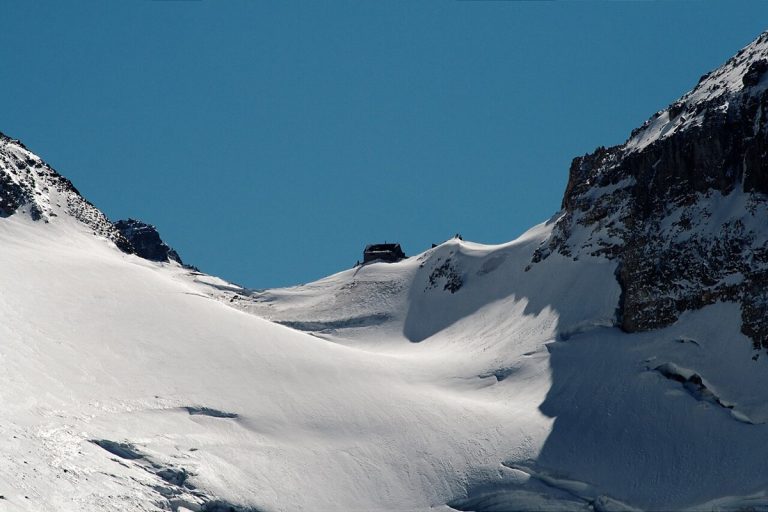
Abbot Pass and the refuge hut, seen from the Alberta side in 2010, before its demolition.
CA-K361Places & geography

The Abbot Pass Refuge Cabin, lost to erosion

The rustic stone Abbot Pass Refuge Cabin, built by the Canadian Pacific Railway in 1922 high in the Rockies between Mount Lefroy and Mount Victoria, sheltered hikers and mountaineers from 1923 until 2018. Erosion of the slope, accelerated by climate change, made the hut unstable and forced its demolition in 2022.

Factual accuracy review: No recorded challenge

Contributor: Citizen.ca

Verified against cited sourcesVerified on 2026-10-26↗
Photo: Florin Chelaru · Photo licence: CC BY 2.0 · Credit & context
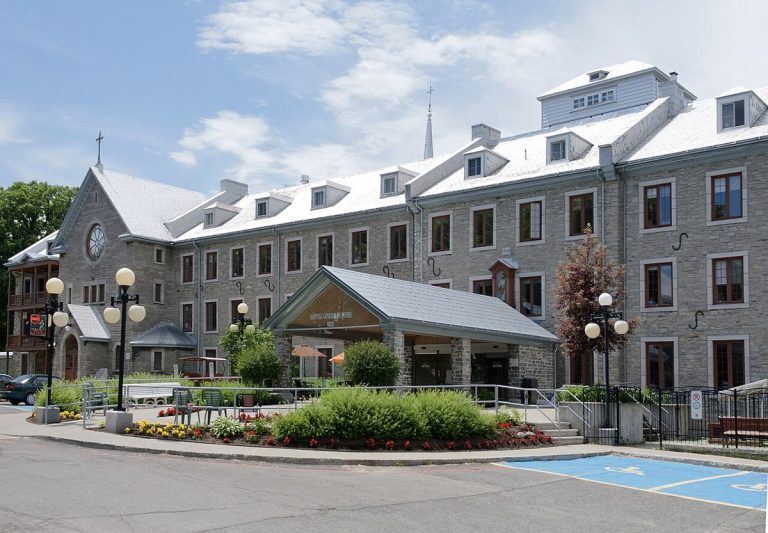
Part of the Hôpital-Général de Québec complex, photographed in 2012.
CA-K360History

The Hôpital-Général de Québec monastery

The Hôpital-Général de Québec monastery is associated with the Augustinian sisters’ hospital work from 1693. The convent complex escaped the bombardments of the 1759 siege and preserves buildings that illustrate the history of religious hospital care in Quebec.

Factual accuracy review: No recorded challenge

Contributor: Citizen.ca

Verified against cited sourcesVerified on 2026-10-26↗
Photo: Jstremblay · Photo licence: CC BY-SA 3.0 · Credit & context
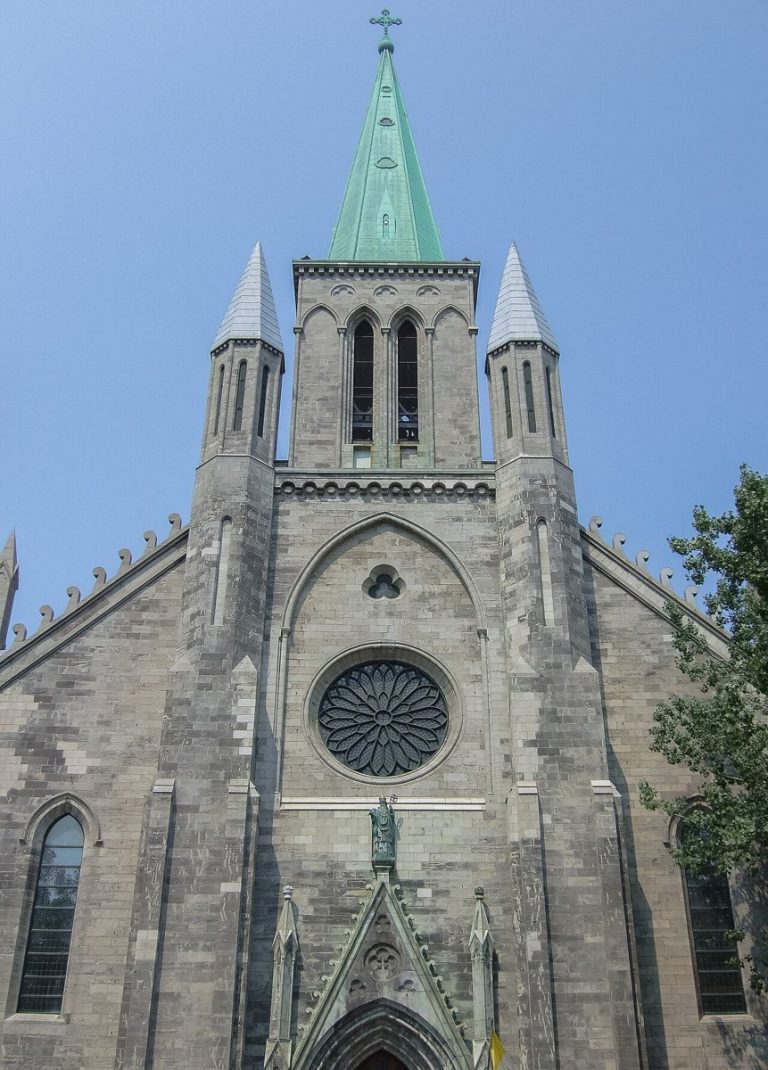
St. Patrick’s Basilica in Montréal, photographed in 2007.
CA-K358History

St. Patrick’s Basilica, Montréal

St. Patrick’s Basilica in Montréal, built from 1843 to 1847 as the parish church of the city’s growing Irish population, is a fine example of French Gothic Revival architecture. Its clergy cared for Irish immigrants during an epidemic soon after it opened, and it remains the heart of Montréal’s Irish community.

Factual accuracy review: No recorded challenge

Contributor: Citizen.ca

Verified against cited sourcesVerified on 2026-10-26↗
Photo: Diego Delso · Photo licence: CC BY-SA 4.0 · Credit & context
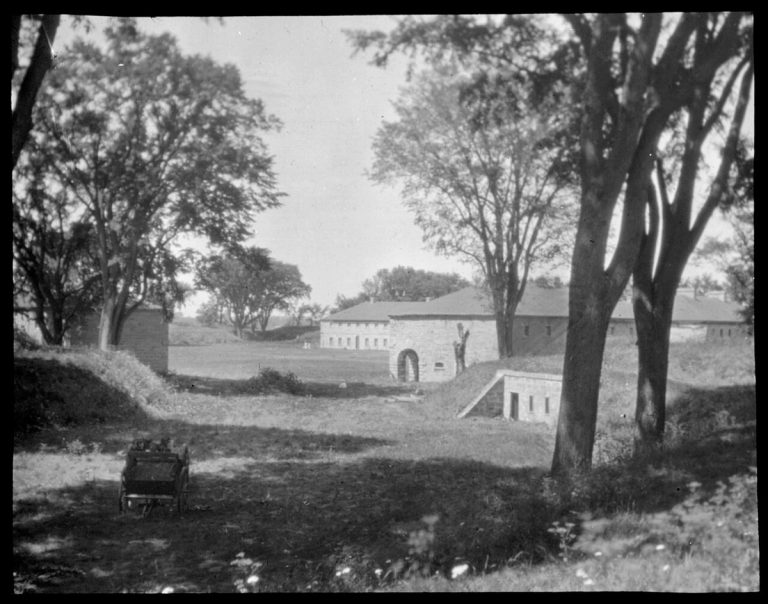
Fort Lennox on Île aux Noix, Quebec, looking southwest, in 1923.
CA-K357History

Fort Lennox on Île aux Noix

Fort Lennox, on Île aux Noix in the Richelieu River, guarded one of the gateways to Canada along the Hudson–Champlain–Richelieu route. Fortified by the French in 1759, captured by the British in 1760 and used by American revolutionary forces in 1775, the island was repeatedly fortified and held a garrison until 1870.

Factual accuracy review: No recorded challenge

Contributor: Citizen.ca

Verified against cited sourcesVerified on 2026-10-26↗
Photo: Photographer unidentified; Archives of Ontario · Photo licence: Public domain · Credit & context
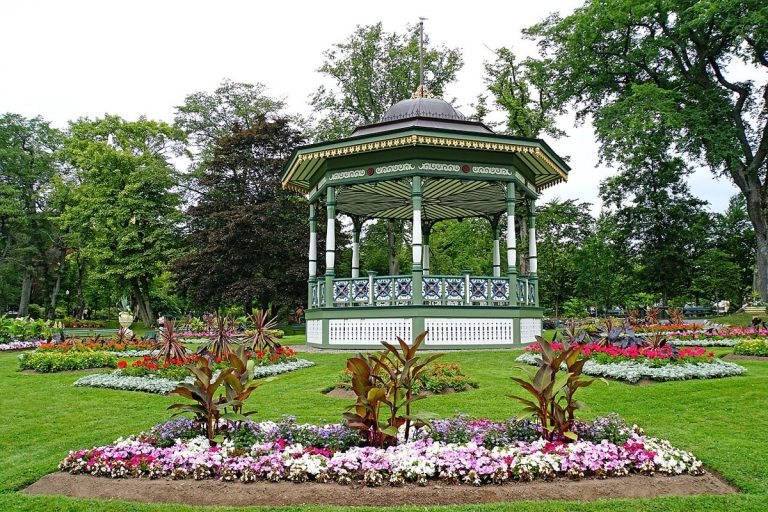
The bandstand and geometric flower beds of the Halifax Public Gardens, photographed in 2016.
CA-K356Places & geography

The Halifax Public Gardens, a Victorian garden

The Halifax Public Gardens, established in 1874 by joining two older gardens, is a rare surviving example of a Victorian public garden. Superintendent Robert Power gave it a symmetrical plan, a bandstand, fountains and carpet beds in the Victorian “Gardenesque” tradition, and it remains a public park.

Factual accuracy review: No recorded challenge

Contributor: Citizen.ca

Verified against cited sourcesVerified on 2026-10-26↗
Photo: Dennis G. Jarvis · Photo licence: CC BY-SA 2.0 · Credit & context
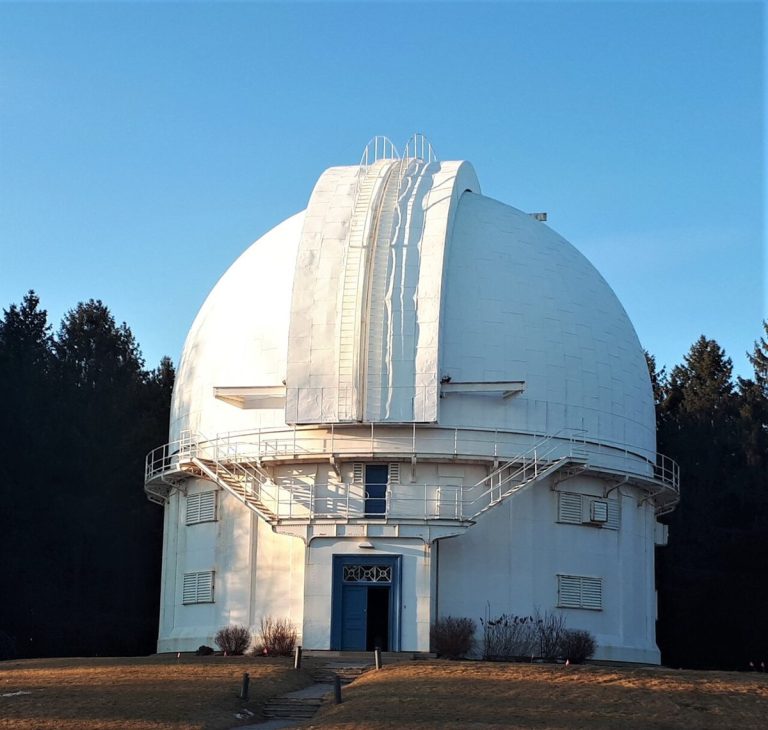
The David Dunlap Observatory in Richmond Hill, Ontario, photographed in 2019.
CA-K353History

The David Dunlap Observatory and black holes

The David Dunlap Observatory in Richmond Hill, Ontario, opened in 1935 for the University of Toronto and helped establish academic astronomy in Canada; its dome housed what was once the world’s second-largest telescope. There Thomas Bolton published evidence for a black hole in 1972, and Helen Sawyer Hogg catalogued star clusters.

Factual accuracy review: No recorded challenge

Contributor: Citizen.ca

Verified against cited sourcesVerified on 2026-10-26↗
Photo: Mhsheikholeslami · Photo licence: CC BY-SA 4.0 · Credit & context
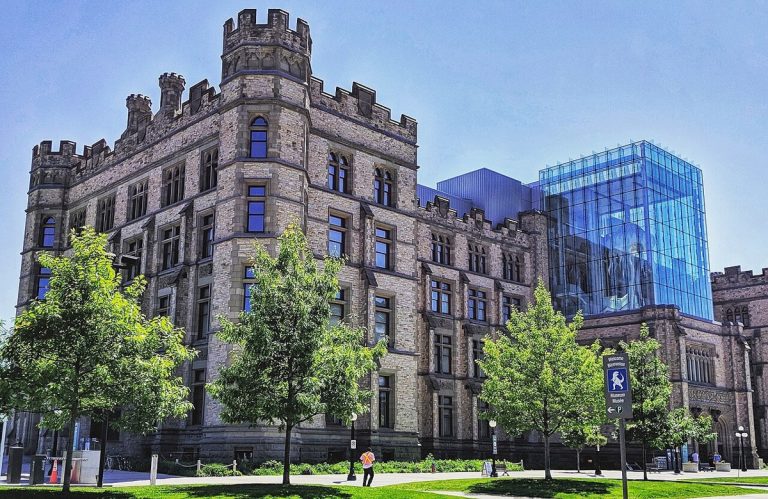
The Victoria Memorial Museum Building, now home of the Canadian Museum of Nature, Ottawa, photographed in 2018.
CA-K352Culture & sport

The Victoria Memorial Museum, Ottawa

The Victoria Memorial Museum in Ottawa, built from 1905 to 1911, was the first purpose-built federal museum in Canada, the culmination of decades of effort by the Geological and Natural History Survey. When completed in 1911 it housed the National Gallery and the Survey’s collections, and it was a leader in new exhibit techniques.

Factual accuracy review: No recorded challenge

Contributor: Citizen.ca

Verified against cited sourcesVerified on 2026-10-26↗
Photo: Navpreet Singh · Photo licence: CC BY-SA 4.0 · Credit & context
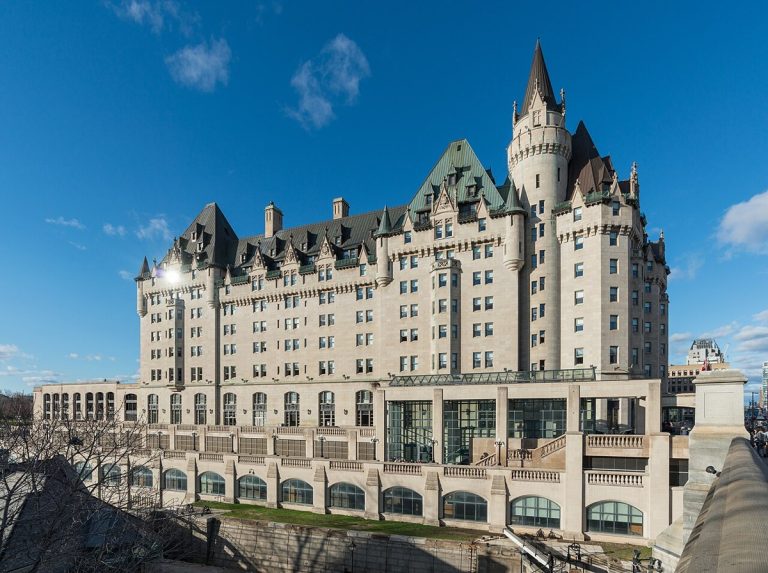
The Château Laurier in Ottawa, south view, photographed in 2017.
CA-K351Culture & sport

Château Laurier and the Château style

The Château Laurier in Ottawa, built between 1908 and 1912, was the first of a series of hotels by the Grand Trunk Pacific Railway to draw tourists to its transcontinental routes. The Château style of Canadian railway hotels evolved into a distinctly Canadian architectural type, and the hotel’s closeness to Parliament made it a model for that style.

Factual accuracy review: No recorded challenge

Contributor: Citizen.ca

Verified against cited sourcesVerified on 2026-10-26↗
Photo: DXR · Photo licence: CC BY-SA 4.0 · Credit & context
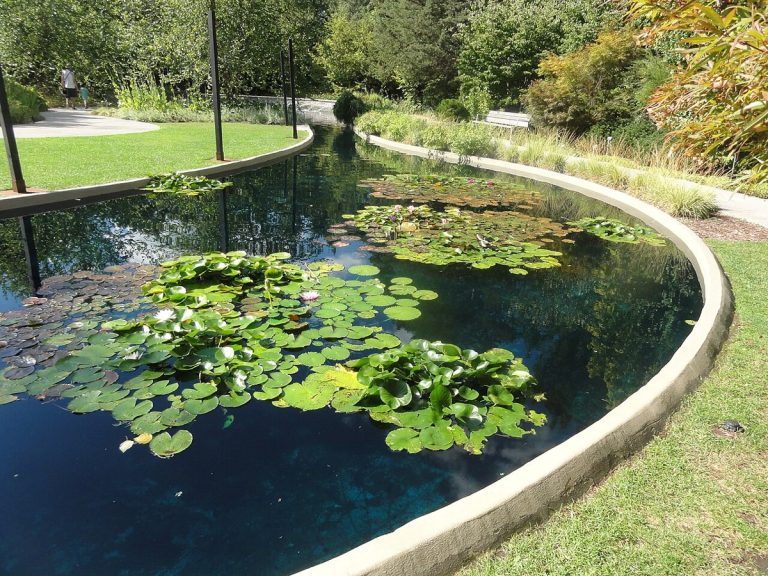
The Rock Garden pond at the Royal Botanical Gardens, Hamilton, Ontario, in 2024.
CA-K349Places & geography

The Royal Botanical Gardens, Hamilton

The Royal Botanical Gardens in Hamilton and Burlington, Ontario, developed over 60 years from a late-1920s plan to beautify Hamilton, is one of Canada’s most important botanical gardens. Its world-renowned lilac collection made it the international registration authority for lilac cultivar names.

Factual accuracy review: No recorded challenge

Contributor: Citizen.ca

Verified against cited sourcesVerified on 2026-10-26↗
Photo: Wiki.cullin · Photo licence: CC BY-SA 4.0 · Credit & context
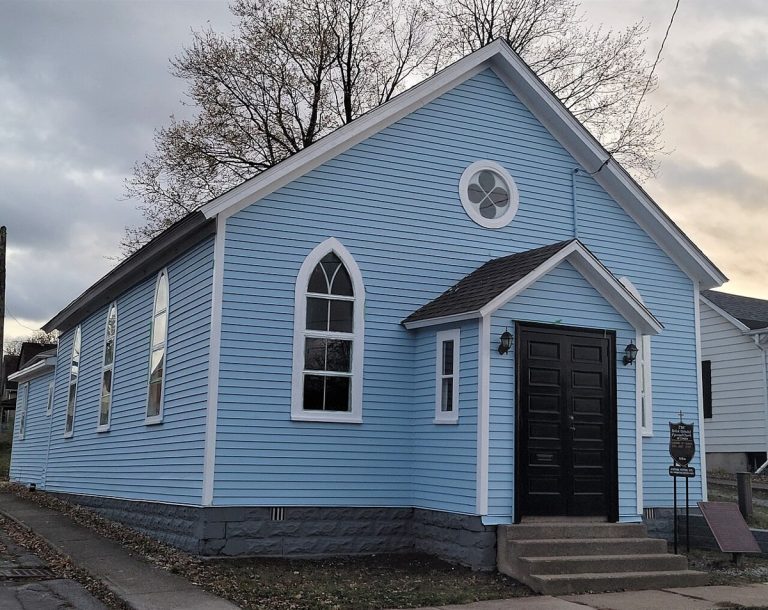
The R. Nathaniel Dett British Methodist Episcopal Church in Niagara Falls, Ontario, photographed in 2022.
CA-K347History

R. Nathaniel Dett BME Church, Niagara Falls

The R. Nathaniel Dett British Methodist Episcopal Church in Niagara Falls, Ontario, built in 1836 and later rolled on logs to its present site, illustrates early Black settlement in the Niagara area and the church’s role in receiving and sheltering Underground Railroad refugees. It is associated with the formative years of R. Nathaniel Dett, a leading figure in 20th-century North American sacred music.

Factual accuracy review: No recorded challenge

Contributor: Citizen.ca

Verified against cited sourcesVerified on 2026-10-26↗
Photo: Mhsheikholeslami · Photo licence: CC BY-SA 4.0 · Credit & context
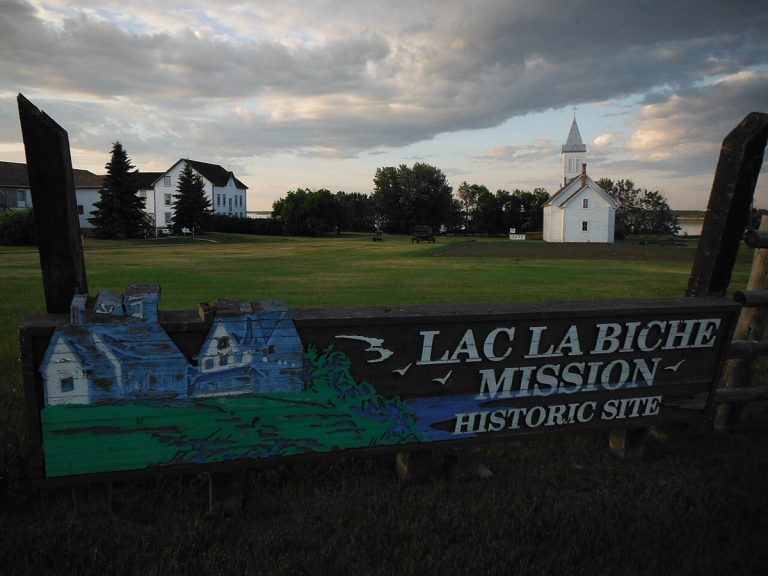
Lac La Biche Mission National Historic Site on the shore of Lac La Biche, Alberta, photographed in 2012.
CA-K345Indigenous peoples & reconciliation

Lac La Biche Mission

Notre Dame des Victoires / Lac La Biche Mission in Alberta, established by the Oblates in 1853 in the lands of the nêhiyawak (Cree) and other First Nations and the Métis homeland, was created to convert First Nations and Métis peoples to Christianity and became a supply hub for northern missions. From the 1860s its school, run by the Grey Nuns, was among the Catholic Church’s earliest experiments in residential education in the northwest.

Factual accuracy review: No recorded challenge

Contributor: Citizen.ca

Verified against cited sourcesVerified on 2026-10-26↗
Photo: Grapher78 · Photo licence: CC BY-SA 3.0 · Credit & context
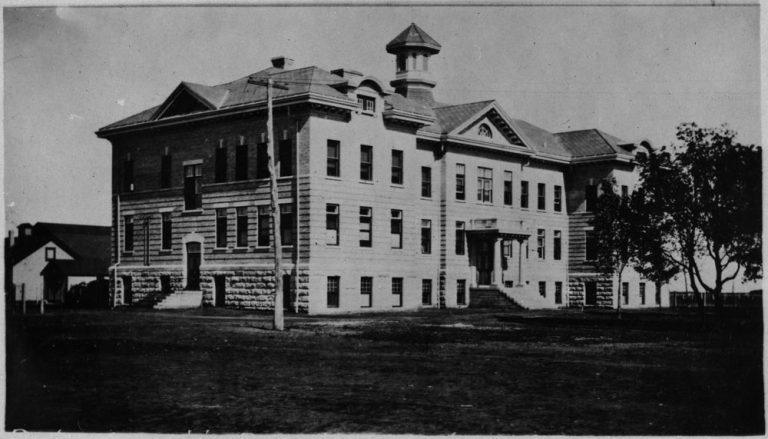
The school building at Portage la Prairie, Manitoba, around 1914–1915 (Library and Archives Canada).
CA-K344Indigenous peoples & reconciliation

The former Portage la Prairie Indian Residential School

At the Portage la Prairie Indian Residential School in Manitoba, built in 1914–1915 and open until 1975, Indigenous children endured abuse, severe discipline, punishment for speaking their languages and isolation from their families. Operated by the Presbyterian and United Churches for the federal government, it was part of a policy the Truth and Reconciliation Commission called cultural genocide; Long Plain First Nation took ownership in 1981 and has made it a place of commemoration and resilience.

Factual accuracy review: No recorded challenge

Contributor: Citizen.ca

Verified against cited sourcesVerified on 2026-10-26↗
Photo: BiblioArchives / LibraryArchives · Photo licence: CC BY 2.0 · Credit & context