An independent Canadian knowledge project

Focused and Verified

Canadian knowledge base

Search by keyword

Choose one keyword, or combine two. Broader keywords include their descendants.

Keywords: Professions and education

Clear search
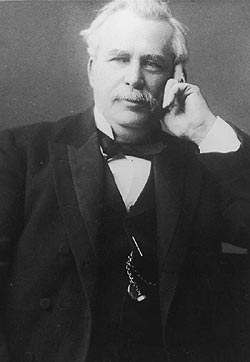
David Mills, January 1899 (Topley Studio).
CA-K577Institutions

David Mills, minister and constitutional scholar

David Mills of Oxford, Upper Canada, was a school superintendent before representing Bothwell in the House of Commons from 1867 to 1896. He was Minister of the Interior in 1876–1878 and Minister of Justice in 1897–1902, taught constitutional law at the University of Toronto, and was appointed to the Supreme Court of Canada in 1902.

Factual accuracy review: No recorded challenge

Contributor: Citizen.ca

Verified against cited sourcesVerified on 2026-10-26↗
Photo: William James Topley · Photo licence: Public domain · Credit & context
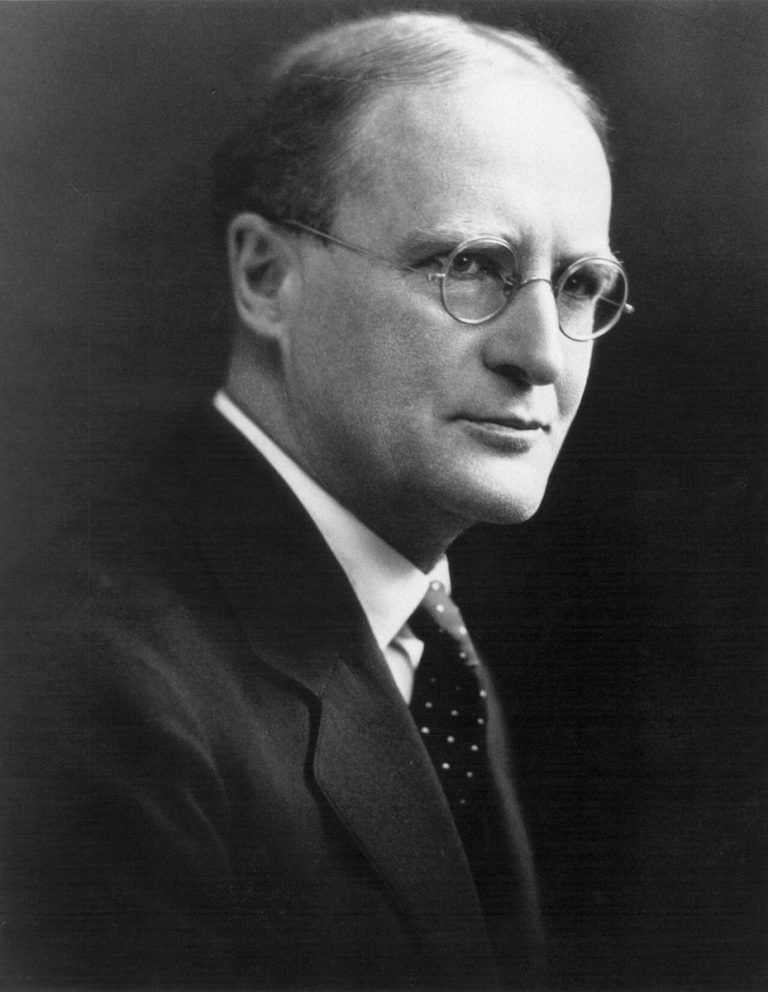
Dr. Oscar D. Skelton (Lafayette, Library and Archives Canada).
CA-K558Institutions

O. D. Skelton and the Department of External Affairs

Oscar Douglas Skelton, a Queen’s University professor of history and economics, left in 1924 to join the young Department of External Affairs and organized it on an enduring basis. He advised prime ministers Meighen, King and Bennett on foreign policy, advocating an independent Canadian position distinct from Britain’s.

Factual accuracy review: No recorded challenge

Contributor: Citizen.ca

Verified against cited sourcesVerified on 2026-10-26↗
Photo: Lafayette / Library and Archives Canada · Photo licence: Public domain · Credit & context
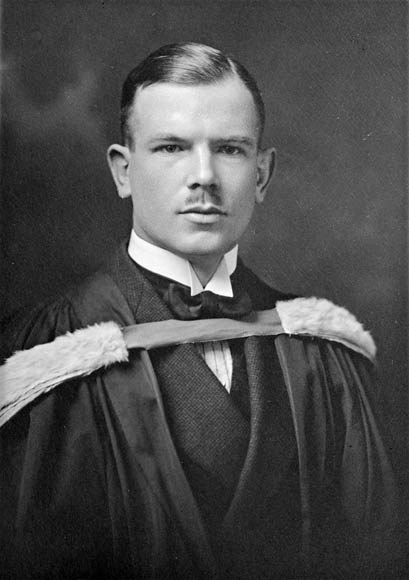
Norman Bethune’s graduation photo, around 1922 (Library and Archives Canada).
CA-K550History

Dr. Norman Bethune, surgeon and activist

Norman Bethune made significant contributions to thoracic surgery in Canada and was an early advocate of socialized medicine. Embracing communism, he led a Canadian team that pioneered front-line blood transfusions in the Spanish Civil War, then served as a battlefield surgeon with Mao Zedong’s Eighth Route Army; after his death in 1939 he became a national hero in China.

Factual accuracy review: No recorded challenge

Contributor: Citizen.ca

Verified against cited sourcesVerified on 2026-10-26↗
Photo: Credit: Library and Archives Canada/PA-160708Copyright: Expired · Photo licence: Public domain · Credit & context
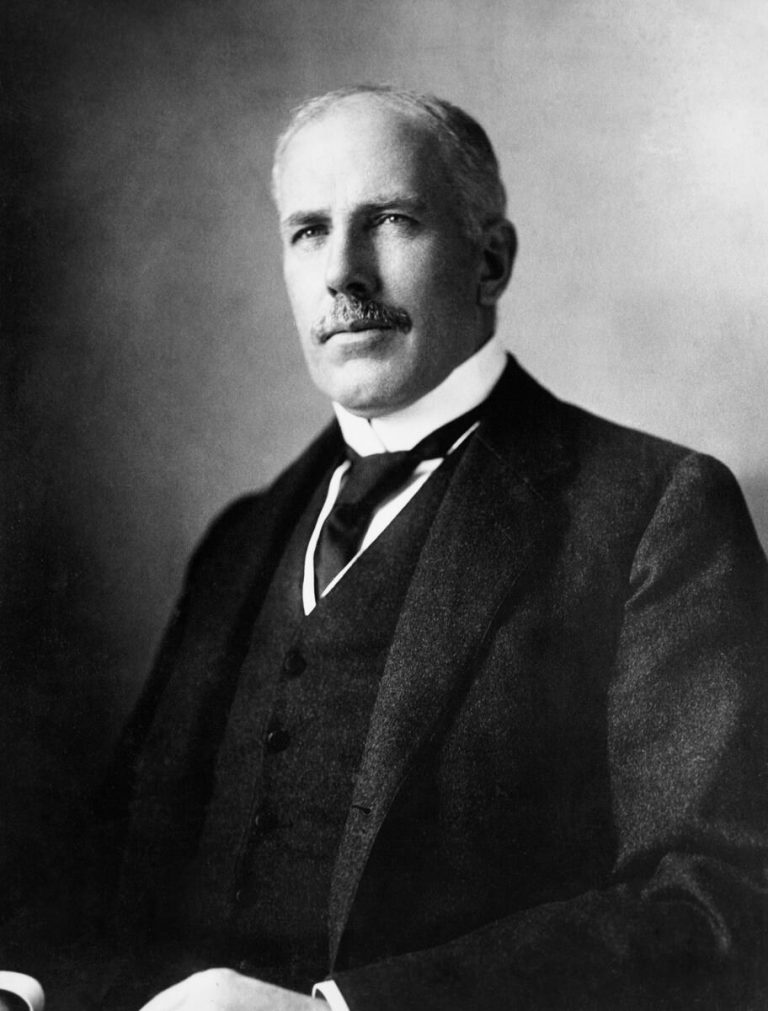
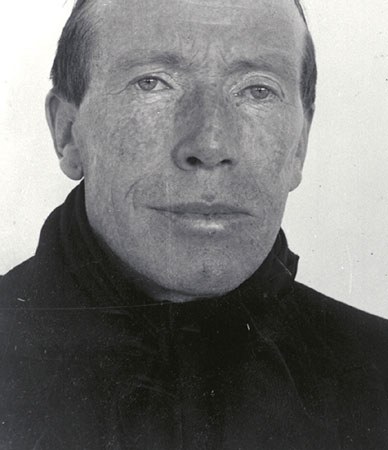
James Teit, before 1922.
CA-K547Indigenous peoples & reconciliation

James Teit, ethnographer of the Interior Salish

James Teit, a Shetlander who came to Spences Bridge, British Columbia, in 1884 and married into the Nlaka’pamux Nation, was the leading ethnographer of the Interior Salish. Encouraged by Franz Boas, he recorded oral traditions of the Salish, Dene and Ktunaxa, and as a champion of Indigenous land rights he served as special agent for the Allied Tribes of British Columbia.

Factual accuracy review: No recorded challenge

Contributor: Citizen.ca

Verified against cited sourcesVerified on 2026-10-26↗
Photo: unknown (self-portrait?) · Photo licence: Public domain · Credit & context
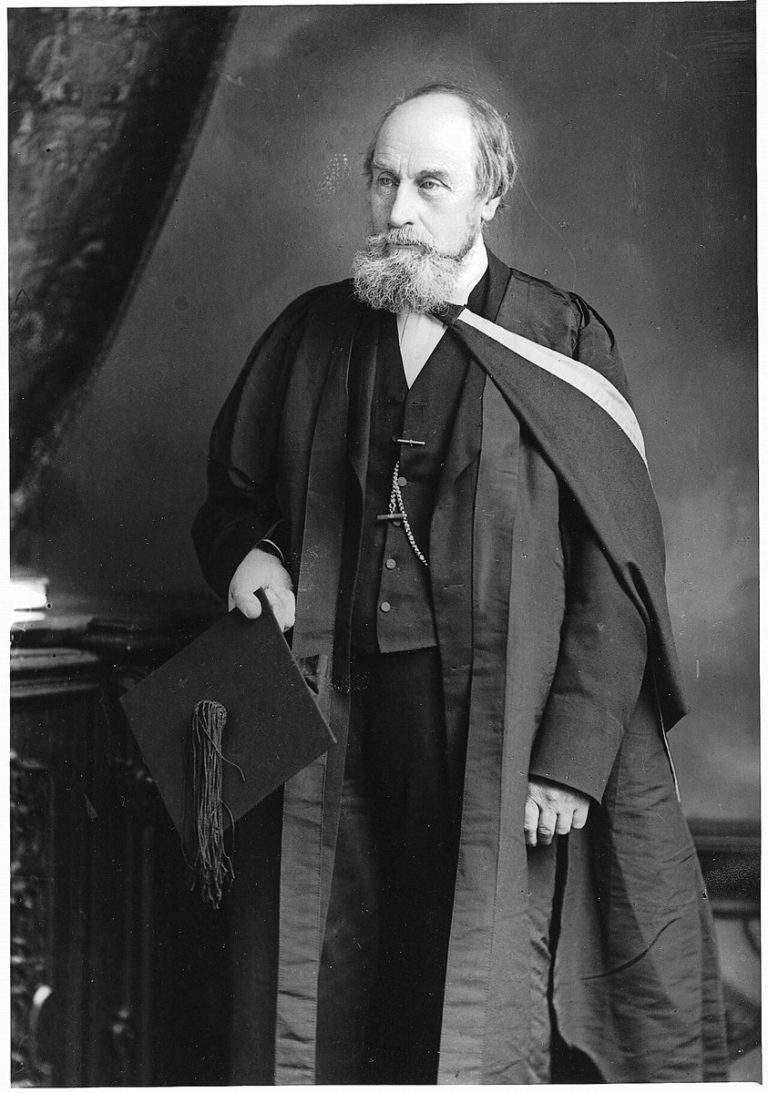
Mayor Charles A. Magrath of Lethbridge, Alberta (Glenbow Archives).
CA-K511History

Charles Magrath, surveyor and first mayor of Lethbridge

Charles Alexander Magrath took part in the foundation surveys of the North-West Territories from 1878 to 1885, then joined Sir Alexander Galt’s pioneer enterprises. He was the first mayor of Lethbridge, a territorial legislator and MP for Medicine Hat, and later chaired Ontario Hydro and the Canadian section of the International Joint Commission.

Factual accuracy review: No recorded challenge

Contributor: Citizen.ca

Verified against cited sourcesVerified on 2026-10-26↗
Photo: British and Colonial Photographic Company · Photo licence: Public domain · Credit & context
Sir John William Dawson in 1885 (William Notman and Son, McCord Stewart Museum).
CA-K508Institutions

Sir William Dawson, principal of McGill

Sir John William Dawson of Pictou, Nova Scotia, studied in Edinburgh, worked with the geologist Lyell and became Nova Scotia’s first superintendent of education. As principal and professor of natural history at McGill University from 1855 to 1893 he profoundly influenced Canadian education and science, and he was first president of the Royal Society of Canada in 1882.

Factual accuracy review: No recorded challenge

Contributor: Citizen.ca

Verified against cited sourcesVerified on 2026-10-26↗
Photo: William Notman and Son · Photo licence: Public domain · Credit & context
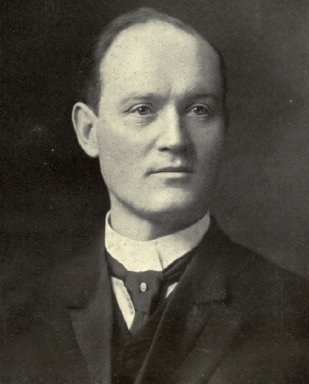
Robert Falconer, portrait published by the Empire Club of Canada.
CA-K503Institutions

Sir Robert Falconer, president of the University of Toronto

Sir Robert Falconer, born in Charlottetown, was an educator, writer and lecturer. After serving as principal of Pine Hill College in Halifax, he was president of the University of Toronto from 1907 to 1932 and wrote many books and articles on education and public questions.

Factual accuracy review: No recorded challenge

Contributor: Citizen.ca

Verified against cited sourcesVerified on 2026-10-26↗
Photo: Empire Club of Canada · Photo licence: Public domain · Credit & context
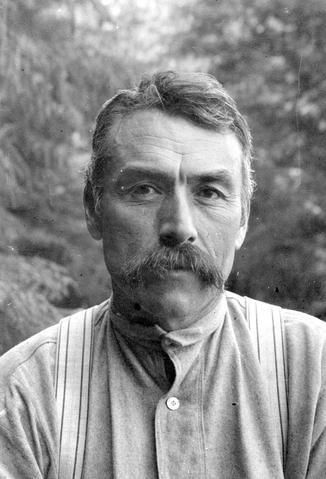
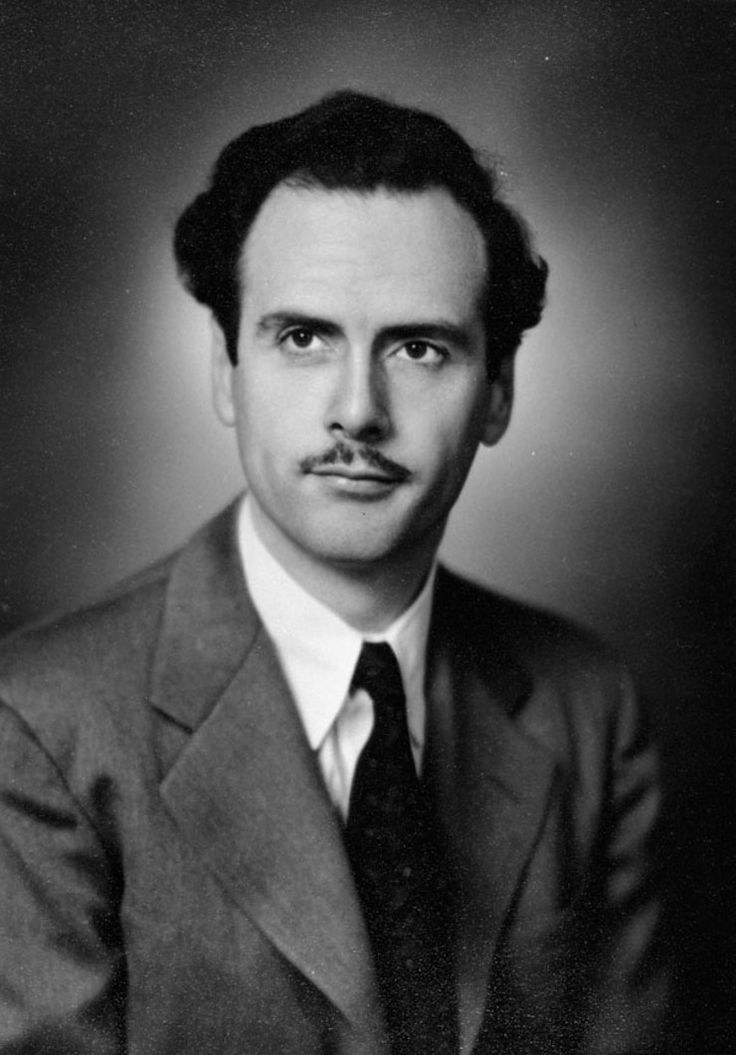
Marshall McLuhan in 1945 (Library and Archives Canada).
CA-K491Culture & sport

Marshall McLuhan, “the medium is the message”

Marshall McLuhan, a University of Toronto professor and pioneer of media studies, became famous in the 1960s for his theories about how print and electronic media shape human perception and behaviour. His ideas of the “global village” and “the medium is the message” made him one of the most celebrated scholars in the Western world.

Factual accuracy review: No recorded challenge

Contributor: Citizen.ca

Verified against cited sourcesVerified on 2026-10-26↗
Photo: Josephine Smith · Photo licence: Public domain · Credit & context
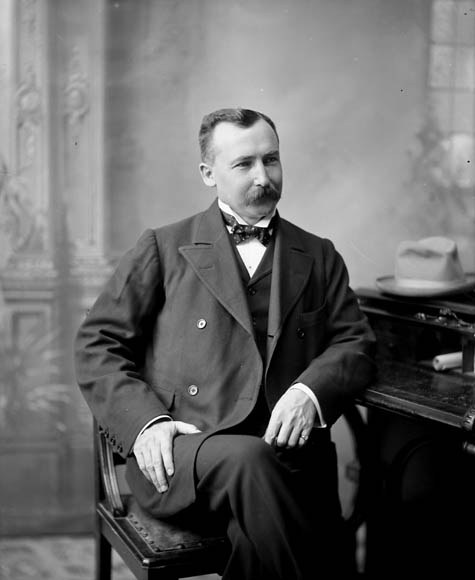
George Hunt in 1898 (Harlan I. Smith, BC Archives).
CA-K482Indigenous peoples & reconciliation

George Hunt, Kwakwaka’wakw ethnographer

George Hunt, born at Fort Rupert to English and Tlingit parents and fully accepted into Kwakwaka’wakw society, was one of the most outstanding ethnographers of West Coast Indigenous peoples. He worked to preserve and share his people’s traditional knowledge, recording, translating and interpreting material that revealed the richness of Kwakwaka’wakw culture.

Factual accuracy review: No recorded challenge

Contributor: Citizen.ca

Verified against cited sourcesVerified on 2026-10-26↗
Photo: Harlan Ingersoll Smith · Photo licence: Public domain · Credit & context
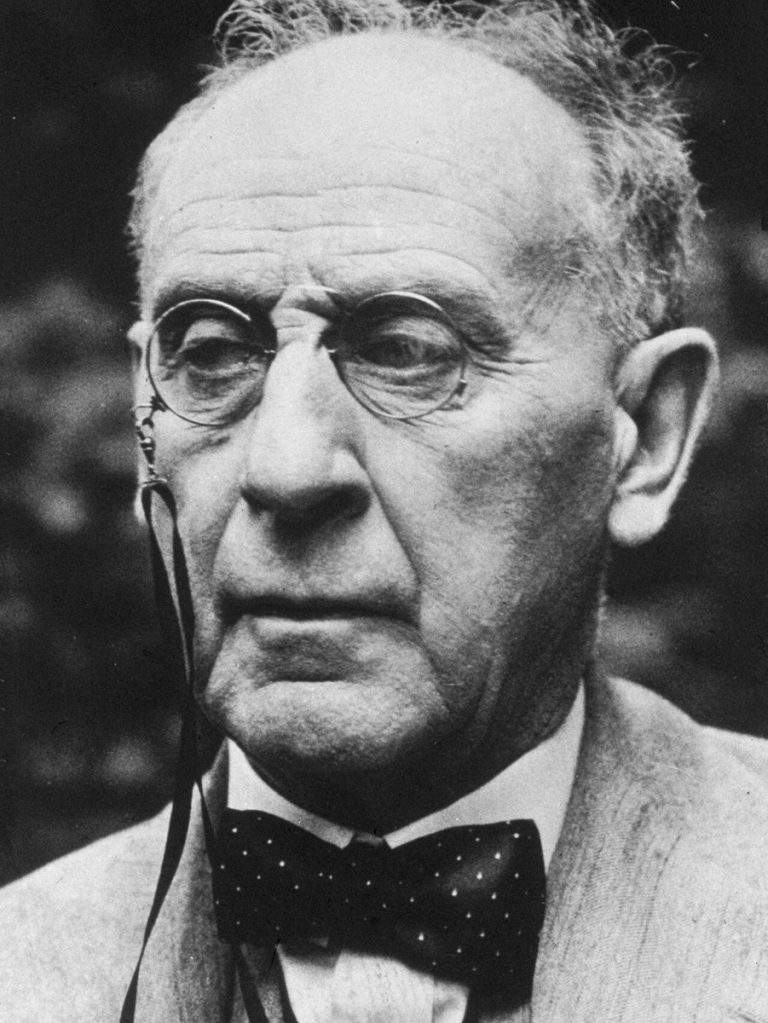
Clifford Sifton, Minister of the Interior, September 1900 (Topley Studio).
CA-K478Institutions

Clifford Sifton and settlement of the Prairies

Clifford Sifton, a lawyer, politician and principal owner of the Manitoba Free Press, was Laurier’s Minister of the Interior from 1896 to 1905. He was chiefly responsible for the plan to populate the Prairies with farmers through immigration, and earlier in the Manitoba cabinet he helped reach the compromise on the schools question.

Factual accuracy review: No recorded challenge

Contributor: Citizen.ca

Verified against cited sourcesVerified on 2026-10-26↗
Photo: William James Topley · Photo licence: Public domain · Credit & context
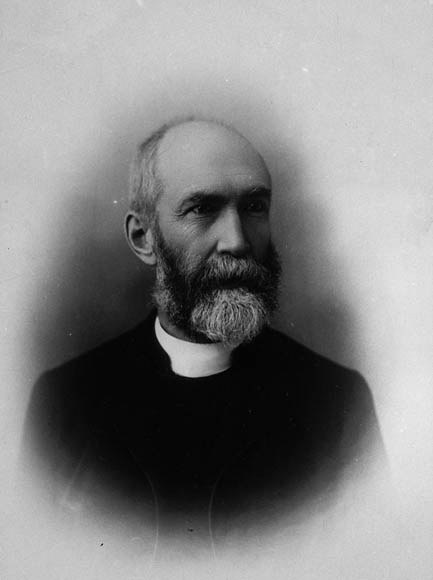
George MacKinnon Wrong, around 1920.
CA-K477Institutions

George Wrong, first professor of modern history in Toronto

George MacKinnon Wrong became the University of Toronto’s first Professor of Modern History in 1895. He saw Canadian history through its British and French origins and the American presence, and as a teacher, writer and early leader of the Canadian Historical Association he helped give an intellectual base to a developing Canadian identity.

Factual accuracy review: No recorded challenge

Contributor: Citizen.ca

Verified against cited sourcesVerified on 2026-10-26↗
Photo: Unknown author · Photo licence: CC BY 4.0 · Credit & context
George Monro Grant, principal of Queen’s College (Library and Archives Canada).
CA-K466Institutions

George Monro Grant, principal of Queen’s

George Monro Grant, born at Albion Mines (Stellarton), Nova Scotia, was an educator and writer, author of Ocean to Ocean and minister of St. Matthew’s Church in Halifax. He was principal of Queen’s University from 1877 to 1902 and president of the Royal Society of Canada in 1901.

Factual accuracy review: No recorded challenge

Contributor: Citizen.ca

Verified against cited sourcesVerified on 2026-10-26↗
Photo: Government of Canada · Photo licence: Public domain · Credit & context
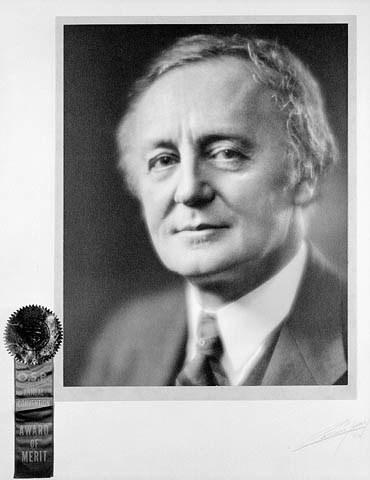
Marius Barbeau, salon portrait by Joseph-Alexandre Castonguay, 1942 (Library and Archives Canada).
CA-K461Culture & sport

Marius Barbeau, ethnographer and folklorist

Marius Barbeau, born at Sainte-Marie in the Beauce, was a pioneer Canadian ethnographer and folklorist who wrote hundreds of books and articles over a lifetime at the National Museum of Canada. His studies of West Coast totem poles brought them worldwide attention, and his collections of Quebec folk arts, songs and legends stirred pride in traditional French-Canadian culture.

Factual accuracy review: No recorded challenge

Contributor: Citizen.ca

Verified against cited sourcesVerified on 2026-10-26↗
Photo: Joseph-Alexandre Castonguay · Photo licence: Public domain · Credit & context
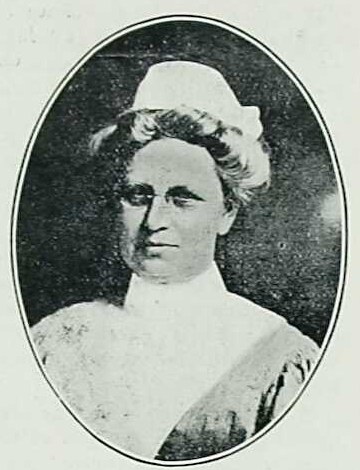
Mary Southcott, portrait published in The Distaff, 1917.
CA-K455Institutions

Mary Southcott and nursing in Newfoundland

Mary Southcott, an educator, suffragist and nursing leader, led the campaign to professionalize nursing in early 20th-century Newfoundland. Trained in London, she founded the St. John’s General Hospital School of Nursing in 1903, the only one in Newfoundland until 1929, and helped raise standards, train midwives and found a professional association of nurses.

Factual accuracy review: No recorded challenge

Contributor: Citizen.ca

Verified against cited sourcesVerified on 2026-10-26↗
Photo: The Distaff, 1917 · Photo licence: Public domain · Credit & context
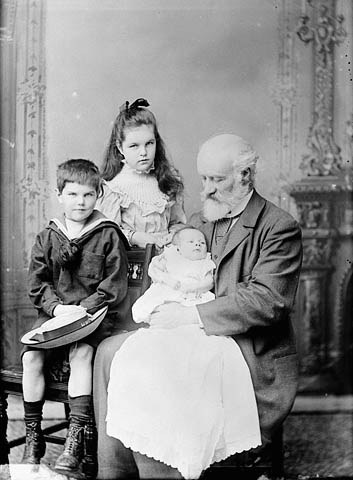
Sir Sandford Fleming with his grandchildren, July 1893 (Topley Studio).
CA-K436History

Sir Sandford Fleming, engineer and champion of standard time

Sir Sandford Fleming, born in Scotland, came to Canada in 1845 and became survey and construction engineer for the Intercolonial Railway and the Canadian Pacific. A man of wide interests and an ardent imperialist, he advocated the Pacific telegraph cable, designed the first Canadian postage stamp in 1851, and was an early champion of standard time.

Factual accuracy review: No recorded challenge

Contributor: Citizen.ca

Verified against cited sourcesVerified on 2026-10-26↗
Photo: William James Topley · Photo licence: Public domain · Credit & context
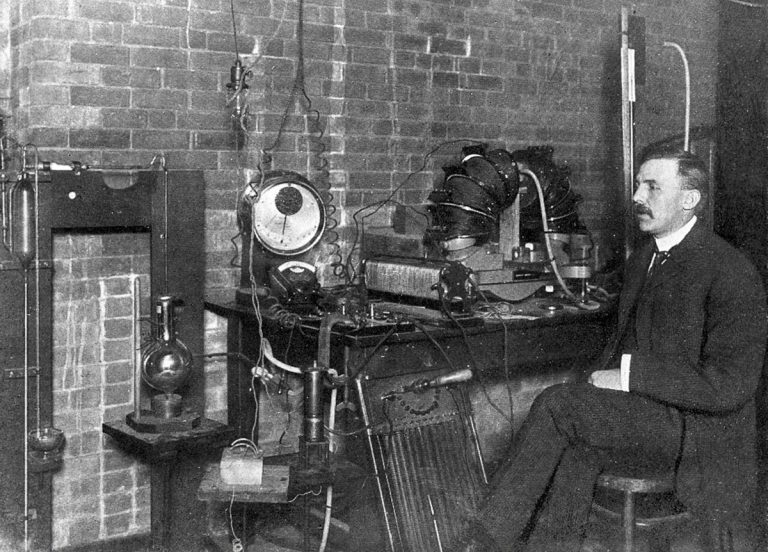
Ernest Rutherford at McGill University, 1905.
CA-K426History

Ernest Rutherford’s radioactivity research at McGill

As Macdonald Professor of Physics at McGill University from 1898 to 1907, Ernest Rutherford, working with Frederick Soddy, made fundamental discoveries about radioactivity that made McGill an important centre of atomic physics research. He later led laboratories at Manchester and Cambridge and received the Nobel Prize in Chemistry in 1908.

Factual accuracy review: No recorded challenge

Contributor: Citizen.ca

Verified against cited sourcesVerified on 2026-10-26↗
Photo: Unknown, published in 1939 in Rutherford : being the life and letters of the Rt. Hon. Lord Rutherford, O. M · Photo licence: Public domain · Credit & context
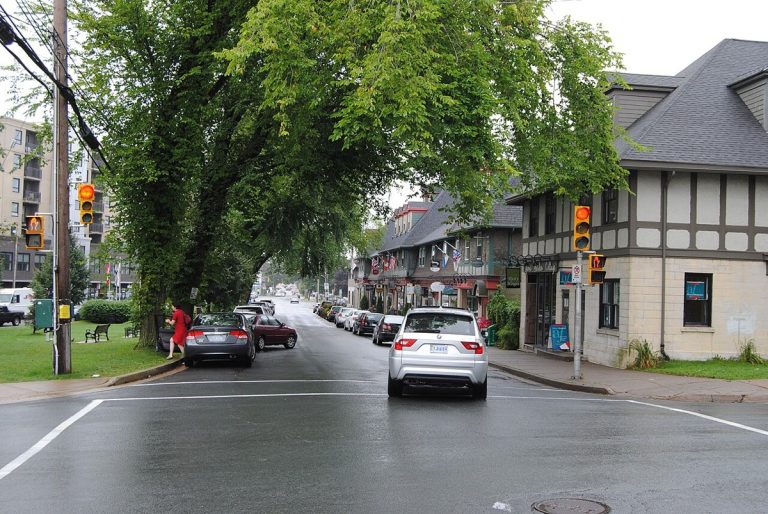
The Hydrostone district in Halifax, Nova Scotia, photographed in 2011.
CA-K287Institutions

Thomas Adams and the Hydrostone

Thomas Adams (1871–1940), a leading town planner in early-20th-century Canada, influenced provincial planning laws in seven provinces and led the early professionalization of planning. He designed public housing projects such as Lindenlea in Ottawa and the Hydrostone district of Halifax, planned to rebuild the Richmond neighbourhood after the 1917 Halifax Explosion.

Factual accuracy review: No recorded challenge

Contributor: Citizen.ca

Verified against cited sourcesVerified on 2026-10-26↗
Photo: Paul from Hacketts Cove, Canada · Photo licence: CC BY 2.0 · Credit & context
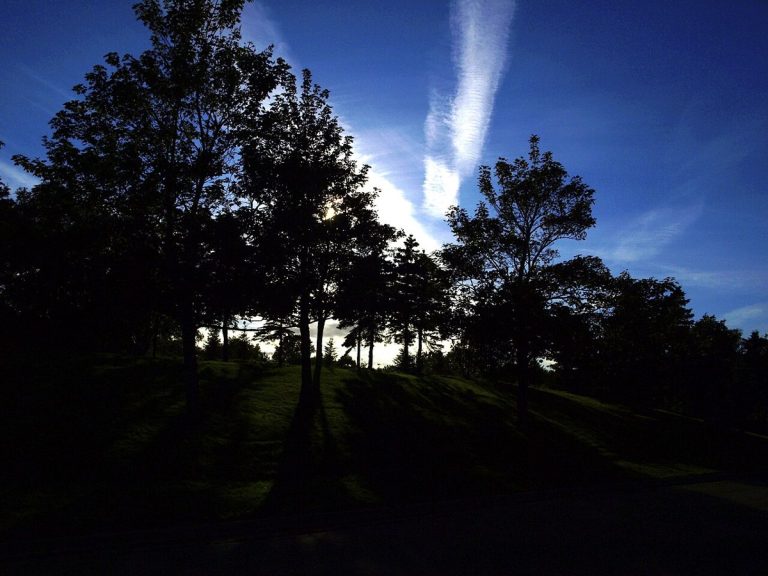
Bowring Park in St. John’s, Newfoundland and Labrador, at sunset in 2011.
CA-K286Culture & sport

Frederick Todd, Canada’s first professional landscape architect

Frederick Gage Todd (1876–1948), Canada’s first professional landscape architect, trained with the Olmsted firm and designed beloved parks including Assiniboine Park in Winnipeg, Bowring Park in St. John’s and the Plains of Abraham battlefields park in Québec City. His 1903 plan for Ottawa influenced every later plan for the capital.

Factual accuracy review: No recorded challenge

Contributor: Citizen.ca

Verified against cited sourcesVerified on 2026-10-26↗
Photo: Sivaprasad.ucc · Photo licence: CC BY-SA 3.0 · Credit & context
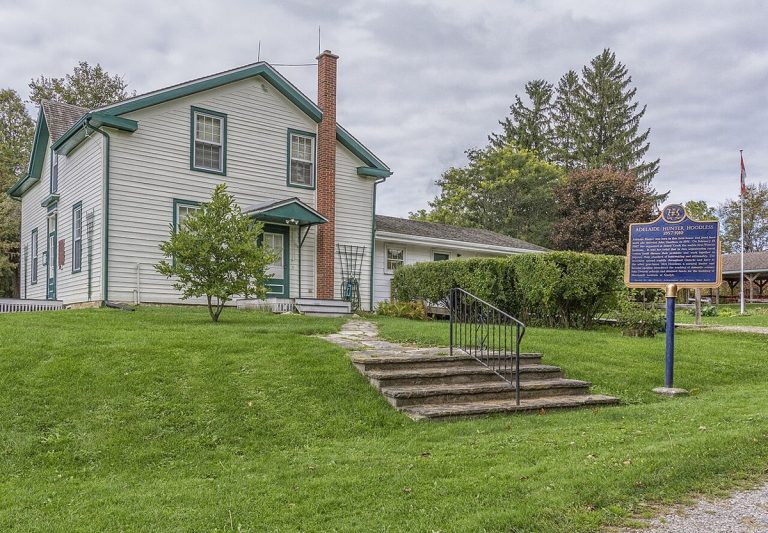
The Adelaide Hunter Hoodless Homestead in St. George, Ontario, photographed in 2014.
CA-K273History

Adelaide Hunter Hoodless, educator and reformer

Adelaide Hunter Hoodless (1857–1910), an educator and social reformer, promoted domestic economy as a school subject and helped establish household science institutes at Guelph, Sainte-Anne-de-Bellevue and Toronto. She supported women’s organizations including the National Council of Women and the Federated Women’s Institutes, and helped establish the Victorian Order of Nurses.

Factual accuracy review: No recorded challenge

Contributor: Citizen.ca

Verified against cited sourcesVerified on 2026-10-26↗
Photo: Paranoidpurist · Photo licence: CC BY-SA 3.0 · Credit & context
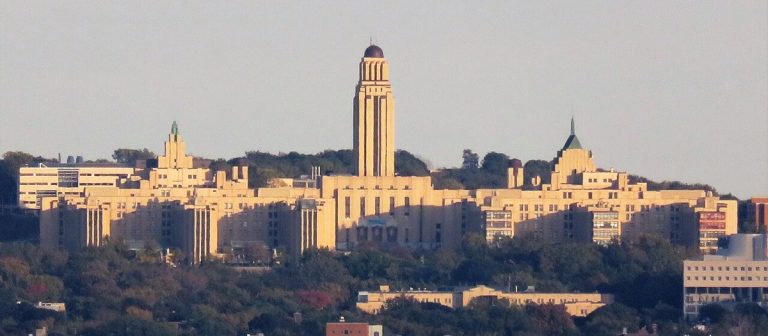
The Roger-Gaudry pavilion of the Université de Montréal, designed by Ernest Cormier, photographed in 2015.
CA-K267Culture & sport

Ernest Cormier, architect and engineer

Ernest Cormier (1885–1980), born in Montréal and trained at the École des Beaux-Arts de Paris, was an engineer and one of the most renowned Canadian architects of the 20th century, known for innovative design, new materials and attention to every detail. The federal government chose him to represent Canada in designing the United Nations Headquarters in New York (1949–1952).

Factual accuracy review: No recorded challenge

Contributor: Citizen.ca

Verified against cited sourcesVerified on 2026-10-26↗
Photo: Laurent Bélanger · Photo licence: CC BY-SA 4.0 · Credit & context
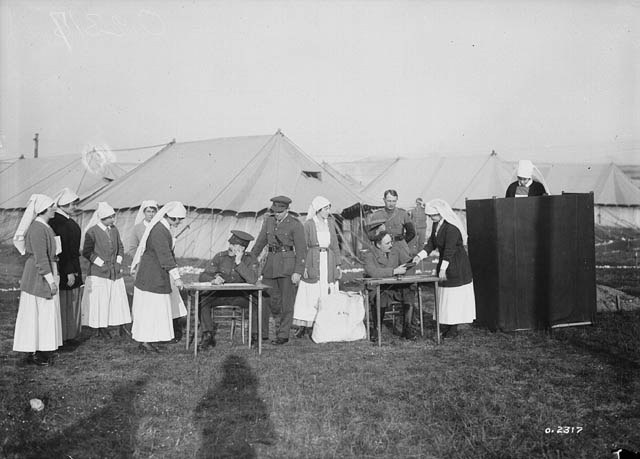
Nursing Sisters at a Canadian hospital in France voting in the 1917 federal election (photograph by William Rider-Rider).
CA-K246History

Nursing Sisters, the first women with military rank

Canadian military nurses have cared for the sick and wounded in battle since 1885. In 1904, professional nurses joined the Canadian Army Medical Corps as Nursing Sisters, the first women in the British Empire to receive military rank; in the two world wars hundreds were decorated and dozens died from enemy action.

Factual accuracy review: No recorded challenge

Contributor: Citizen.ca

Verified against cited sourcesVerified on 2026-10-26↗
Photo: William Rider-Rider · Photo licence: Public domain · Credit & context
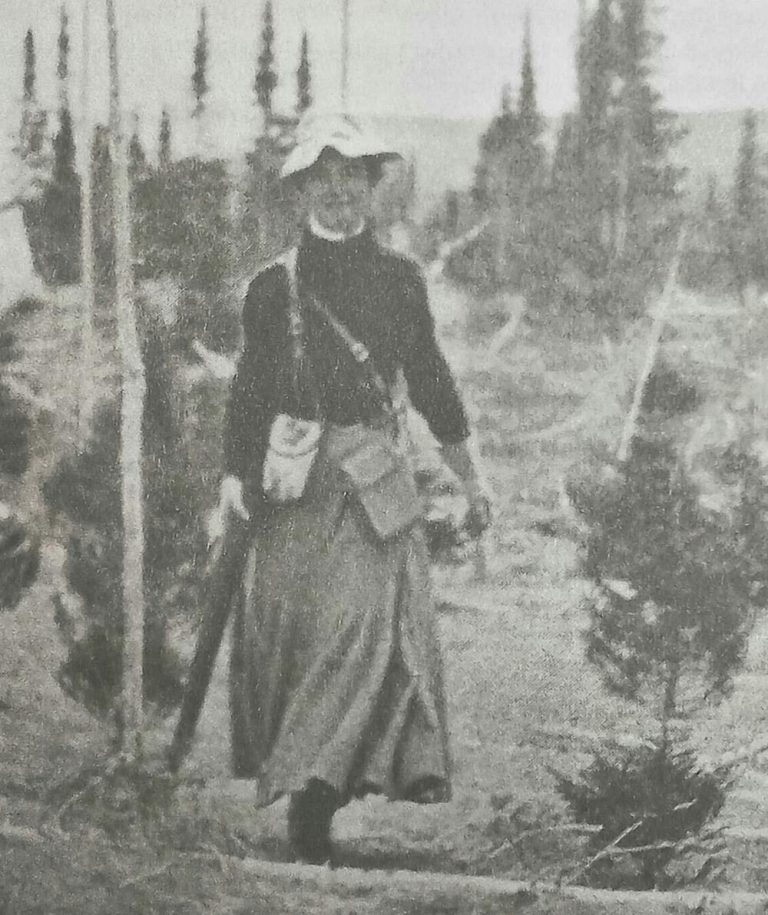
Mina Hubbard in northern Labrador in 1905.
CA-K233Places & geography

Mina Hubbard mapped Labrador in 1905

In 1905, explorer and surveyor Mina Hubbard (1870–1956) led an expedition across Labrador, travelling 900 kilometres from North West River to Ungava Bay. Her continuous latitude measurements established the positions of the Naskaupi and George rivers, and her map was immediately recognized by the American and British geographical societies.

Factual accuracy review: No recorded challenge

Contributor: Citizen.ca

Verified against cited sourcesVerified on 2026-10-26↗
Photo: Unknown authorUnknown author · Photo licence: Public domain · Credit & context
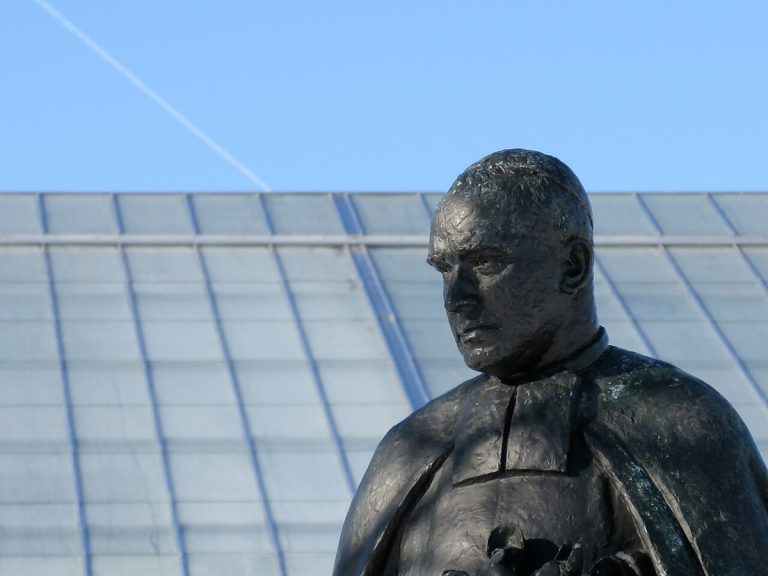
A statue of Brother Marie-Victorin at the Montréal Botanical Garden, photographed in 2009.
CA-K210Culture & sport

Brother Marie-Victorin and Flore laurentienne

Brother Marie-Victorin (1885–1944), a botanist, author and educator, wrote Flore laurentienne (1935) and founded the Institut botanique de l’Université de Montréal and the Montréal Botanical Garden. His discoveries and new approach to botany were of international importance, and he helped improve science teaching at every level.

Factual accuracy review: No recorded challenge

Contributor: Citizen.ca

Verified against cited sourcesVerified on 2026-10-26↗
Photo: Jean-Philippe Boulet · Photo licence: CC BY 3.0 · Credit & context
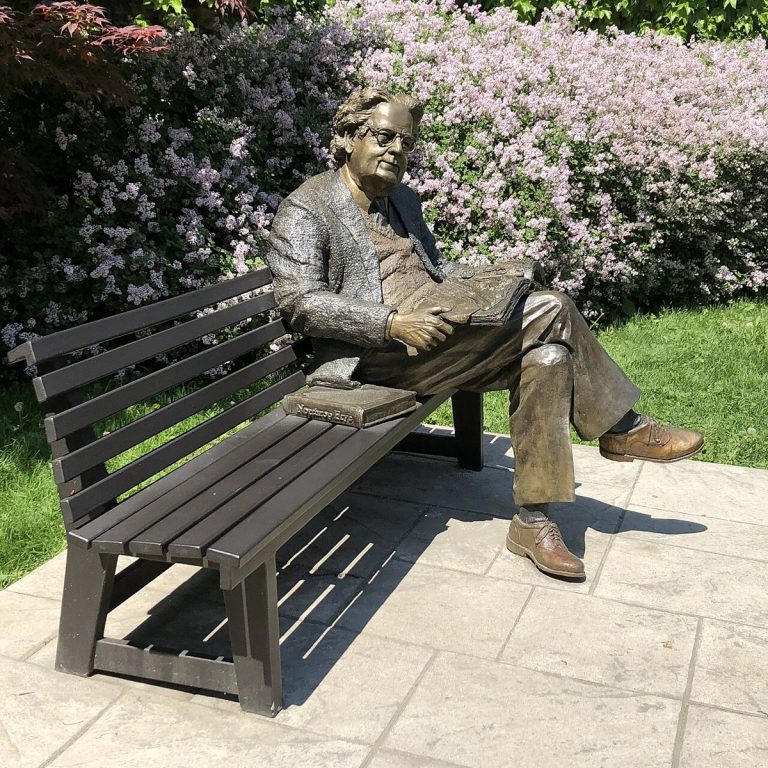
A seated statue of Northrop Frye at Victoria College, University of Toronto, photographed in 2018.
CA-K194Culture & sport

Northrop Frye, literary theorist

Northrop Frye (1912–1991), based at Victoria College, University of Toronto, from 1939 to 1991, was a pre-eminent literary theorist and critic. His systematic study of the myths and symbols underlying literature, and his work on the Bible as literature, had significant international influence, and his idea of a “garrison mentality” shaped English-Canadian literature.

Factual accuracy review: No recorded challenge

Contributor: Citizen.ca

Verified against cited sourcesVerified on 2026-10-26↗
Photo: Maksim Sokolov (maxergon.com) · Photo licence: CC BY-SA 4.0 · Credit & context