An independent Canadian knowledge project

Focused and Verified

Canadian knowledge base

Search by keyword

Choose one keyword, or combine two. Broader keywords include their descendants.

Keywords: Themes, values and contributions

Clear search
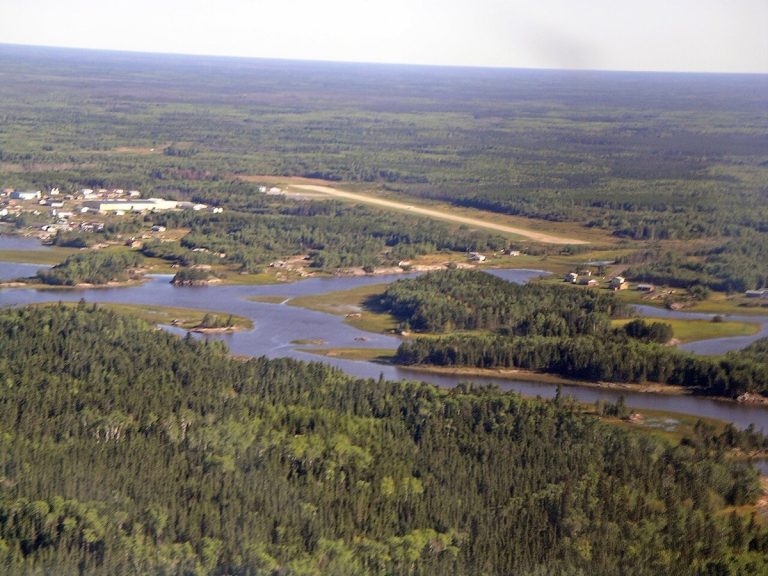
A First Nations community at Bloodvein River on Lake Winnipeg, Manitoba, in 2003; a view of the wider region, not the World Heritage property itself.
CA-K120Indigenous peoples & reconciliation

Pimachiowin Aki, “the land that gives life”

Pimachiowin Aki, Anishinaabemowin (Ojibwe) for “the land that gives life,” is a boreal forest in Manitoba and Ontario under Indigenous stewardship. Inscribed in 2018, it is Canada’s first mixed (natural and cultural) World Heritage property and testifies to the Anishinaabe tradition of Ji-ganawendamang Gidakiiminaan (Keeping the Land).

Factual accuracy review: No recorded challenge

Contributor: Citizen.ca

Verified against cited sourcesVerified on 2026-10-26↗
Photo: Timkal · Photo licence: CC BY-SA 3.0 · Credit & context
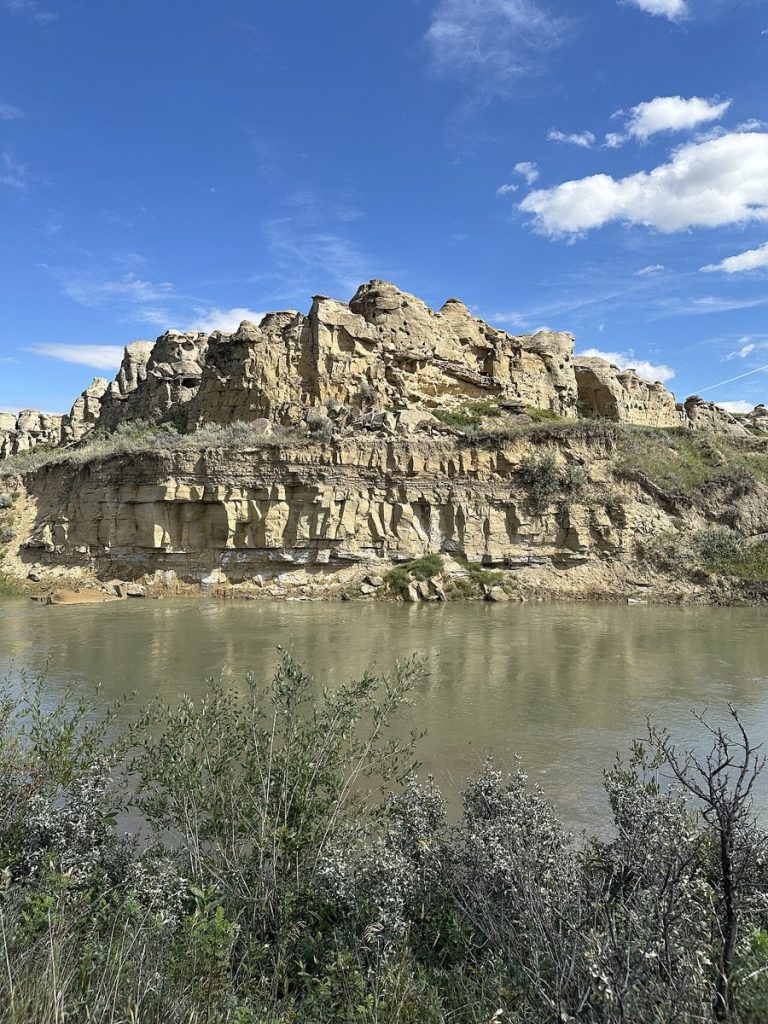
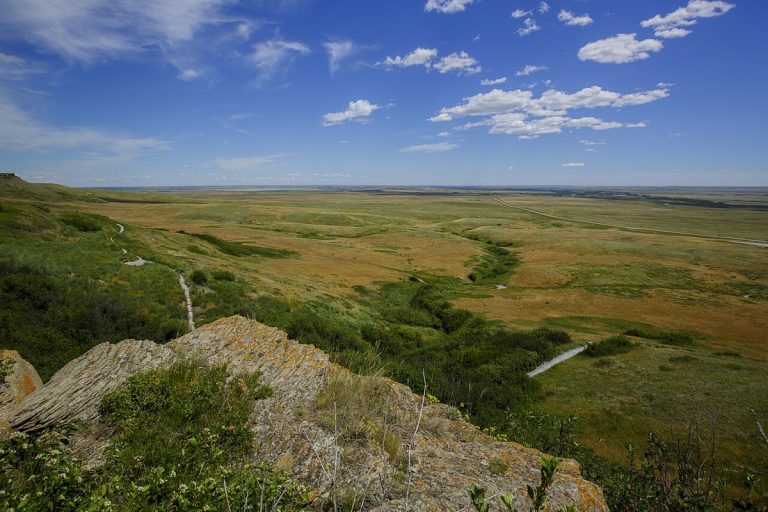
The Milk River and hoodoos at Writing-on-Stone Provincial Park, Alberta, in 2025; it does not show the rock art.
CA-K119Indigenous peoples & reconciliation

Writing-on-Stone / Áísínai’pi, a sacred Blackfoot landscape

Writing-on-Stone / Áísínai’pi, in Alberta’s Milk River Valley, is a sacred site where the Blackfoot (Siksikáítsitapi) left engravings and paintings on the sandstone walls. The landscape remains sacred to the Blackfoot and was inscribed as a UNESCO World Heritage Site in 2019.

Factual accuracy review: No recorded challenge

Contributor: Citizen.ca

Verified against cited sourcesVerified on 2026-10-26↗
Photo: Nodin Cutfeet · Photo licence: CC BY 4.0 · Credit & context
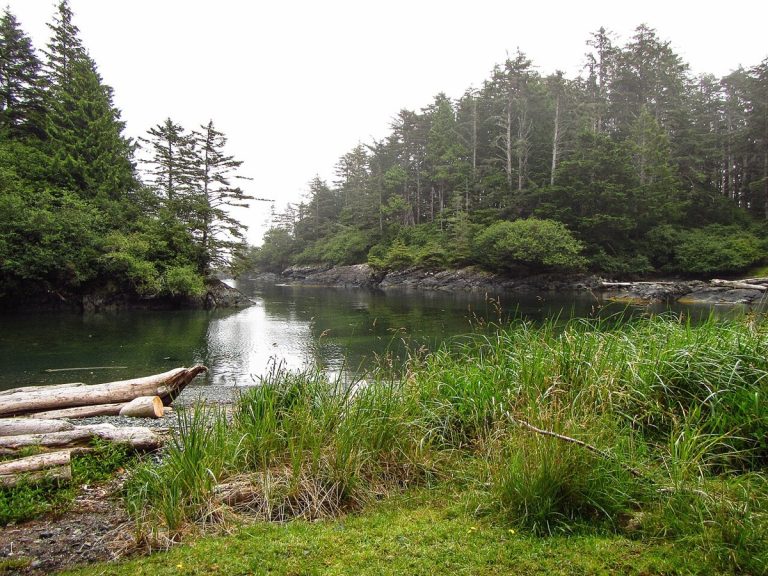
A wooded coastal view at SG̱ang Gwaay Llnagaay, photographed in 2016; the photograph does not show the village’s poles.
CA-K118Indigenous peoples & reconciliation

SG̱ang Gwaay: a Haida village and its poles

SG̱ang Gwaay Llnagaay (Nan Sdins), on an island at the southern tip of Haida Gwaii, British Columbia, bears unique testimony to Haida culture. The 19th-century village keeps the remains of 10 houses and 32 memorial or mortuary poles, and was inscribed as a UNESCO World Heritage Site in 1981.

Factual accuracy review: No recorded challenge

Contributor: Citizen.ca

Verified against cited sourcesVerified on 2026-10-26↗
Photo: Yvrsigmatech · Photo licence: Public domain · Credit & context
Head-Smashed-In Buffalo Jump World Heritage Site, Alberta, photographed in 2017.
CA-K117Indigenous peoples & reconciliation

Head-Smashed-In Buffalo Jump

Head-Smashed-In Buffalo Jump (estipah-skikikini-kots in Blackfoot), in southwestern Alberta, is the biggest, oldest and best-preserved buffalo jump in North America. Plains peoples drove bison over its cliffs for perhaps 5,700 years, until the mid-19th century; it became a UNESCO World Heritage Site in 1981.

Factual accuracy review: No recorded challenge

Contributor: Citizen.ca

Verified against cited sourcesVerified on 2026-10-26↗
Photo: Thomas Fuhrmann · Photo licence: CC BY-SA 4.0 · Credit & context
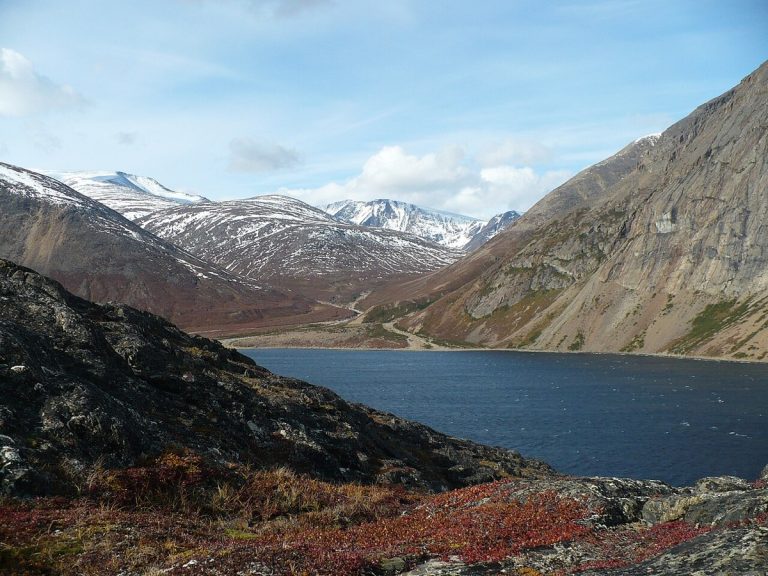
Nachvak Fjord in the Torngat Mountains, Labrador, photographed in 2008.
CA-K112Indigenous peoples & reconciliation

The Torngat Mountains, an Inuit homeland

The subarctic Torngat Mountains of northern Labrador are an Inuit homeland, rich in stories and traditions. Torngat Mountains National Park protects a landscape of glacier-carved fjords and some of Earth’s oldest rocks.

Factual accuracy review: No recorded challenge

Contributor: Citizen.ca

Verified against cited sourcesVerified on 2026-10-26↗
Photo: Paul Gierszewski · Photo licence: Public domain · Credit & context
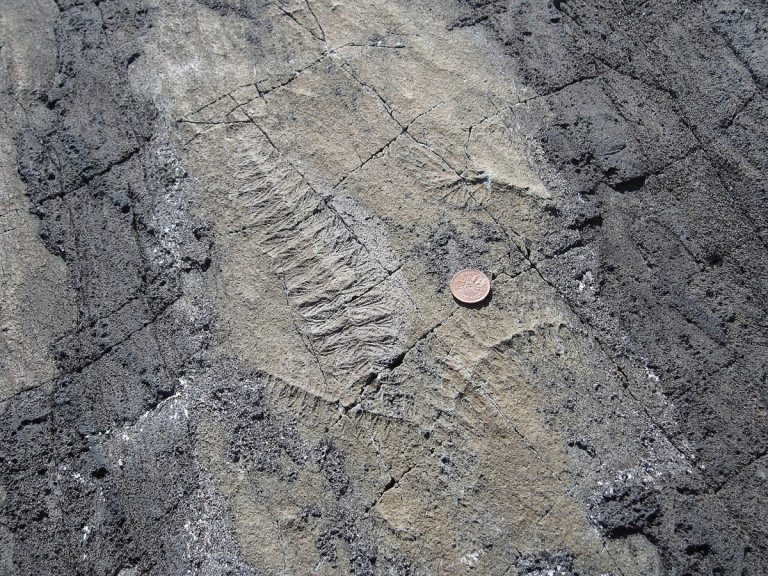
Ediacaran fossils at Mistaken Point, Newfoundland, photographed in 2009.
CA-K111Places & geography

Mistaken Point’s 560-million-year-old fossils

Mistaken Point, on the southeastern tip of Newfoundland, was inscribed as a UNESCO World Heritage Site in 2016. Its fossils, 580 to 560 million years old, include the world’s oldest-known examples of large, architecturally complex organisms.

Factual accuracy review: No recorded challenge

Contributor: Citizen.ca

Verified against cited sourcesVerified on 2026-10-26↗
Photo: Alicejmichel · Photo licence: CC BY-SA 4.0 · Credit & context
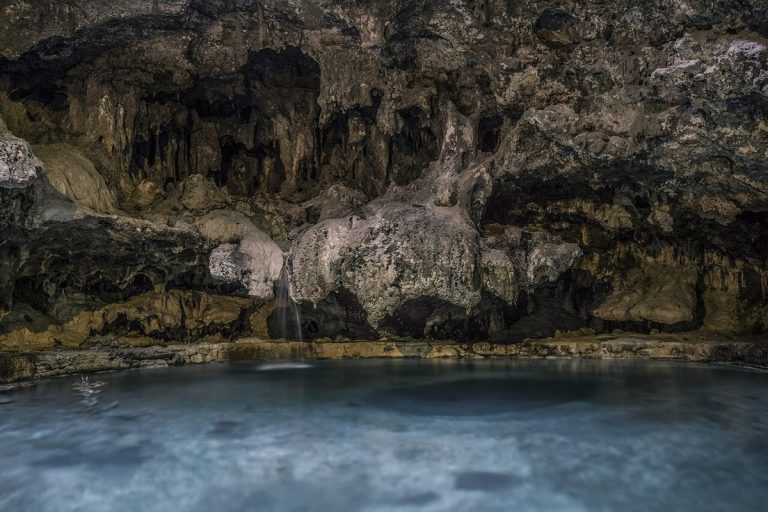
The cave pool at Cave and Basin National Historic Site, Banff, photographed in 2017.
CA-K109Places & geography

The Cave and Basin and Canada’s first national park

In 1885, the government created a 26 km² Hot Springs Reserve around the Cave and Basin hot springs in Banff. On 23 June 1887, the reserve was expanded to 665 km² and became Rocky Mountains National Park, the first national park in Canada.

Factual accuracy review: No recorded challenge

Contributor: Citizen.ca

Verified against cited sourcesVerified on 2026-10-26↗
Photo: Sovernigo · Photo licence: CC BY-SA 4.0 · Credit & context
An Elections Canada polling station sign in Toronto during the 2025 federal election.
CA-K108Institutions

Elections Canada, an independent agency of Parliament

Elections Canada is an independent, non-partisan agency of Parliament, headed by the Chief Electoral Officer. The position of Chief Electoral Officer was created in 1920 by the Dominion Elections Act, largely to end political partisanship in the administration of federal elections.

Factual accuracy review: No recorded challenge

Contributor: Citizen.ca

Verified against cited sourcesVerified on 2026-10-26↗
Photo: Can Pac Swire · Photo licence: CC BY-SA 2.0 · Credit & context
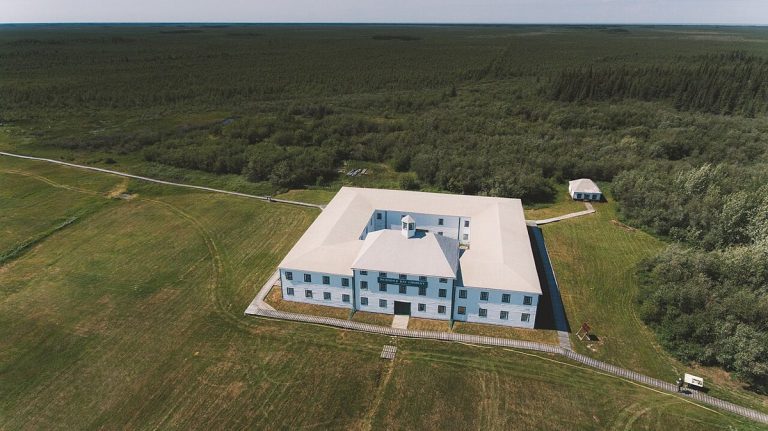
York Factory, Manitoba, photographed in 2017.
CA-K105Economy & trade

York Factory, a fur trade hub for over 250 years

York Factory, a Hudson’s Bay Company depot on Hudson Bay in Manitoba, was a vital fur trade hub for more than 250 years. It served as the gateway to the vast interior for British trade goods, settlers and soldiers, and lies on Treaty 5 territory.

Factual accuracy review: No recorded challenge

Contributor: Citizen.ca

Verified against cited sourcesVerified on 2026-10-26↗
Photo: Travel Manitoba · Photo licence: CC BY 2.0 · Credit & context
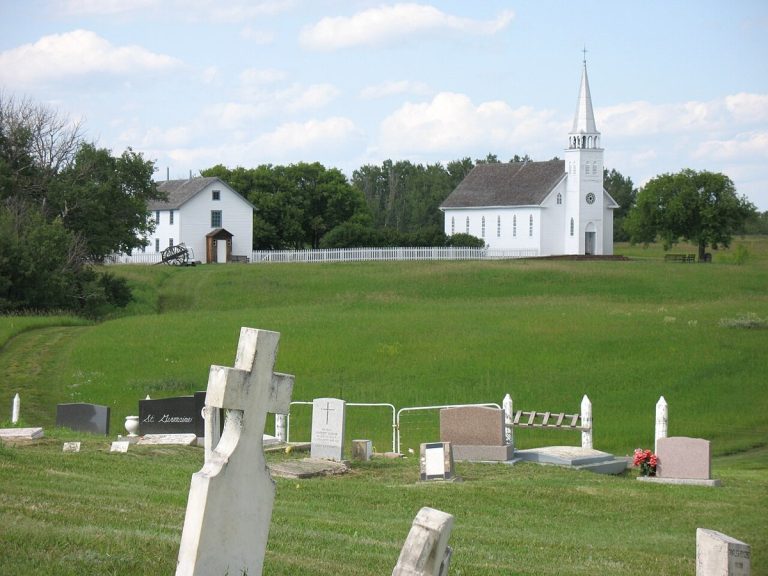
The church and rectory at Batoche National Historic Site, Saskatchewan, viewed from the cemetery in 2007.
CA-K104Indigenous peoples & reconciliation

Batoche and the Northwest Resistance of 1885

Batoche, a Métis settlement on the South Saskatchewan River north of Saskatoon, was the scene of Louis Riel and Gabriel Dumont’s last stand during the Northwest Resistance of 1885. Parks Canada describes it as a symbol of Métis resilience and cultural renewal.

Factual accuracy review: No recorded challenge

Contributor: Citizen.ca

Verified against cited sourcesVerified on 2026-10-26↗
Photo: Dave Bonser · Photo licence: CC BY-SA 3.0 · Credit & context
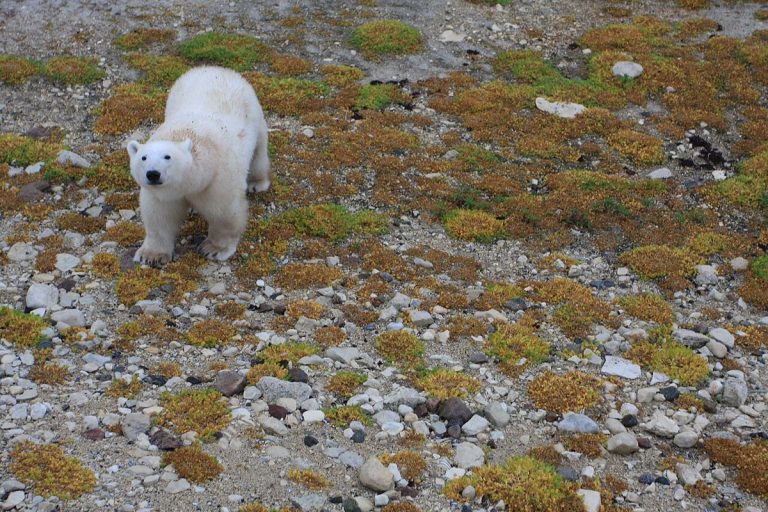
A polar bear near Churchill, Manitoba, in 2014; the animal on the coin’s reverse, not a photograph of the coin.
CA-K099Economy & trade

The two-dollar note became the toonie in 1996

In 1996, Canada’s two-dollar paper note was replaced by a coin as a cost-saving measure: a two-dollar note lasted about a year, while coins can last more than 10 years. The coin, known as the toonie, has carried a polar bear by nature artist Brent Townsend since 1996.

Factual accuracy review: No recorded challenge

Contributor: Citizen.ca

Verified against cited sourcesVerified on 2026-10-26↗
Photo: TravelingOtter from Houston, Texas, USA · Photo licence: CC BY 2.0 · Credit & context
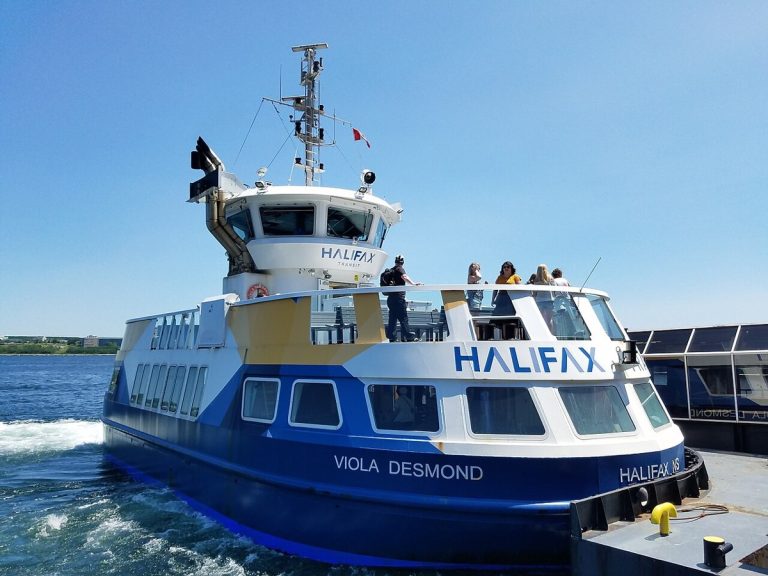
The Halifax harbour ferry named Viola Desmond, photographed in 2019; it does not show Desmond or the bank note.
CA-K098History

Viola Desmond and the vertical $10 note

In 1946, Viola Desmond, a successful Nova Scotia businesswoman, refused to leave a whites-only area of a movie theatre; her court case inspired the pursuit of racial equality across Canada. In 2018 she appeared on Canada’s first vertical bank note, the $10 note.

Factual accuracy review: No recorded challenge

Contributor: Citizen.ca

Verified against cited sourcesVerified on 2026-10-26↗
Photo: Colin Stepney · Photo licence: CC BY-SA 4.0 · Credit & context
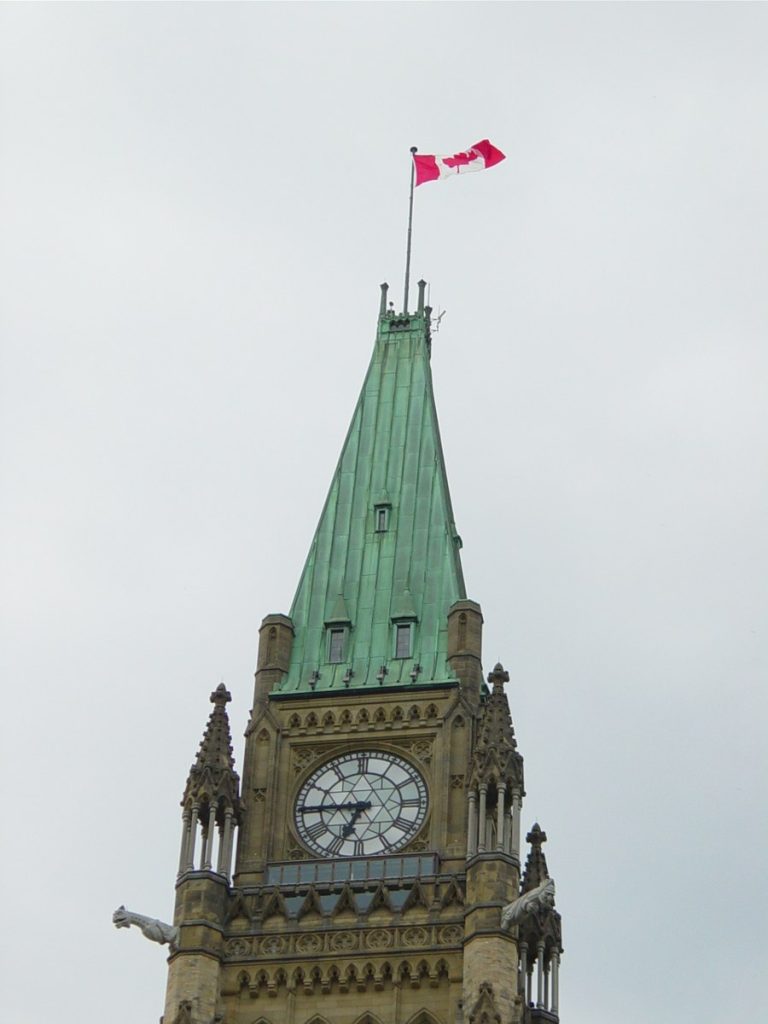
The national flag flying above the Peace Tower, Ottawa, in 2003.
CA-K096Symbols

Red and white: national colours by common use

It was long believed that King George V’s 1921 proclamation of Canada’s coat of arms designated red and white as the national colours, but the proclamation contains no such declaration. Canadian Heritage notes that red and white are not set in law as national colours but have become part of national identity through common use.

Factual accuracy review: No recorded challenge

Contributor: Citizen.ca

Verified against cited sourcesVerified on 2026-10-26↗
Photo: Sikander Iqbal · Photo licence: CC BY-SA 4.0 · Credit & context
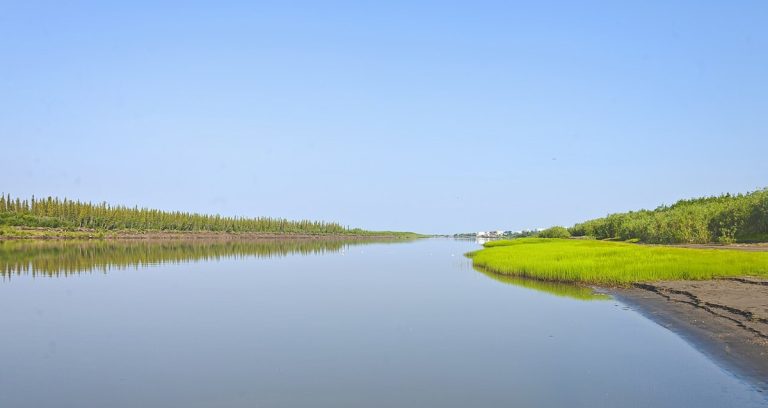
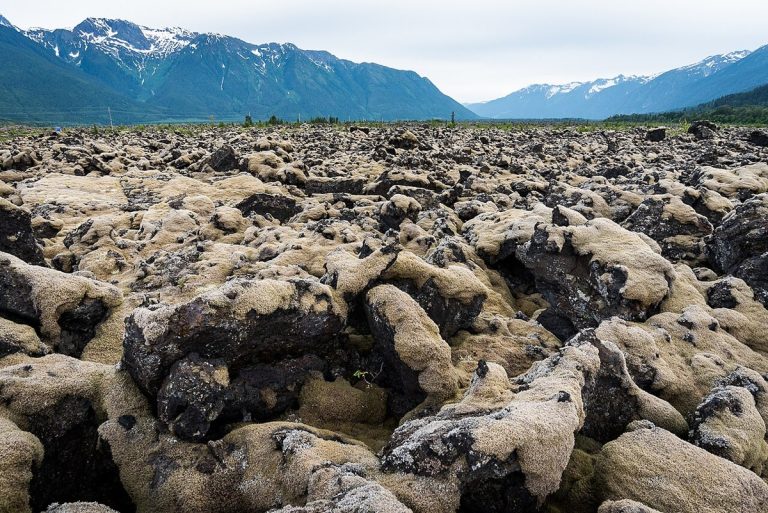
Lava beds in the Nass Valley, British Columbia, photographed in 2017; a landscape in the region, not a depiction of the treaty.
CA-K095Indigenous peoples & reconciliation

The Nisg̱a’a Treaty took effect on 11 May 2000

The Nisg̱a’a Treaty, British Columbia’s first modern treaty, took effect on 11 May 2000. It recognizes about 2,000 square kilometres of Nisg̱a’a Lands and was the first treaty in British Columbia to provide constitutional certainty for self-government.

Factual accuracy review: No recorded challenge

Contributor: Citizen.ca

Verified against cited sourcesVerified on 2026-10-26↗
Photo: Darren Kirby · Photo licence: CC BY-SA 2.0 · Credit & context
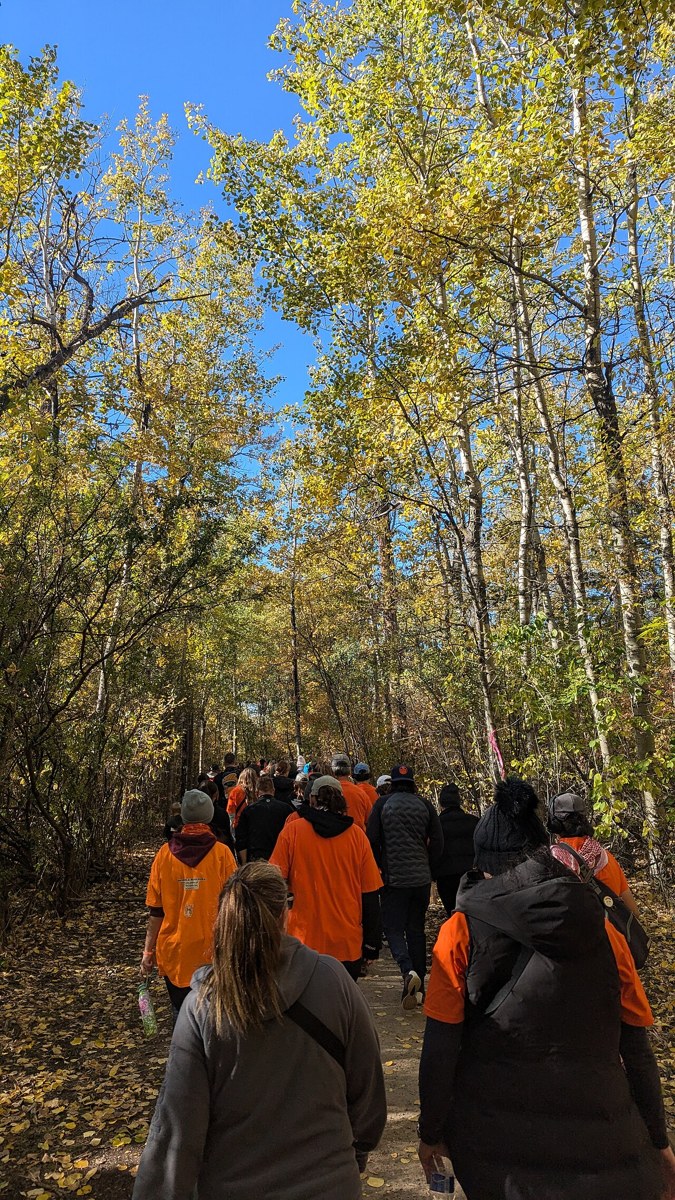
An Orange Shirt Day walk in Edmonton, Alberta, on 30 September 2024.
CA-K094Indigenous peoples & reconciliation

National Day for Truth and Reconciliation: 30 September

The National Day for Truth and Reconciliation is observed each year on 30 September, honouring Residential School Survivors, their families and communities. It became a federal statutory holiday through Bill C-5, which received royal assent on 3 June 2021; Orange Shirt Day, which began in Williams Lake, British Columbia, in 2013, is observed the same day.

Factual accuracy review: No recorded challenge

Contributor: Citizen.ca

Verified against cited sourcesVerified on 2026-10-26↗
Photo: Joli Rumi · Photo licence: CC BY-SA 4.0 · Credit & context
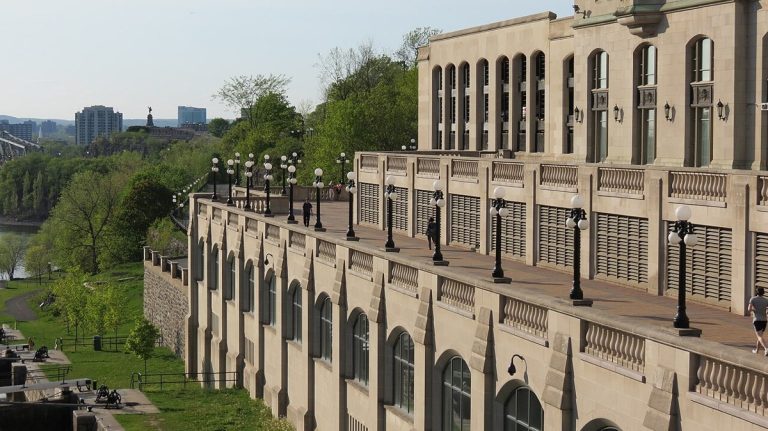
The Rideau Canal locks in Ottawa, photographed in 2012.
CA-K092History

The Rideau Canal still runs on its original route

The Rideau Canal is North America’s best-preserved slackwater canal and the only one from the great 19th-century canal-building era that still operates along its original route with most of its original structures intact. It is a UNESCO World Heritage Site.

Factual accuracy review: No recorded challenge

Contributor: Citizen.ca

Verified against cited sourcesVerified on 2026-10-26↗
Photo: Robert Linsdell from St. Andrews, Canada · Photo licence: CC BY 2.0 · Credit & context