An independent Canadian knowledge project

Focused and Verified

Canadian knowledge base

Search by keyword

Choose one keyword, or combine two. Broader keywords include their descendants.

Keywords: Record types

Clear search
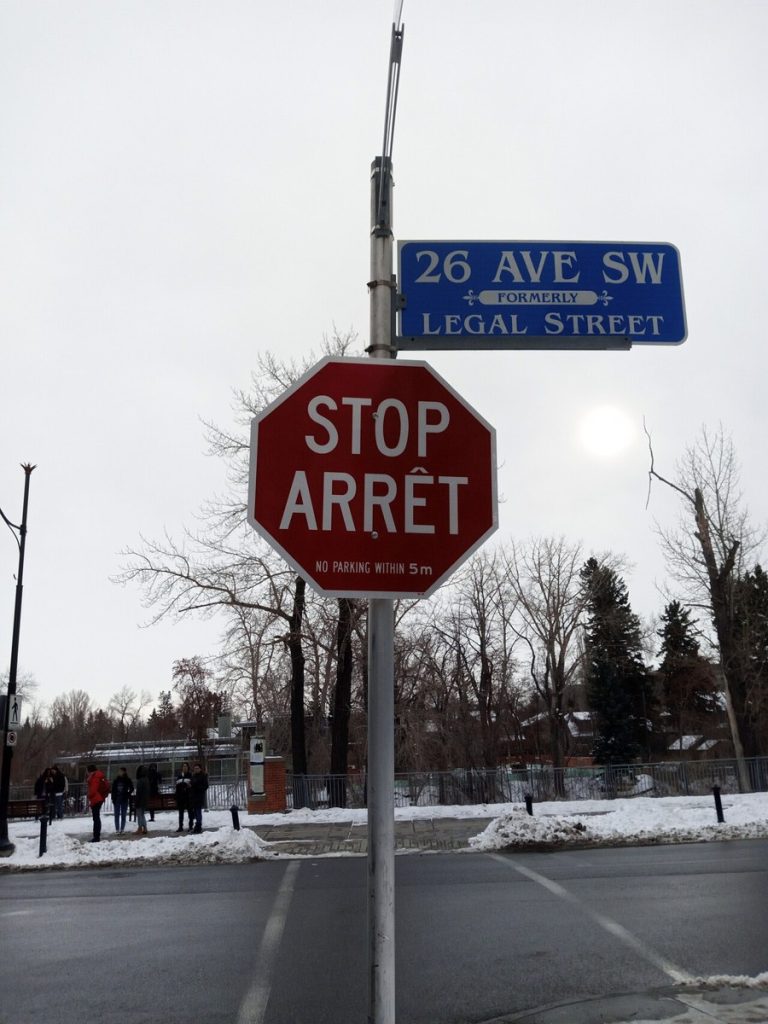
A bilingual STOP/ARRÊT sign in Rouleauville, photographed in 2020.
CA-K126Language & names

18% of Canadians are English–French bilingual

In the 2021 Census, 18.0% of Canadians could speak both English and French; in Quebec, the rate was 46.4%. English is a minority language in Quebec, while French is a minority language in the other provinces and territories and in Canada as a whole.

Factual accuracy review: No recorded challenge

Contributor: Citizen.ca

Verified against cited sourcesVerified on 2026-10-26↗
Photo: WCL20 Lycée Louis Pasteur Justemila · Photo licence: CC BY-SA 4.0 · Credit & context
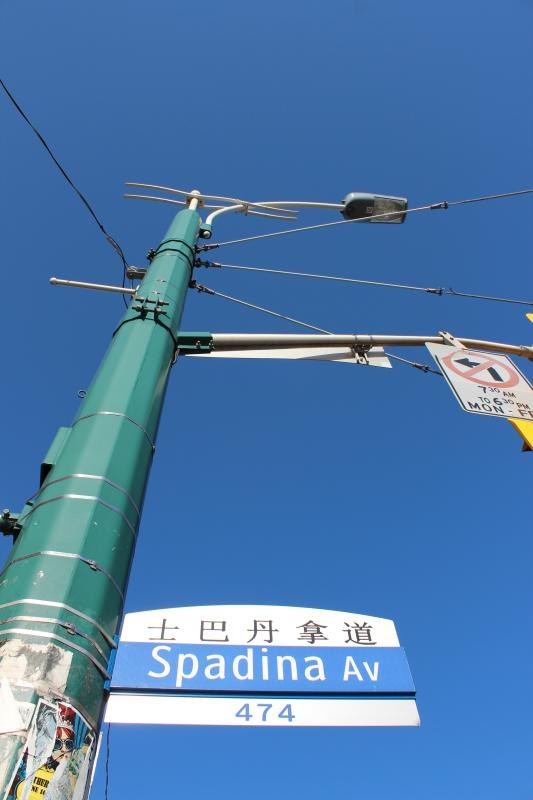
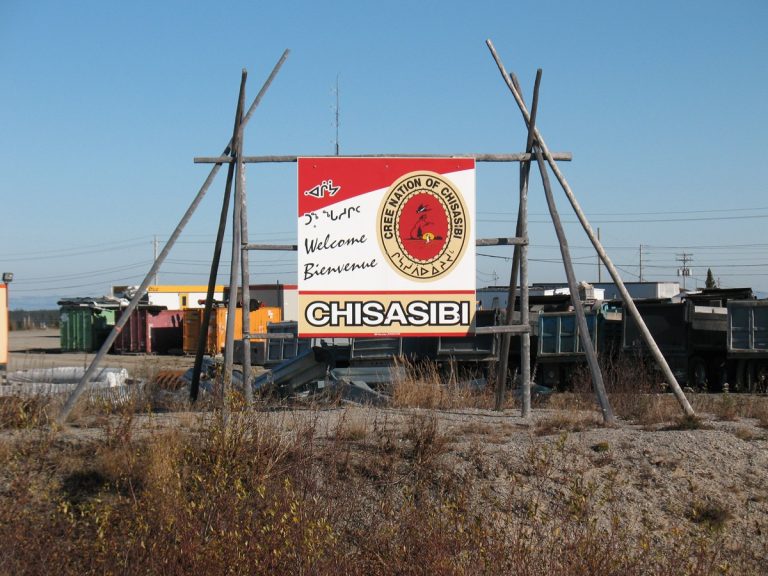
A Toronto street sign with an added Chinese translation, photographed in 2011.
CA-K125Language & names

One in four Canadians has a mother tongue other than English or French

In the 2021 Census, one in four Canadians had at least one mother tongue other than English or French, and one in eight spoke mainly another language at home, both the highest proportions on record. That year, 41.2% of Canadians could hold a conversation in more than one language.

Factual accuracy review: No recorded challenge

Contributor: Citizen.ca

Verified against cited sourcesVerified on 2026-10-26↗
Photo: Steve Harris from Toronto, Canada · Photo licence: CC BY 2.0 · Credit & context
A beaded Métis sash and a ceinture fléchée (woven sash) on display at a museum in Sault Ste. Marie, Ontario, in 2024.
CA-K123Indigenous peoples & reconciliation

The Métis Nation emerged in the historic Northwest

The Métis Nation emerged in the historic Northwest during the fur trade as a distinct Indigenous people with its own culture, traditions, language (Michif) and nationhood. The Métis Nation Homeland includes Manitoba, Saskatchewan and Alberta and parts of Ontario, British Columbia, the Northwest Territories and the northern United States.

Factual accuracy review: No recorded challenge

Contributor: Citizen.ca

Verified against cited sourcesVerified on 2026-10-26↗
Photo: Fungus Guy · Photo licence: CC BY 4.0 · Credit & context
The entrance to the underground Robert-Bourassa generating station, part of the James Bay hydroelectric development, in 2000.
CA-K122Indigenous peoples & reconciliation

The James Bay and Northern Quebec Agreement, 1975

The James Bay and Northern Quebec Agreement was signed on 11 November 1975 by the Cree Nation of Eeyou Istchee, the Inuit of Nunavik, Canada, Quebec and Hydro-Québec, after Cree and Inuit court challenges to the James Bay hydroelectric project. The Cree Nation Government describes it as the first modern Indigenous land claim agreement and treaty in Canada.

Factual accuracy review: No recorded challenge

Contributor: Citizen.ca

Verified against cited sourcesVerified on 2026-10-26↗
Photo: Peter Van den Bossche · Photo licence: CC BY-SA 2.0 · Credit & context
Natan Obed, president of Inuit Tapiriit Kanatami, in 2016.
CA-K121Indigenous peoples & reconciliation

Inuit Tapiriit Kanatami was founded in 1971

Inuit Tapiriit Kanatami, the national Inuit organization formerly called the Inuit Tapirisat of Canada, was founded in February 1971 by seven Inuit community leaders. It grew out of shared concern about land and resource ownership in Inuit Nunangat.

Factual accuracy review: No recorded challenge

Contributor: Citizen.ca

Verified against cited sourcesVerified on 2026-10-26↗
Photo: U.S. Department of the Interior · Photo licence: CC BY-SA 2.0 · Credit & context
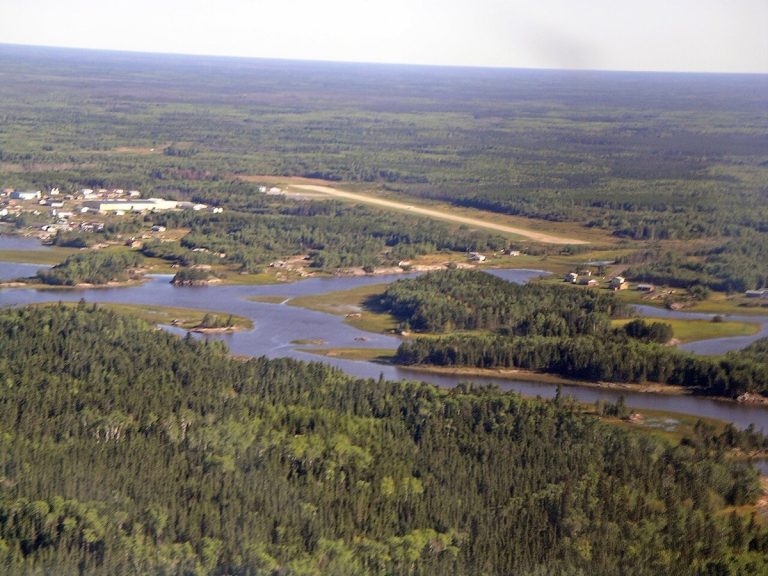
A First Nations community at Bloodvein River on Lake Winnipeg, Manitoba, in 2003; a view of the wider region, not the World Heritage property itself.
CA-K120Indigenous peoples & reconciliation

Pimachiowin Aki, “the land that gives life”

Pimachiowin Aki, Anishinaabemowin (Ojibwe) for “the land that gives life,” is a boreal forest in Manitoba and Ontario under Indigenous stewardship. Inscribed in 2018, it is Canada’s first mixed (natural and cultural) World Heritage property and testifies to the Anishinaabe tradition of Ji-ganawendamang Gidakiiminaan (Keeping the Land).

Factual accuracy review: No recorded challenge

Contributor: Citizen.ca

Verified against cited sourcesVerified on 2026-10-26↗
Photo: Timkal · Photo licence: CC BY-SA 3.0 · Credit & context
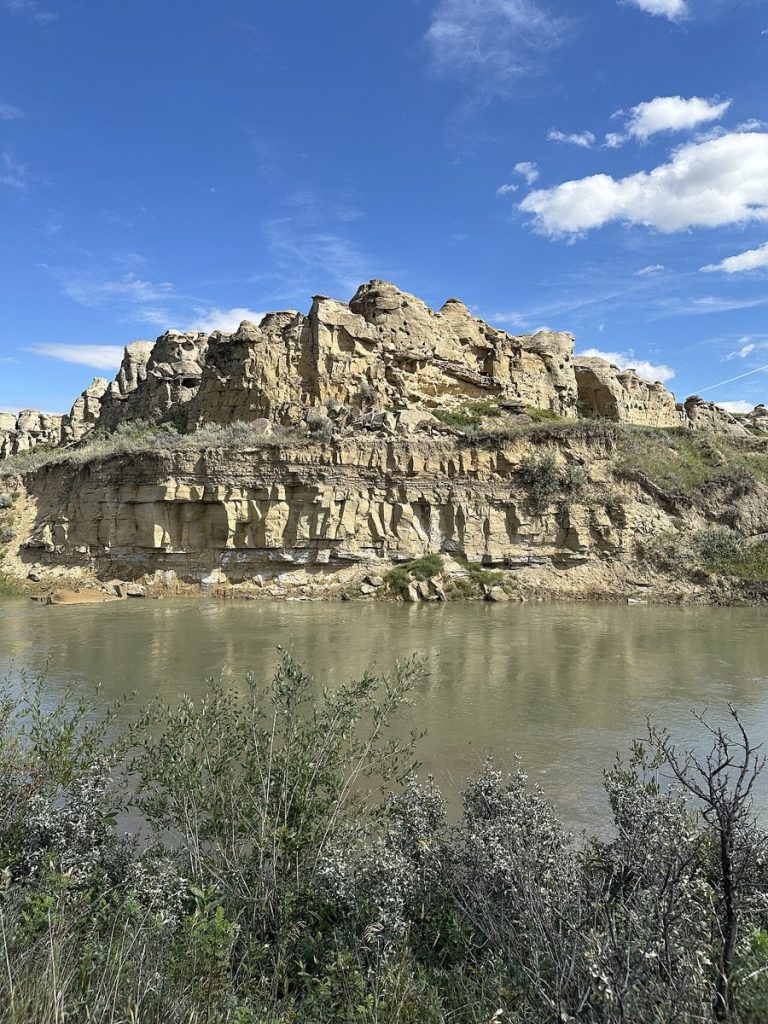
The Milk River and hoodoos at Writing-on-Stone Provincial Park, Alberta, in 2025; it does not show the rock art.
CA-K119Indigenous peoples & reconciliation

Writing-on-Stone / Áísínai’pi, a sacred Blackfoot landscape

Writing-on-Stone / Áísínai’pi, in Alberta’s Milk River Valley, is a sacred site where the Blackfoot (Siksikáítsitapi) left engravings and paintings on the sandstone walls. The landscape remains sacred to the Blackfoot and was inscribed as a UNESCO World Heritage Site in 2019.

Factual accuracy review: No recorded challenge

Contributor: Citizen.ca

Verified against cited sourcesVerified on 2026-10-26↗
Photo: Nodin Cutfeet · Photo licence: CC BY 4.0 · Credit & context
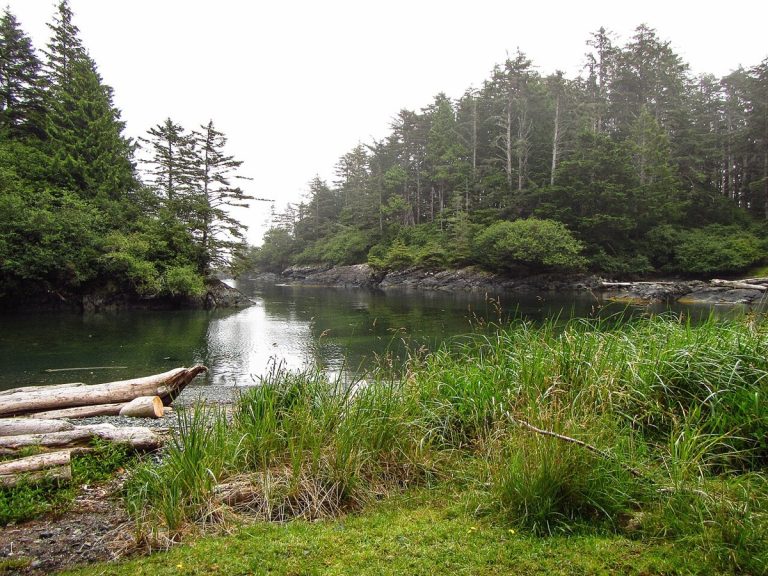
A wooded coastal view at SG̱ang Gwaay Llnagaay, photographed in 2016; the photograph does not show the village’s poles.
CA-K118Indigenous peoples & reconciliation

SG̱ang Gwaay: a Haida village and its poles

SG̱ang Gwaay Llnagaay (Nan Sdins), on an island at the southern tip of Haida Gwaii, British Columbia, bears unique testimony to Haida culture. The 19th-century village keeps the remains of 10 houses and 32 memorial or mortuary poles, and was inscribed as a UNESCO World Heritage Site in 1981.

Factual accuracy review: No recorded challenge

Contributor: Citizen.ca

Verified against cited sourcesVerified on 2026-10-26↗
Photo: Yvrsigmatech · Photo licence: Public domain · Credit & context
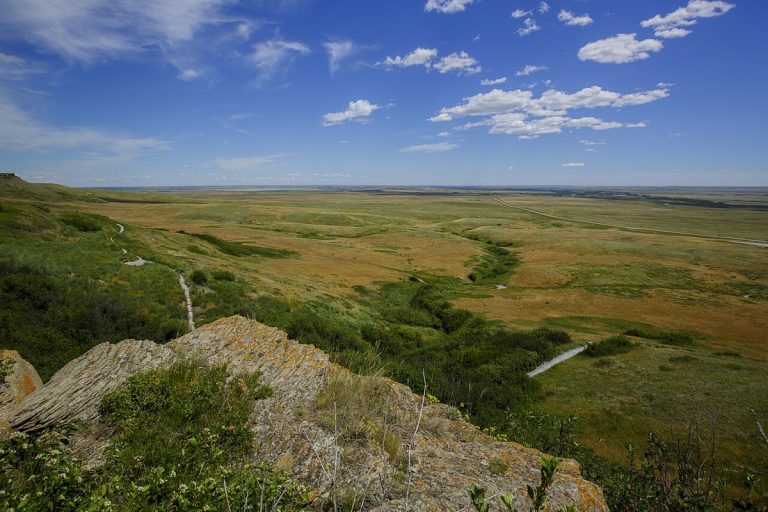
Head-Smashed-In Buffalo Jump World Heritage Site, Alberta, photographed in 2017.
CA-K117Indigenous peoples & reconciliation

Head-Smashed-In Buffalo Jump

Head-Smashed-In Buffalo Jump (estipah-skikikini-kots in Blackfoot), in southwestern Alberta, is the biggest, oldest and best-preserved buffalo jump in North America. Plains peoples drove bison over its cliffs for perhaps 5,700 years, until the mid-19th century; it became a UNESCO World Heritage Site in 1981.

Factual accuracy review: No recorded challenge

Contributor: Citizen.ca

Verified against cited sourcesVerified on 2026-10-26↗
Photo: Thomas Fuhrmann · Photo licence: CC BY-SA 4.0 · Credit & context
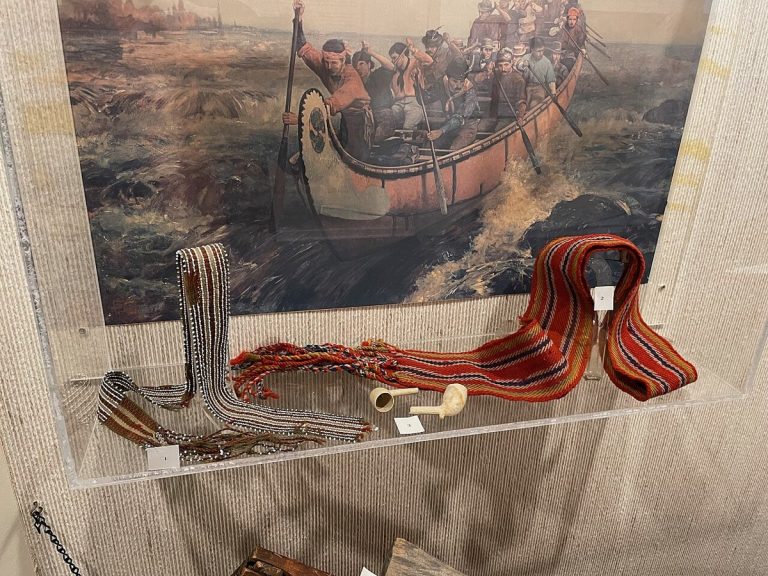
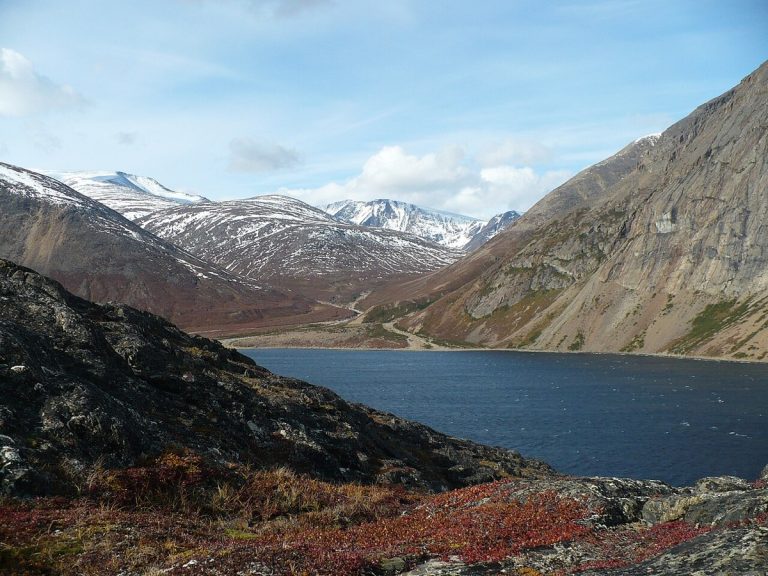
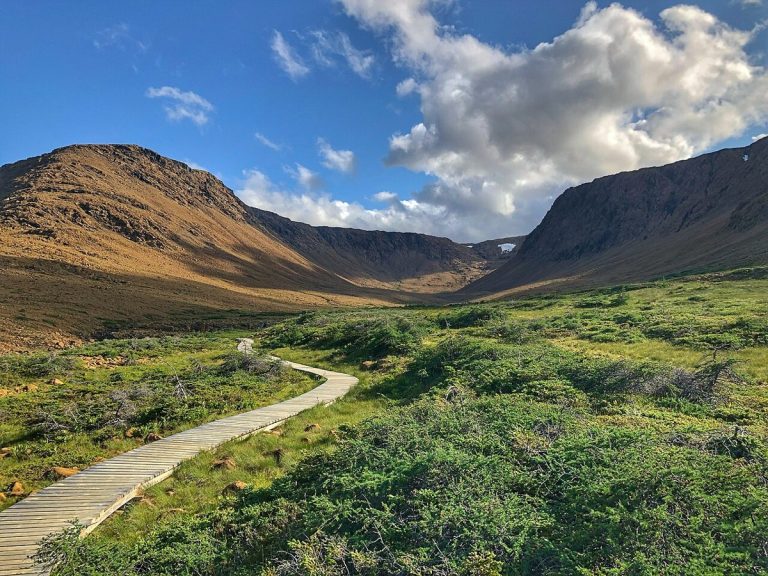
Nachvak Fjord in the Torngat Mountains, Labrador, photographed in 2008.
CA-K112Indigenous peoples & reconciliation

The Torngat Mountains, an Inuit homeland

The subarctic Torngat Mountains of northern Labrador are an Inuit homeland, rich in stories and traditions. Torngat Mountains National Park protects a landscape of glacier-carved fjords and some of Earth’s oldest rocks.

Factual accuracy review: No recorded challenge

Contributor: Citizen.ca

Verified against cited sourcesVerified on 2026-10-26↗
Photo: Paul Gierszewski · Photo licence: Public domain · Credit & context
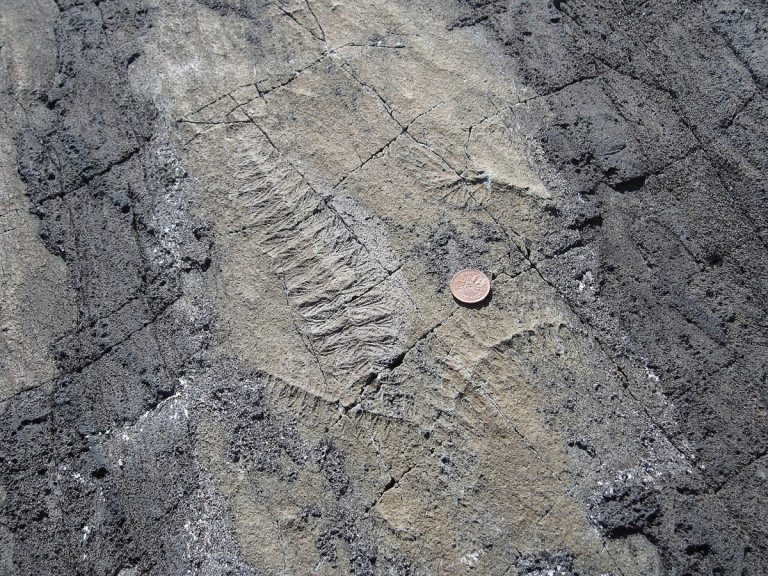
Ediacaran fossils at Mistaken Point, Newfoundland, photographed in 2009.
CA-K111Places & geography

Mistaken Point’s 560-million-year-old fossils

Mistaken Point, on the southeastern tip of Newfoundland, was inscribed as a UNESCO World Heritage Site in 2016. Its fossils, 580 to 560 million years old, include the world’s oldest-known examples of large, architecturally complex organisms.

Factual accuracy review: No recorded challenge

Contributor: Citizen.ca

Verified against cited sourcesVerified on 2026-10-26↗
Photo: Alicejmichel · Photo licence: CC BY-SA 4.0 · Credit & context
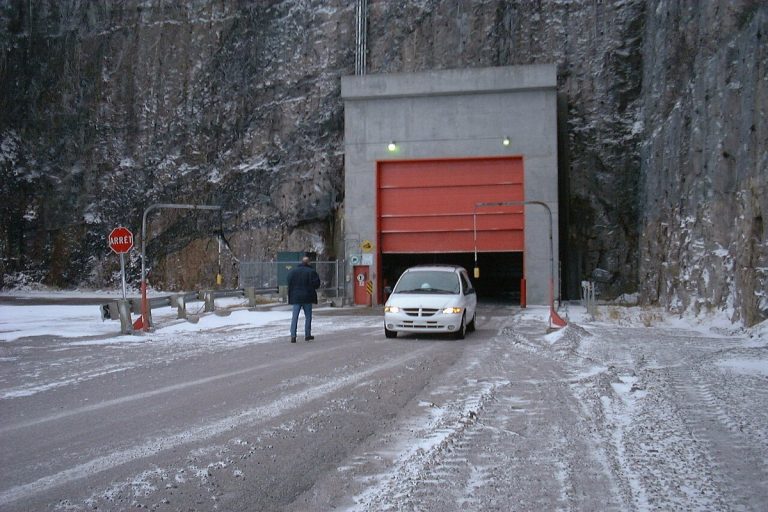
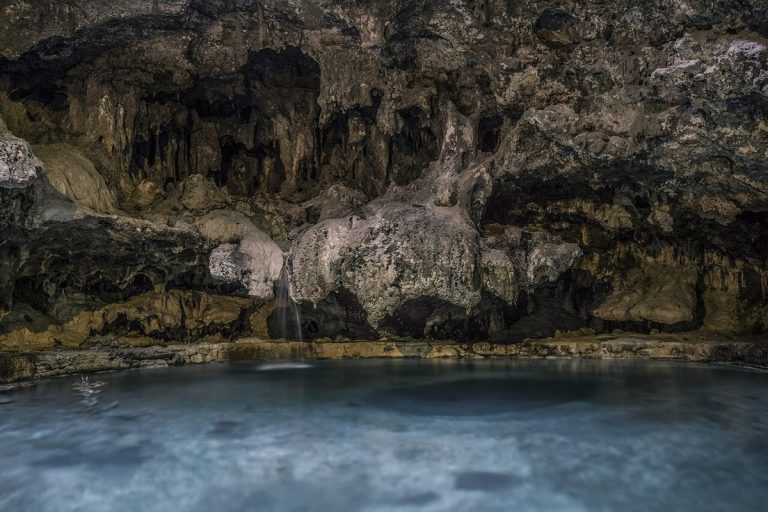
The cave pool at Cave and Basin National Historic Site, Banff, photographed in 2017.
CA-K109Places & geography

The Cave and Basin and Canada’s first national park

In 1885, the government created a 26 km² Hot Springs Reserve around the Cave and Basin hot springs in Banff. On 23 June 1887, the reserve was expanded to 665 km² and became Rocky Mountains National Park, the first national park in Canada.

Factual accuracy review: No recorded challenge

Contributor: Citizen.ca

Verified against cited sourcesVerified on 2026-10-26↗
Photo: Sovernigo · Photo licence: CC BY-SA 4.0 · Credit & context

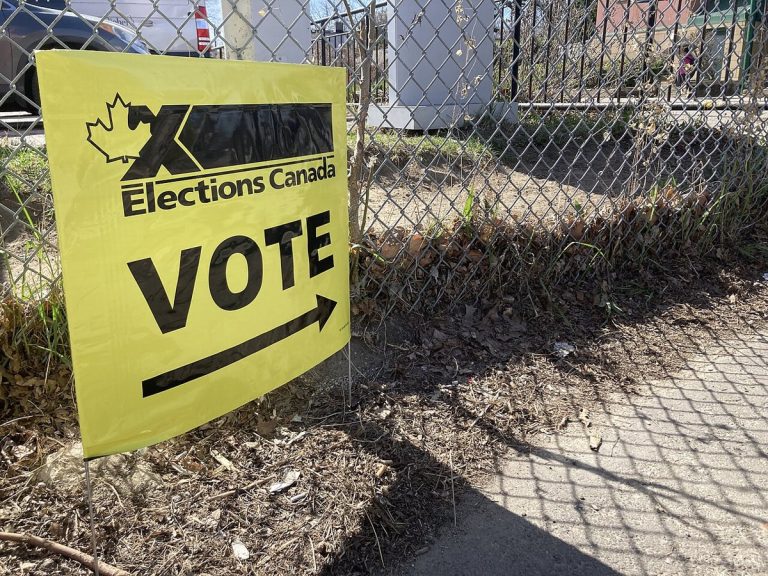
An Elections Canada polling station sign in Toronto during the 2025 federal election.
CA-K108Institutions

Elections Canada, an independent agency of Parliament

Elections Canada is an independent, non-partisan agency of Parliament, headed by the Chief Electoral Officer. The position of Chief Electoral Officer was created in 1920 by the Dominion Elections Act, largely to end political partisanship in the administration of federal elections.

Factual accuracy review: No recorded challenge

Contributor: Citizen.ca

Verified against cited sourcesVerified on 2026-10-26↗
Photo: Can Pac Swire · Photo licence: CC BY-SA 2.0 · Credit & context
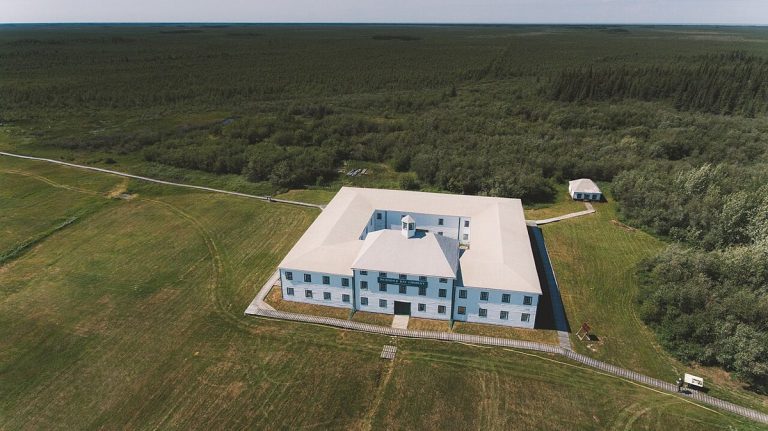
York Factory, Manitoba, photographed in 2017.
CA-K105Economy & trade

York Factory, a fur trade hub for over 250 years

York Factory, a Hudson’s Bay Company depot on Hudson Bay in Manitoba, was a vital fur trade hub for more than 250 years. It served as the gateway to the vast interior for British trade goods, settlers and soldiers, and lies on Treaty 5 territory.

Factual accuracy review: No recorded challenge

Contributor: Citizen.ca

Verified against cited sourcesVerified on 2026-10-26↗
Photo: Travel Manitoba · Photo licence: CC BY 2.0 · Credit & context
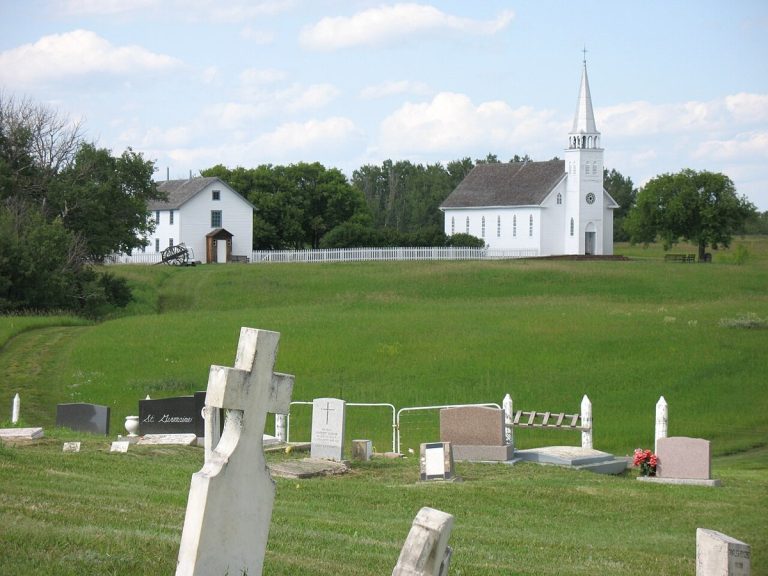
The church and rectory at Batoche National Historic Site, Saskatchewan, viewed from the cemetery in 2007.
CA-K104Indigenous peoples & reconciliation

Batoche and the Northwest Resistance of 1885

Batoche, a Métis settlement on the South Saskatchewan River north of Saskatoon, was the scene of Louis Riel and Gabriel Dumont’s last stand during the Northwest Resistance of 1885. Parks Canada describes it as a symbol of Métis resilience and cultural renewal.

Factual accuracy review: No recorded challenge

Contributor: Citizen.ca

Verified against cited sourcesVerified on 2026-10-26↗
Photo: Dave Bonser · Photo licence: CC BY-SA 3.0 · Credit & context