An independent Canadian knowledge project

Focused and Verified

Canadian knowledge base

Search by keyword

Choose one keyword, or combine two. Broader keywords include their descendants.

Keywords: Organizations and institutions

Clear search
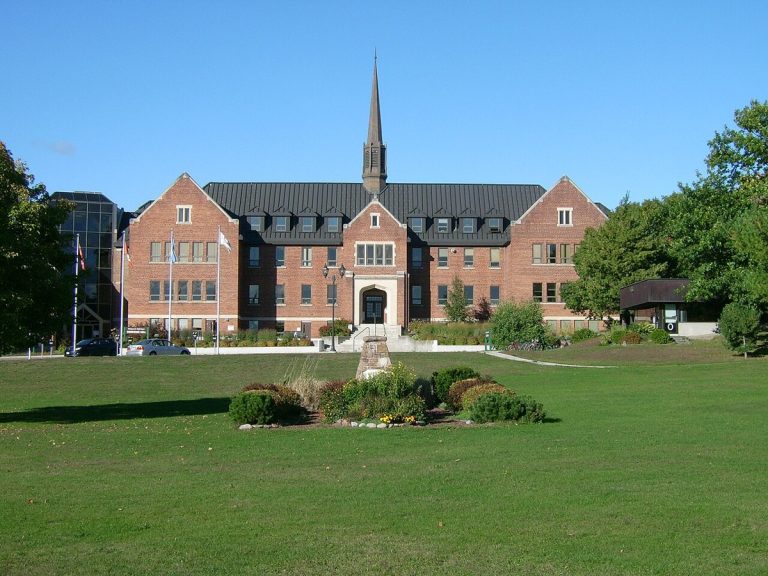
Shingwauk Hall, the former school’s main building, now part of Algoma University in Sault Ste. Marie, photographed in 2012.
CA-K328Indigenous peoples & reconciliation

The former Shingwauk Indian Residential School

The Shingwauk Indian Residential School in Sault Ste. Marie, Ontario, opened by the Anglican Church in 1875 and closed in 1970, was part of the residential school system that sought to assimilate Indigenous children by separating them from their families, cultures and languages. Named for Chief Shingwaukonse, whose vision of education was lost, it was a Shingwauk school “in name only”; its main building, Shingwauk Hall, is one of the few remaining residential school buildings in Canada.

Factual accuracy review: No recorded challenge

Contributor: Citizen.ca

Verified against cited sourcesVerified on 2026-10-26↗
Photo: Fungus Guy · Photo licence: CC BY-SA 3.0 · Credit & context
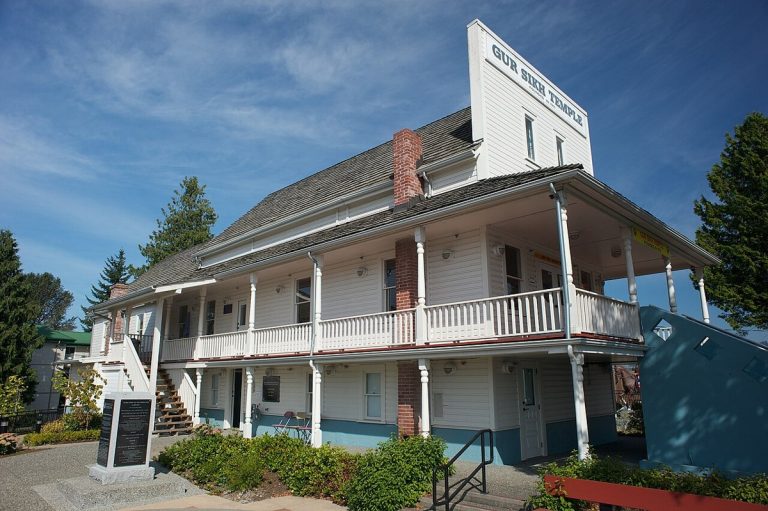
The Gur Sikh Temple (Abbotsford Sikh Temple), British Columbia, photographed in 2012.
CA-K314History

The Abbotsford Sikh Temple, 1911

The Abbotsford Sikh Temple in British Columbia, built in 1911 and used continuously since, is the oldest surviving example of the temples that played a crucial religious, social and political role in the pioneer phase of Sikh immigration to North America. Its simple false-front wooden building adapts Sikh traditions to a Canadian architectural form.

Factual accuracy review: No recorded challenge

Contributor: Citizen.ca

Verified against cited sourcesVerified on 2026-10-26↗
Photo: Jacobsimmonds · Photo licence: CC BY-SA 3.0 · Credit & context
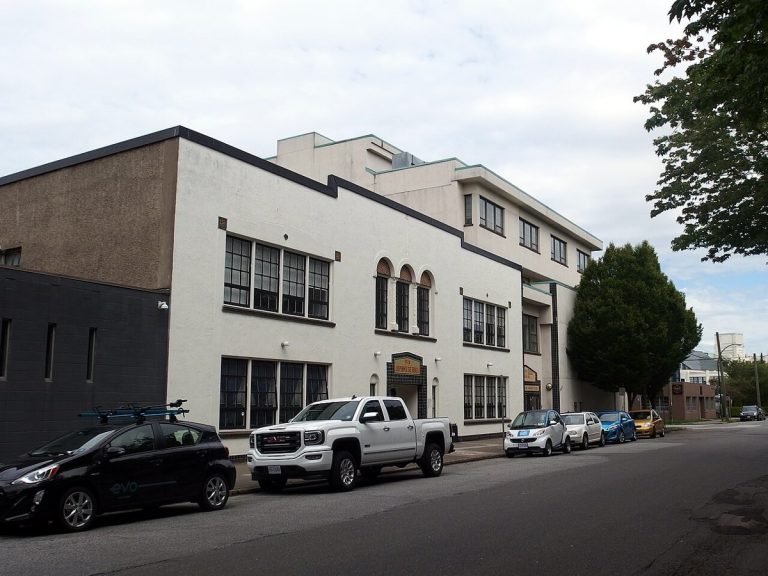
The Vancouver Japanese Language School and Hall on Alexander Street, Vancouver, photographed in 2016.
CA-K313Language & names

The Vancouver Japanese Language School

The Vancouver Japanese Language School, in the city’s Japantown, was the first and largest Japanese language school in Canada, and its 1928 Art Deco building is a rare surviving interwar language school. Of the thousands of properties the federal government confiscated from Japanese Canadians during the Second World War, it is one of very few known buildings returned to its owners after internment.

Factual accuracy review: No recorded challenge

Contributor: Citizen.ca

Verified against cited sourcesVerified on 2026-10-26↗
Photo: Cordovanorth · Photo licence: CC BY-SA 4.0 · Credit & context
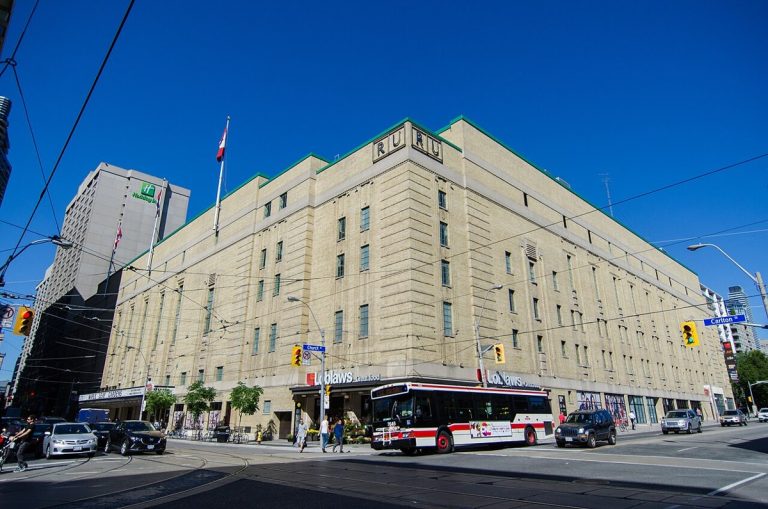
Maple Leaf Gardens at Church and Carlton streets, Toronto, photographed in 2016.
CA-K269Culture & sport

The Toronto Maple Leafs, an original NHL club

The Toronto Maple Leafs trace their origins to one of the first National Hockey League teams, formed in 1917; co-owner Conn Smythe renamed the St. Patricks the Maple Leafs in 1927 and built Maple Leaf Gardens during the Depression. Foster Hewitt’s broadcasts brought the team national attention, and it won 13 Stanley Cups between 1918 and 1967.

Factual accuracy review: No recorded challenge

Contributor: Citizen.ca

Verified against cited sourcesVerified on 2026-10-26↗
Photo: Jeff Hitchcock · Photo licence: CC BY 2.0 · Credit & context
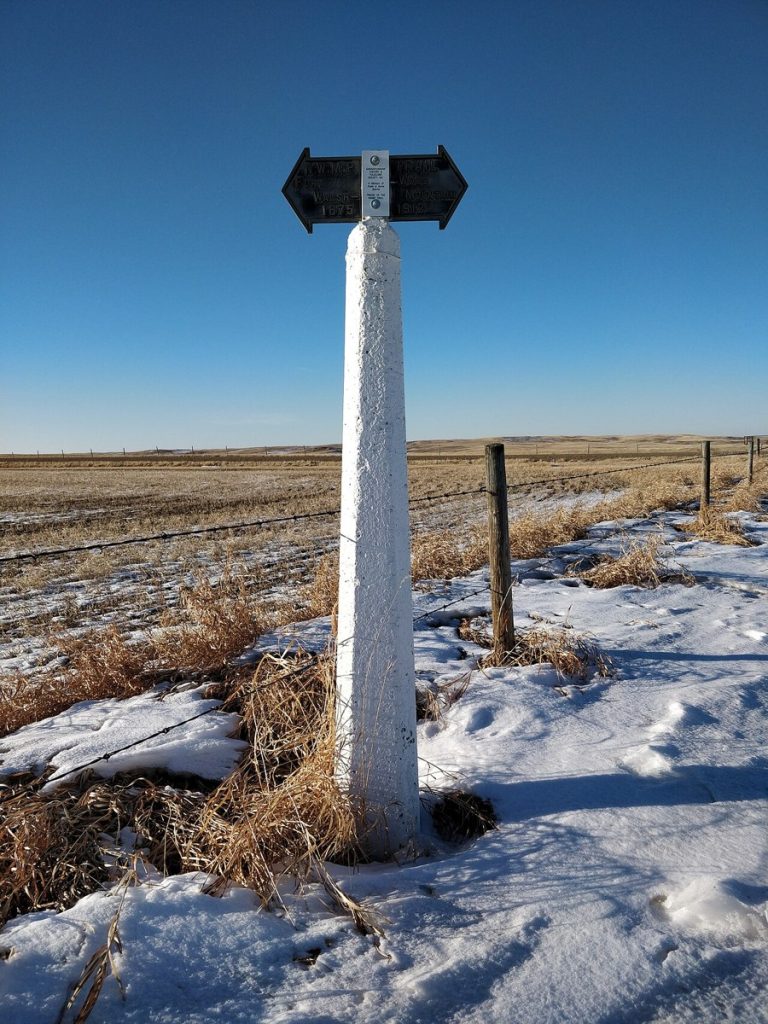
A North-West Mounted Police trail marker near Glen McPherson, Saskatchewan, on the former route between Fort Walsh and Wood Mountain, in 2021.
CA-K204History

The North-West Mounted Police, 1873

The North-West Mounted Police was established in 1873 by Prime Minister John A. Macdonald’s government as a paramilitary force of 300 mounted constables, to assert Canadian control over the North-West Territories. Arriving in 1874 after a 1,300-kilometre trek from Dufferin, Manitoba, the force set up posts without the consultation or permission of First Nations and enforced laws that disregarded Indigenous laws and ways of life.

Factual accuracy review: No recorded challenge

Contributor: Citizen.ca

Verified against cited sourcesVerified on 2026-10-26↗
Photo: Awmcphee · Photo licence: CC BY-SA 3.0 · Credit & context
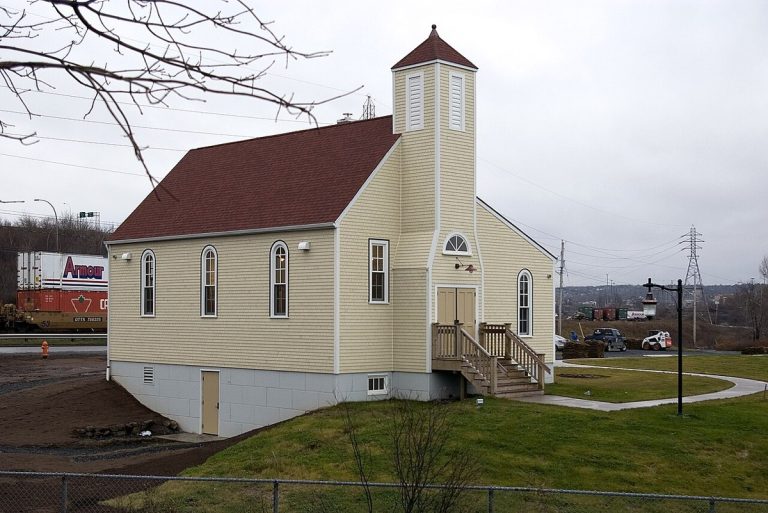
The Africville Museum in Halifax, housed in a replica of the Seaview African United Baptist Church, photographed in 2012.
CA-K198Culture & sport

The Colored Hockey League of the Maritimes, 1895

The Colored Hockey League of the Maritimes, formed in 1895 by African Canadian Baptist leaders in Dartmouth and Halifax, was the only all-Black men’s ice hockey league in Canada and soon expanded across Nova Scotia and Prince Edward Island. Its championships drew multiracial crowds, though players endured racism, and the league advanced the fight for equality.

Factual accuracy review: No recorded challenge

Contributor: Citizen.ca

Verified against cited sourcesVerified on 2026-10-26↗
Photo: DRheaume · Photo licence: CC BY-SA 3.0 · Credit & context
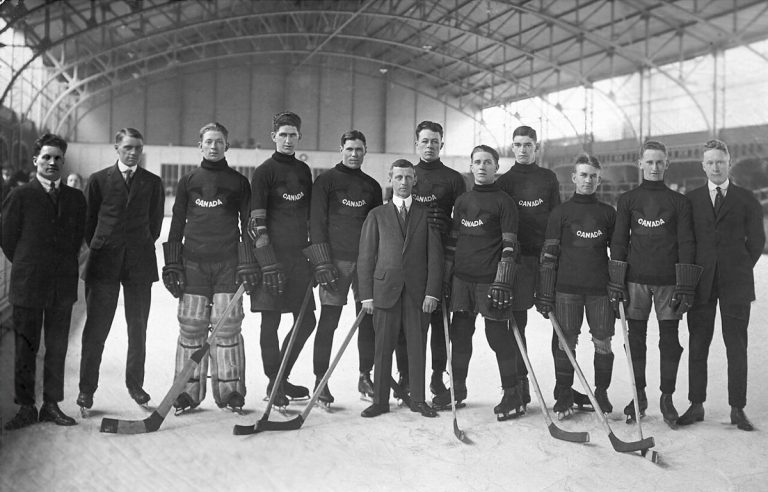
The Winnipeg Falcons team at the 1920 Summer Olympics in Antwerp.
CA-K191Culture & sport

The Winnipeg Falcons won the first Olympic hockey gold, 1920

The Winnipeg Falcons, a hockey club made up almost entirely of Icelandic Canadian players, won the Allan Cup as Canada’s senior amateur champions in 1920. That year they represented Canada in Antwerp, Belgium, and won the first Olympic gold medal for hockey.

Factual accuracy review: No recorded challenge

Contributor: Citizen.ca

Verified against cited sourcesVerified on 2026-10-26↗
Photo: Unknown authorUnknown author · Photo licence: Public domain · Credit & context
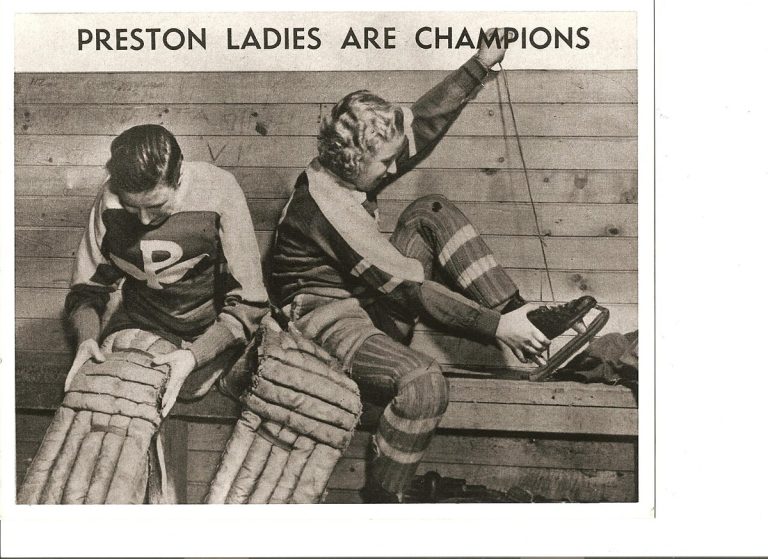
A 1940 Preston Rivulettes postcard.
CA-K168Culture & sport

The Preston Rivulettes, 1931–1940

The Preston Rivulettes of Preston (now Cambridge), Ontario, are considered the most successful early women’s hockey team, winning more than 95% of their games in their ten-year existence. Led by right-winger Hilda Ranscombe, they won most provincial, regional and national championships between 1931 and 1940.

Factual accuracy review: No recorded challenge

Contributor: Citizen.ca

Verified against cited sourcesVerified on 2026-10-26↗
Photo: Preston Rivulettes · Photo licence: Public domain · Credit & context
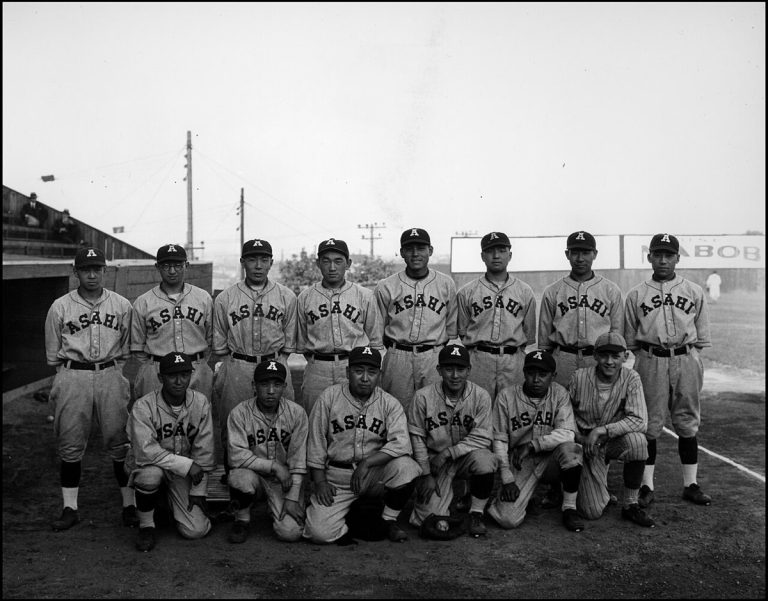
The Asahi Baseball Club seniors team in 1929 (Vancouver Public Library).
CA-K166Culture & sport

Vancouver’s Asahi baseball team, 1914–1941

Between 1914 and 1941, when Japanese Canadians faced racism, Vancouver’s Asahi Baseball Team won championships in senior amateur leagues with its “brain ball” style of bunting and speed. The team became a symbol of the Japanese Canadian struggle for equality and respect, and was disbanded during the Second World War internment.

Factual accuracy review: No recorded challenge

Contributor: Citizen.ca

Verified against cited sourcesVerified on 2026-10-26↗
Photo: Vancouver Public Library Historical Photographs · Photo licence: Public domain · Credit & context
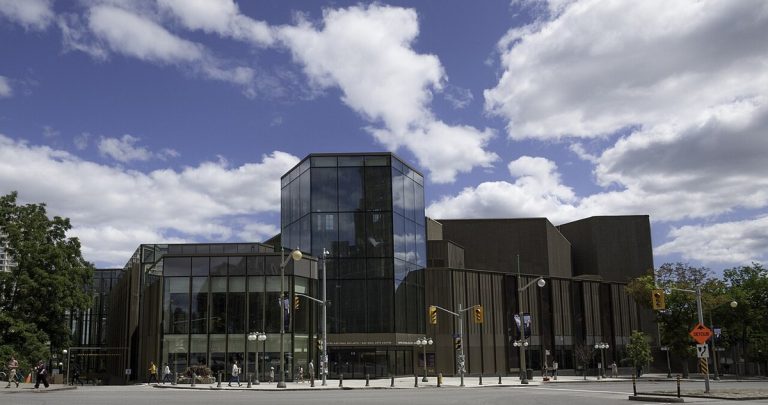
The renewed entrance and façade of the National Arts Centre, Ottawa, photographed in 2019.
CA-K129Culture & sport

The National Arts Centre opened in 1969

Canada’s National Arts Centre in Ottawa opened on 2 June 1969, two years after the centennial that inspired it. Built to produce and present music, opera, theatre and dance, it was designed to be bilingual, reflecting Canada’s linguistic duality.

Factual accuracy review: No recorded challenge

Contributor: Citizen.ca

Verified against cited sourcesVerified on 2026-10-26↗
Photo: Thelongdarkteatimeofthesoul · Photo licence: CC BY-SA 4.0 · Credit & context
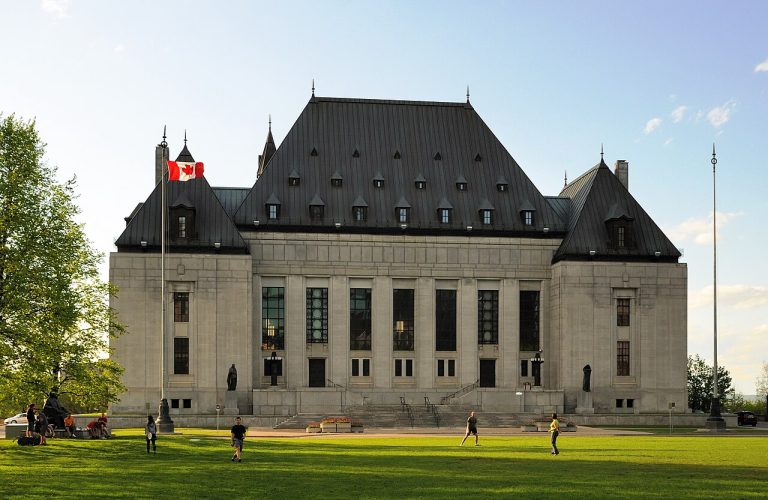
Natan Obed, president of Inuit Tapiriit Kanatami, in 2016.
CA-K121Indigenous peoples & reconciliation

Inuit Tapiriit Kanatami was founded in 1971

Inuit Tapiriit Kanatami, the national Inuit organization formerly called the Inuit Tapirisat of Canada, was founded in February 1971 by seven Inuit community leaders. It grew out of shared concern about land and resource ownership in Inuit Nunangat.

Factual accuracy review: No recorded challenge

Contributor: Citizen.ca

Verified against cited sourcesVerified on 2026-10-26↗
Photo: U.S. Department of the Interior · Photo licence: CC BY-SA 2.0 · Credit & context
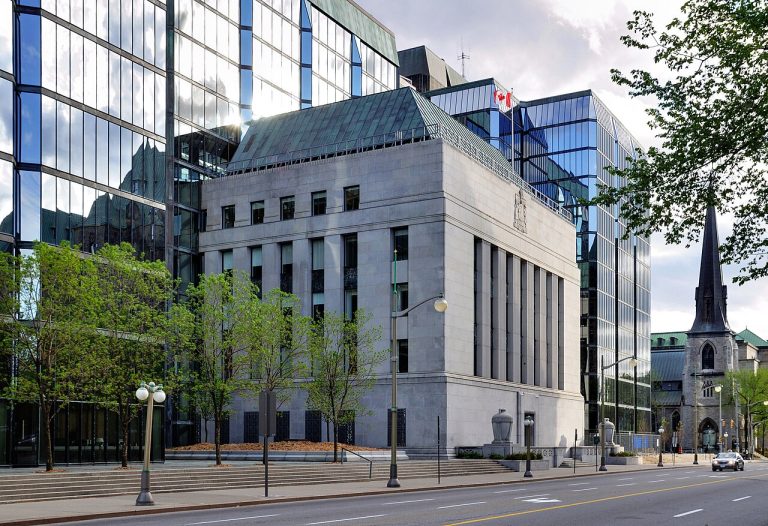
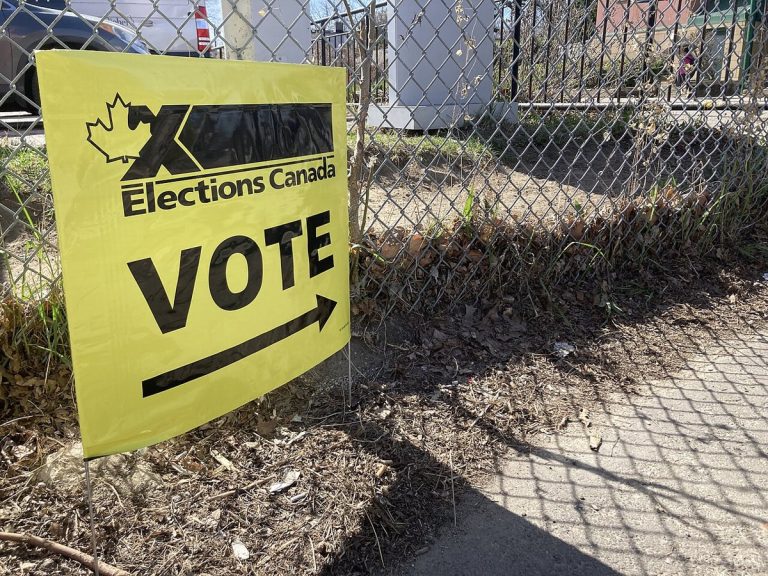
An Elections Canada polling station sign in Toronto during the 2025 federal election.
CA-K108Institutions

Elections Canada, an independent agency of Parliament

Elections Canada is an independent, non-partisan agency of Parliament, headed by the Chief Electoral Officer. The position of Chief Electoral Officer was created in 1920 by the Dominion Elections Act, largely to end political partisanship in the administration of federal elections.

Factual accuracy review: No recorded challenge

Contributor: Citizen.ca

Verified against cited sourcesVerified on 2026-10-26↗
Photo: Can Pac Swire · Photo licence: CC BY-SA 2.0 · Credit & context
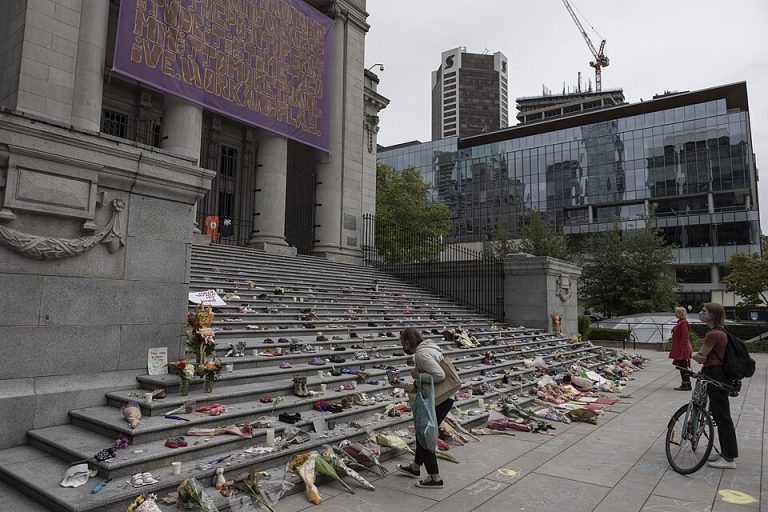
A residential-school memorial in Vancouver on 30 May 2021; an illustration of commemoration, not the NCTR building or its archival collection.
CA-K032Indigenous peoples & reconciliation

The NCTR preserves the TRC’s records

The National Centre for Truth and Reconciliation officially opened in 2015. Statements, documents and other materials gathered by the Truth and Reconciliation Commission became a central part of its work of preserving residential school history.

Factual accuracy review: No recorded challenge

Contributor: Citizen.ca

Verified against cited sourcesVerified on 2026-10-26↗
Photo: GoToVan · Photo licence: CC BY 2.0 · Credit & context