An independent Canadian knowledge project

Focused and Verified

Canadian knowledge base

Search by keyword

Choose one keyword, or combine two. Broader keywords include their descendants.

Keywords: Time periods

Clear search
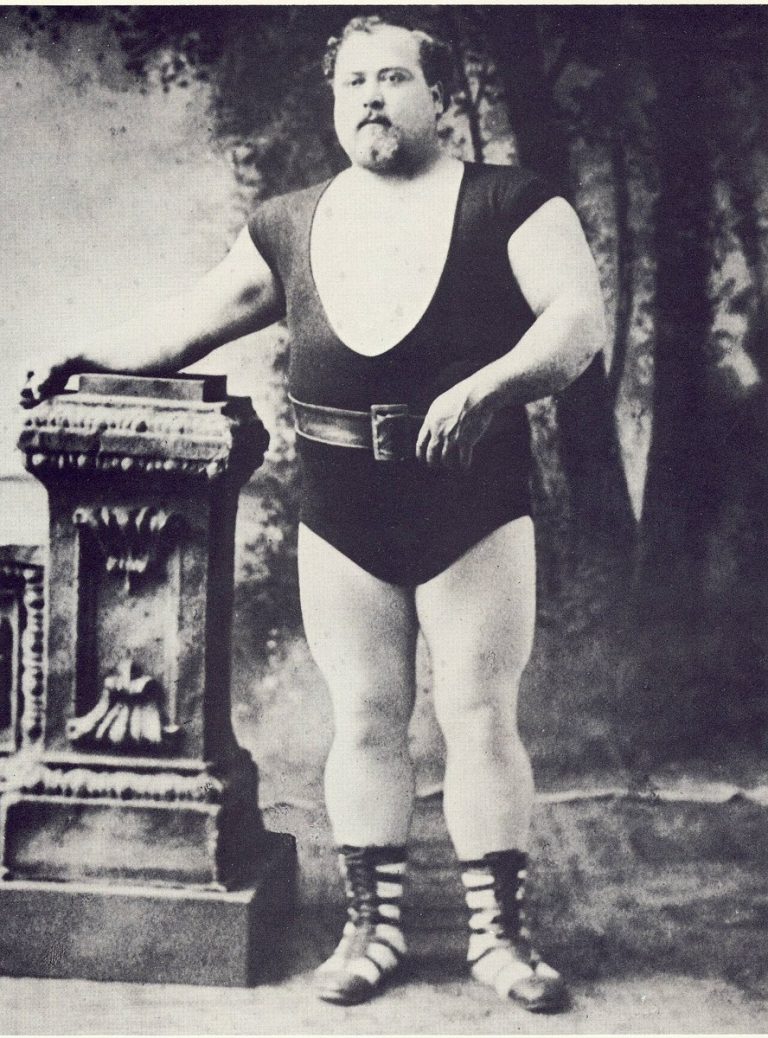
Louis Cyr, strongman, before 1900.
CA-K413Culture & sport

Louis Cyr, the strongest man in the world

Louis Cyr, born Noé-Cyprien Cyr at Saint-Cyprien-de-Napierville, Quebec, was a champion strongman of the late 19th century, reputed in the early 1890s to be the strongest man in the world. He performed in England and with the largest North American circuses, and in 1895 in Boston he lifted a platform holding 18 men, weighing 1,967 kilograms in all.

Factual accuracy review: No recorded challenge

Contributor: Citizen.ca

Verified against cited sourcesVerified on 2026-10-26↗
Photo: Anonymous (photographer unidentified) · Photo licence: Public domain · Credit & context
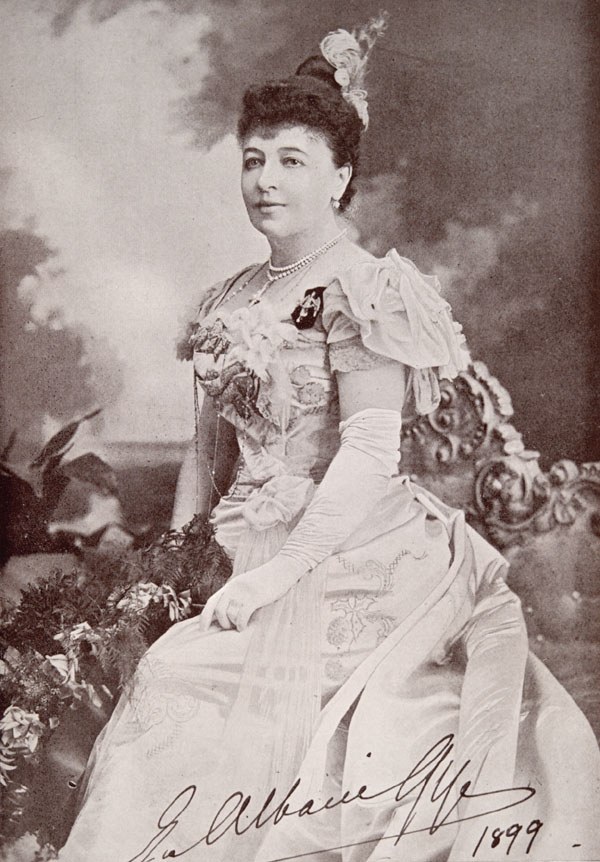
Emma Albani in 1899 (Talma and Company, Melbourne).
CA-K412Culture & sport

Emma Albani, soprano from Chambly

Emma Albani, born Emma Lajeunesse at Chambly, Quebec, was one of the great sopranos of her generation. For 24 years a principal artist at Covent Garden in London and a favourite of Queen Victoria, she sang Italian, French, German and English repertoire, from oratorio to Wagner, and was made a Dame Commander of the British Empire in 1925.

Factual accuracy review: No recorded challenge

Contributor: Citizen.ca

Verified against cited sourcesVerified on 2026-10-26↗
Photo: Talma and Company, Melbourne, Australia (Active: ca. 1899 - ca. 1912) · Photo licence: Public domain · Credit & context
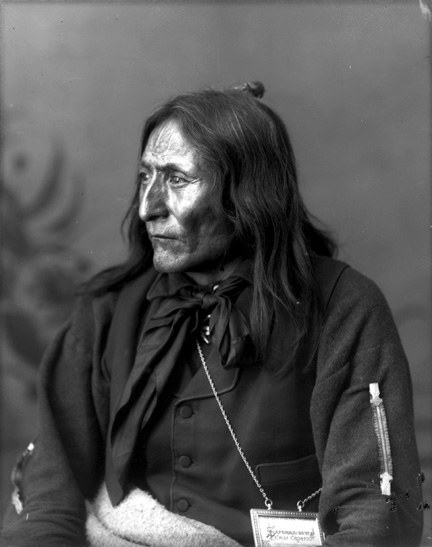
Portrait of Crowfoot, head chief of the Siksika, around 1885.
CA-K409Indigenous peoples & reconciliation

Isapo-Muxika (Crowfoot), Siksika peacemaker

Isapo-Muxika (Crowfoot), born Kainai and raised among the Siksika (Blackfoot), became a leading chief known as a warrior, orator and peacemaker. Convinced that peace served his people best, he made peace with the Plains Cree, adopting Poundmaker as his son, and persuaded the Siksika to sign Treaty 7 in 1877.

Factual accuracy review: No recorded challenge

Contributor: Citizen.ca

Verified against cited sourcesVerified on 2026-10-26↗
Photo: Alex Ross · Photo licence: Public domain · Credit & context
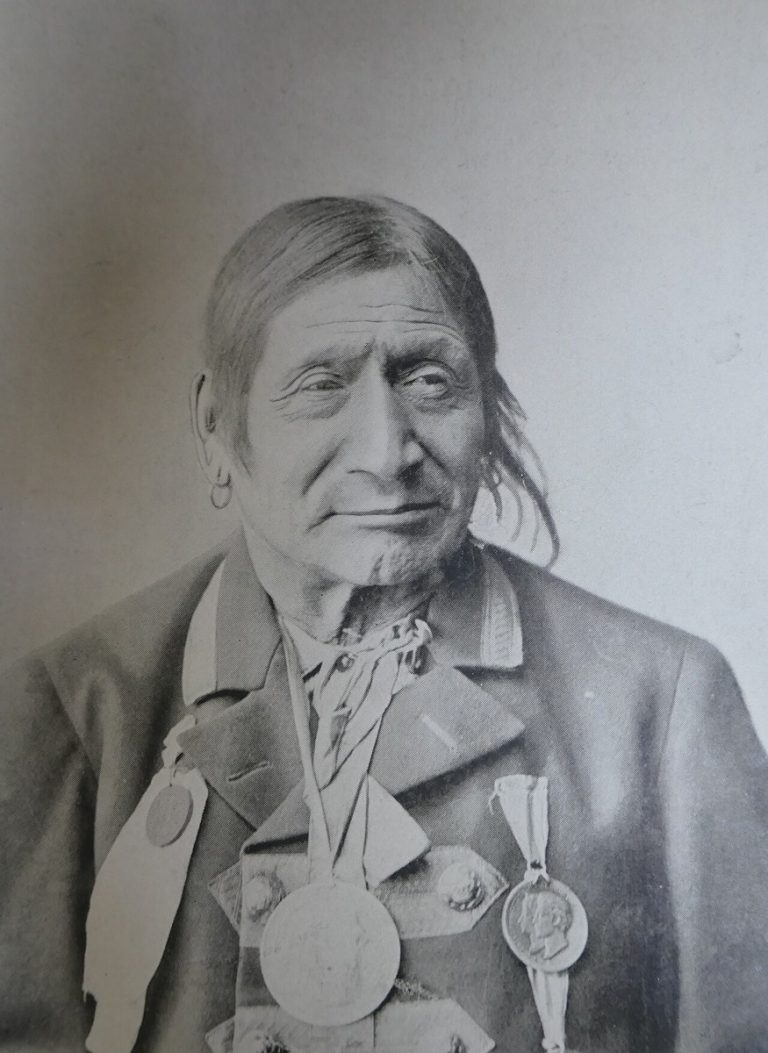
Red Crow in 1895.
CA-K405Indigenous peoples & reconciliation

Red Crow, head chief of the Kainai

Red Crow, warrior and statesman, became a head chief of the Kainai (Blood) in 1870. After first boycotting the negotiations, he signed Treaty 7 in 1877 on behalf of his people and chose the site of the Blood Reserve, the largest in Canada; his leadership helped the Kainai keep their proud and independent spirit.

Factual accuracy review: No recorded challenge

Contributor: Citizen.ca

Verified against cited sourcesVerified on 2026-10-26↗
Photo: Unknown author · Photo licence: Public domain · Credit & context
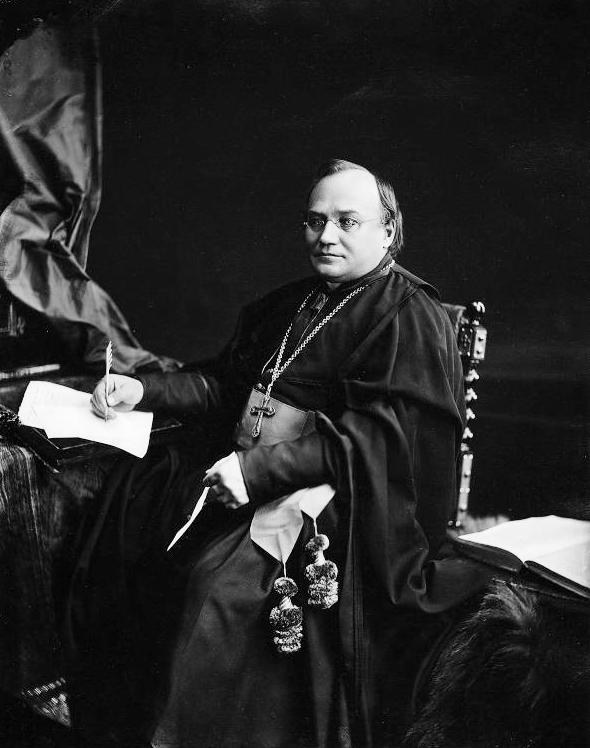
Archbishop Alexandre-Antonin Taché in 1873 (William Notman).
CA-K401Language & names

Archbishop Taché and French education in Manitoba

Alexandre-Antonin Taché, Bishop and then Archbishop of St. Boniface from 1853 to 1894, was the foremost Catholic leader in the West and oversaw missions, day schools and residential schools that sought to convert and assimilate Indigenous Peoples. He helped secure Catholic and French education rights in the Manitoba Act of 1870 and fought in vain to restore them after they were eroded from 1890.

Factual accuracy review: No recorded challenge

Contributor: Citizen.ca

Verified against cited sourcesVerified on 2026-10-26↗
Photo: William Notman · Photo licence: Public domain · Credit & context
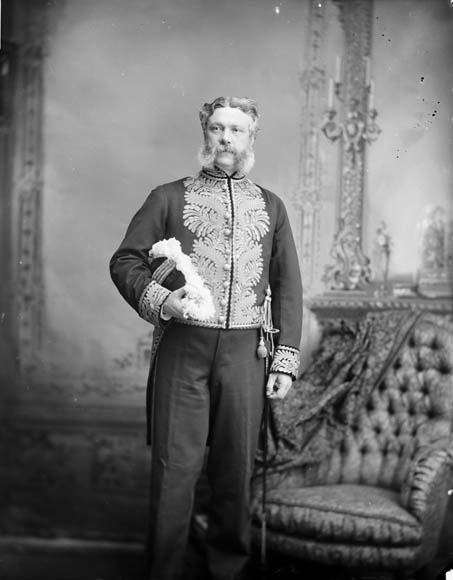
Lieutenant-Governor Edgar Dewdney, April 1883 (Topley Studio).
CA-K400Indigenous peoples & reconciliation

Edgar Dewdney and Indigenous policy on the Prairies

As Indian Commissioner (1879–1888) and Lieutenant-Governor of the North-West Territories, Edgar Dewdney withheld rations from starving First Nations until they settled on government-selected reserves, causing malnutrition, disease and death. After 1885 he helped impose the extralegal pass system and helped shape the residential school system, with devastating consequences for Indigenous children, families and communities.

Factual accuracy review: No recorded challenge

Contributor: Citizen.ca

Verified against cited sourcesVerified on 2026-10-26↗
Photo: Topley Studio / Library and Archives Canada / PA-027070 · Photo licence: Public domain · Credit & context
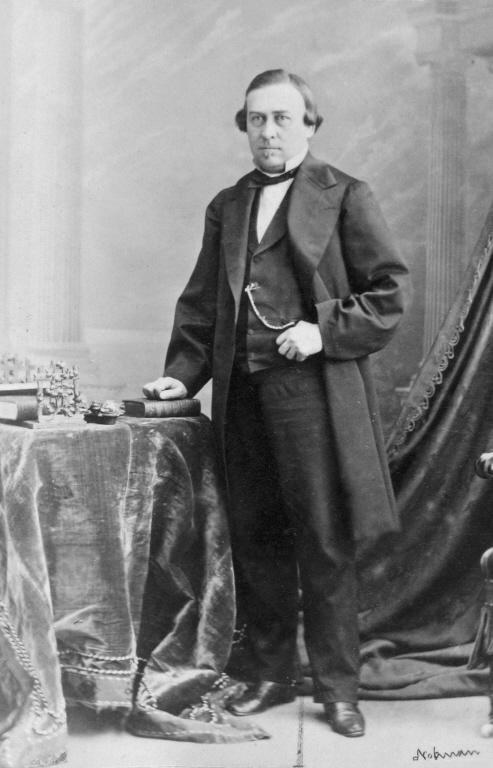
Hector-Louis Langevin in Montréal, 1865 (William Notman).
CA-K399Institutions

Sir Hector-Louis Langevin, Confederation and residential schools

Sir Hector-Louis Langevin, a Father of Confederation, attended all three conferences leading to 1867, helped draft the 72 Resolutions and led the Quebec Conservatives for nearly two decades. As Minister of Public Works, he called in 1883 for Indigenous children to be removed from their homes for assimilation and announced three industrial schools in the Northwest, part of the residential school system’s devastating expansion.

Factual accuracy review: No recorded challenge

Contributor: Citizen.ca

Verified against cited sourcesVerified on 2026-10-26↗
Photo: William Notman · Photo licence: Public domain · Credit & context
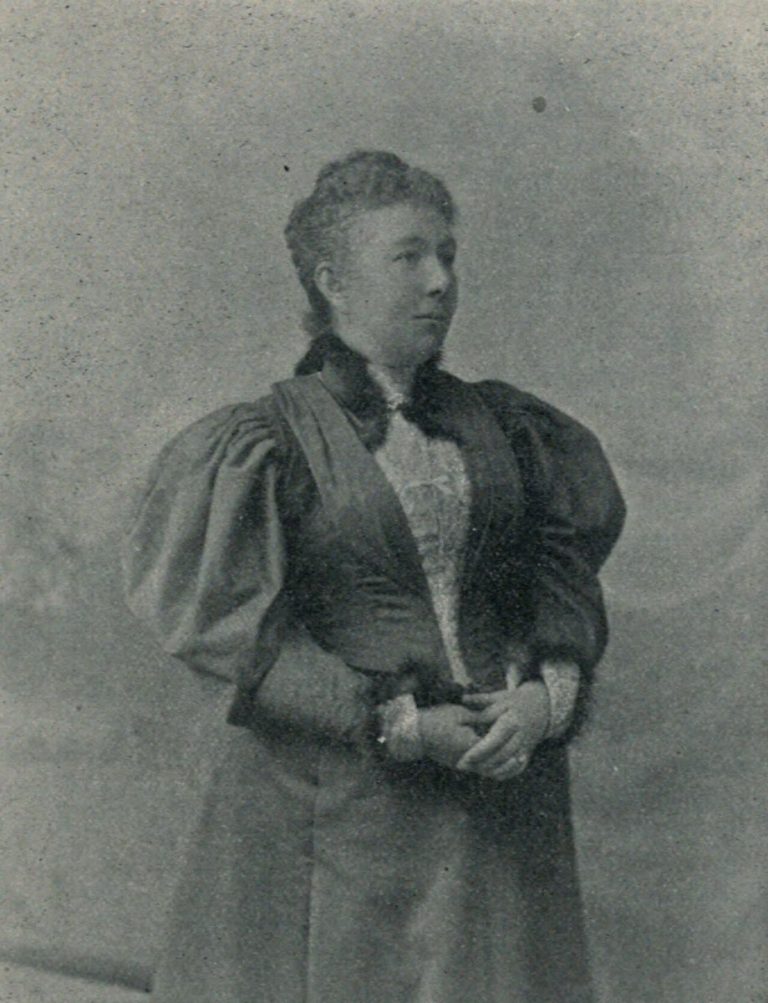
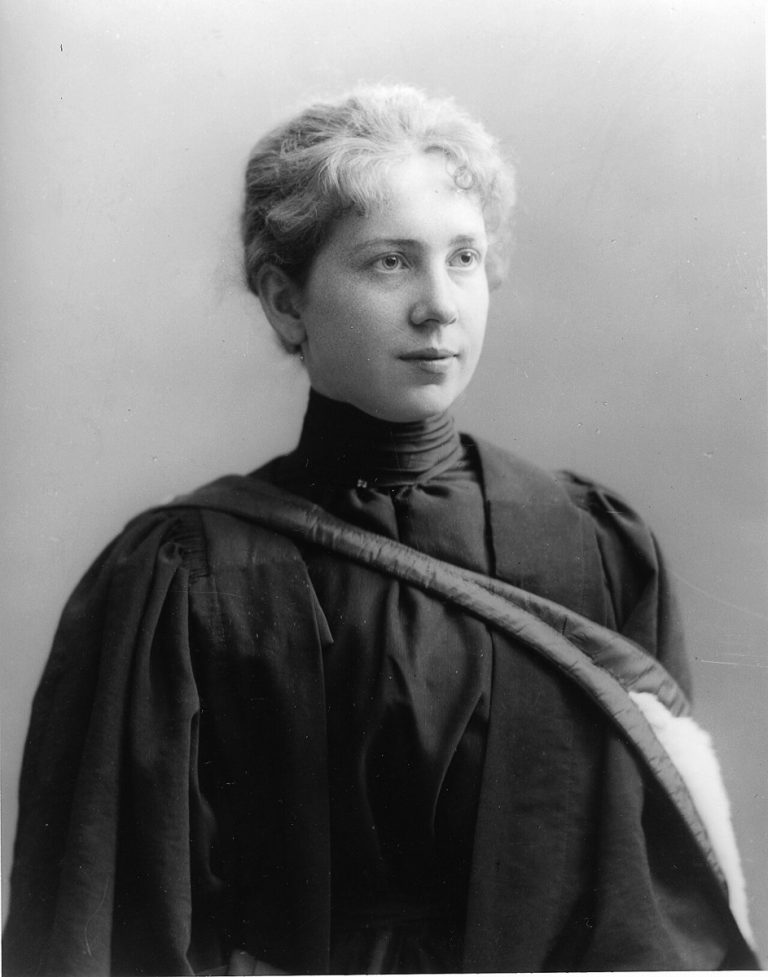
Portrait of Edith Archibald, no later than 1895.
CA-K396Institutions

Edith Archibald and women’s suffrage in Nova Scotia

For more than 30 years, Edith Jessie Archibald (1854–1936) championed women’s right to vote in Nova Scotia, achieved on 26 April 1918. As president of the Maritime Woman’s Christian Temperance Union and the Halifax Local Council of Women, she also worked to improve health and education services.

Factual accuracy review: No recorded challenge

Contributor: Citizen.ca

Verified against cited sourcesVerified on 2026-10-26↗
Photo: Unknown author · Photo licence: Public domain · Credit & context
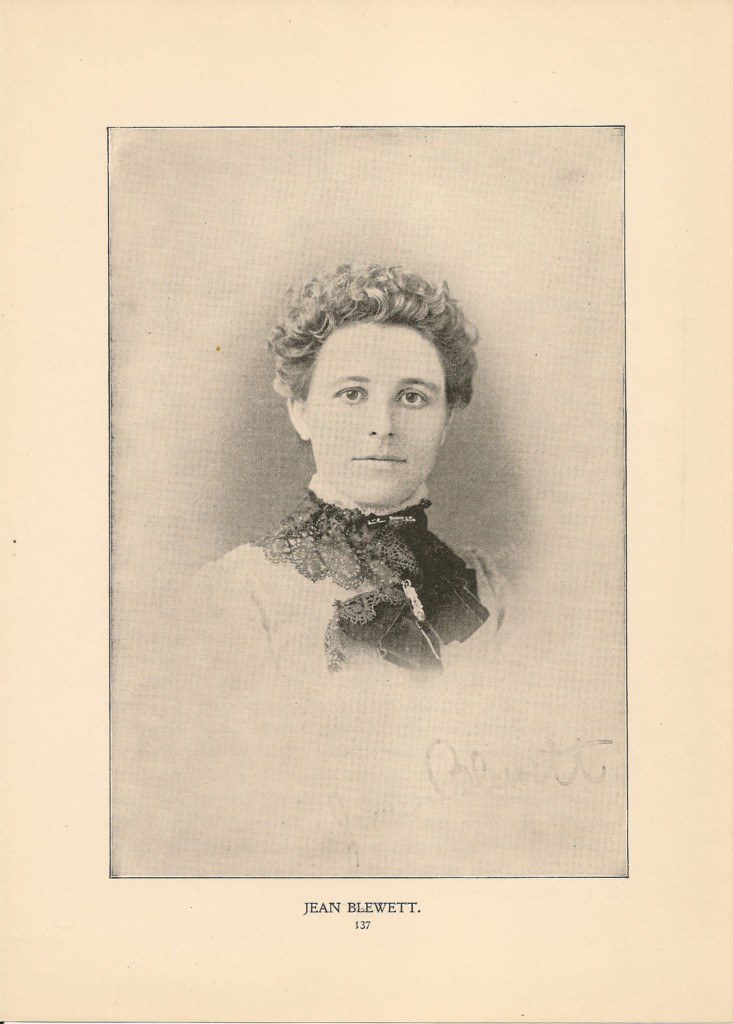
Jean Blewett, portrait from a book published around 1896.
CA-K392Culture & sport

Jean Blewett, poet and journalist

Jean (McKishnie) Blewett (1862–1934), born at Scotia, Upper Canada, was a popular early 20th-century poet and journalist. For many years on the staff of the Toronto Globe, she worked as a journalist until 1925 and published several volumes of poetry between 1897 and 1922, admired for their directness and simplicity.

Factual accuracy review: No recorded challenge

Contributor: Citizen.ca

Verified against cited sourcesVerified on 2026-10-26↗
Photo: Unknown author · Photo licence: Public domain · Credit & context
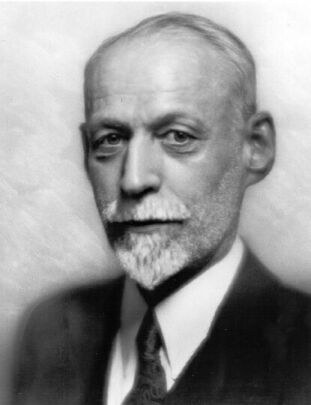
Portrait of J. S. Woodsworth.
CA-K391Institutions

J. S. Woodsworth and the CCF

J. S. Woodsworth (1874–1942), a Methodist pastor who confronted urban poverty in Winnipeg, was the leading socialist voice in Canada of his day and in 1933 became the first parliamentary leader of the Co-operative Commonwealth Federation. His book Strangers Within Our Gates (1909) relied on nativist views and a racist hierarchy of immigrants, and at times he proposed eugenic solutions to perceived social problems.

Factual accuracy review: No recorded challenge

Contributor: Citizen.ca

Verified against cited sourcesVerified on 2026-10-26↗
Photo: The original uploader was Adam Carr at English Wikipedia. · Photo licence: Public domain · Credit & context
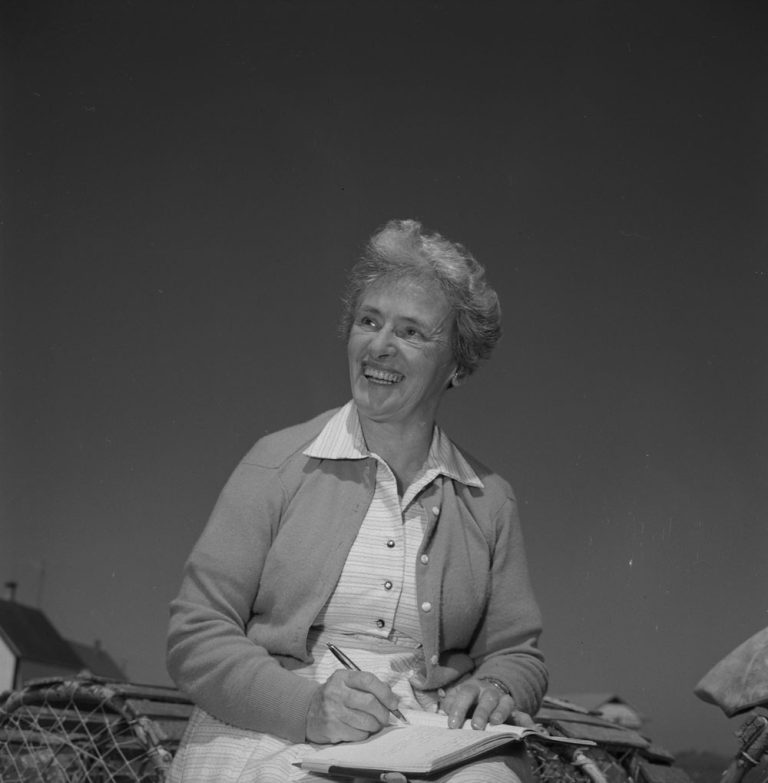
Dr. Helen Creighton in Nova Scotia, 1959 (National Film Board).
CA-K390Culture & sport

Helen Creighton, collector of Maritime folklore

Folklorist Helen Creighton (1899–1989) built one of Canada’s largest collections of songs, tales and customs between 1928 and 1975, making more than 4,000 recordings in British, Acadian, Gaelic, German, African Nova Scotian and Mi’kmaw communities across the Maritimes. She popularized these traditions through radio, television and publications, and songs such as “Farewell to Nova Scotia”.

Factual accuracy review: No recorded challenge

Contributor: Citizen.ca

Verified against cited sourcesVerified on 2026-10-26↗
Photo: Chris Lund · Photo licence: Public domain · Credit & context
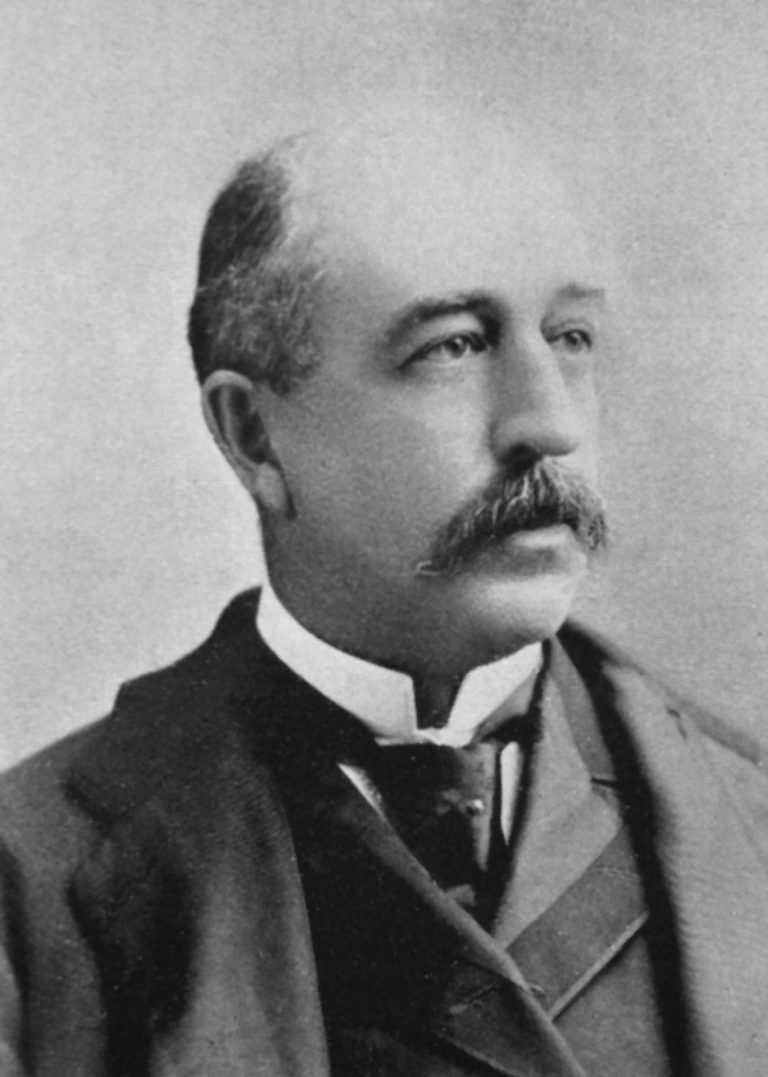
Portrait of Dr. Frédérick Montizambert.
CA-K389Institutions

Dr. Frédérick Montizambert, Canada’s first public health chief

Dr. Frédérick Montizambert (1843–1929) was medical superintendent of the Grosse Île quarantine station for 30 years and later oversaw all of Canada’s quarantine stations, pioneering bacteriology and epidemiology. In 1899 he became Canada’s first Director General of Public Health, championing prevention, disinfection and vaccination during a time of mass immigration.

Factual accuracy review: No recorded challenge

Contributor: Citizen.ca

Verified against cited sourcesVerified on 2026-10-26↗
Photo: Unknown author · Photo licence: Public domain · Credit & context
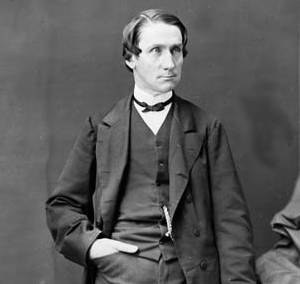
Alexander Morris in Ottawa, December 1869 (Topley Studio).
CA-K386Indigenous peoples & reconciliation

Alexander Morris and the Numbered Treaties

Alexander Morris, a supporter of Confederation and lieutenant-governor of Manitoba and the North-West Territories, negotiated Treaties 3, 4, 5 and 6 with First Nations from 1873 to 1876. First Nations sought a reciprocal relationship that safeguarded their autonomy, while Canada’s main goal was territorial expansion for settlers; Morris pressed the government to keep its spoken promises.

Factual accuracy review: No recorded challenge

Contributor: Citizen.ca

Verified against cited sourcesVerified on 2026-10-26↗
Photo: William James Topley · Photo licence: Public domain · Credit & context
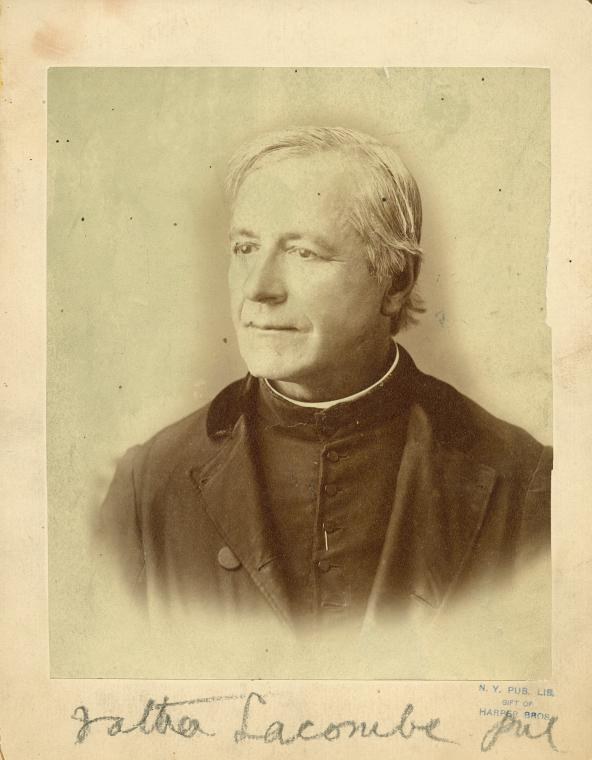
Father Albert Lacombe, photographed before 1916.
CA-K385Indigenous peoples & reconciliation

Father Albert Lacombe, missionary in the West

From 1852, Oblate priest Albert Lacombe spent over 60 years seeking to convert Indigenous Peoples in western Canada to Christianity, founding missions such as St. Albert with Métis and Cree help and acting as a go-between during Treaty 8 talks. He was the first principal of the High River Industrial School in 1884–1885 and advocated separating children from their families and suppressing Indigenous languages.

Factual accuracy review: No recorded challenge

Contributor: Citizen.ca

Verified against cited sourcesVerified on 2026-10-26↗
Photo: Unknown author · Photo licence: Public domain · Credit & context
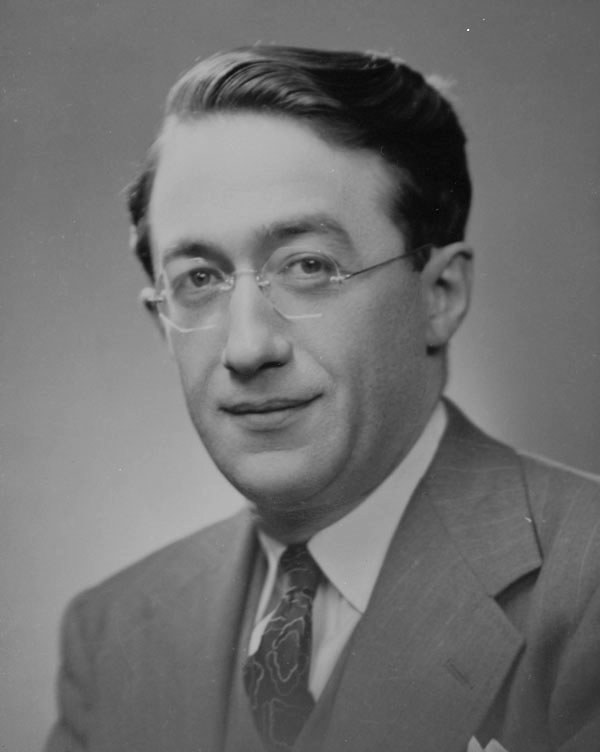
A. M. Klein in the mid-1940s (Library and Archives Canada).
CA-K383Culture & sport

A. M. Klein, poet of Jewish Montréal

A. M. Klein (1909–1972) combined modernism with Jewish literary traditions in poetry that portrayed his downtown Montréal neighbourhood. His collection The Rocking Chair and Other Poems, depicting Quebec and its people, won the Governor General’s Award in 1949.

Factual accuracy review: No recorded challenge

Contributor: Citizen.ca

Verified against cited sourcesVerified on 2026-10-26↗
Photo: Library and Archives Canada · Photo licence: Public domain · Credit & context
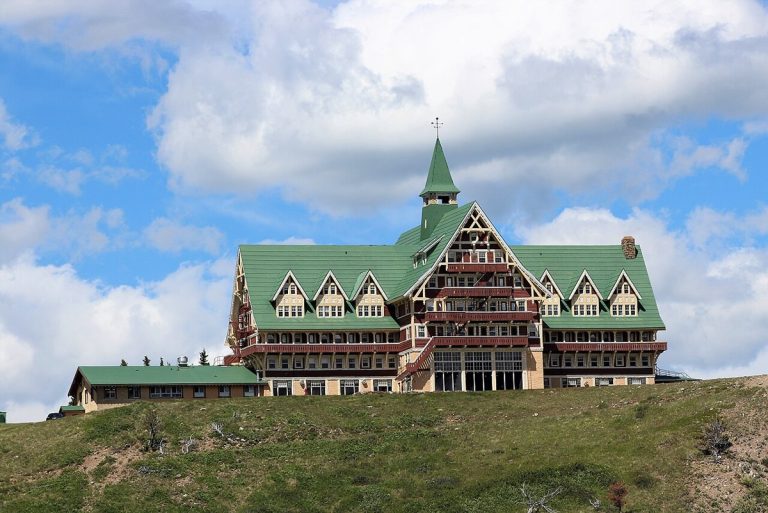
The Prince of Wales Hotel above Waterton Lake, Alberta, photographed in 2016.
CA-K382Places & geography

The Prince of Wales Hotel, Waterton Lakes

The Prince of Wales Hotel in Waterton Lakes National Park, Alberta, built in 1926–1927, is a grand survivor of the golden age of railway resorts in Canada. It was the only Canadian link in the Great Northern Railway’s chain of park hotels, and its soaring roof, gables and balconies give it the look of a giant alpine chalet.

Factual accuracy review: No recorded challenge

Contributor: Citizen.ca

Verified against cited sourcesVerified on 2026-10-26↗
Photo: Lazarus000 · Photo licence: CC BY-SA 4.0 · Credit & context
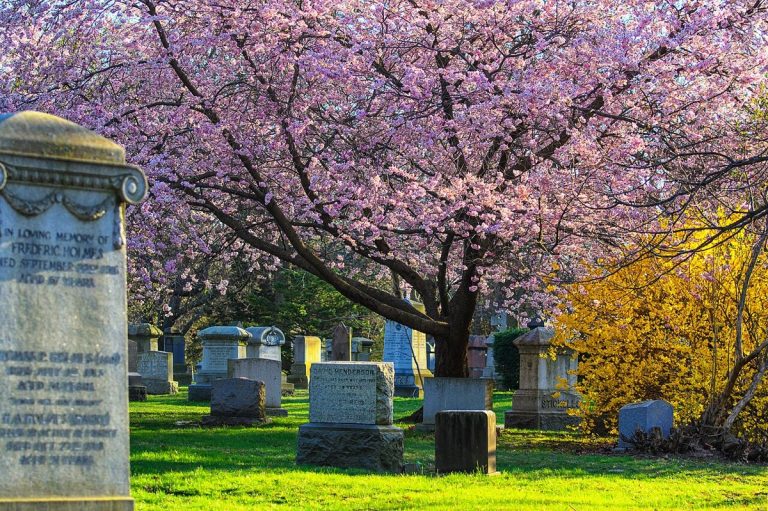
Cherry trees in blossom at Mount Pleasant Cemetery, Toronto, photographed in 2012.
CA-K381Places & geography

Mount Pleasant Cemetery, a Toronto garden cemetery

Mount Pleasant Cemetery in Toronto, designed by Henry Adolph Engelhardt and opened in 1876, is an outstanding example of landscape design inspired by the European and American garden cemeteries of the 19th century. Its winding roads, trees and views frame monuments to many people prominent in local, provincial and national history.

Factual accuracy review: No recorded challenge

Contributor: Citizen.ca

Verified against cited sourcesVerified on 2026-10-26↗
Photo: Anton Bielousov · Photo licence: CC BY-SA 3.0 · Credit & context
A stone path through Reader Rock Garden in Calgary, photographed in 2014.
CA-K380Places & geography

Reader Rock Garden, Calgary

Reader Rock Garden in Calgary is an Arts and Crafts-style alpine rockery laid out on a steep hillside by William R. Reader, the city’s parks superintendent from 1913 to 1942. Its planting beds tested and showed off what could grow in Calgary, challenging the belief that southern Alberta’s climate was too harsh for agriculture and horticulture.

Factual accuracy review: No recorded challenge

Contributor: Citizen.ca

Verified against cited sourcesVerified on 2026-10-26↗
Photo: Thank you for visiting my page from Canada · Photo licence: CC BY 2.0 · Credit & context
A pond in the Flowery Brook area of the Montréal Botanical Garden, photographed in 2017.
CA-K379Places & geography

The Montréal Botanical Garden of Brother Marie-Victorin

The Montréal Botanical Garden, founded in 1931, was developed through botanist Brother Marie-Victorin’s leadership and landscape architect Henry Teuscher’s design. It includes exhibition greenhouses, thematic gardens and an arboretum, combining botanical study with public horticultural education.

Factual accuracy review: No recorded challenge

Contributor: Citizen.ca

Verified against cited sourcesVerified on 2026-10-26↗
Photo: King of Hearts · Photo licence: CC BY-SA 4.0 · Credit & context
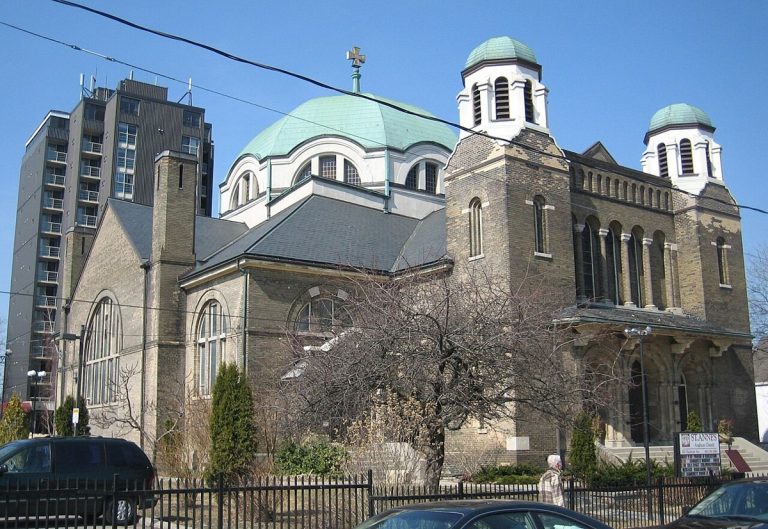
St. Anne’s Anglican Church in Toronto, photographed in 2009, before the fire that destroyed the historic building in June 2024.
CA-K378Culture & sport

St. Anne’s Church and its Group of Seven murals

St. Anne’s Anglican Church in Toronto was built in 1907–1908 in the Byzantine Revival style. Its 1923 murals included work by J. E. H. MacDonald, Frederick Varley and Franklin Carmichael of the Group of Seven. A fire destroyed the historic church building and its irreplaceable artwork on 9 June 2024.

Factual accuracy review: No recorded challenge

Contributor: Citizen.ca

Verified against cited sourcesVerified on 2026-10-26↗
Photo: SimonP · Photo licence: CC BY-SA 3.0 · Credit & context
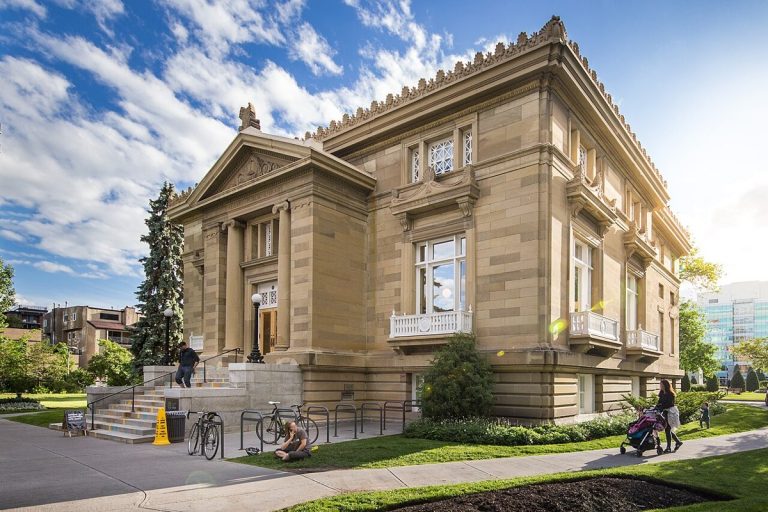
Memorial Park Library in Calgary, Alberta, photographed in 2017.
CA-K377Culture & sport

Calgary’s Central Memorial Library, a Carnegie library

Calgary’s Central Memorial Library and Park opened in 1912 and is one of the largest and most imposing of the 125 Carnegie libraries built in Canada. A project of local women led by Annie Davidson, funded with Andrew Carnegie, it served as the city’s main library until 1963 and as a social and cultural centre for more than a century.

Factual accuracy review: No recorded challenge

Contributor: Citizen.ca

Verified against cited sourcesVerified on 2026-10-26↗
Photo: Dean T Mullin of the Calgary Public Library · Photo licence: CC0 · Credit & context
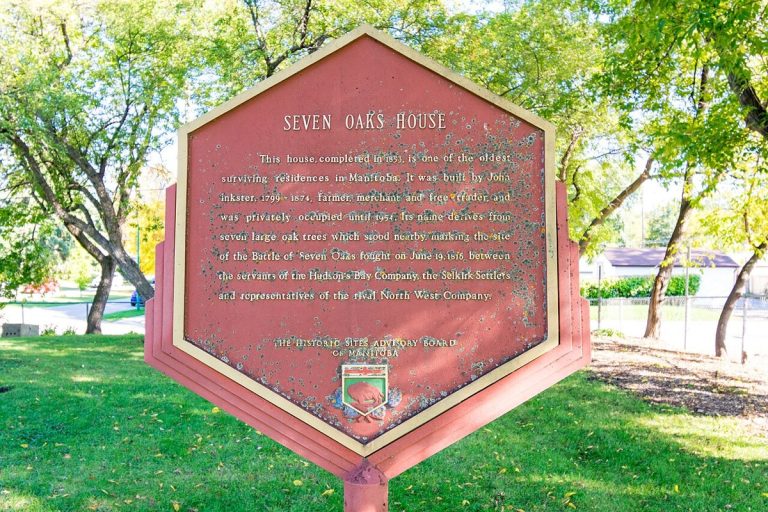
A historical plaque at Seven Oaks House Museum in Winnipeg, Manitoba, photographed in 2017.
CA-K376Indigenous peoples & reconciliation

Seven Oaks House and the Inkster family of Red River

Seven Oaks House in Winnipeg, in the Métis homeland and on Treaty 1 territory, includes a cabin of about 1831 built in Red River frame style and a Georgian house of 1851–1853. Home to the Scottish and Métis Inkster family, it shows the centrality of Métis families in the Red River community and the shift from the fur trade to farming and town life.

Factual accuracy review: No recorded challenge

Contributor: Citizen.ca

Verified against cited sourcesVerified on 2026-10-26↗
Photo: Jessica Losorata · Photo licence: CC BY-SA 4.0 · Credit & context
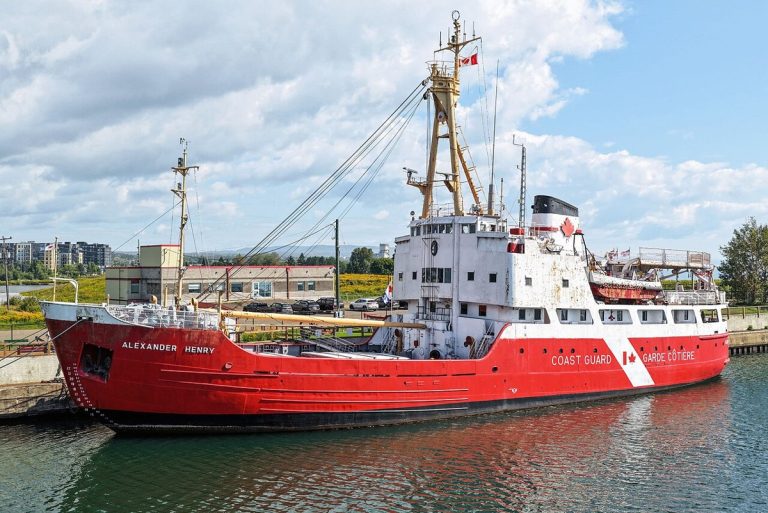
The former CCGS Alexander Henry, preserved in Thunder Bay, Ontario, photographed in 2026.
CA-K374History

CCGS Alexander Henry, Lake Superior icebreaker

The CCGS Alexander Henry, launched at Port Arthur (now Thunder Bay) in 1958, was the main Canadian icebreaker on Lake Superior from 1959 to 1985 and part of the first Canadian Coast Guard fleet in 1962. The red and white ship broke ice to lengthen the shipping season, supplied lighthouses, maintained buoys and carried out search and rescue.

Factual accuracy review: No recorded challenge

Contributor: Citizen.ca

Verified against cited sourcesVerified on 2026-10-26↗
Photo: Quintin Soloviev · Photo licence: CC BY 4.0 · Credit & context