
An independent Canadian knowledge project

Focused and Verified

Canadian knowledge base

Search by keyword

Choose one keyword, or combine two. Broader keywords include their descendants.

Keywords: 1800–1899

Clear search
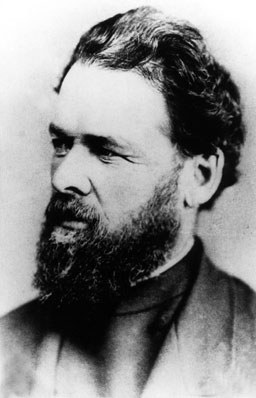
Reverend George McDougall, before 1876.
CA-K867Indigenous peoples & reconciliation

Reverend George McDougall and Methodist missions in the West

George McDougall was an influential Methodist missionary in the Prairie West from 1860 until his death in 1876, founding the Victoria mission in 1862 and leading others as part of colonization efforts. He urged First Nations to abandon traditional ways, removed the sacred stone Manitou Asinîy in 1866 with damaging results, and carried word of the coming Treaty Six talks in 1875. Missions linked to him at Norway House and Morley later developed residential schools.

Factual accuracy review: No recorded challenge

Contributor: Citizen.ca

Verified against cited sourcesVerified on 2026-10-26↗
Photo: Unknown author · Photo licence: Public domain · Credit & context
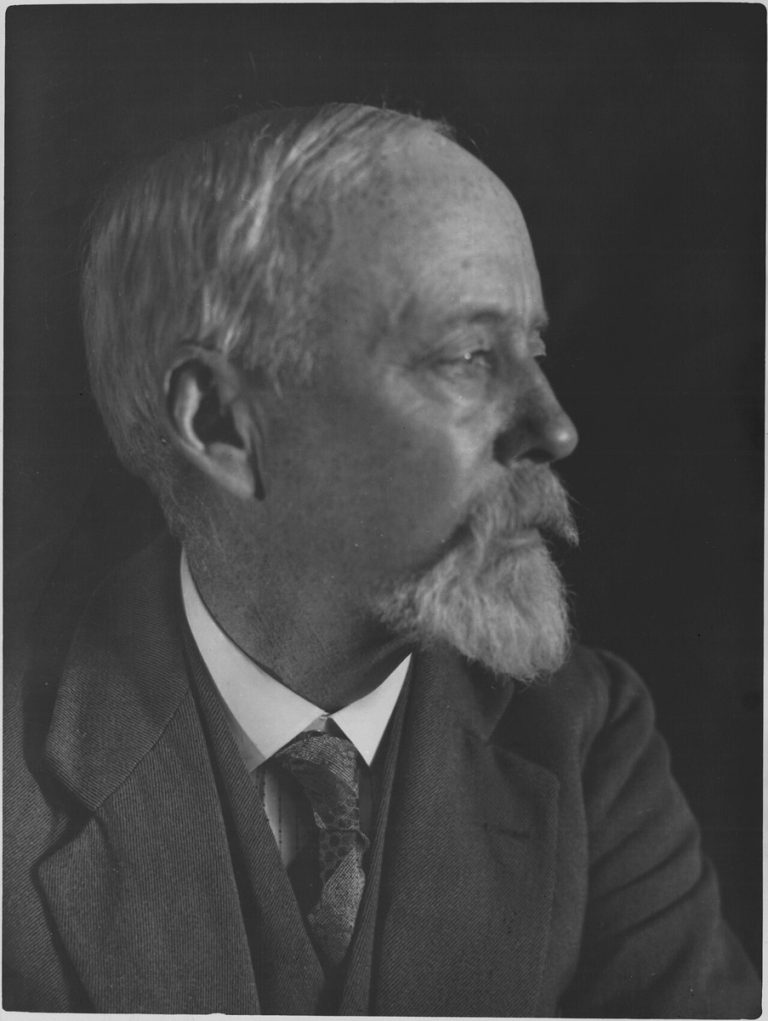
Maurice Cullen, R.C.A., 1931 (Archives of Ontario).
CA-K866Culture & sport

Maurice Cullen, painter of the Canadian winter

Maurice Cullen, born in St. John’s, studied sculpture in Montréal under Philippe Hébert and painting at the École des Beaux-Arts in Paris. Returning in 1895, he taught at the Art Association of Montreal and in the First World War served overseas as an official war artist. His international reputation rests mainly on his impressionist views of the Canadian winter.

Factual accuracy review: No recorded challenge

Contributor: Citizen.ca

Verified against cited sourcesVerified on 2026-10-26↗
Photo: Unknown photographer; Archives of Ontario · Photo licence: Public domain · Credit & context
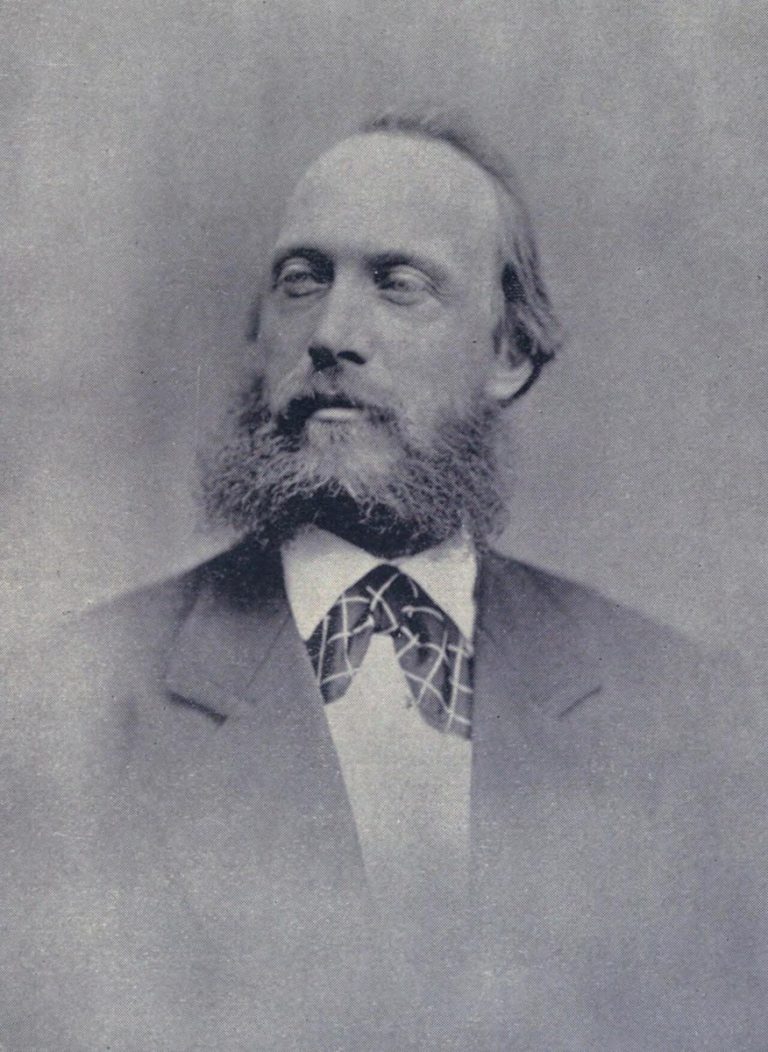
David Laird, 1894 (The Canadian Album).
CA-K864Indigenous peoples & reconciliation

David Laird, the Indian Act and the Numbered Treaties

As Minister of the Interior from 1873 to 1876, David Laird helped shape policies that treated First Nations as wards and sought their assimilation, and was the main figure in consolidating earlier laws into the Indian Act of 1876. He negotiated Treaties 4, 7 and 8, whose meaning remains disputed. As Indian commissioner he restricted ceremonies and at times worked to dispossess First Nations of promised reserves. He also founded the Charlottetown Patriot.

Factual accuracy review: No recorded challenge

Contributor: Citizen.ca

Verified against cited sourcesVerified on 2026-10-26↗
Photo: Unknown photographer · Photo licence: Public domain · Credit & context
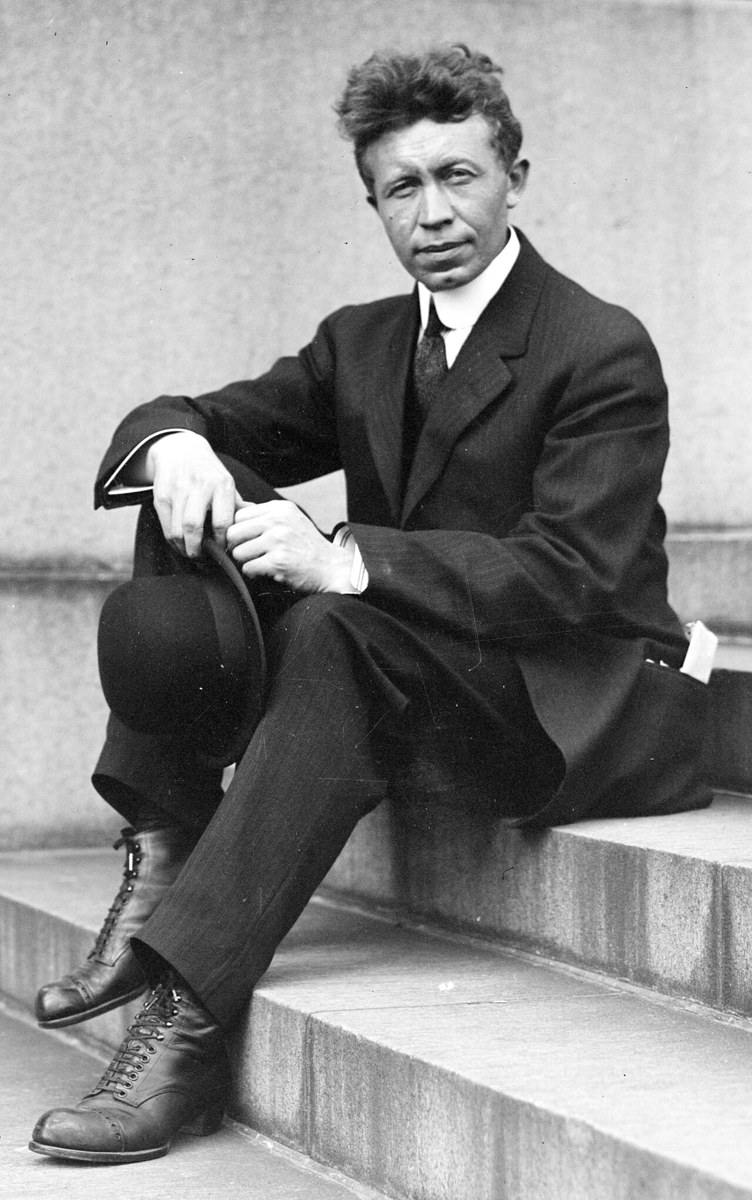
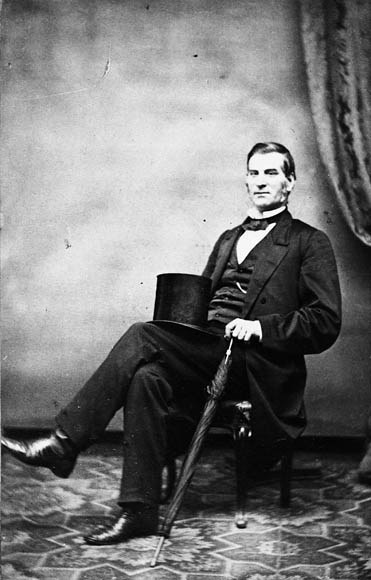
William Henry Steeves, portrait.
CA-K857History

William Henry Steeves, New Brunswick merchant and Father of Confederation

William Henry Steeves, born in Hillsborough, was a leading merchant and lumberman before entering politics. He sat in New Brunswick’s Assembly and Legislative Council and was almost continuously in cabinet from 1854 to 1865. Bringing a reform-minded business outlook, he supported the Intercolonial Railway and Confederation to aid the province’s economy, and was named to the Senate in 1867.

Factual accuracy review: No recorded challenge

Contributor: Citizen.ca

Verified against cited sourcesVerified on 2026-10-26↗
Photo: Unknown author · Photo licence: Public domain · Credit & context
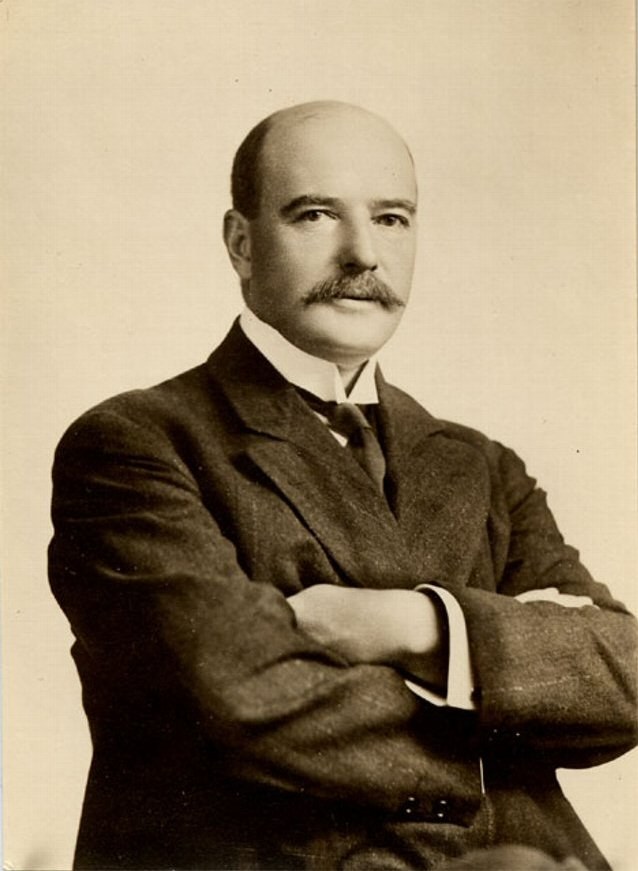
Vilhjálmur Stefánsson (Bain News Service).
CA-K855Places & geography

Vilhjálmur Stefánsson, Arctic explorer

Vilhjálmur Stefánsson, born at Arnes, Manitoba, in 1879 to an Icelandic family, made three expeditions to the Canadian Arctic between 1906 and 1918 and wrote widely about the land and its Indigenous Peoples. Inuit support was essential to his success; his Iñupiaq partner Panigavluk worked as informant, hunter and seamstress, yet he abandoned his family. A controversial figure, he promoted the idea of a “friendly Arctic”.

Factual accuracy review: No recorded challenge

Contributor: Citizen.ca

Verified against cited sourcesVerified on 2026-10-26↗
Photo: Unknown (Bain News Service, publisher) · Photo licence: Public domain · Credit & context
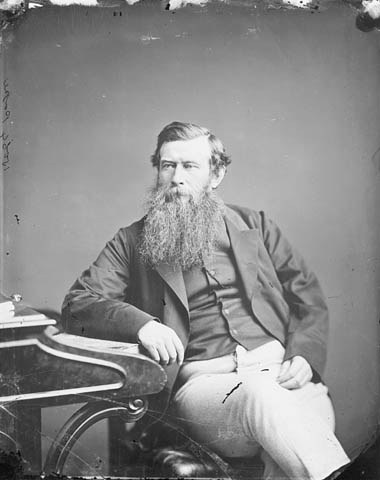
Sir William Price, about 1924 (Fonds Dubuc).
CA-K853Economy & trade

Sir William Price, from lumber to pulp and paper

William Price joined his family’s lumber business in 1885 and took control in 1899, when it was close to failing. To diversify, he bought a pulp mill at Jonquière and helped lead the shift from lumber to pulp and paper, a sector in which Canada became a world leader by the 1920s. His mill at Kénogami was for years Canada’s top newsprint producer.

Factual accuracy review: No recorded challenge

Contributor: Citizen.ca

Verified against cited sourcesVerified on 2026-10-26↗
Photo: Fonds Dubuc · Photo licence: Public domain · Credit & context
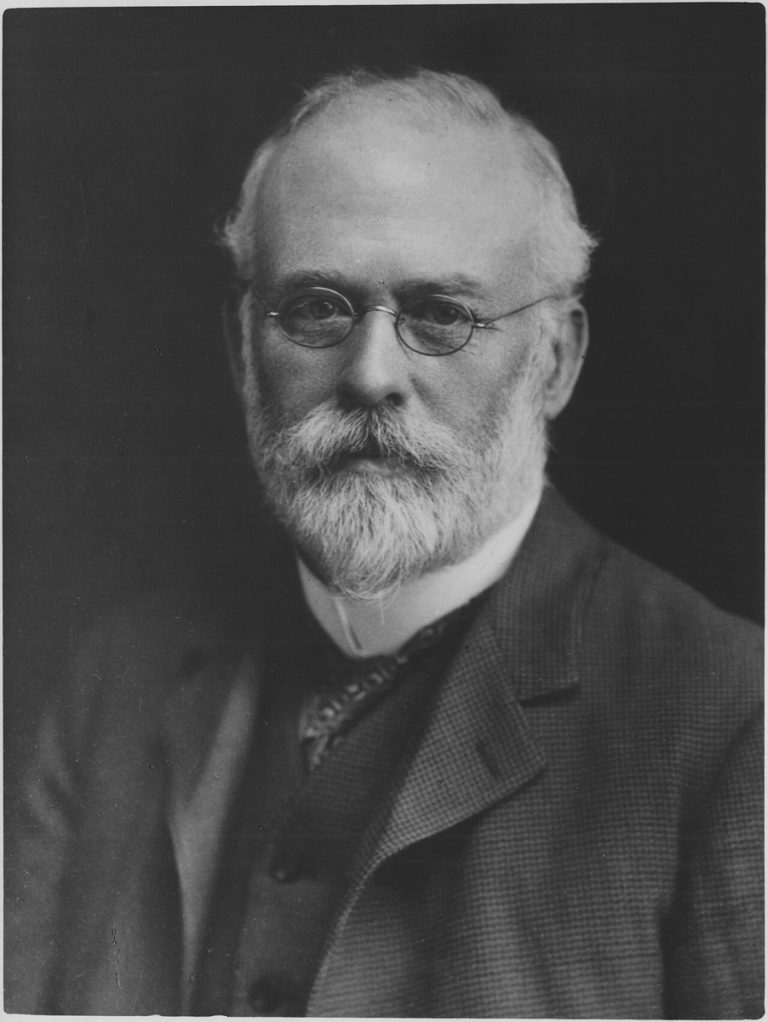
William Henry Pope, 1873 (William James Topley).
CA-K836History

William Henry Pope, Island advocate of Confederation

William Henry Pope, born at Bedeque, Prince Edward Island, became Colonial Secretary in 1859 and represented Queen’s County in the Assembly from 1863 to 1867. A strong supporter of Confederation, he was a delegate to the Charlottetown and Quebec conferences of 1864. He became a judge of Prince County in 1873.

Factual accuracy review: No recorded challenge

Contributor: Citizen.ca

Verified against cited sourcesVerified on 2026-10-26↗
Photo: William James Topley · Photo licence: Public domain · Credit & context
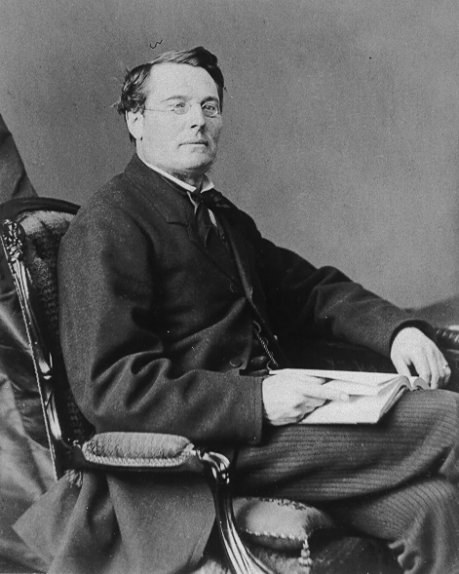
Robert Harris, C.M.G., R.C.A. (Archives of Ontario).
CA-K835Culture & sport

Robert Harris, painter of the Fathers of Confederation

Robert Harris, born in Wales, came to Prince Edward Island in 1856 and studied art in Charlottetown, Boston, London, Paris and Rome. One of Canada’s leading portrait painters and a long-time teacher, he was an original member of the Royal Canadian Academy and its president from 1890 to 1903. He is best known for his painting of the Fathers of Confederation.

Factual accuracy review: No recorded challenge

Contributor: Citizen.ca

Verified against cited sourcesVerified on 2026-10-26↗
Photo: Unknown photographer; Archives of Ontario · Photo licence: Public domain · Credit & context
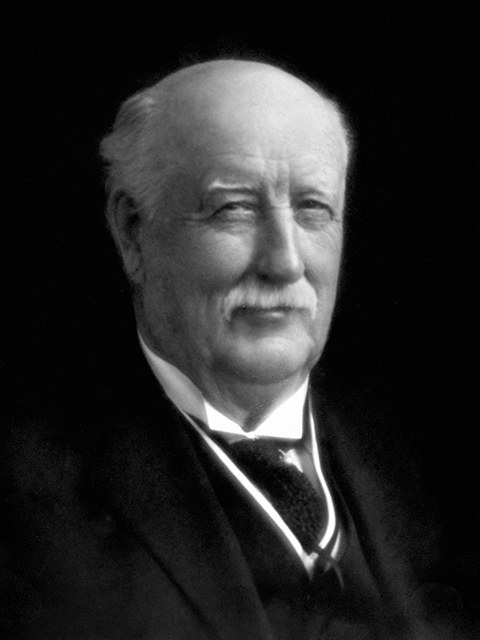
Edward Blake, portrait.
CA-K832History

Edward Blake, Ontario premier and Liberal leader

Edward Blake, a lawyer born in Middlesex County, Upper Canada, and a leading member of the Canada First movement, was the second premier of Ontario (1871–72). In 22 years in the House of Commons he was Minister of Justice under Alexander Mackenzie and led the federal Liberals from 1880 to 1887. A constitutional authority, he later sat in the British Parliament as an Irish Nationalist.

Factual accuracy review: No recorded challenge

Contributor: Citizen.ca

Verified against cited sourcesVerified on 2026-10-26↗
Photo: Ewing · Photo licence: Public domain · Credit & context
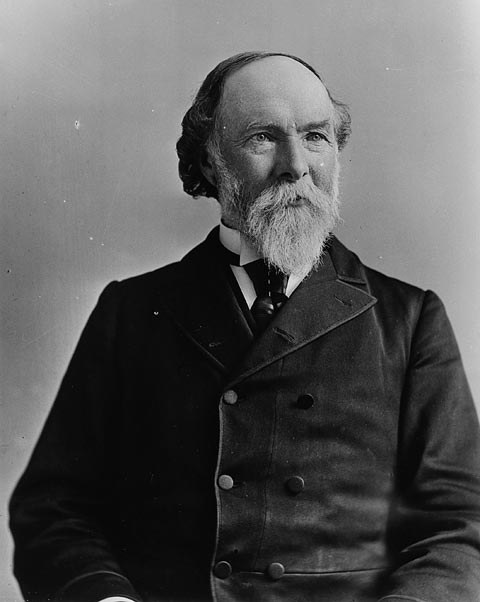
Sir William Gage, about 1910.
CA-K831Culture & sport

W.J. Gage, publisher and fighter against tuberculosis

William James Gage, born near Brampton, joined the publisher Adam Miller and Co. in 1874 and in 1880 reorganized it as W.J. Gage and Co. Specializing in educational books, it became one of Canada’s most successful publishing houses. A philanthropist and pioneer in the fight against tuberculosis, Gage founded several free hospitals and sanatoria.

Factual accuracy review: No recorded challenge

Contributor: Citizen.ca

Verified against cited sourcesVerified on 2026-10-26↗
Photo: Unknown author · Photo licence: Public domain · Credit & context
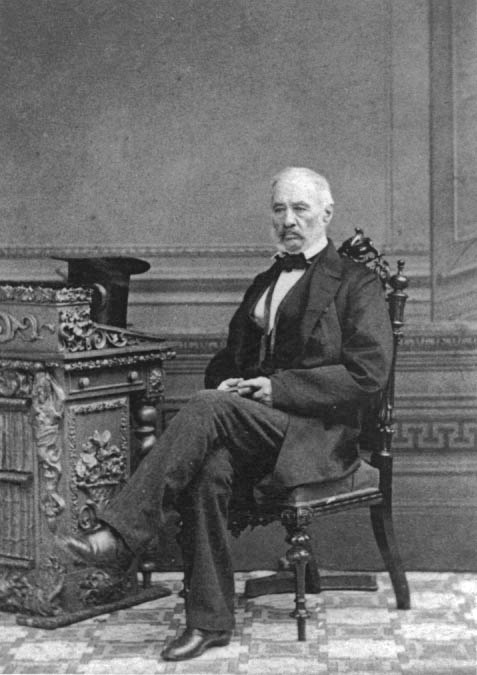
Andrew Archibald Macdonald, 1892 (William James Topley).
CA-K829History

Andrew Archibald Macdonald, note-taker at Quebec

Andrew Archibald Macdonald, a Prince Edward Island merchant and shipbuilder, sat in the Legislative Assembly and Council. He attended the Charlottetown and Quebec conferences of 1864, and his notes from Quebec are one of the few original records of that conference. After the Island joined Confederation he became its Lieutenant-Governor and was later named to the Senate.

Factual accuracy review: No recorded challenge

Contributor: Citizen.ca

Verified against cited sourcesVerified on 2026-10-26↗
Photo: William James Topley · Photo licence: Public domain · Credit & context
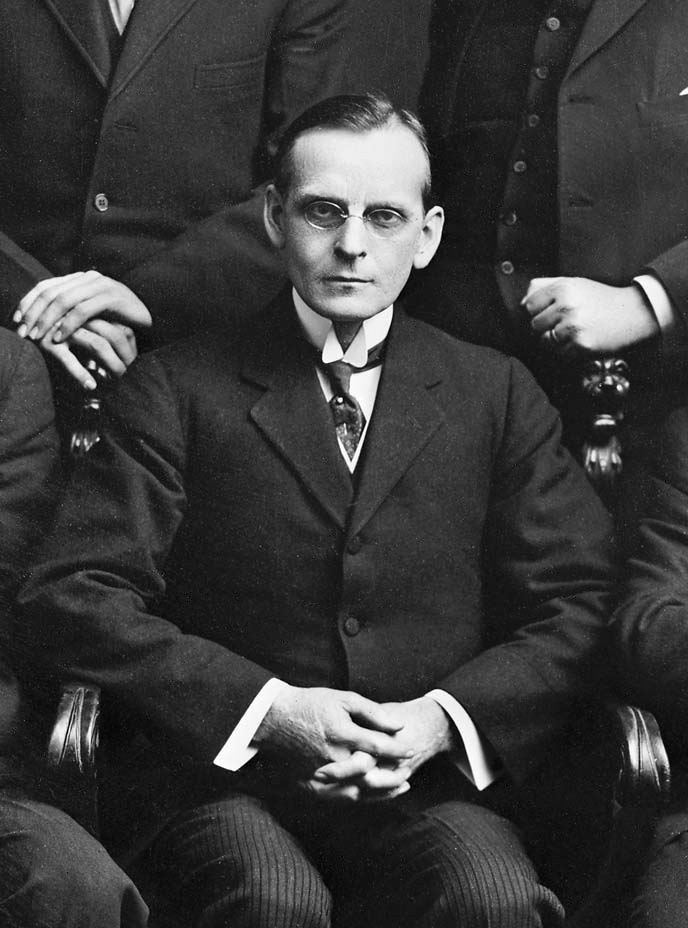
Philippe Aubert de Gaspé, 1863.
CA-K826Culture & sport

Philippe Aubert de Gaspé, author of Les Anciens Canadiens

Philippe Aubert de Gaspé, son of the seigneur of Saint-Jean-Port-Joli, gave up his legal career because of debt in 1822. In long retirement he gathered anecdotes and popular traditions that became the basis of his historical novel Les Anciens Canadiens (1863). That novel and his Mémoires (1866) are landmarks of Canadian literature and valued sources for historians and folklorists.

Factual accuracy review: No recorded challenge

Contributor: Citizen.ca

Verified against cited sourcesVerified on 2026-10-26↗
Photo: Jules-Isaïe Benoît · Photo licence: Public domain · Credit & context
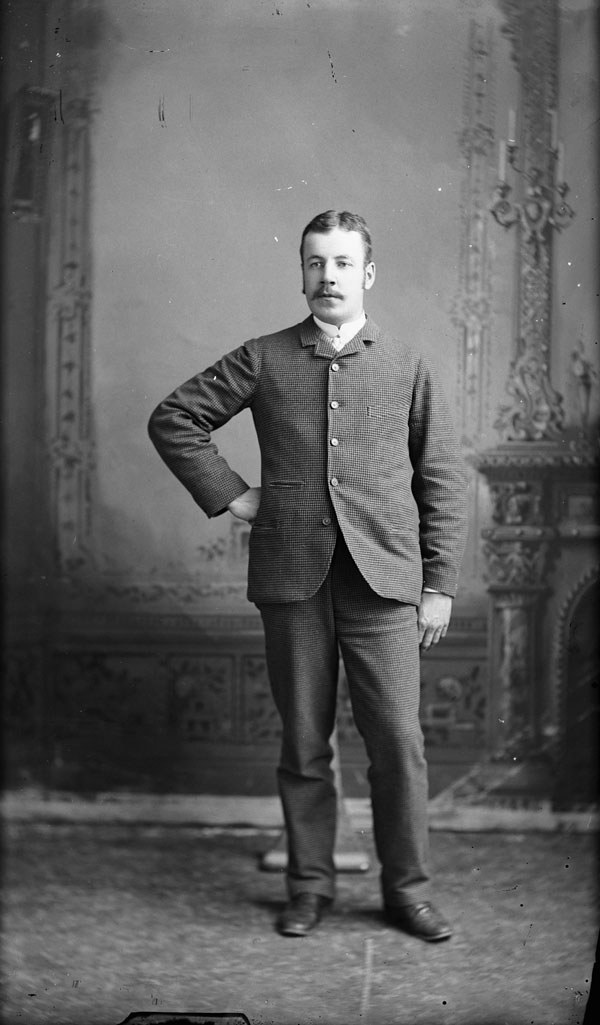
Joseph E. Atkinson, 1910s (City of Toronto Archives).
CA-K818Culture & sport

Joseph Atkinson of the Toronto Star

Joseph E. Atkinson became managing editor of the Toronto Star in 1899 and its majority owner by 1913. He sought to make the paper a tool of social reform, and his innovations changed Canadian journalism and made the Star the country’s largest-circulation newspaper by the 1930s. He left his fortune to the Atkinson Charitable Foundation, which supports cultural, medical and educational institutions in Ontario.

Factual accuracy review: No recorded challenge

Contributor: Citizen.ca

Verified against cited sourcesVerified on 2026-10-26↗
Photo: Unknown photographer; City of Toronto Archives · Photo licence: Public domain · Credit & context
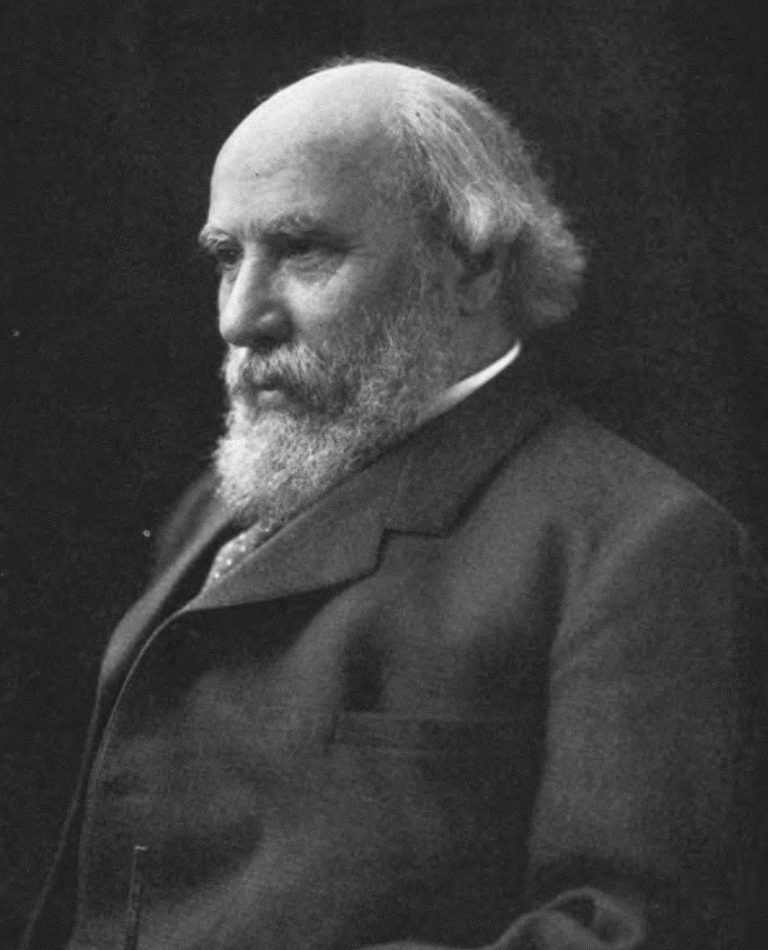
Albert Peter Low, 1897 (William James Topley).
CA-K816Places & geography

A.P. Low, explorer of Labrador and the Arctic

Albert Peter Low of Montréal joined the Geological Survey of Canada in 1882. In 1884 he made the first scientific survey and map of Lake Mistassini, and in the 1890s explored much of the interior of Ungava and Labrador, noting its iron deposits. He commanded the first Arctic patrol, aboard the Neptune in 1903–04, and became Director of the Geological Survey in 1906.

Factual accuracy review: No recorded challenge

Contributor: Citizen.ca

Verified against cited sourcesVerified on 2026-10-26↗
Photo: William James Topley · Photo licence: Public domain · Credit & context
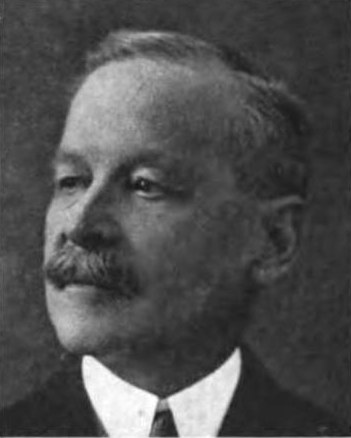
James J. Hill, 1916 (Pach Bros.).
CA-K811Economy & trade

James J. Hill, railway builder

James Jerome Hill, born near Rockwood, Upper Canada, moved to St. Paul, Minnesota, in 1856. He organized the Red River Transportation Company linking St. Paul and Winnipeg and by 1878 was building a railway empire. A CPR board member from 1880 to 1883, he became a major competitor, organized the Great Northern system by 1889, and built many feeder lines to the Canadian border.

Factual accuracy review: No recorded challenge

Contributor: Citizen.ca

Verified against cited sourcesVerified on 2026-10-26↗
Photo: Pach Bros. · Photo licence: Public domain · Credit & context
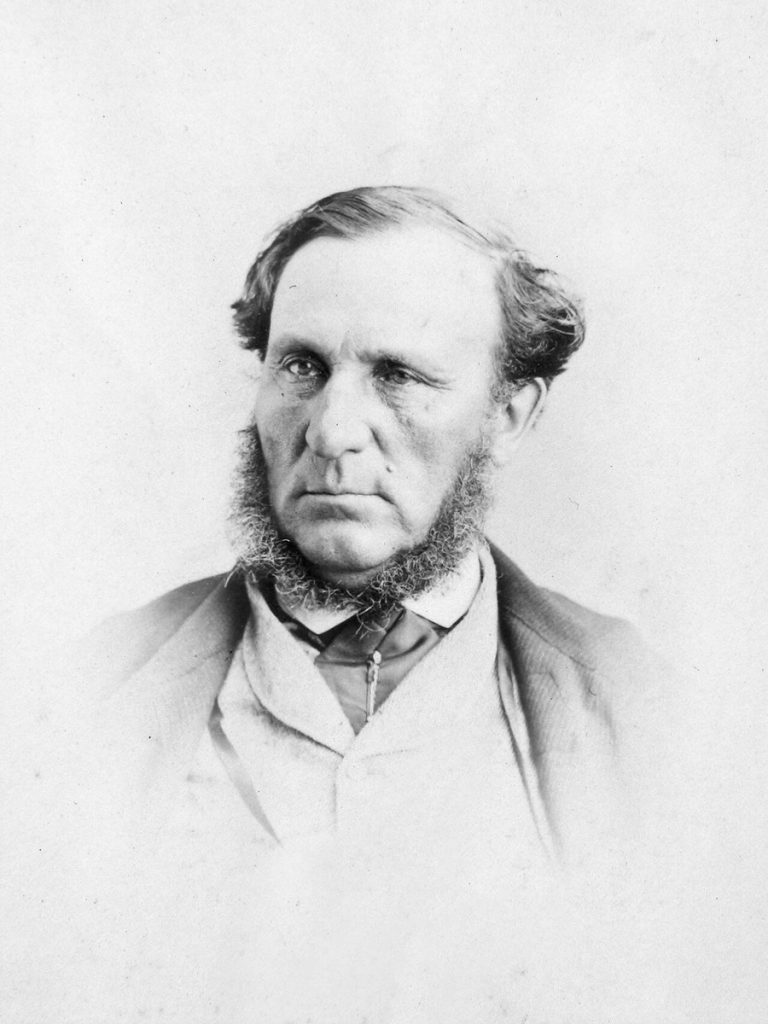
Édouard-Gaston Deville, 1914.
CA-K808Places & geography

Édouard Deville, Surveyor General and photogrammetry pioneer

Édouard-Gaston Deville, a former French Navy hydrographer, came to Canada in 1874, took part in the Dominion survey of the North-West, and became Surveyor General in 1885. A pioneer of photogrammetry, he used it to map the Canadian Rockies between 1888 and 1896 and earned an international reputation for his writing, instruments and map reproduction methods. Mount Deville in Yoho National Park bears his name.

Factual accuracy review: No recorded challenge

Contributor: Citizen.ca

Verified against cited sourcesVerified on 2026-10-26↗
Photo: Unknown author · Photo licence: Public domain · Credit & context
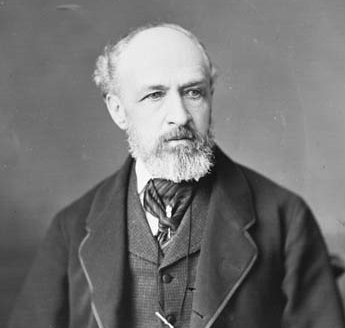
George Coles, 1865 (William Notman).
CA-K807History

George Coles, premier of Prince Edward Island

George Coles, a native Prince Edward Islander, represented Queen’s in the House of Assembly from 1842 to 1868. Co-founder of the Liberal Party with Edward Whelan and a strong advocate of responsible government, he became premier when it was granted in 1851 and held office three times. A Father of Confederation, he attended the Charlottetown and Quebec conferences of 1864.

Factual accuracy review: No recorded challenge

Contributor: Citizen.ca

Verified against cited sourcesVerified on 2026-10-26↗
Photo: William Notman · Photo licence: Public domain · Credit & context
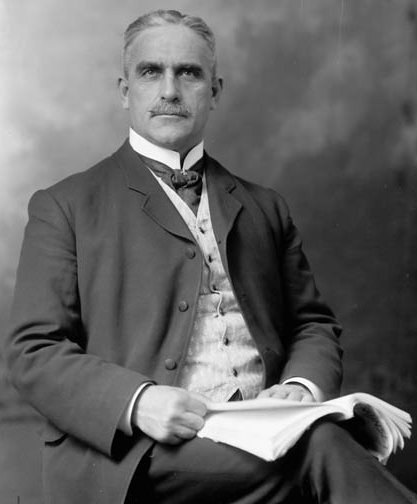
Thomas Heath Haviland, 1879 (William James Topley).
CA-K805History

Thomas Heath Haviland, Island Father of Confederation

Thomas Heath Haviland, born in Charlottetown, represented Georgetown in the Prince Edward Island legislature and held posts including Colonial Secretary and Speaker. A delegate to the Quebec Conference of 1864, he was one of three who arranged the Island’s entry into Confederation in 1873. He was then named to the Senate, and later became the province’s Lieutenant-Governor.

Factual accuracy review: No recorded challenge

Contributor: Citizen.ca

Verified against cited sourcesVerified on 2026-10-26↗
Photo: William James Topley · Photo licence: Public domain · Credit & context
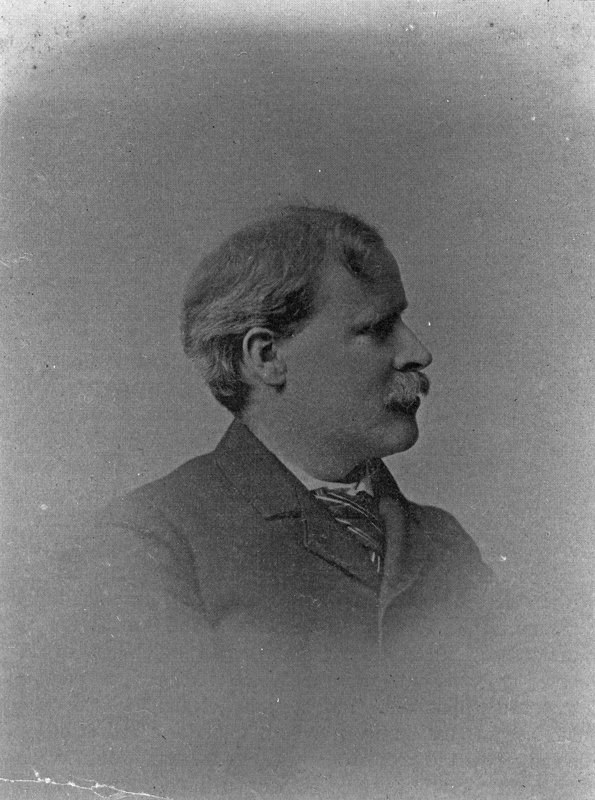
Col. Sam Hughes, 1905 (William James Topley).
CA-K801History

Sir Sam Hughes, Minister of Militia

Sam Hughes, soldier, journalist and Member of Parliament for Lindsay from 1892 to 1921, helped create a distinctly Canadian army. As Minister of Militia and Defence from 1911 to 1916, he raised the Canadian Expeditionary Force that fought in the First World War and was knighted, but disputes with colleagues and subordinates forced him from Cabinet in 1916.

Factual accuracy review: No recorded challenge

Contributor: Citizen.ca

Verified against cited sourcesVerified on 2026-10-26↗
Photo: William James Topley · Photo licence: Public domain · Credit & context
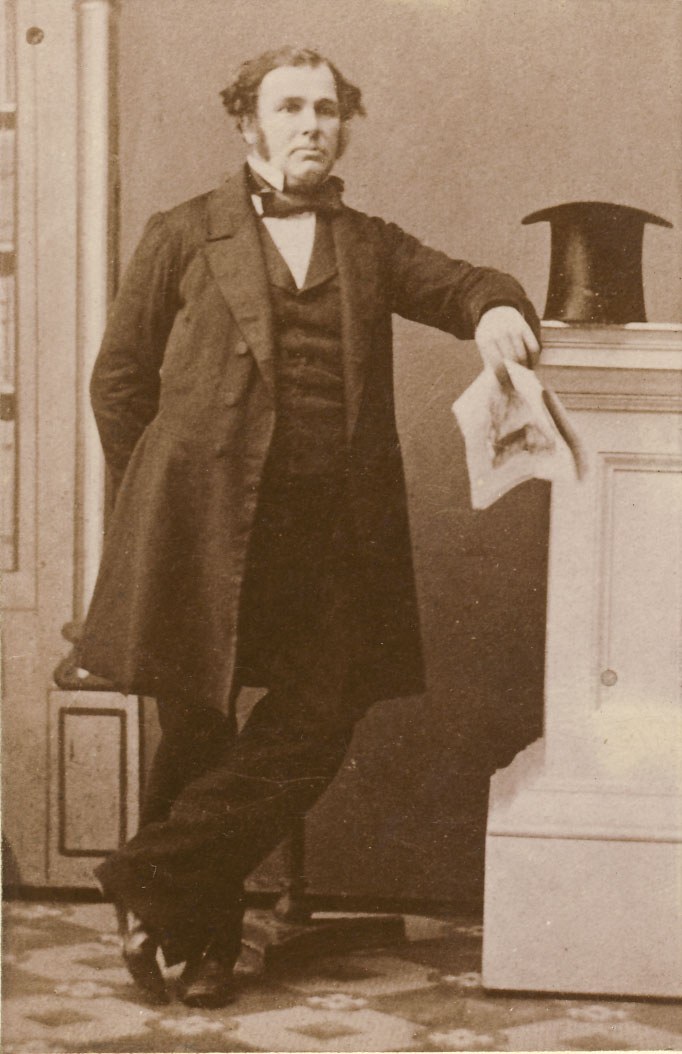
John Wilson Bengough, 1900.
CA-K795Culture & sport

J.W. Bengough, cartoonist of Grip

John Wilson Bengough of Toronto was a cartoonist, journalist, poet and lecturer working in several literary and visual forms. In 1873 he founded Grip, a weekly humour magazine where many of his best-known cartoons first appeared. He later drew for the Montreal Star and the Globe, and published A Caricature History of Canadian Politics (1886) and two books of poems.

Factual accuracy review: No recorded challenge

Contributor: Citizen.ca

Verified against cited sourcesVerified on 2026-10-26↗
Photo: Unknown author · Photo licence: Public domain · Credit & context
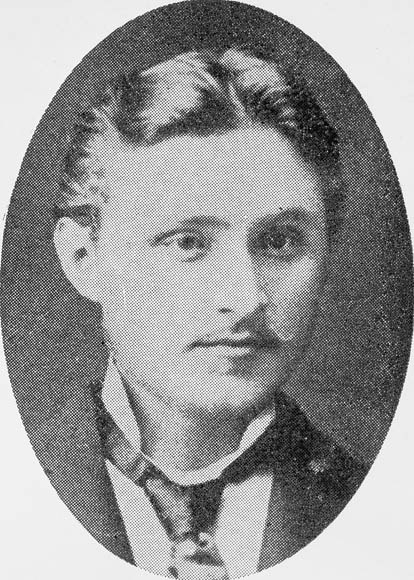
John Kinder Labatt, about 1864.
CA-K794Economy & trade

John Kinder Labatt and the London brewery

John Kinder Labatt, born in Ireland, came to Canada in 1834 and farmed near London, Ontario. In 1847 he bought into Samuel Eccles’ London brewery and in 1854 became its sole owner; under his son and grandson it grew into one of Canada’s largest. He also helped establish London’s early financial institutions and promoted local roads and railways.

Factual accuracy review: No recorded challenge

Contributor: Citizen.ca

Verified against cited sourcesVerified on 2026-10-26↗
Photo: The Labatt Brewing Company Archival Collection · Photo licence: Public domain · Credit & context
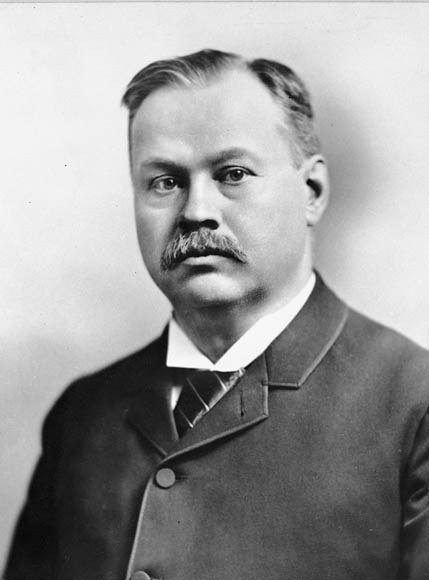
Cyril Genik, portrait.
CA-K791History

Cyril Genik and Ukrainian settlement in the West

During the first wave of Ukrainian immigration (1896–1914), Cyril Genik helped thousands of Ukrainians settle in the western provinces. Named an immigration agent soon after reaching Winnipeg in 1896, he was the first Ukrainian in the federal civil service, and for 18 years advised newcomers while strengthening the community’s cultural life.

Factual accuracy review: No recorded challenge

Contributor: Citizen.ca

Verified against cited sourcesVerified on 2026-10-26↗
Photo: Unknown author · Photo licence: Public domain · Credit & context
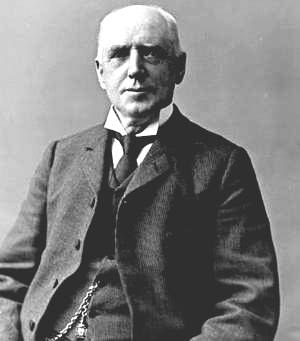
Louis-Honoré Fréchette, 1900.
CA-K790Culture & sport

Louis Fréchette, poet of French Canada

Louis Fréchette, born at Lévis, was a noted polemicist and a prominent French-Canadian poet of the 19th century. His collections Les Fleurs boréales and Les Oiseaux de neige won the Académie française’s Prix Montyon in 1880, and he also wrote the epic La Légende d’un peuple. He sat in the House of Commons for Lévis and later was Clerk of the Quebec Legislative Council.

Factual accuracy review: No recorded challenge

Contributor: Citizen.ca

Verified against cited sourcesVerified on 2026-10-26↗
Photo: Royal Society Portraits · Photo licence: Public domain · Credit & context
Ezra Butler Eddy, 1894 (William James Topley).
CA-K789Economy & trade

E.B. Eddy, match maker of the Chaudière

Ezra Butler Eddy, born in Vermont, came to the Chaudière Falls in 1851 and started a small hand-operated match factory. He grew into a lumber magnate and maker of wooden goods, by the 1880s was Canada’s largest match producer and also made wood pulp, and in 1890 opened an up-to-date paper mill, helping make the Chaudière area a major industrial centre.

Factual accuracy review: No recorded challenge

Contributor: Citizen.ca

Verified against cited sourcesVerified on 2026-10-26↗
Photo: William James Topley · Photo licence: Public domain · Credit & context