An independent Canadian knowledge project

Focused and Verified

Canadian knowledge base

Search by keyword

Choose one keyword, or combine two. Broader keywords include their descendants.

Keywords: Record types

Clear search
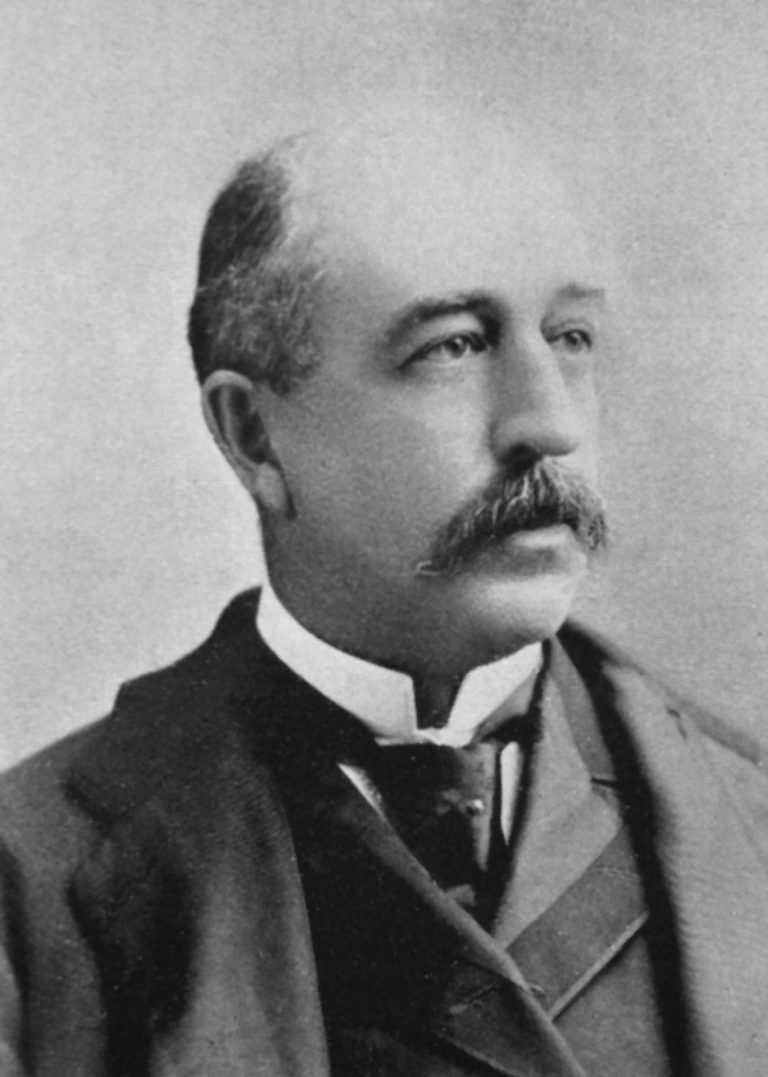
Portrait of Dr. Frédérick Montizambert.
CA-K389Institutions

Dr. Frédérick Montizambert, Canada’s first public health chief

Dr. Frédérick Montizambert (1843–1929) was medical superintendent of the Grosse Île quarantine station for 30 years and later oversaw all of Canada’s quarantine stations, pioneering bacteriology and epidemiology. In 1899 he became Canada’s first Director General of Public Health, championing prevention, disinfection and vaccination during a time of mass immigration.

Factual accuracy review: No recorded challenge

Contributor: Citizen.ca

Verified against cited sourcesVerified on 2026-10-26↗
Photo: Unknown author · Photo licence: Public domain · Credit & context
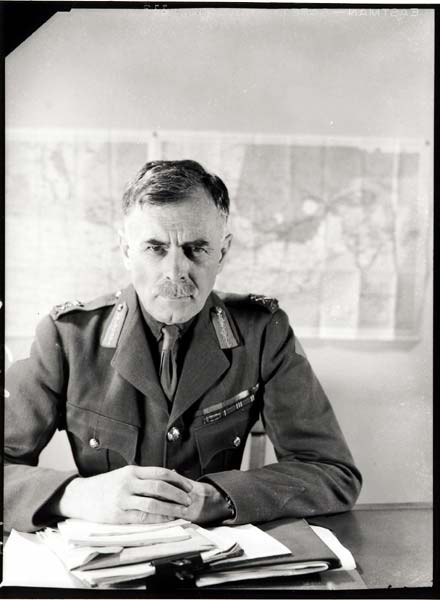
Lieutenant-General A. G. L. McNaughton in March 1942 (Department of National Defence).
CA-K387History

A. G. L. McNaughton, soldier and scientist

A. G. L. McNaughton (1887–1966), born in Moosomin in today’s Saskatchewan, played a notable role in Canadian life as a scientist, soldier, politician and diplomat. He served as an artillery officer in the First World War, co-invented the forerunner of radar, led the National Research Council, and represented Canada in senior diplomatic roles after the Second World War.

Factual accuracy review: No recorded challenge

Contributor: Citizen.ca

Verified against cited sourcesVerified on 2026-10-26↗
Photo: Unknown author · Photo licence: Public domain · Credit & context
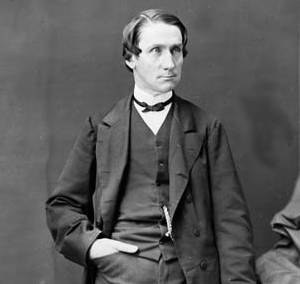
Alexander Morris in Ottawa, December 1869 (Topley Studio).
CA-K386Indigenous peoples & reconciliation

Alexander Morris and the Numbered Treaties

Alexander Morris, a supporter of Confederation and lieutenant-governor of Manitoba and the North-West Territories, negotiated Treaties 3, 4, 5 and 6 with First Nations from 1873 to 1876. First Nations sought a reciprocal relationship that safeguarded their autonomy, while Canada’s main goal was territorial expansion for settlers; Morris pressed the government to keep its spoken promises.

Factual accuracy review: No recorded challenge

Contributor: Citizen.ca

Verified against cited sourcesVerified on 2026-10-26↗
Photo: William James Topley · Photo licence: Public domain · Credit & context
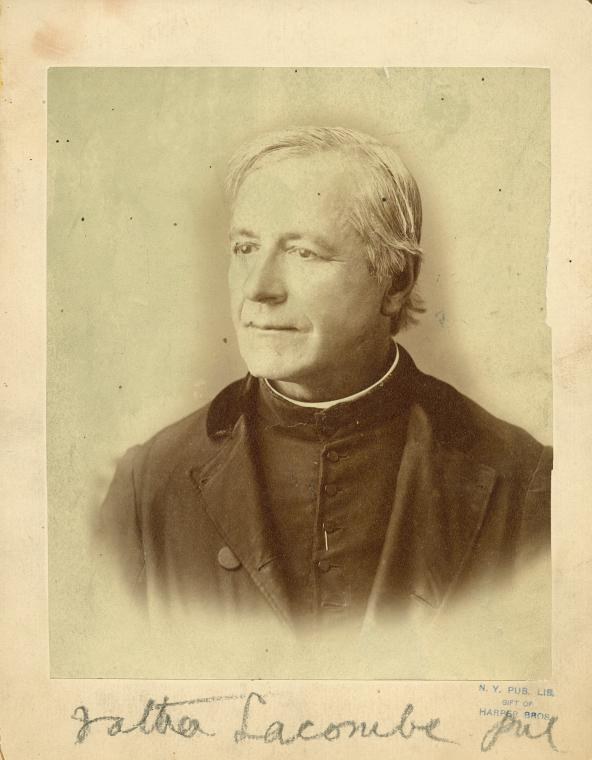
Father Albert Lacombe, photographed before 1916.
CA-K385Indigenous peoples & reconciliation

Father Albert Lacombe, missionary in the West

From 1852, Oblate priest Albert Lacombe spent over 60 years seeking to convert Indigenous Peoples in western Canada to Christianity, founding missions such as St. Albert with Métis and Cree help and acting as a go-between during Treaty 8 talks. He was the first principal of the High River Industrial School in 1884–1885 and advocated separating children from their families and suppressing Indigenous languages.

Factual accuracy review: No recorded challenge

Contributor: Citizen.ca

Verified against cited sourcesVerified on 2026-10-26↗
Photo: Unknown author · Photo licence: Public domain · Credit & context
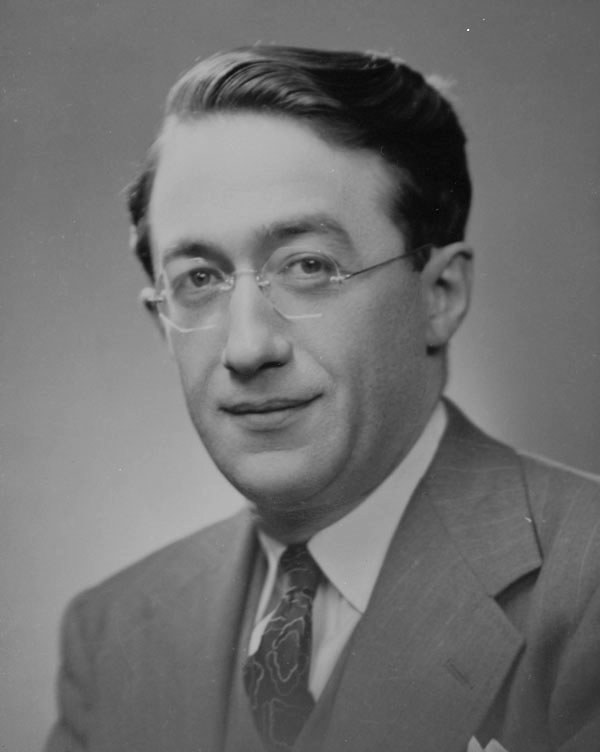
A. M. Klein in the mid-1940s (Library and Archives Canada).
CA-K383Culture & sport

A. M. Klein, poet of Jewish Montréal

A. M. Klein (1909–1972) combined modernism with Jewish literary traditions in poetry that portrayed his downtown Montréal neighbourhood. His collection The Rocking Chair and Other Poems, depicting Quebec and its people, won the Governor General’s Award in 1949.

Factual accuracy review: No recorded challenge

Contributor: Citizen.ca

Verified against cited sourcesVerified on 2026-10-26↗
Photo: Library and Archives Canada · Photo licence: Public domain · Credit & context
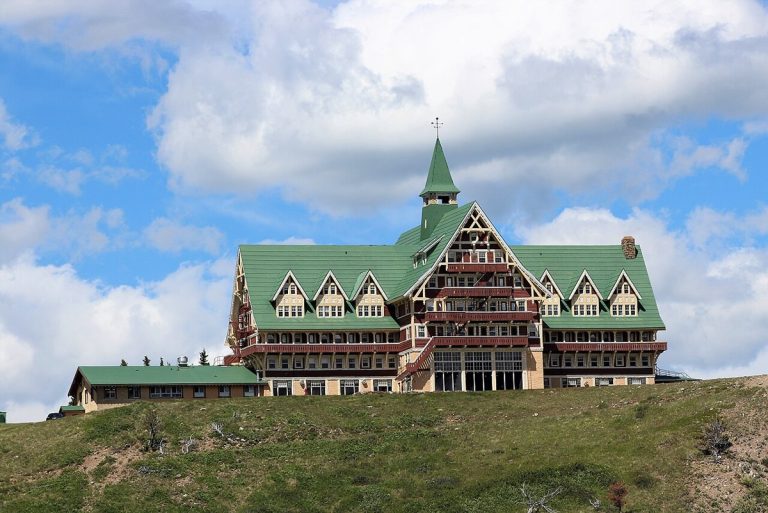
The Prince of Wales Hotel above Waterton Lake, Alberta, photographed in 2016.
CA-K382Places & geography

The Prince of Wales Hotel, Waterton Lakes

The Prince of Wales Hotel in Waterton Lakes National Park, Alberta, built in 1926–1927, is a grand survivor of the golden age of railway resorts in Canada. It was the only Canadian link in the Great Northern Railway’s chain of park hotels, and its soaring roof, gables and balconies give it the look of a giant alpine chalet.

Factual accuracy review: No recorded challenge

Contributor: Citizen.ca

Verified against cited sourcesVerified on 2026-10-26↗
Photo: Lazarus000 · Photo licence: CC BY-SA 4.0 · Credit & context
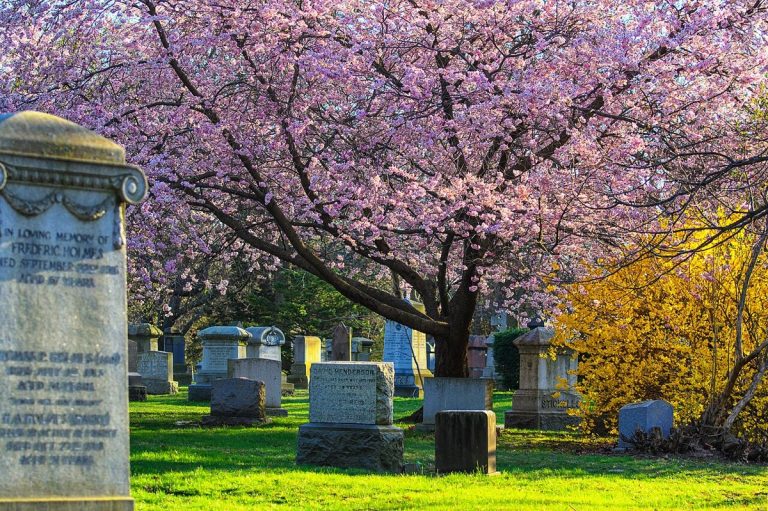
Cherry trees in blossom at Mount Pleasant Cemetery, Toronto, photographed in 2012.
CA-K381Places & geography

Mount Pleasant Cemetery, a Toronto garden cemetery

Mount Pleasant Cemetery in Toronto, designed by Henry Adolph Engelhardt and opened in 1876, is an outstanding example of landscape design inspired by the European and American garden cemeteries of the 19th century. Its winding roads, trees and views frame monuments to many people prominent in local, provincial and national history.

Factual accuracy review: No recorded challenge

Contributor: Citizen.ca

Verified against cited sourcesVerified on 2026-10-26↗
Photo: Anton Bielousov · Photo licence: CC BY-SA 3.0 · Credit & context
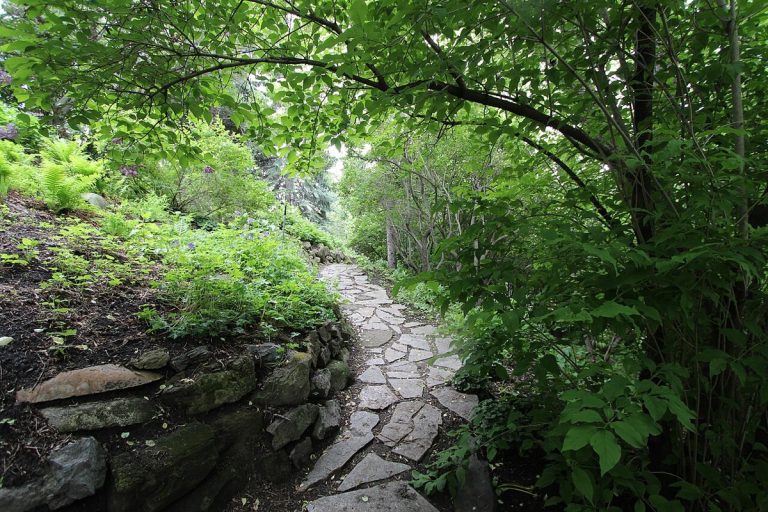
A stone path through Reader Rock Garden in Calgary, photographed in 2014.
CA-K380Places & geography

Reader Rock Garden, Calgary

Reader Rock Garden in Calgary is an Arts and Crafts-style alpine rockery laid out on a steep hillside by William R. Reader, the city’s parks superintendent from 1913 to 1942. Its planting beds tested and showed off what could grow in Calgary, challenging the belief that southern Alberta’s climate was too harsh for agriculture and horticulture.

Factual accuracy review: No recorded challenge

Contributor: Citizen.ca

Verified against cited sourcesVerified on 2026-10-26↗
Photo: Thank you for visiting my page from Canada · Photo licence: CC BY 2.0 · Credit & context
A pond in the Flowery Brook area of the Montréal Botanical Garden, photographed in 2017.
CA-K379Places & geography

The Montréal Botanical Garden of Brother Marie-Victorin

The Montréal Botanical Garden, founded in 1931, was developed through botanist Brother Marie-Victorin’s leadership and landscape architect Henry Teuscher’s design. It includes exhibition greenhouses, thematic gardens and an arboretum, combining botanical study with public horticultural education.

Factual accuracy review: No recorded challenge

Contributor: Citizen.ca

Verified against cited sourcesVerified on 2026-10-26↗
Photo: King of Hearts · Photo licence: CC BY-SA 4.0 · Credit & context
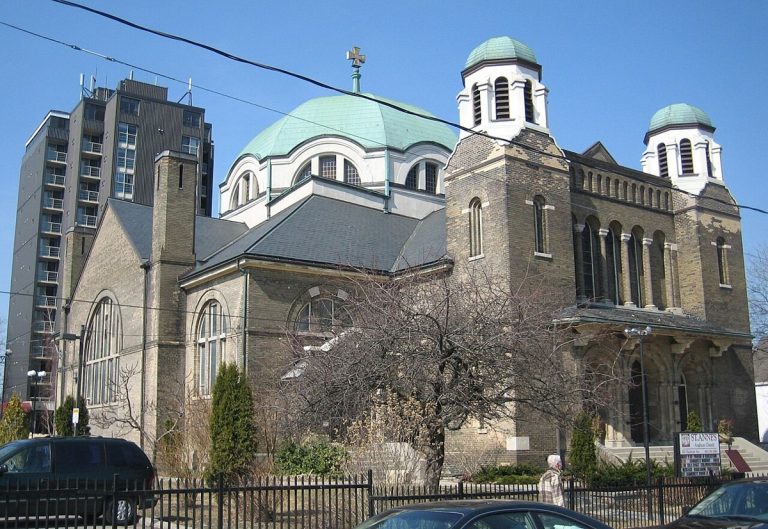
St. Anne’s Anglican Church in Toronto, photographed in 2009, before the fire that destroyed the historic building in June 2024.
CA-K378Culture & sport

St. Anne’s Church and its Group of Seven murals

St. Anne’s Anglican Church in Toronto was built in 1907–1908 in the Byzantine Revival style. Its 1923 murals included work by J. E. H. MacDonald, Frederick Varley and Franklin Carmichael of the Group of Seven. A fire destroyed the historic church building and its irreplaceable artwork on 9 June 2024.

Factual accuracy review: No recorded challenge

Contributor: Citizen.ca

Verified against cited sourcesVerified on 2026-10-26↗
Photo: SimonP · Photo licence: CC BY-SA 3.0 · Credit & context
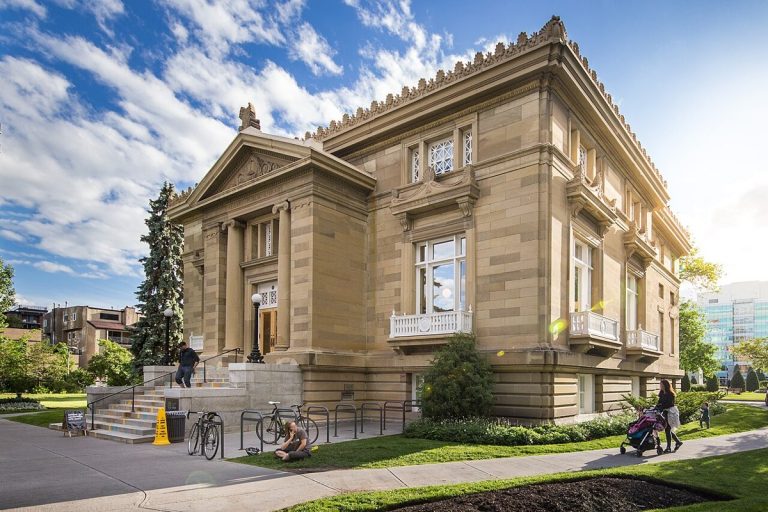
Memorial Park Library in Calgary, Alberta, photographed in 2017.
CA-K377Culture & sport

Calgary’s Central Memorial Library, a Carnegie library

Calgary’s Central Memorial Library and Park opened in 1912 and is one of the largest and most imposing of the 125 Carnegie libraries built in Canada. A project of local women led by Annie Davidson, funded with Andrew Carnegie, it served as the city’s main library until 1963 and as a social and cultural centre for more than a century.

Factual accuracy review: No recorded challenge

Contributor: Citizen.ca

Verified against cited sourcesVerified on 2026-10-26↗
Photo: Dean T Mullin of the Calgary Public Library · Photo licence: CC0 · Credit & context
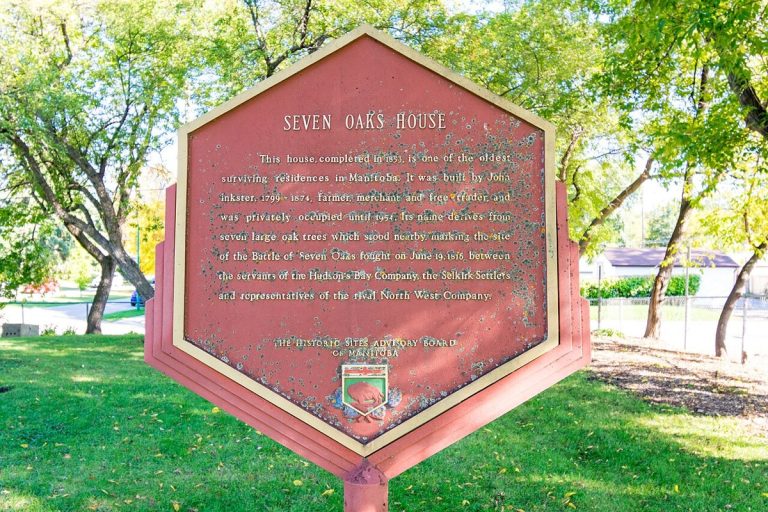
A historical plaque at Seven Oaks House Museum in Winnipeg, Manitoba, photographed in 2017.
CA-K376Indigenous peoples & reconciliation

Seven Oaks House and the Inkster family of Red River

Seven Oaks House in Winnipeg, in the Métis homeland and on Treaty 1 territory, includes a cabin of about 1831 built in Red River frame style and a Georgian house of 1851–1853. Home to the Scottish and Métis Inkster family, it shows the centrality of Métis families in the Red River community and the shift from the fur trade to farming and town life.

Factual accuracy review: No recorded challenge

Contributor: Citizen.ca

Verified against cited sourcesVerified on 2026-10-26↗
Photo: Jessica Losorata · Photo licence: CC BY-SA 4.0 · Credit & context
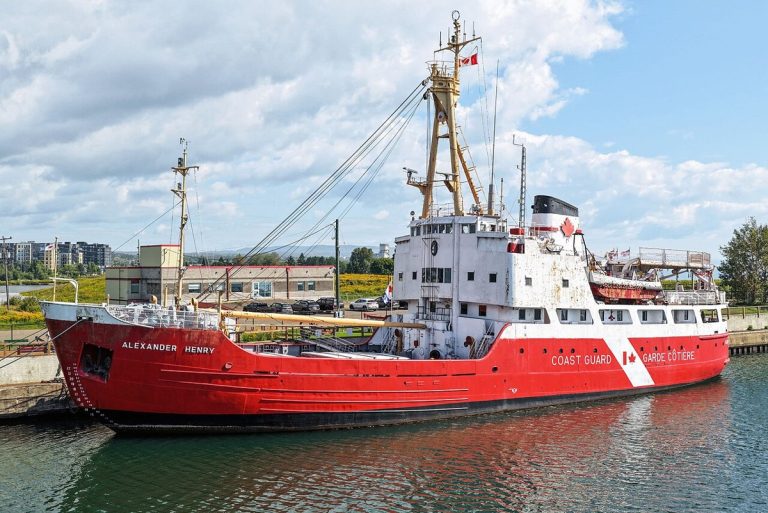
The former CCGS Alexander Henry, preserved in Thunder Bay, Ontario, photographed in 2026.
CA-K374History

CCGS Alexander Henry, Lake Superior icebreaker

The CCGS Alexander Henry, launched at Port Arthur (now Thunder Bay) in 1958, was the main Canadian icebreaker on Lake Superior from 1959 to 1985 and part of the first Canadian Coast Guard fleet in 1962. The red and white ship broke ice to lengthen the shipping season, supplied lighthouses, maintained buoys and carried out search and rescue.

Factual accuracy review: No recorded challenge

Contributor: Citizen.ca

Verified against cited sourcesVerified on 2026-10-26↗
Photo: Quintin Soloviev · Photo licence: CC BY 4.0 · Credit & context
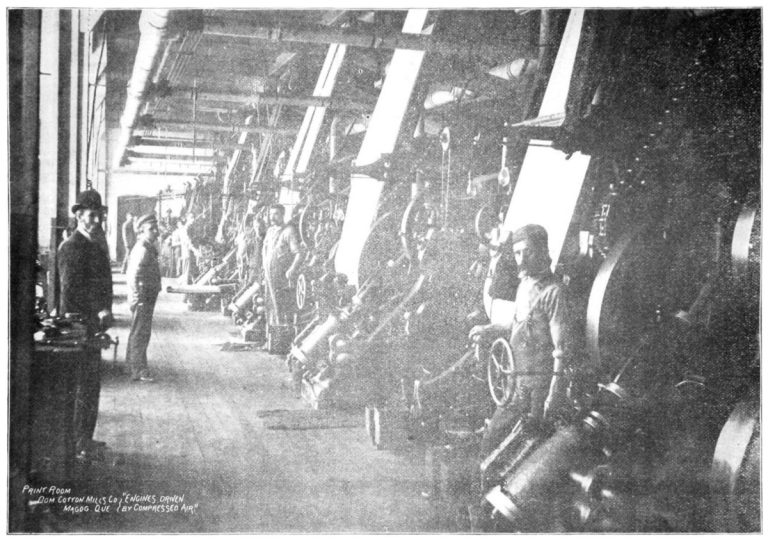
The print room of the Magog cotton mill in 1897.
CA-K373Economy & trade

The Magog Textile Mill, Canada’s first cotton printing

The Magog Textile Mill in Quebec, built in 1883 on the Magog River, began printing cotton in 1884 and was the country’s only cotton-printing mill until 1899. It was the only 19th-century mill where spinning, weaving, bleaching and printing were all done at one site; as part of Dominion Textile it employed 2,300 people by 1943.

Factual accuracy review: No recorded challenge

Contributor: Citizen.ca

Verified against cited sourcesVerified on 2026-10-26↗
Photo: Charles Havelock Taylor (1859-1953) · Photo licence: Public domain · Credit & context
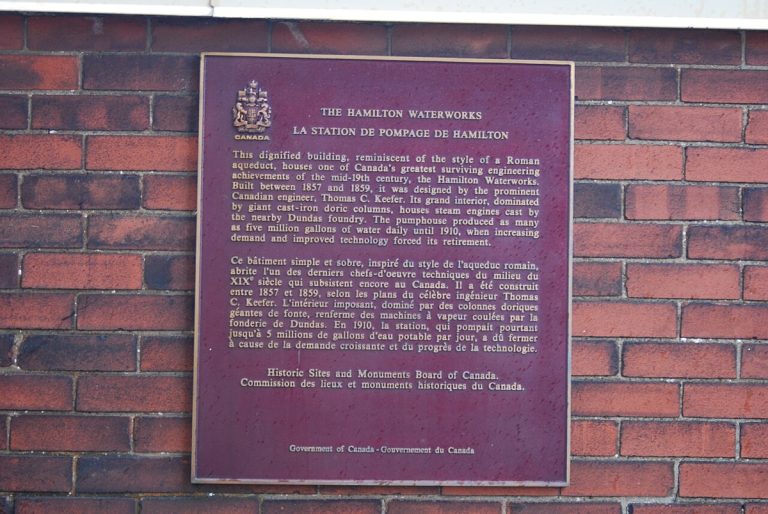
A commemorative plaque for the Hamilton Waterworks in Hamilton, Ontario, photographed in 2011.
CA-K372Economy & trade

The Hamilton Waterworks, a Victorian engineering feat

The Hamilton Waterworks in Ontario, built in 1857–1859 to a design by engineer Thomas C. Keefer, is one of Canada’s greatest surviving engineering achievements of the mid-19th century. Its steam-powered pumphouse supplied as much as five million gallons of water a day until 1910, and the complex survives largely intact.

Factual accuracy review: No recorded challenge

Contributor: Citizen.ca

Verified against cited sourcesVerified on 2026-10-26↗
Photo: John A. Speakman · Photo licence: CC BY-SA 3.0 · Credit & context
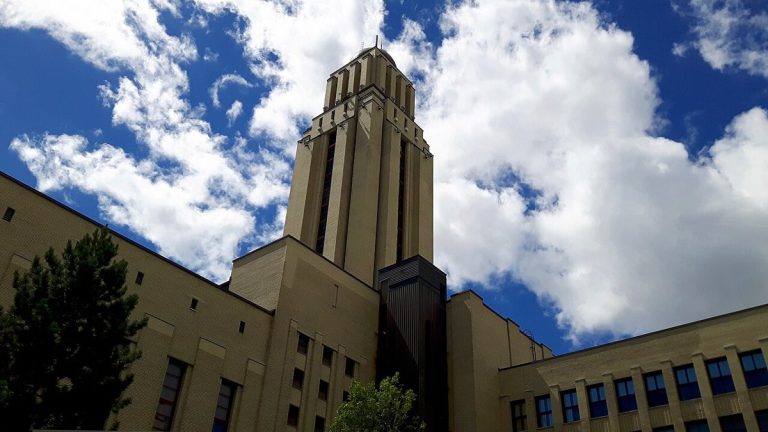
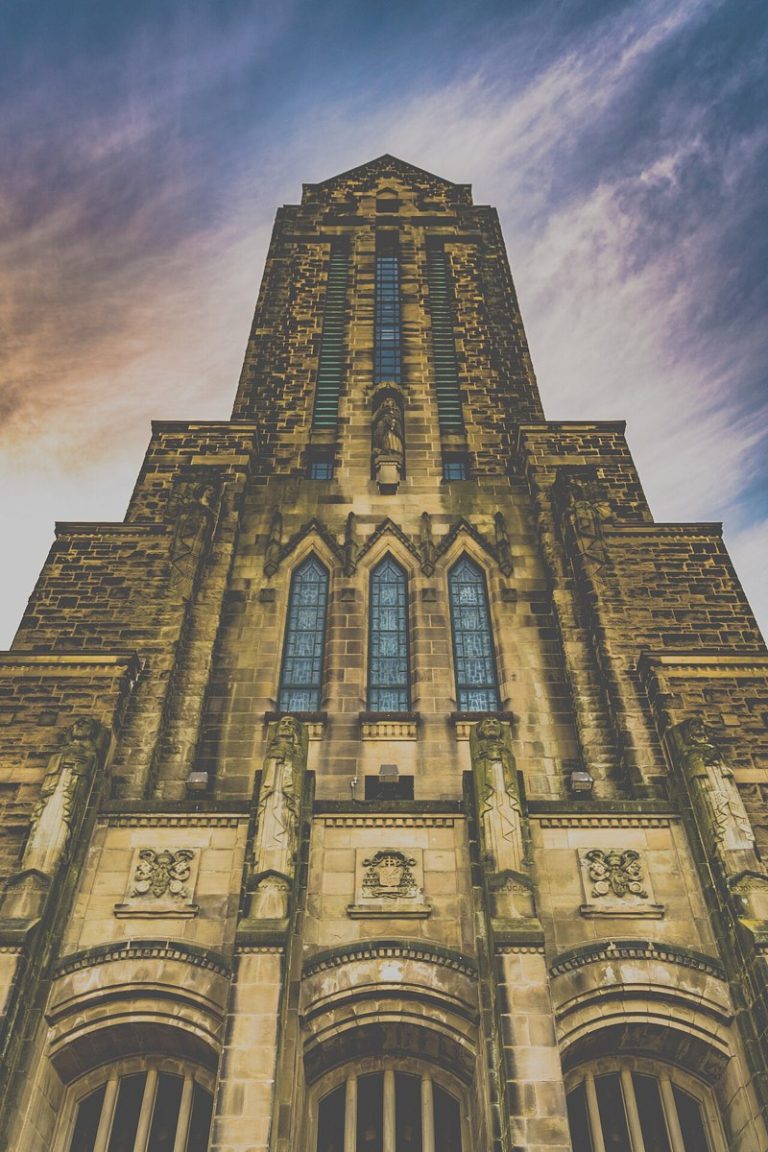
The Roger Gaudry Building and its tower at the Université de Montréal, photographed in 2017.
CA-K371Institutions

The Roger Gaudry Building, Université de Montréal

The Roger Gaudry Building at the Université de Montréal, built between 1928 and 1943 to designs by Ernest Cormier, is a Montréal landmark with an 82-metre central tower. Planned to include laboratories and a teaching hospital, it reflects French Canada’s new appreciation of science and research between the wars and the rise of a Francophone academic and scientific elite.

Factual accuracy review: No recorded challenge

Contributor: Citizen.ca

Verified against cited sourcesVerified on 2026-10-26↗
Photo: Funke · Photo licence: CC BY-SA 4.0 · Credit & context
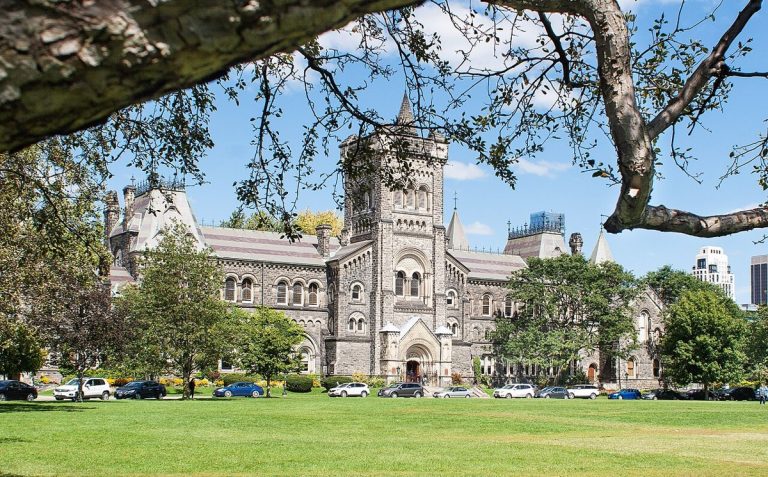
University College on the St. George campus of the University of Toronto, photographed in 2017.
CA-K370Institutions

University College and non-denominational higher education

University College in Toronto, built in 1856–1859 to designs by F. W. Cumberland, largely assured the future of the University of Toronto and drew it into a federal pattern widely followed in Canada and the Commonwealth. It realized a major 19th-century goal: a non-denominational, government-supported institution of higher learning.

Factual accuracy review: No recorded challenge

Contributor: Citizen.ca

Verified against cited sourcesVerified on 2026-10-26↗
Photo: BeautifulWaters · Photo licence: CC BY-SA 4.0 · Credit & context
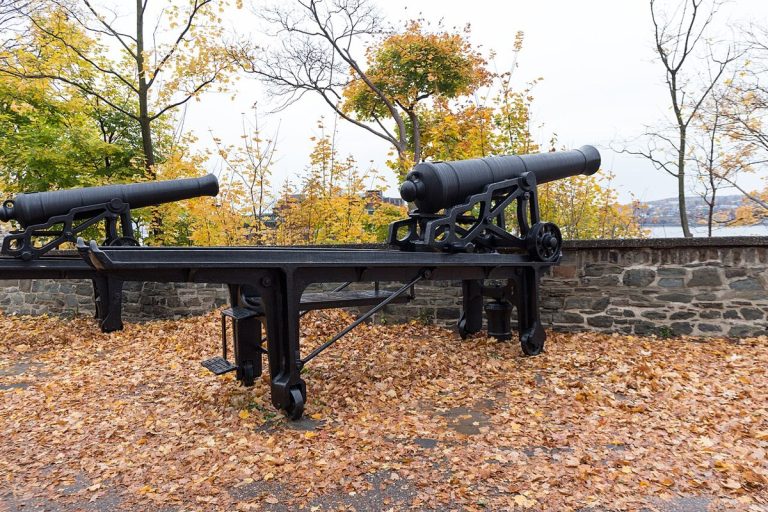
Montmorency Park in Québec City, photographed in 2024.
CA-K369Institutions

Montmorency Park, where parliaments met in Québec

For nearly a century, Montmorency Park in Québec City was where the legislators of Lower Canada, the Province of Canada and the Province of Quebec met. The Québec Conference of 1864 drafted its 72 resolutions for Confederation here. After fire destroyed the Parliament Building in 1883, the site became a public park ten years later.

Factual accuracy review: No recorded challenge

Contributor: Citizen.ca

Verified against cited sourcesVerified on 2026-10-26↗
Photo: Pymouss · Photo licence: CC BY-SA 4.0 · Credit & context
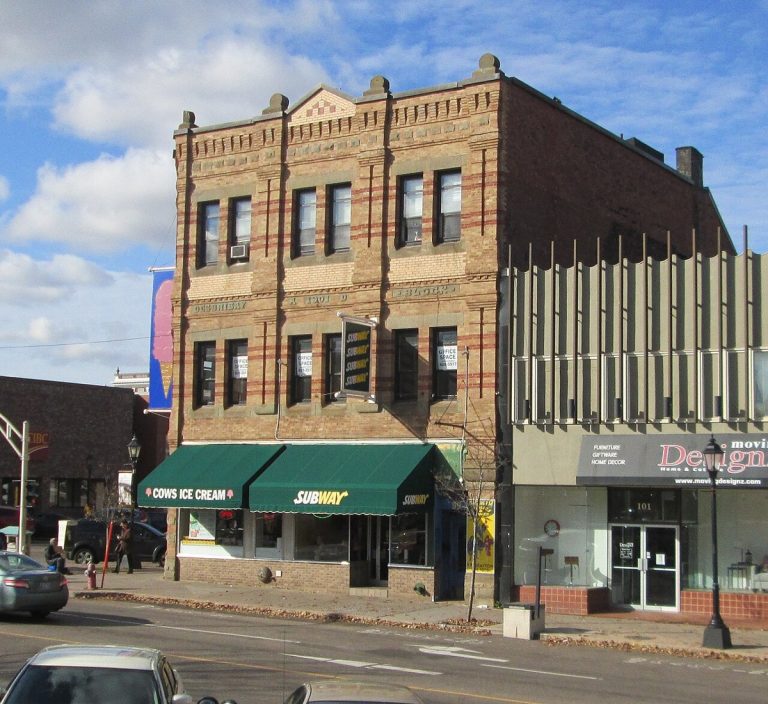
Apothecaries Hall on Queen Street, Charlottetown, Prince Edward Island, photographed in 2013.
CA-K368Economy & trade

Apothecaries Hall, a Charlottetown pharmacy from 1810

Apothecaries Hall in Charlottetown was the site of an apothecary shop opened by Thomas DesBrisay Jr. in December 1810 to supply medicines to Prince Edward Islanders. The present brick building replaced the wooden one in 1901, and when the drug store closed in 1986 it was one of the longest continuously operated pharmacies in Canada.

Factual accuracy review: No recorded challenge

Contributor: Citizen.ca

Verified against cited sourcesVerified on 2026-10-26↗
Photo: Larry · Photo licence: CC BY 2.0 · Credit & context
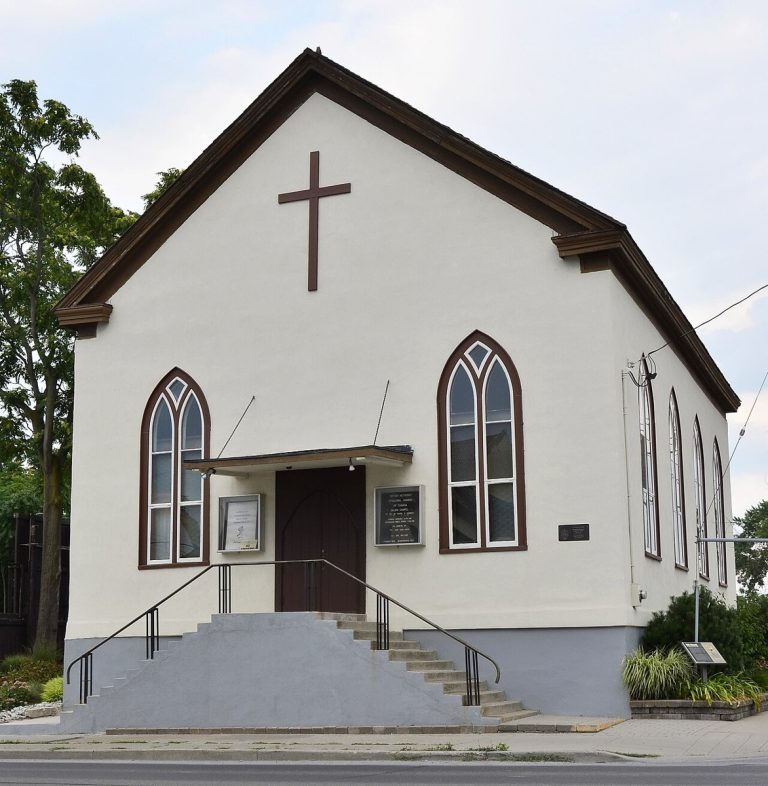
Salem Chapel British Methodist Episcopal Church in St. Catharines, Ontario, photographed in 2012.
CA-K367History

Salem Chapel, St. Catharines

Salem Chapel, a British Methodist Episcopal church built in 1855 in St. Catharines, Ontario, was an important centre of 19th-century abolitionist and civil rights activity in Canada. Harriet Tubman lived nearby from 1851 to 1858 and is traditionally associated with the chapel, and many of those she helped to freedom became its members.

Factual accuracy review: No recorded challenge

Contributor: Citizen.ca

Verified against cited sourcesVerified on 2026-10-26↗
Photo: Apple789 · Photo licence: CC BY-SA 3.0 · Credit & context
Our Lady of the Assumption Cathedral on St. George Street, Moncton, photographed in 2016.
CA-K366Culture & sport

Our Lady of the Assumption Cathedral, Moncton

Our Lady of the Assumption Cathedral in Moncton, New Brunswick, built in 1939–1940 as the Monument of Remembrance, is a symbol of the achievements and resilience of Acadians. Its sculptures and stained glass tell Acadian history, and its construction rallied Acadians and their diaspora to build the first large-scale building commemorating them as a distinct people.

Factual accuracy review: No recorded challenge

Contributor: Citizen.ca

Verified against cited sourcesVerified on 2026-10-26↗
Photo: James Mann from Moncton, New Brunswick, Canada · Photo licence: CC BY 2.0 · Credit & context
The de Gannes-Cosby House on St. George Street, Annapolis Royal, Nova Scotia, photographed in 2024.
CA-K365History

The de Gannes-Cosby House, Annapolis Royal

The de Gannes-Cosby House in Annapolis Royal, Nova Scotia, built in 1708 for French officer Louis de Gannes de Falaise, is a rare surviving house in Acadia from before the Deportation. After 1727 it was home to British officer Alexander Cosby, lieutenant-governor of Annapolis Royal, and it keeps original features such as wattle-and-daub infill and a fieldstone foundation.

Factual accuracy review: No recorded challenge

Contributor: Citizen.ca

Verified against cited sourcesVerified on 2026-10-26↗
Photo: CanadaContributor · Photo licence: CC BY-SA 4.0 · Credit & context
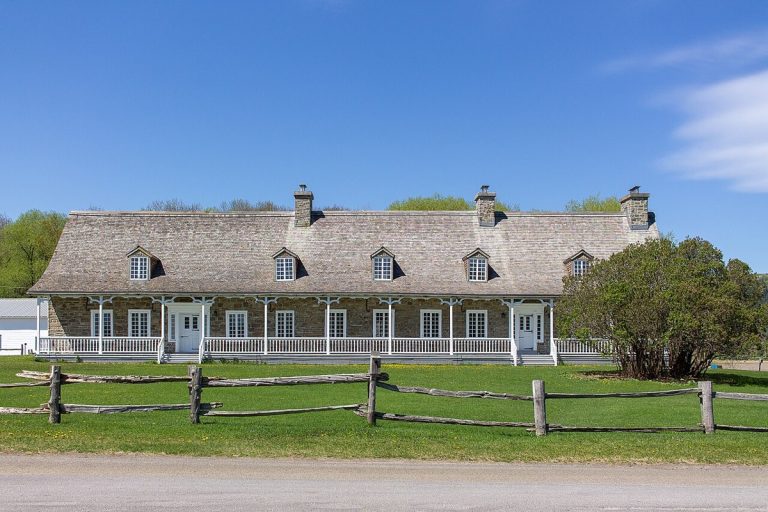
The front of La Petite-Ferme at Cap Tourmente, Quebec, photographed in 2022.
CA-K364History

La Petite-Ferme du cap Tourmente, Champlain’s farm

La Petite-Ferme at Cap Tourmente, Quebec, in an area with an Indigenous presence going back more than 2,000 years, began as a livestock farm built for Samuel de Champlain in 1626 to help feed the young settlement of Québec. It was the first livestock farm in the St. Lawrence Valley; bought by Bishop Laval in 1664, it was run by the Séminaire de Québec for 300 years.

Factual accuracy review: No recorded challenge

Contributor: Citizen.ca

Verified against cited sourcesVerified on 2026-10-26↗
Photo: Judith Bourque · Photo licence: CC BY-SA 2.0 · Credit & context
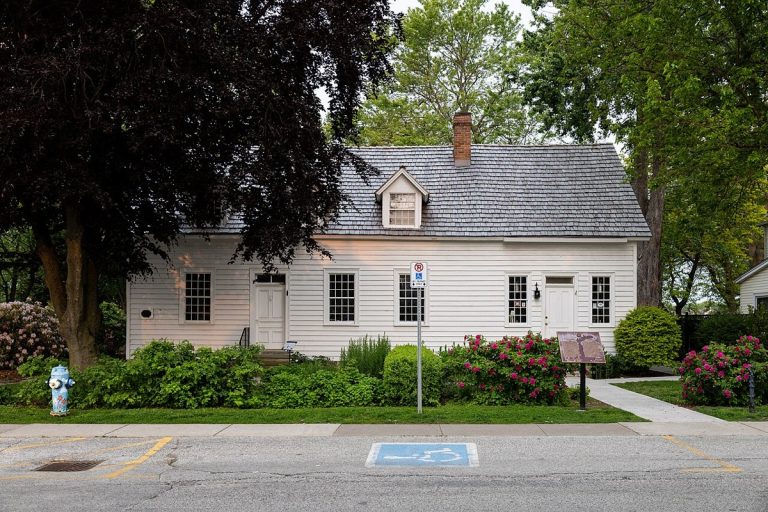
Park House Museum on the main street of Amherstburg, Ontario, photographed in 2025.
CA-K363History

Park House, Amherstburg, a house that floated across the border

Park House in Amherstburg, Ontario, an 18th-century combined dwelling and warehouse, is considered one of the oldest houses in the region. It has long been said that its Loyalist owners floated it down the Detroit River to Upper Canada when the British handed Detroit to the Americans in 1796. Its grooved-post construction is a rare survival of a once-common French-Canadian colonial building type.

Factual accuracy review: No recorded challenge

Contributor: Citizen.ca

Verified against cited sourcesVerified on 2026-10-26↗
Photo: Crisco 1492 · Photo licence: CC BY-SA 4.0 · Credit & context